Content
Before stepping onto a roof or any elevated work surface, every construction and roofing worker must be equipped with a full‑body harness, a shock‑absorbing lanyard or self‑retracting lifeline, and a secure anchorage point rated for at least 5,000 pounds. These three components form a personal fall arrest system (PFAS) that is the last line of defense against fatal falls – the leading cause of death in the industry, accounting for over one‑third of all construction fatalities (395 of 1,069 deaths in 2022, per BLS). Understanding how each piece works, how to wear it correctly, and how to inspect it daily is not optional; it is the foundation of a safe jobsite.
A compliant PFAS must do three things: hold the worker securely, absorb the energy of a fall, and transfer the load to a structure that will not fail. The table below breaks down what each component does and where mistakes most often occur.
| Component | Function | Key OSHA/ANSI Requirement | Common Fail Point |
|---|---|---|---|
| Full‑body harness | Distributes fall forces across thighs, pelvis, chest, and shoulders; keeps worker upright | Dorsal D‑ring between shoulder blades; maximum arrest force 1,800 lbs | Loose straps, twisted webbing, missing sub‑pelvic strap |
| Shock‑absorbing lanyard / SRL | Limits deceleration distance and reduces the force transmitted to the body | Average arresting force ≤ 900 lbs; max free fall 6 ft (lanyard) or ≤ 2 ft (SRL) | Using a lanyard without an energy absorber, exceeding the free‑fall limit |
| Anchorage point | Provides a fixed, immovable connection that supports the entire fall load | Strength: 5,000 lbs per worker attached (or 2× safety factor engineered) | Tying off to an unrated pipe, guardrail, or roof truss not designed for fall arrest |
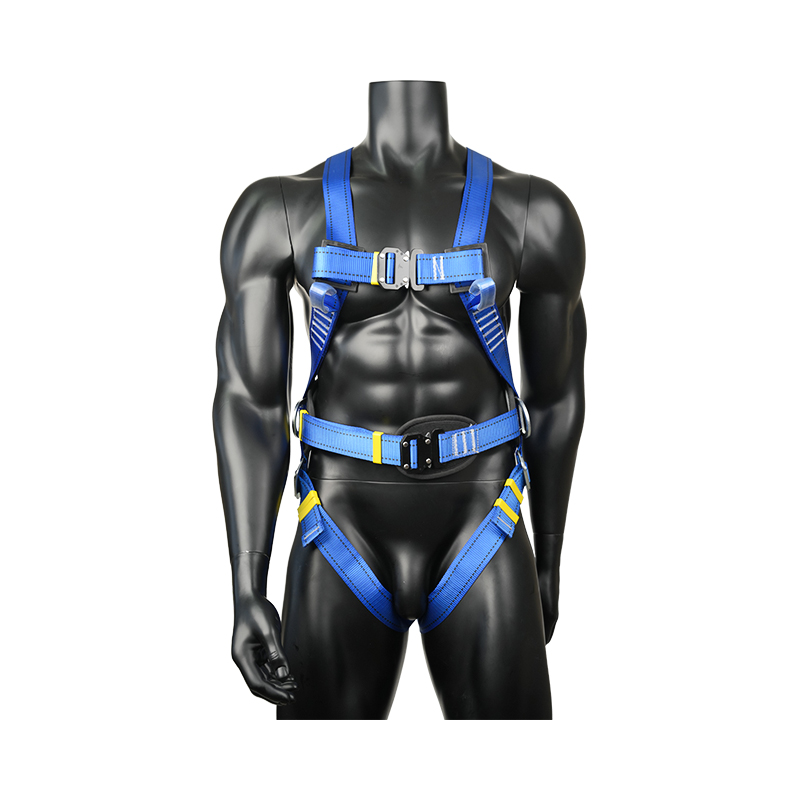
A full‑body harness is the only type of body wear legally permitted for fall arrest in construction. Unlike a simple body belt, a harness redirects the forces of a fall to the strongest parts of the body and keeps the worker in an upright, conscious position during suspension. OSHA 1926.502 requires the dorsal D‑ring to be located in the upper back, between the shoulder blades, because any other attachment point dramatically increases the risk of spinal injury or ejection from the harness.
Even the most certified harness fails if it does not fit the individual wearer. A harness that is too loose can cause the worker to slip out on impact; one that is too tight restricts blood flow and increases the danger of suspension trauma. When donning the harness:
NIOSH fatality investigations repeatedly show that workers who fall wearing only a positioning belt or an improperly sized harness often do not survive. In a 2021 incident, a roofer fell 28 feet when a poorly fitted harness slipped upward over his shoulders upon impact; the dorsal D‑ring shifted, and the resulting body position caused severe internal injuries. A correctly fitted harness keeps the wearer upright and the D‑ring in place, allowing rescue to occur before suspension trauma sets in – typically within 10 to 30 minutes.
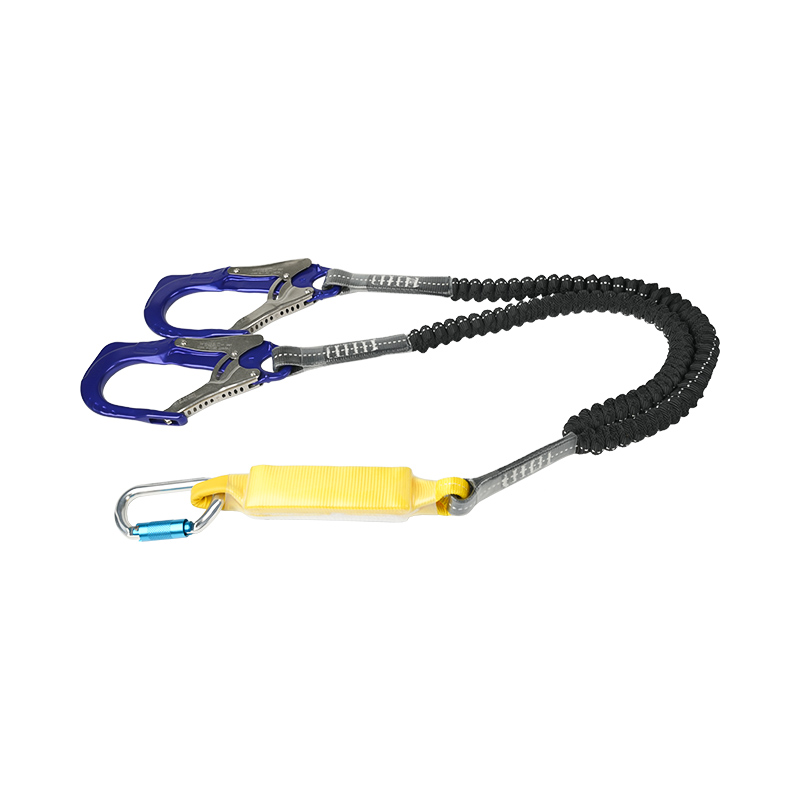
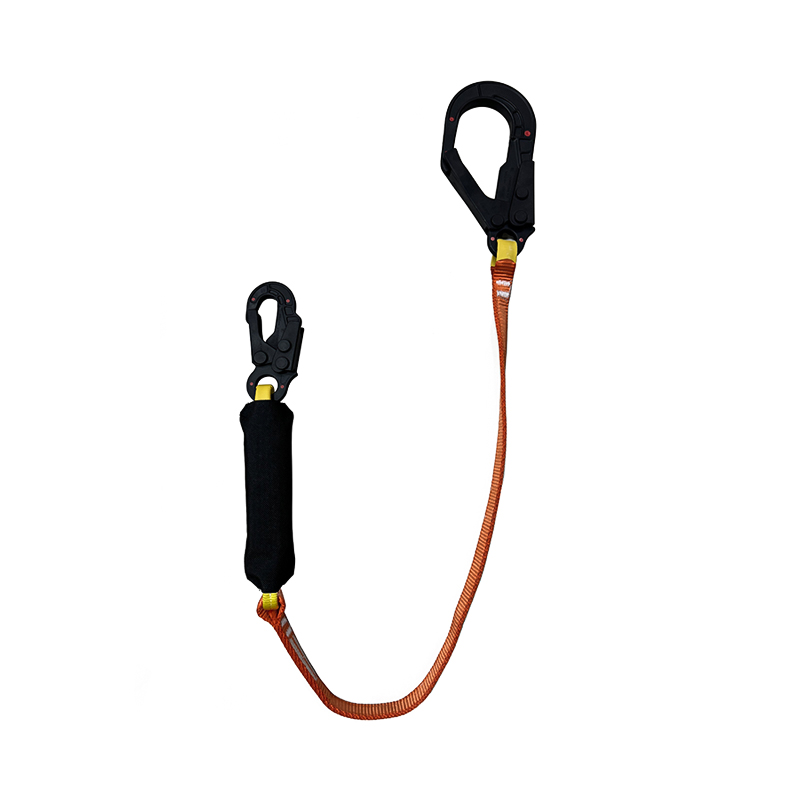
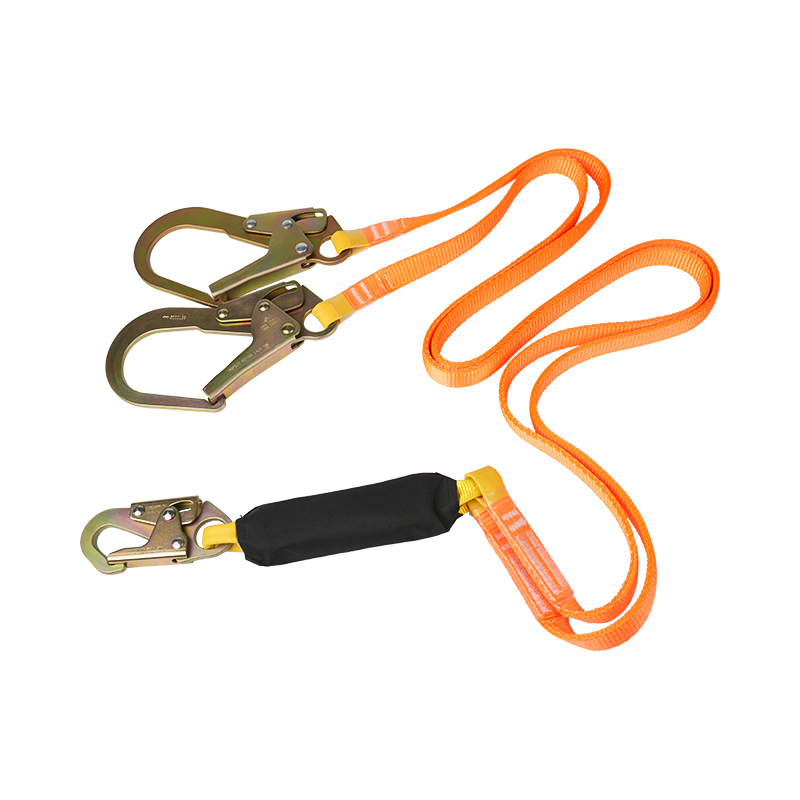
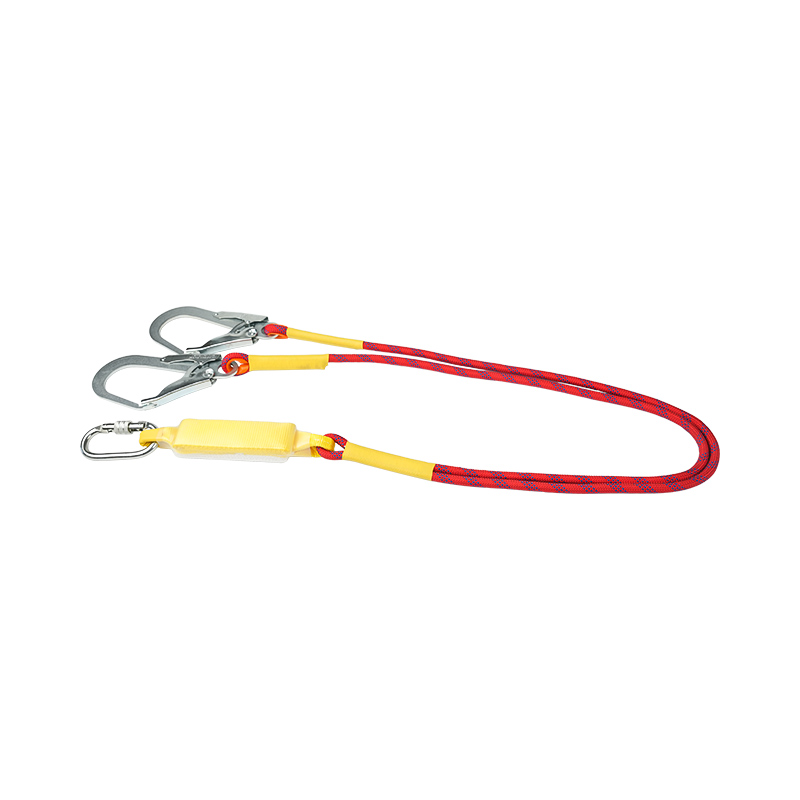
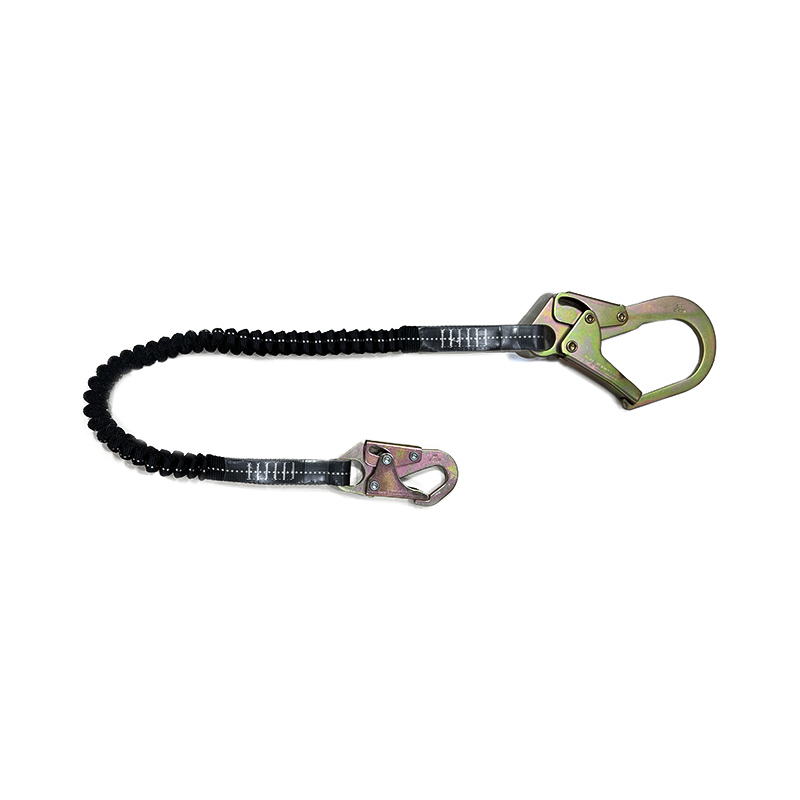
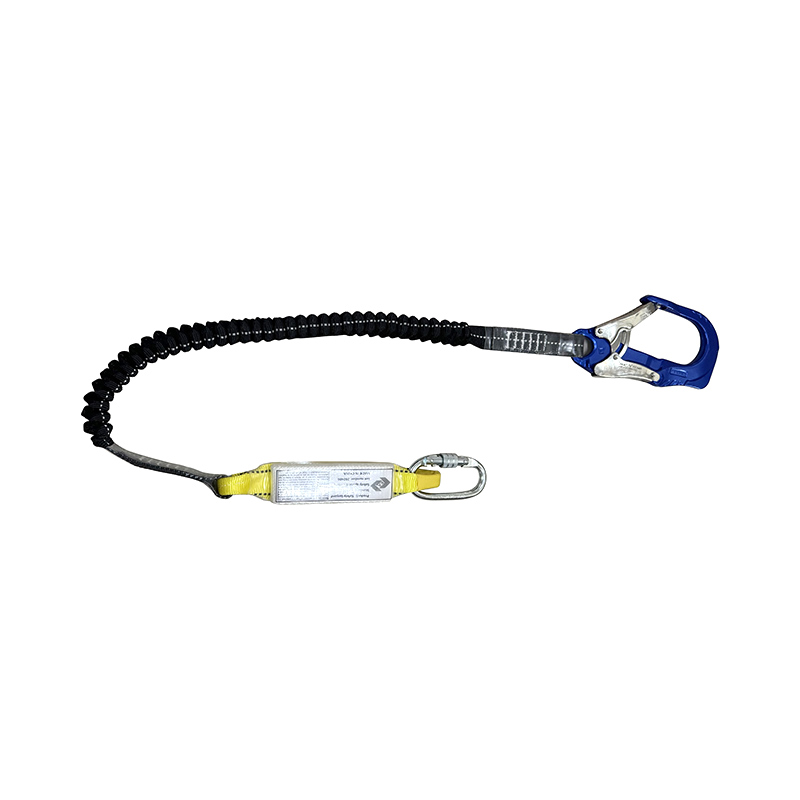
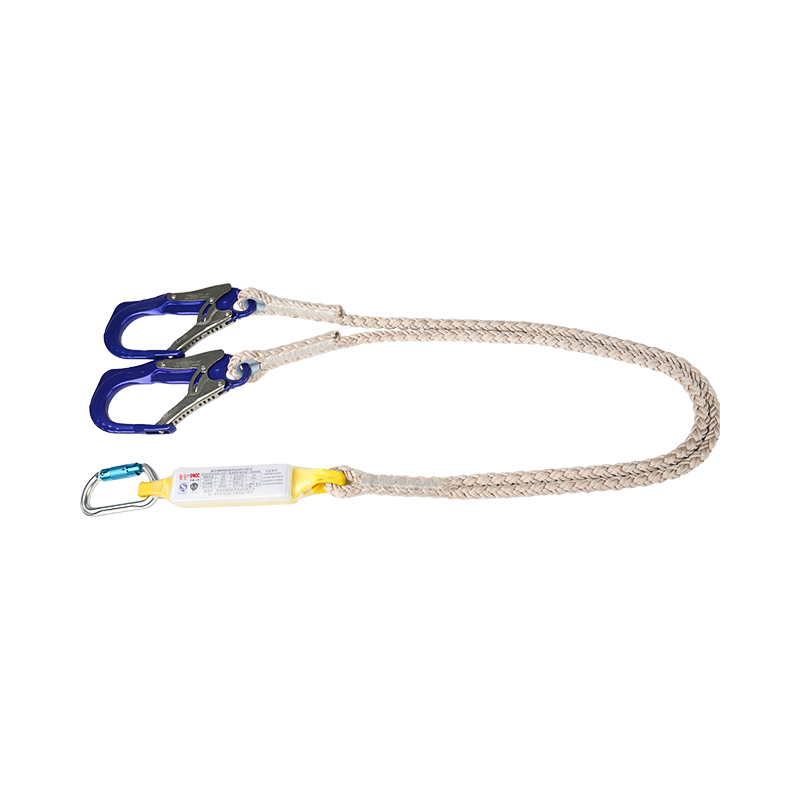
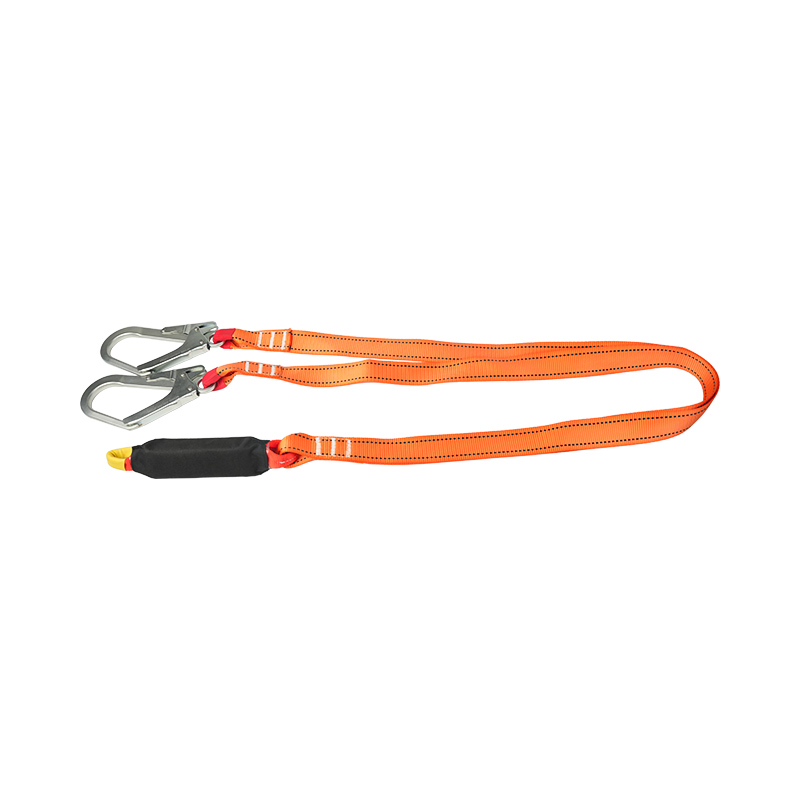
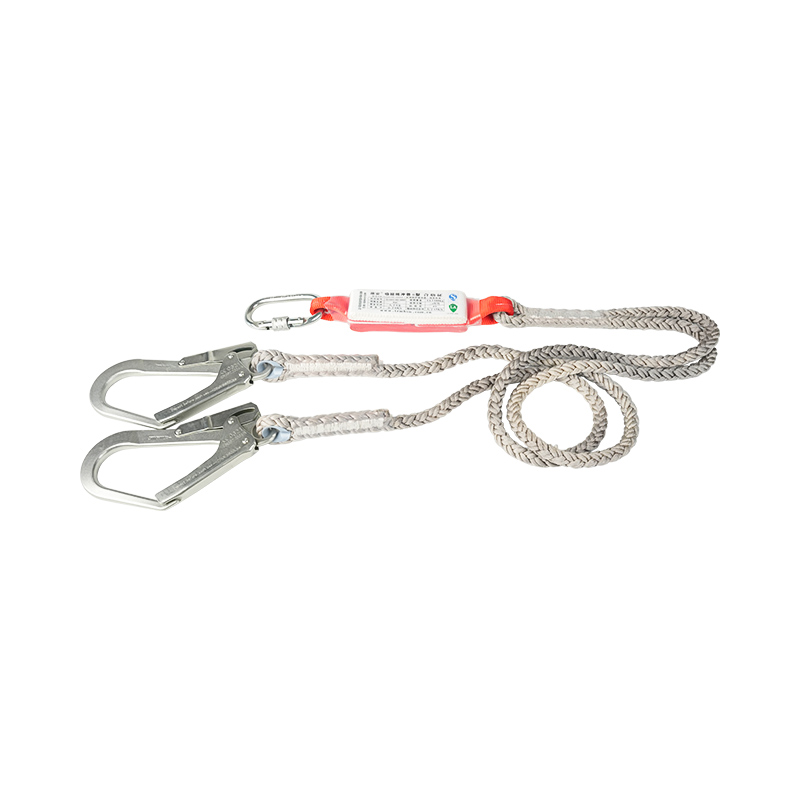
The connection between the harness and the anchor is where the physics of a fall is managed. Without proper energy absorption, the body would experience a brutal stop that can exceed the spine’s tolerance. A standard 6‑foot shock‑absorbing lanyard reduces the average arresting force to less than 900 pounds by tearing internal webbing in a controlled manner, and it limits the free‑fall distance to 6 feet. A self‑retracting lifeline (SRL) works like a seatbelt – it locks rapidly in a fall, typically within 2 feet, and keeps the worker tethered with minimal slack.
When choosing between the two, consider the work location and available clearance:
All the best harnesses and lanyards are worthless if the anchor point fails. OSHA mandates that each anchorage must support 5,000 pounds per worker attached, or be designed by a qualified person with a safety factor of at least two. In roofing, common approved anchorages include properly installed roof anchors (temporary or permanent), structural steel I‑beams, or engineered horizontal lifelines. Tying off to a PVC vent pipe, a guardrail post, or a roof truss not verified for fall arrest loads is a catastrophic mistake that appears in nearly one‑third of fatal fall investigations.
For residential and commercial roofing, temporary anchors that fasten to the peak or trusses are widely used. They must be installed exactly to manufacturer specifications – off‑center placement or inadequate fasteners can reduce capacity by more than 40%. When multiple workers need to move along a roof edge, a horizontal lifeline system allows continuous connection without stopping to re‑tie. A properly tensioned horizontal lifeline with intermediate supports can absorb a 900‑lb end‑user load while keeping deflections within safe limits.
While the PFAS core stops the fall, other equipment prevents it from starting and mitigates the consequences of a suspended worker. These items are not substitutes for a harness and lanyard but are critical layers of protection.
No piece of gear lasts forever, and no worker stays perfectly attentive. A daily inspection routine and regular fit checks are the difference between equipment that works and equipment that fails silently.
Before every shift, each worker should perform a visual and tactile inspection of their harness and lanyard. Follow these steps in order:
OSHA requires that a competent person inspect the worksite and fall protection systems at regular intervals. Formal inspections should be documented and kept on file, and any equipment subjected to a fall or impact force must be immediately removed from service and destroyed. One study of 1,200 construction falls found that in 27% of fatal cases, the fall protection equipment had been previously damaged but was still in use.

San Ye Road, Si Xiang Sub-district, Hai Ling District, Tai Zhou City, Jiang Su Province, China

+86 151-5262-8620
Copyright @ Taizhou KA Protection Products Co., Ltd. All Rights Reserved



 English
 Español
 عربى
عربى
