Content
Fall protection equipment saves lives — but only when the right piece of equipment is selected for the right situation. In our decades of manufacturing experience supplying fall protection gear to construction crews, utility workers, and industrial teams worldwide, the single most common mistake we see is not the absence of equipment, but the misuse of it. A positioning line used where a shock-absorbing lanyard is required, or a harness worn without a compatible connection point — these errors can be just as dangerous as wearing no protection at all. This guide breaks down exactly when each component is appropriate, what it protects against, and how they work together.
Before diving into specific use cases, it helps to understand what each component actually does within a complete fall protection system. These three items — the safety harness, the shock-absorbing lanyard, and the positioning line — are not interchangeable. Each serves a distinct mechanical purpose.
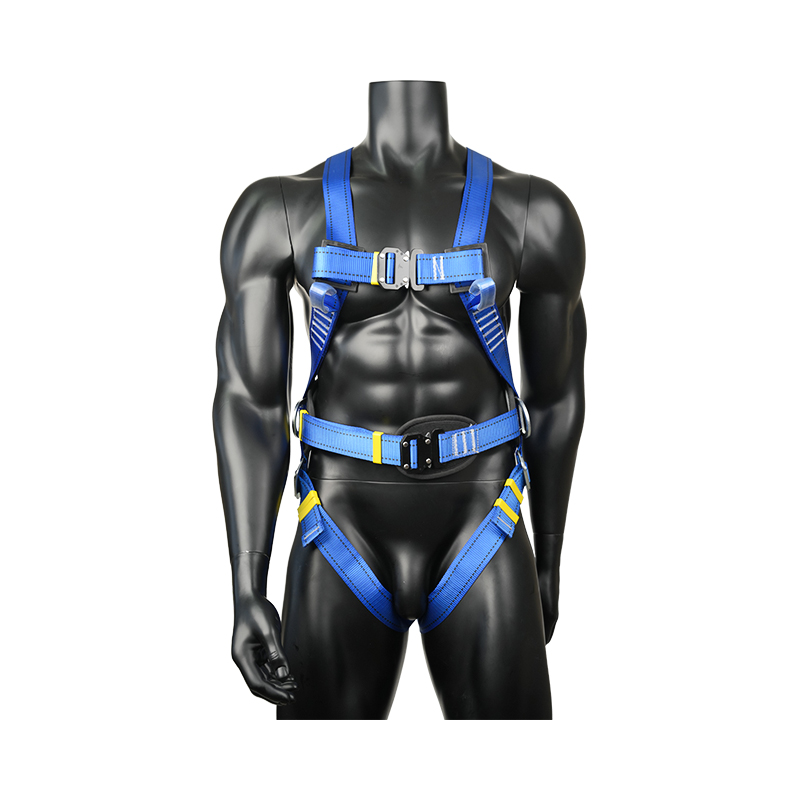
A safety harness is the wearable foundation of any personal fall arrest or fall restraint system. It distributes the forces of a fall across the body's strongest load-bearing areas — the thighs, pelvis, chest, and shoulders — rather than concentrating them at a single point. A properly fitted full-body harness can distribute arrest forces of up to 1,800 lbs (8 kN) across these zones, which is why harnesses are mandatory for virtually any task involving work at height above 6 feet (1.8 m) in general industry, or 4 feet (1.2 m) in construction under OSHA 29 CFR 1926.502.
The harness alone does not arrest a fall — it is the anchor point for attaching a lanyard, self-retracting lifeline, or positioning line. Without the correct connection device, the harness provides no fall protection value.
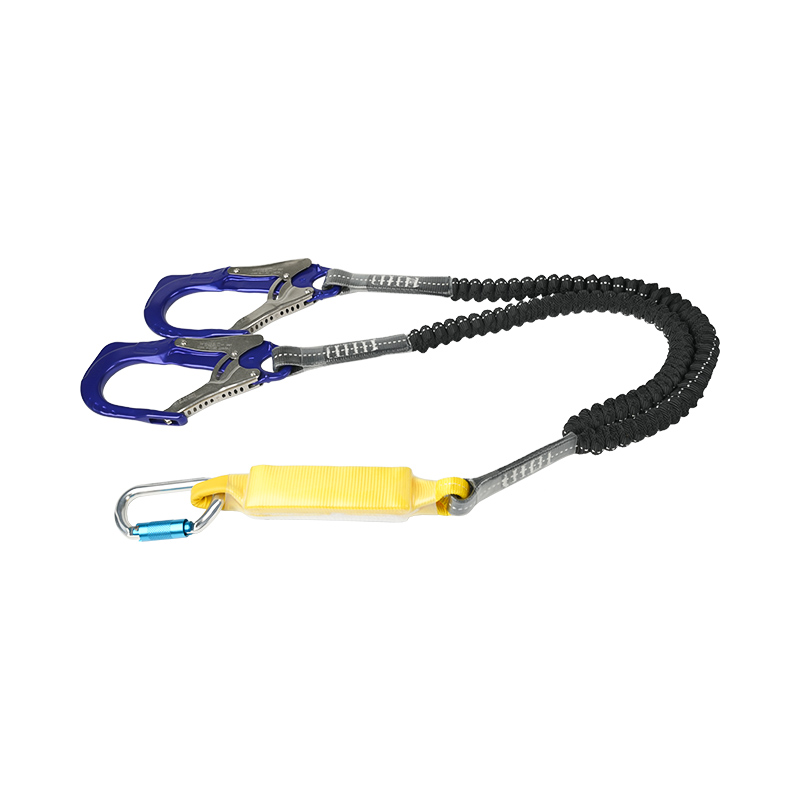
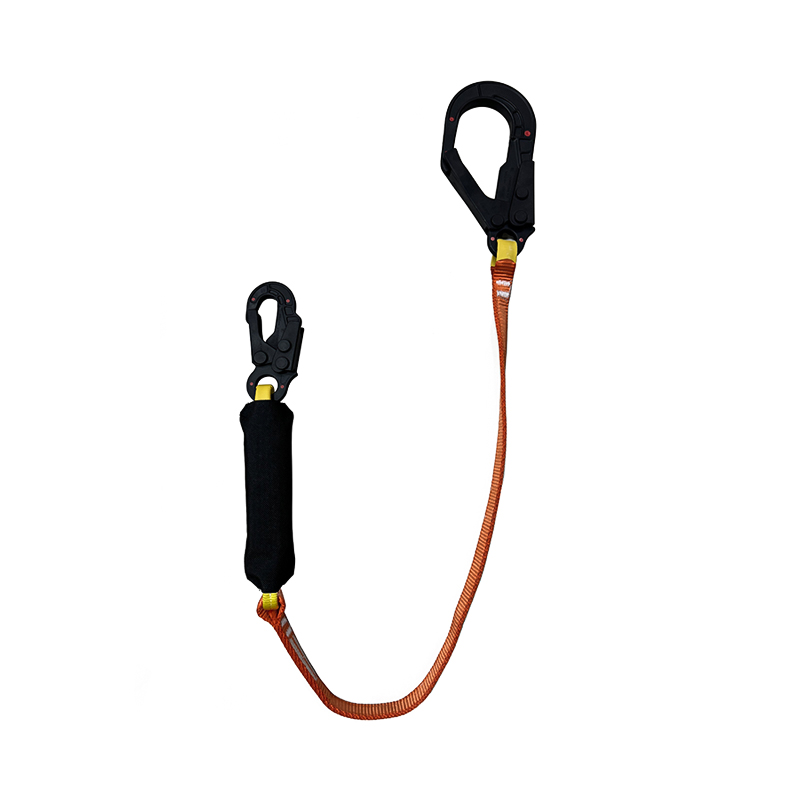
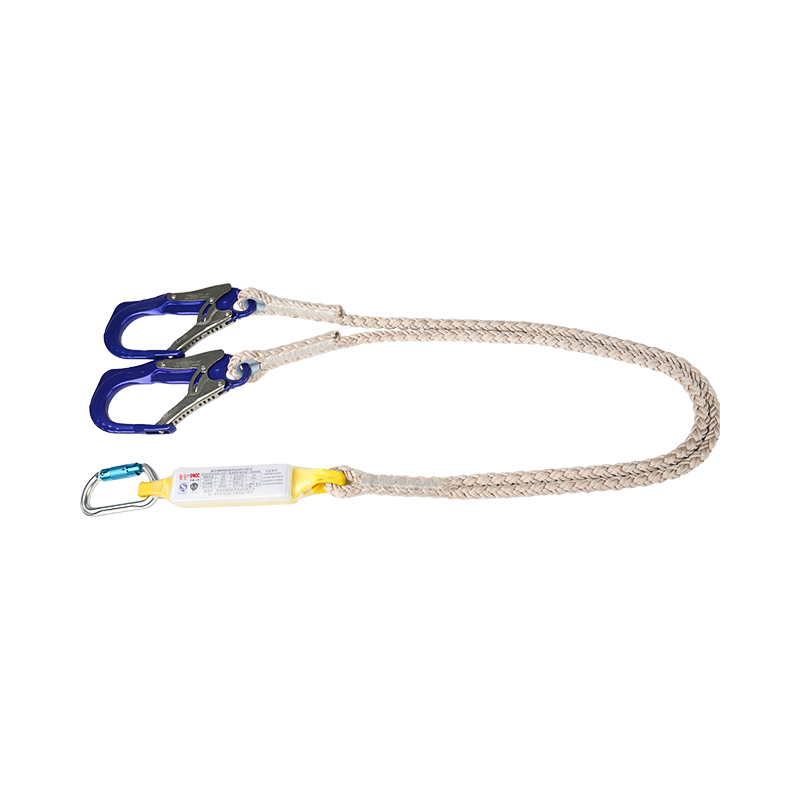
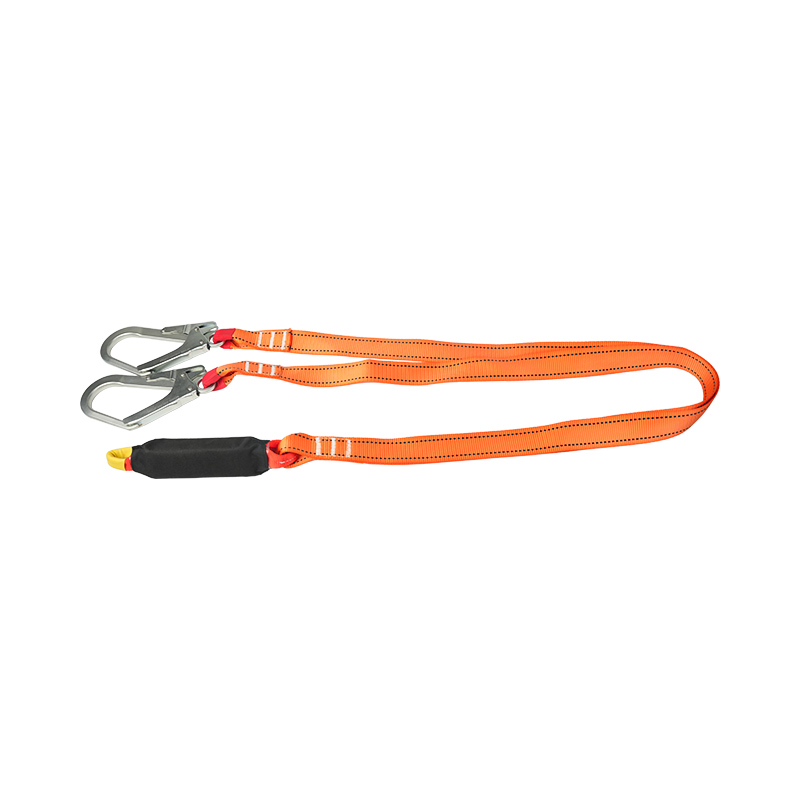
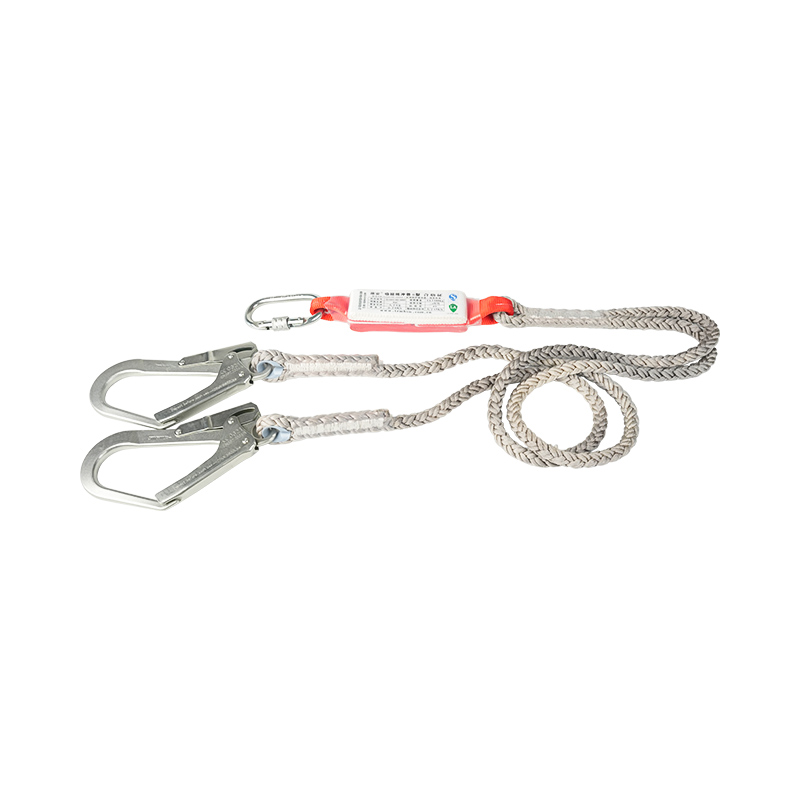
A shock-absorbing lanyard (also called an energy-absorbing lanyard) connects the harness to an anchor point and is engineered specifically to arrest a free fall by deploying a tear-webbing pack that extends up to 3.5 feet (1.07 m) to reduce peak arrest force. Without a shock absorber, a free fall of even 6 feet can generate forces exceeding 2,000 lbs on the body — well above the human tolerance threshold. With a shock absorber, that peak force is limited to a maximum of 900 lbs (4 kN) per ANSI Z359.13 and EN 355 standards.
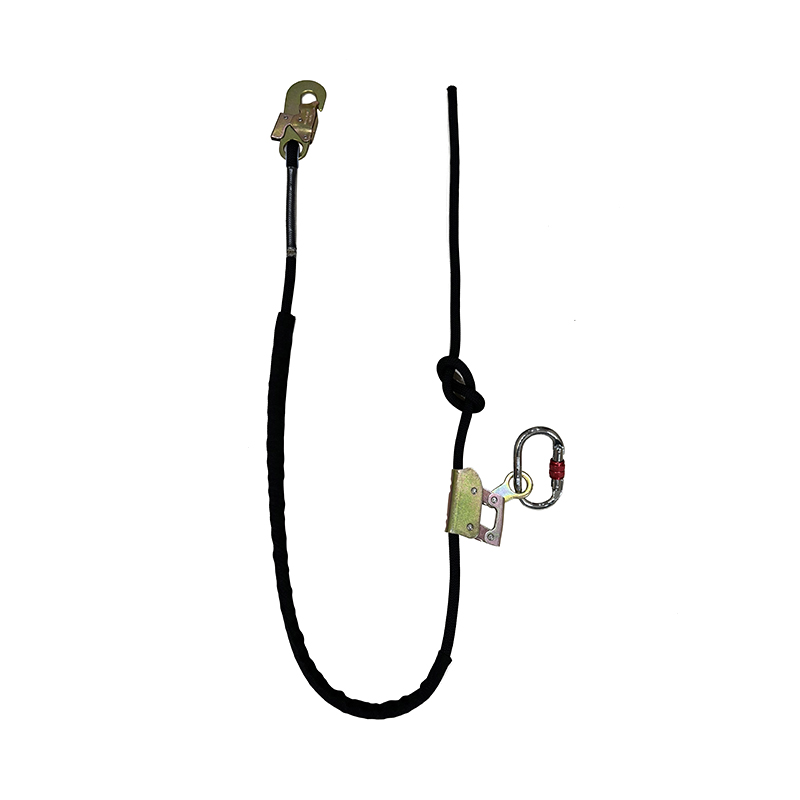
A positioning line (or work positioning lanyard) is a completely different tool. It is not designed to arrest a free fall. Instead, it limits the worker to a position where a fall cannot occur, or holds the worker against a structure so that both hands remain free. Positioning lines are rated for a maximum free fall of 2 feet (0.6 m) under OSHA standards — anything more and the system must be supplemented with a separate fall arrest device.
The safety harness is required any time a worker could experience a fall from height that needs to be arrested or restrained. Below are the primary scenarios where harness use is both mandatory and critical:
A key distinction worth making: not all harnesses are the same. A full-body harness with a dorsal D-ring is required for fall arrest. A chest harness alone is never acceptable for fall arrest — it can cause severe spinal injury upon arrest. For electrical utility work, a dielectric harness with non-conductive hardware is required to prevent arc flash and electrocution risk.
A shock-absorbing lanyard is required in any fall arrest application where a free fall of more than 2 feet is possible. Here is the practical breakdown of when this lanyard type is essential:
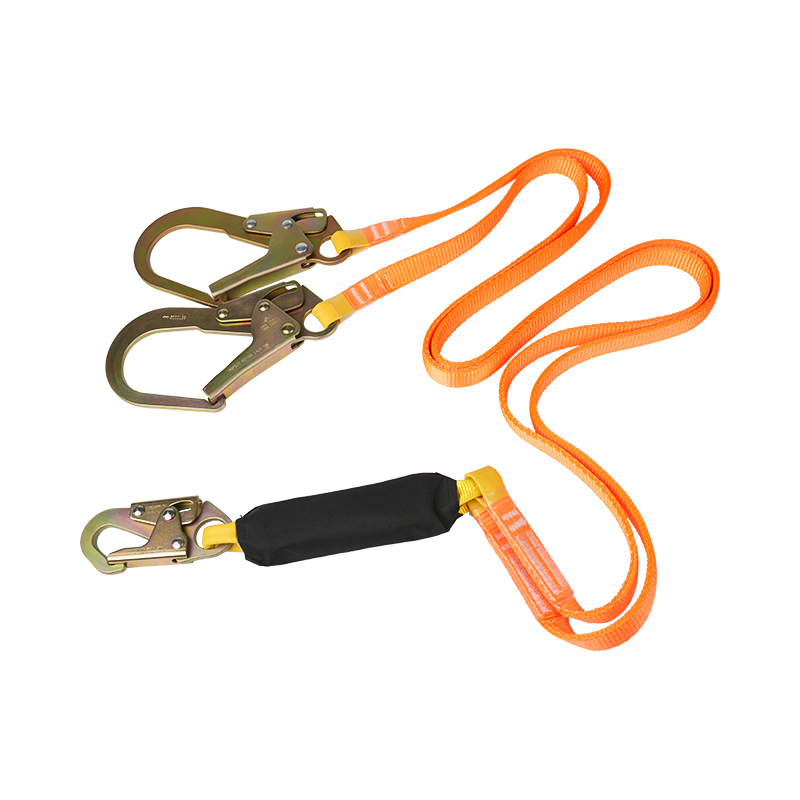
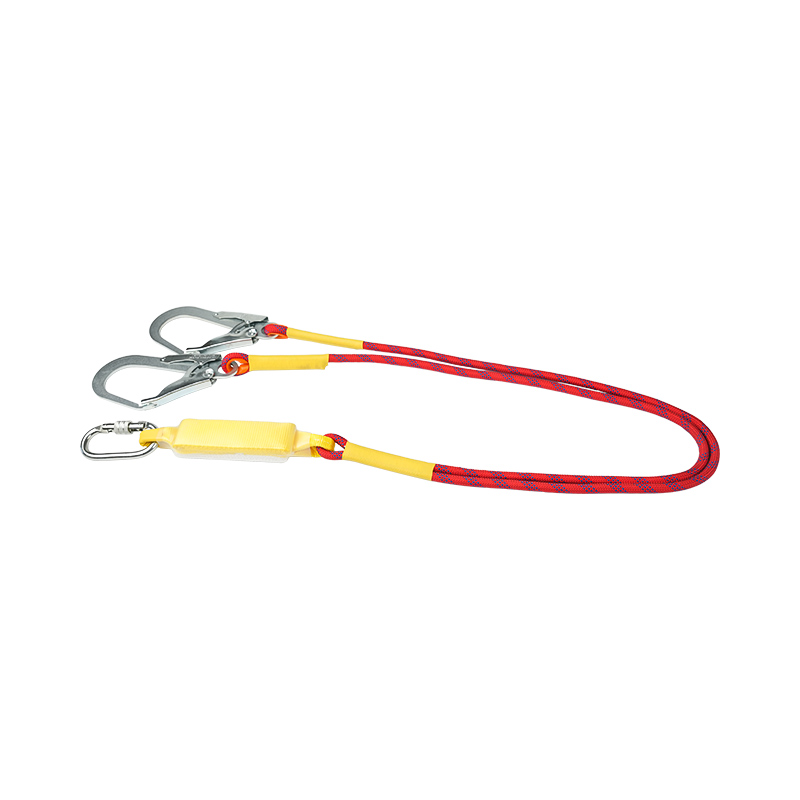
A single-leg lanyard is appropriate when the worker stays connected to one anchor for an entire work session. A double-leg (twin) lanyard is required when workers must maintain 100% tie-off while moving between anchor points — one leg stays connected while the other is transferred. This is standard practice in steel erection, tower climbing, and any work where disconnecting from the anchor even momentarily is not acceptable.
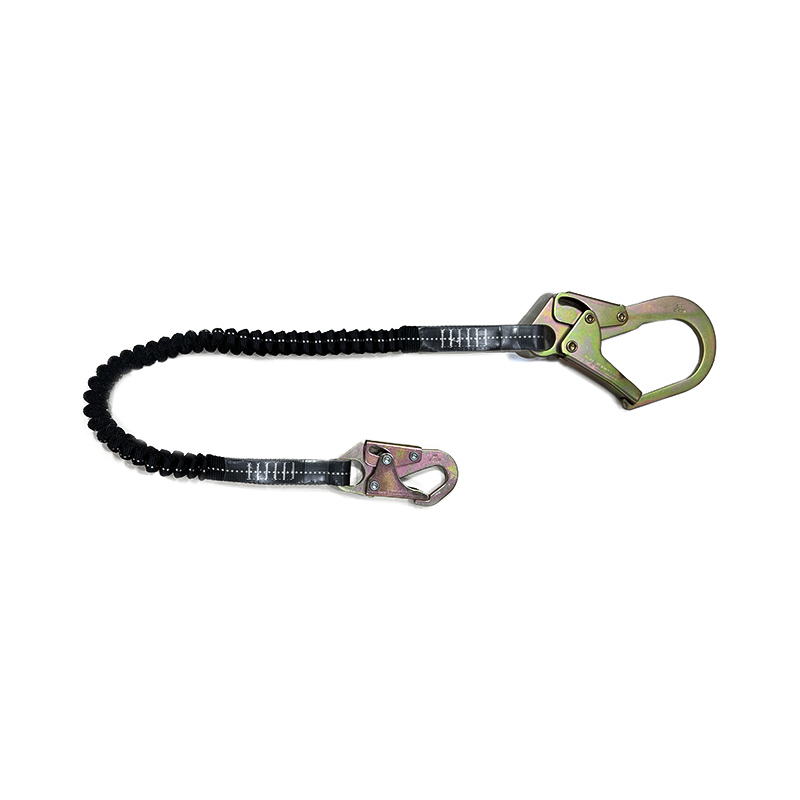
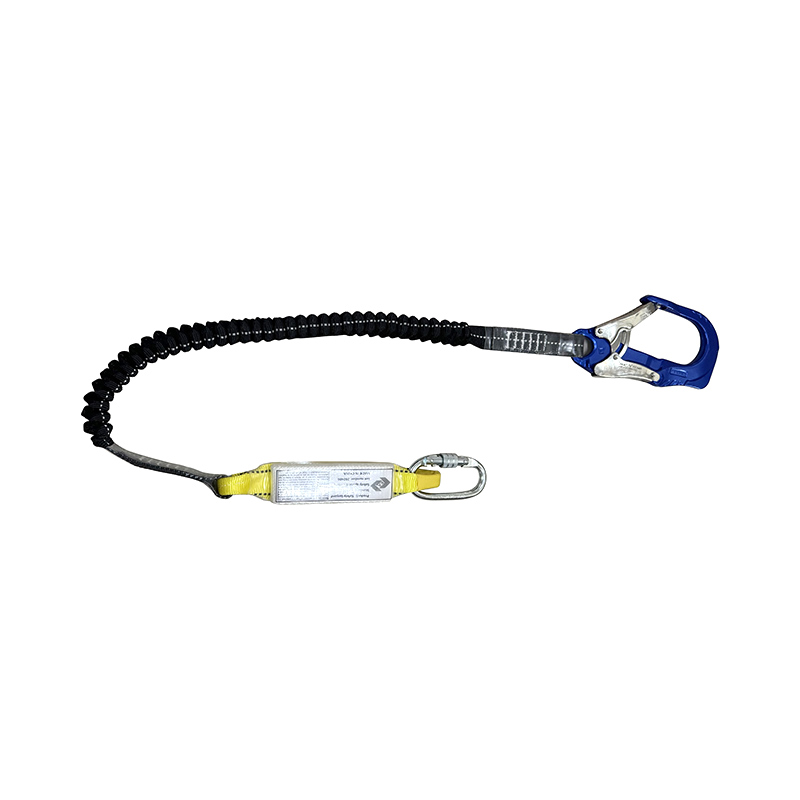
Our safety lanyard range includes both single and double configurations with integrated energy absorbers, available in webbing and rope constructions to suit different environmental conditions.
One of the most overlooked aspects of shock-absorbing lanyard use is total fall clearance. A standard 6-foot lanyard with a shock absorber that deploys 3.5 feet requires a minimum clearance of approximately 18.5 feet below the anchor point before a worker would contact a lower level, accounting for the worker's height and harness stretch. If that clearance does not exist, a standard shock-absorbing lanyard is not the right solution — a self-retracting lifeline (SRL) or a shorter lanyard should be used instead.
A positioning line is the right tool when the goal is stability and hands-free work, not fall arrest. It keeps the worker in a controlled position against or near a structure. The key requirement is that the positioning line must be used in combination with a separate fall arrest system whenever a free fall of more than 2 feet is possible.
The most important rule: never use a positioning line as a substitute for fall arrest. If the anchor geometry or work position allows for a free fall greater than 2 feet, a shock-absorbing lanyard or SRL must also be worn and connected.
The table below summarizes the key differences to make selection faster and clearer for procurement teams, safety managers, and workers in the field.
| Feature | Safety Harness | Shock-Absorbing Lanyard | Positioning Line |
|---|---|---|---|
| Primary Function | Distribute arrest forces across body | Arrest free fall; absorb peak force | Stabilize worker; enable hands-free work |
| Can Arrest a Free Fall Alone? | No (requires lanyard/SRL) | Yes (with harness) | No |
| Max Rated Free Fall | — | 6 ft (1.8 m) typical | 2 ft (0.6 m) |
| Key Standard | ANSI Z359.11 / EN 361 | ANSI Z359.13 / EN 355 | ANSI Z359.2 / EN 358 |
| Typical Attachment Point | Dorsal D-ring (fall arrest) | Dorsal D-ring of harness | Side or front D-rings of harness |
| Used Alone? | No | No (needs harness + anchor) | No (needs harness + fall arrest backup) |
| Reusable After Fall? | Inspect and may replace | No — must be replaced | Inspect and may reuse |
In most real-world applications, fall protection is not a single-component solution. Consider a utility lineman working on a steel transmission tower: they wear a full-body harness connecting at the dorsal D-ring to a shock-absorbing twin lanyard for 100% tie-off while ascending, and simultaneously use a positioning strap wrapped around the tower structure so they can work hands-free at each level. Remove any one of these three elements, and the system fails to meet minimum safety requirements.
Another example: a window cleaning technician on a suspended scaffold wears a harness connected to a building anchor via a shock-absorbing lanyard (fall arrest backup), plus a separate positioning line to maintain their working distance from the facade. The positioning line handles the repetitive lateral loading during normal work; the shock-absorbing lanyard exists purely as a backup if the scaffold fails or the worker slips off the platform edge.
The rule of thumb we advise all procurement teams to follow: identify the worst-case fall scenario first, select the fall arrest system to manage that scenario, and then layer in the positioning line for work efficiency. Never reverse that order.
Over the years, we have seen the same errors appear repeatedly across industries. Here are the most consequential ones:
This is by far the most dangerous error. Positioning lines are not rated for the dynamic forces of a free fall beyond 2 feet. A worker who falls while attached only to a positioning line risks hardware failure, rope rupture, or body injury from the uncontrolled force spike. If there is any chance of a free fall, a shock-absorbing lanyard or SRL must be present.
As noted earlier, a 6-foot shock-absorbing lanyard requires approximately 18.5 feet of clearance. Workers on low-level structures (rooftops 12–15 feet above a lower roof, for example) may have less clearance than the lanyard deployment requires. In those cases, a shorter lanyard, a self-retracting lifeline, or a fall restraint approach (preventing the worker from reaching the fall hazard at all) must be used.
Fall arrest lanyards must always connect to the dorsal D-ring at the back of the harness. The front sternal D-ring and side hip D-rings are rated for positioning and rescue only — typically 310–1,000 lbs, far below the forces generated in a free-fall arrest scenario.
Once a shock absorber has deployed — even partially — the tear webbing pack is expended and cannot absorb energy in a subsequent fall. The lanyard must be immediately removed from service, tagged, and replaced. This is non-negotiable under both ANSI and EN standards.
Standard steel snap hooks can corrode rapidly in coastal, chemical, or high-humidity environments. Nylon webbing degrades from UV exposure and chemical contact. For electrical workers, standard steel hardware is a shock hazard. Always match the material specification — webbing type, hardware alloy, coating — to the actual environment. We offer a range of equipment designed for specific conditions, including dielectric safety harnesses and dielectric safety lanyards for live electrical work environments.
Selecting the right equipment is only part of the equation. Maintaining it correctly is equally important. The table below outlines general inspection and retirement guidance:
| Equipment | Pre-Use Inspection | Formal Inspection | Immediate Retirement Triggers |
|---|---|---|---|
| Safety Harness | Every use | At least annually by competent person | Fall arrest load, cuts, burns, frayed webbing, deformed hardware |
| Shock-Absorbing Lanyard | Every use | At least annually | Any deployment of shock pack, cuts, gate damage, chemical exposure |
| Positioning Line | Every use | At least annually | Rope core damage, broken stitching, seized adjuster, overloading event |
A competent person — defined under OSHA as someone with the knowledge and authority to identify and correct fall hazards — must conduct formal periodic inspections. Pre-use checks by the worker are in addition to, not a replacement for, formal inspections.
For teams sourcing fall protection equipment at scale, a few supplier-side factors significantly affect the long-term performance of your safety program:
We manufacture and supply all three of these product categories — safety harnesses, shock-absorbing lanyards, and positioning lines — from our facility in China with over 40 years of production experience. Our full PPE product range covers standard configurations as well as OEM and custom designs for buyers who need tailored specifications. If you are evaluating suppliers for a project or ongoing procurement contract, we are glad to provide samples, test reports, and pricing based on your specific requirements.

San Ye Road, Si Xiang Sub-district, Hai Ling District, Tai Zhou City, Jiang Su Province, China

+86 151-5262-8620
Copyright @ Taizhou KA Protection Products Co., Ltd. All Rights Reserved



 English
 Español
 عربى
عربى
