Content
In 2024, falls remained the leading cause of death on construction sites, accounting for over 35% of all fatalities recorded by OSHA. Fall protection is not optional equipment you keep in a truck. It is a legally mandated system designed to prevent a worker from striking a lower level or an object below. OSHA Standard 1926.501 requires employers to provide fall protection whenever work occurs at heights of six feet or more in construction, or four feet in general industry. The regulation covers everything from open-sided floors and leading edges to roof work and steel erection.
The practical side of fall protection goes much deeper than a height threshold. A system must either prevent a fall from happening or safely stop one that has already begun. That distinction drives the entire classification of systems, and understanding it is the difference between a crew that goes home every night and one that generates an incident report.
Both OSHA and the ANSI Z359 standards frame fall protection as a hierarchy, not a menu of equal options. The first and most effective intervention is elimination: can the task be performed at ground level? Prefabricating components and lifting them into place, using drones for inspections, or moving assembly to a lower elevation are all forms of elimination. When elimination is impossible, the hierarchy dictates moving to passive systems, then active restraint, then active arrest. Administrative controls such as warning lines or safety monitors sit at the bottom and are only permitted under narrow, explicitly defined conditions.
This sequence is not a philosophical preference. It is based on reliability. Passive systems like guardrails function without any action from the worker. Active systems like personal fall arrest require correct donning, proper anchor selection, and adequate clearance. Administrative controls depend entirely on human vigilance. Each step downward introduces more failure modes. A well-designed fall protection program makes every effort to stay as high on that ladder as the job allows.
Passive systems share one common trait: once installed, they protect workers with zero further intervention. No training is needed for the system itself to function. No body harness must be adjusted. Nothing has to be connected to an anchor. For these reasons, OSHA and every authoritative safety body treat passive systems as the preferred option whenever they can be engineered into the work environment.
| System | Best Use | OSHA Key Requirement | Typical Cost Range |
|---|---|---|---|
| Guardrails | Open edges, scaffolds, ramps, runways | Top rail 42 inches high, withstand 200 lbs force | $25–$150 per linear foot installed |
| Hole Covers | Floor openings, skylights | Capable of supporting twice the expected load; secured in place | $50–$200 per cover |
| Safety Nets | Steel erection, bridge work, leading edges where guardrails are infeasible | Installed as close as practicable, max 30 feet below walking surface | $3–$8 per square foot |
Safety nets demand specific attention to mesh size and placement. OSHA 1926.502(c) requires nets to be drop-tested at every installation site or certified by a qualified person. They must extend outward a minimum distance—8 feet if the fall height is up to 5 feet, increasing with height. Debris and weather can reduce net capacity, so weekly inspections are non-negotiable.
When passive protection cannot be installed—on a sloped roof, a telecom tower, or a leading edge that shifts daily—active systems become necessary. All active systems depend on the worker wearing a full-body harness and connecting to a secure anchor, but they differ fundamentally in what happens after the connection is made.
| Characteristic | Fall Restraint | Fall Arrest |
|---|---|---|
| Purpose | Stop worker from reaching the edge or unprotected opening | Catch worker after a fall occurs; arrest the descent |
| Typical Equipment | Full-body harness, fixed-length lanyard or adjustable positioning rope, anchor point | Full-body harness, shock-absorbing lanyard or self-retracting lifeline, anchor point |
| Maximum Fall Distance | Zero — no fall should be possible | OSHA limits arresting force to 1,800 lbs; free fall distance no more than 6 feet (or 12 feet with SRL in some conditions) |
| Training Level | Moderate — worker must understand tether length and edge awareness | High — includes clearance calculation, anchorage strength, and rescue plan |
Restraint is always the safer of the two active methods when the geometry of the work area allows it. A worker tethered short of the edge cannot fall, so the system never experiences a dynamic load. The anchor still needs to support at least 1,000 lbs under OSHA, but no energy absorber is required. Too often sites skip restraint and jump directly to arrest systems, treating them as the default. That practice adds unnecessary risk.
A complete personal fall arrest system is a three-part assembly: anchorage, body support, and connector. Each component carries its own OSHA performance requirements. Misunderstanding even one of them renders the entire system ineffective.
An anchor point must support at least 5,000 lbs per attached worker, or be part of a complete system designed by a qualified person with a safety factor of two. Anchors can be permanent (welded roof eyes, horizontal lifelines), temporary (beam clamps, parapet clamps), or mobile (counterweighted anchors). Before every use, the worker must verify that the anchor is correctly installed and marked with its capacity. No certification sticker means no tie-off.
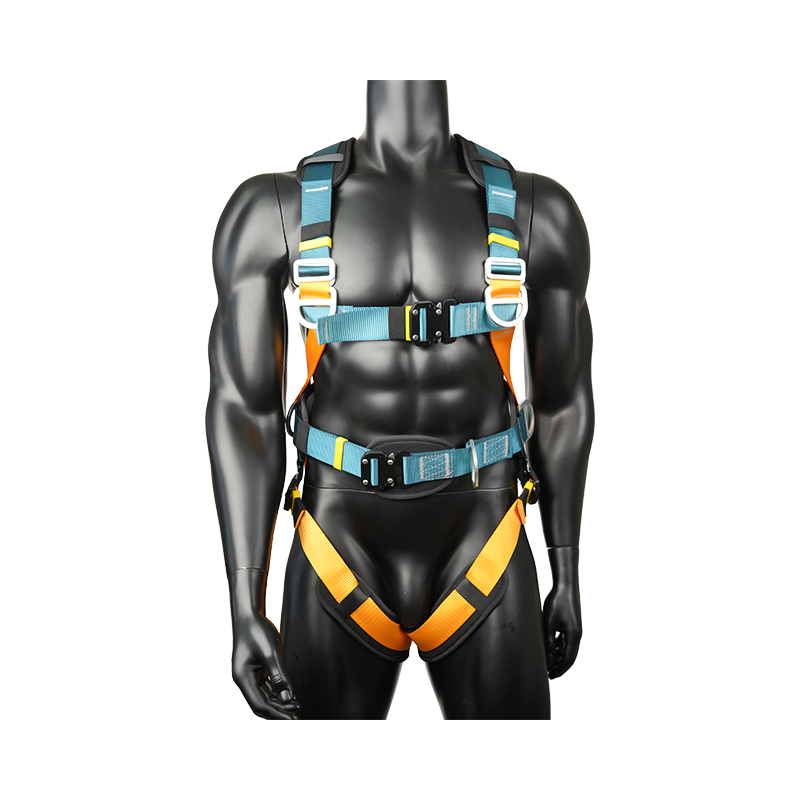
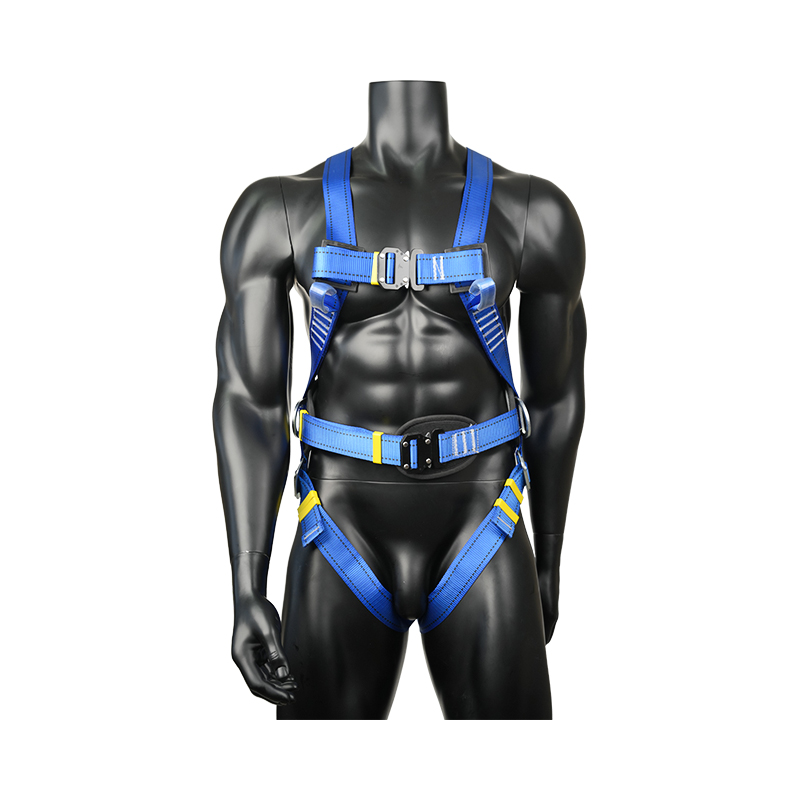
Body belts are illegal for fall arrest under OSHA. Only a full-body harness with a dorsal D-ring is permitted. Harnesses differ substantially by application. A construction harness with multiple D-rings and waist padding is not the same as a lightweight tower climbing harness. Selecting the correct safety harness means matching the D-ring configuration—dorsal, chest, side, and shoulder—to the actual work position and rescue plan. A harness suspended in a post-fall posture turns into a race against orthostatic intolerance, so built-in trauma straps or suspension relief systems are no longer optional extras.
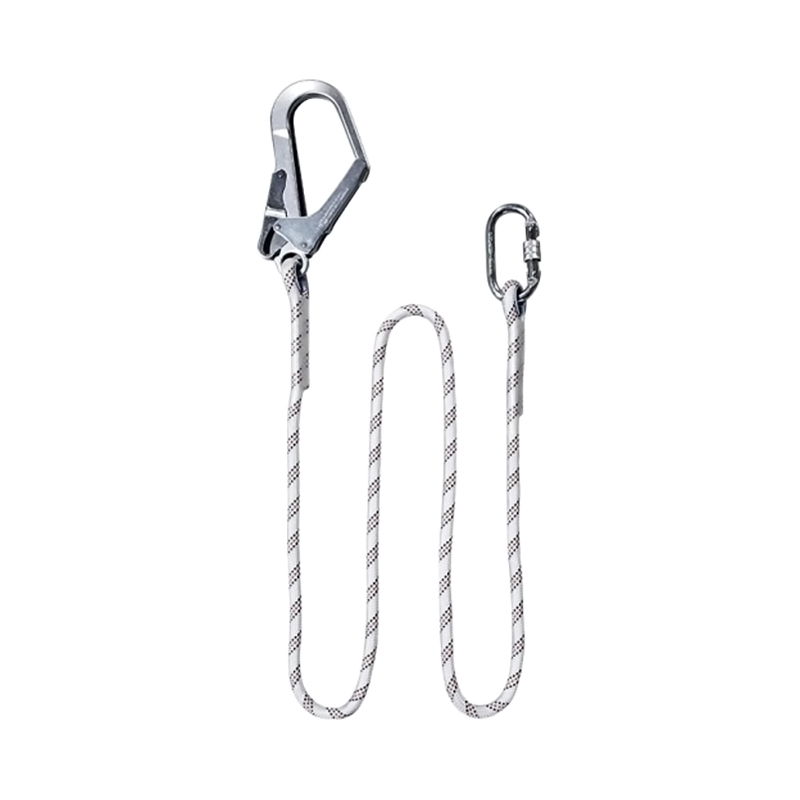
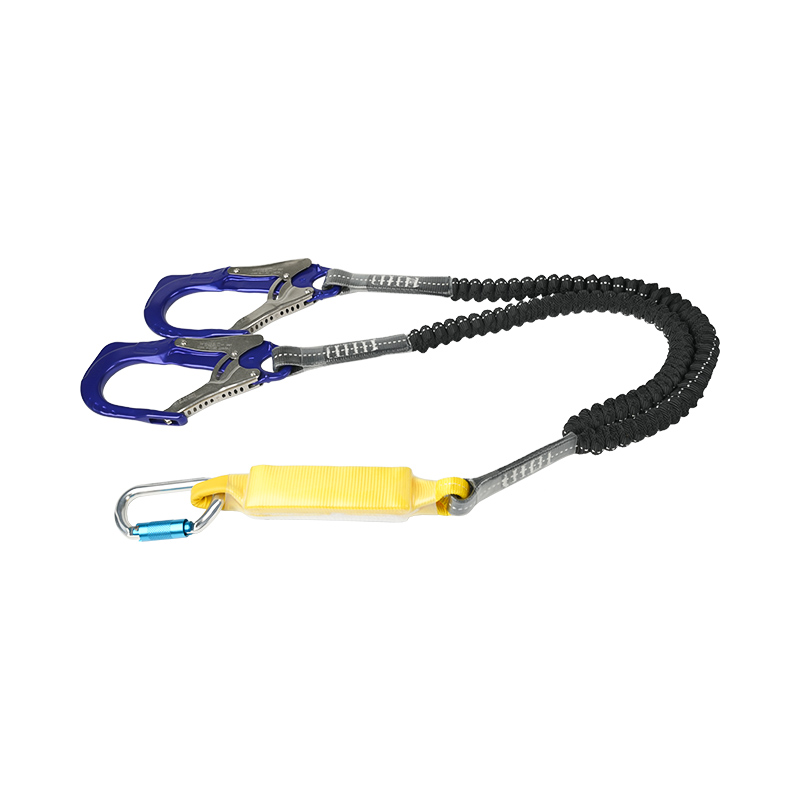
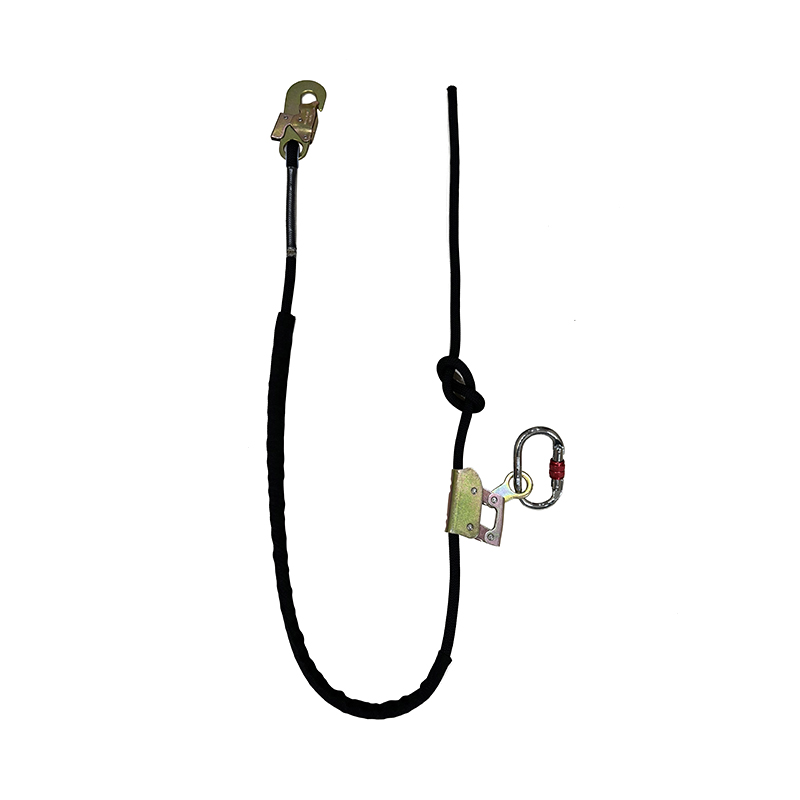
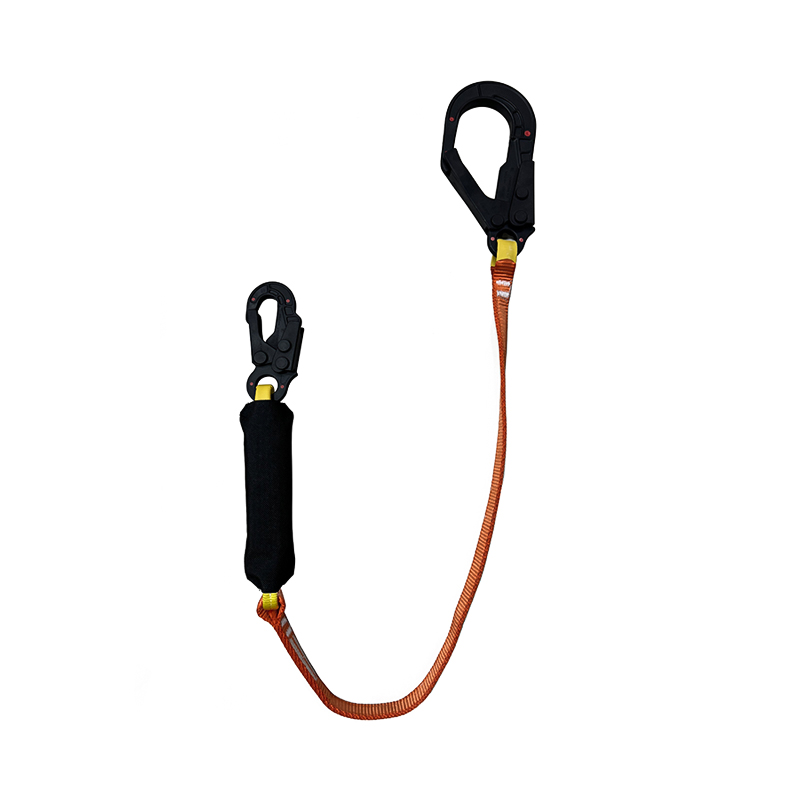
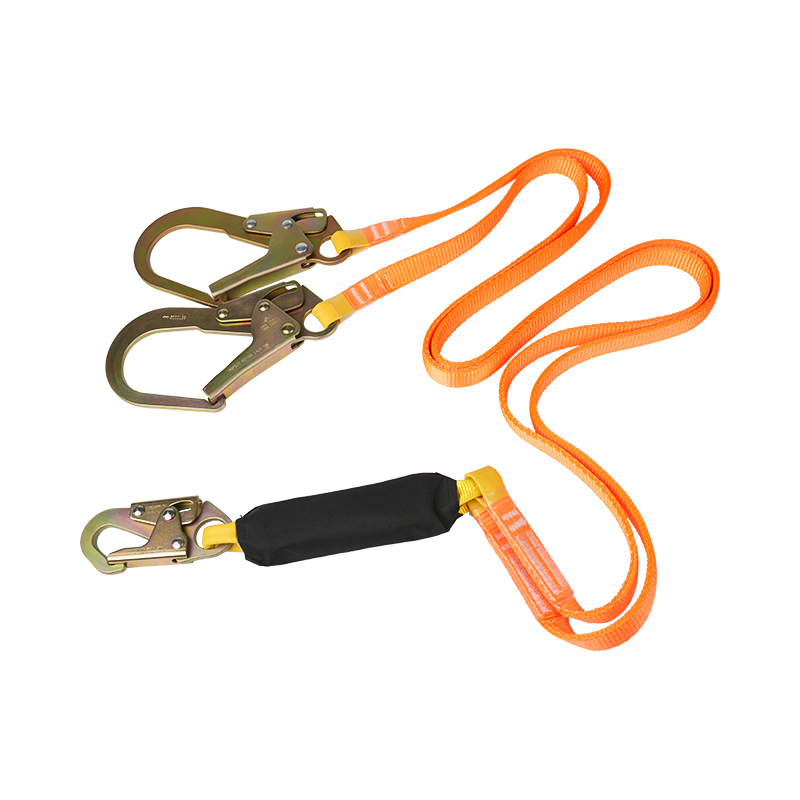
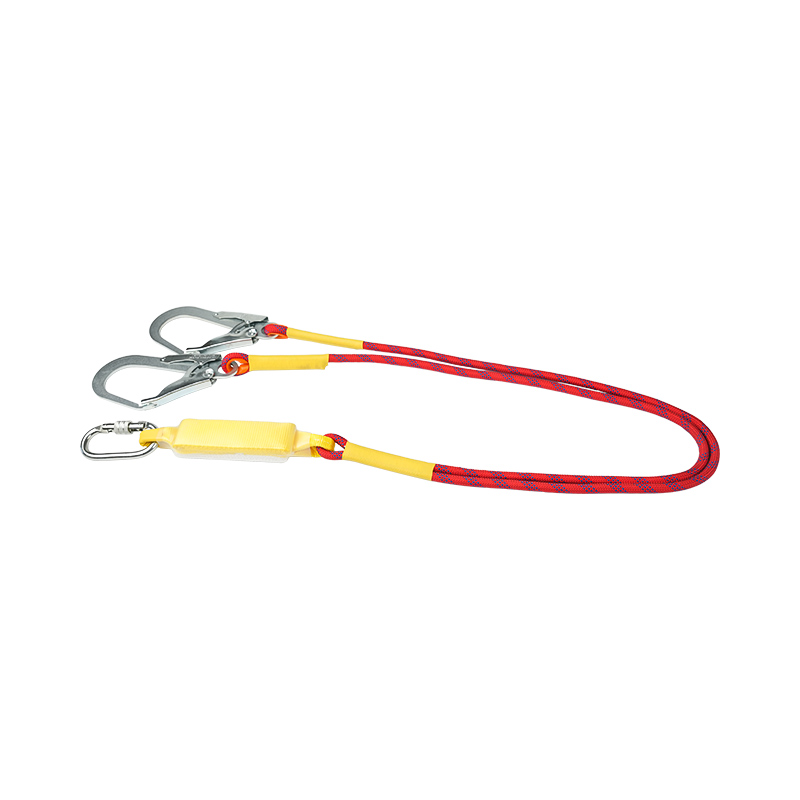
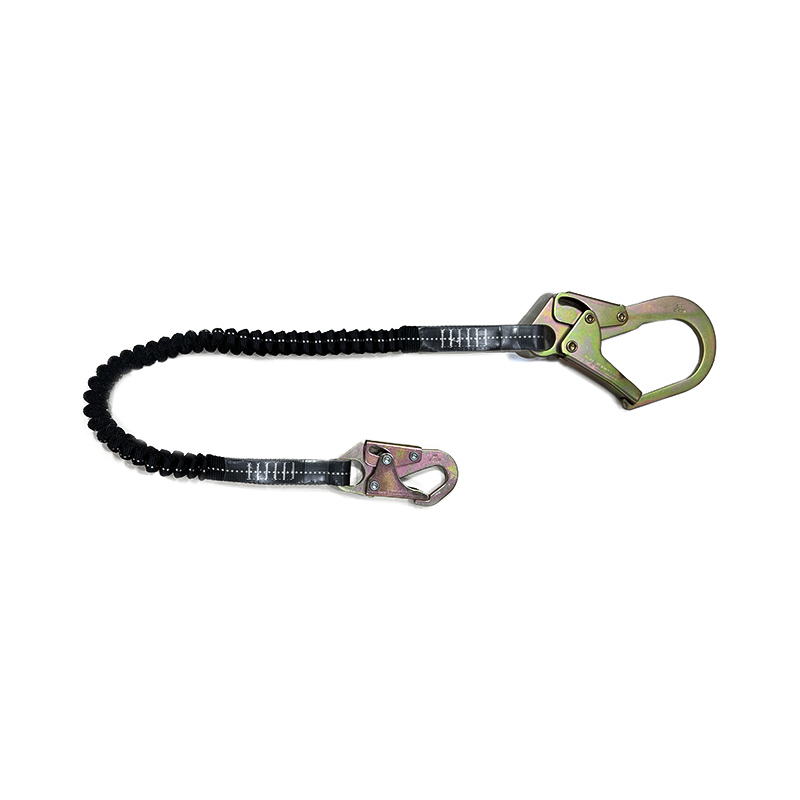
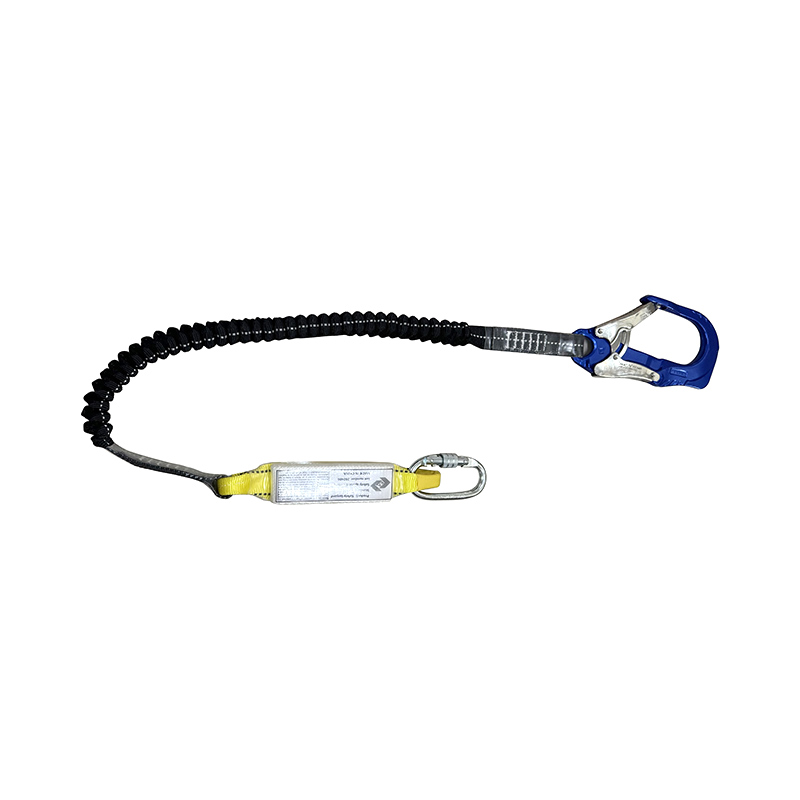
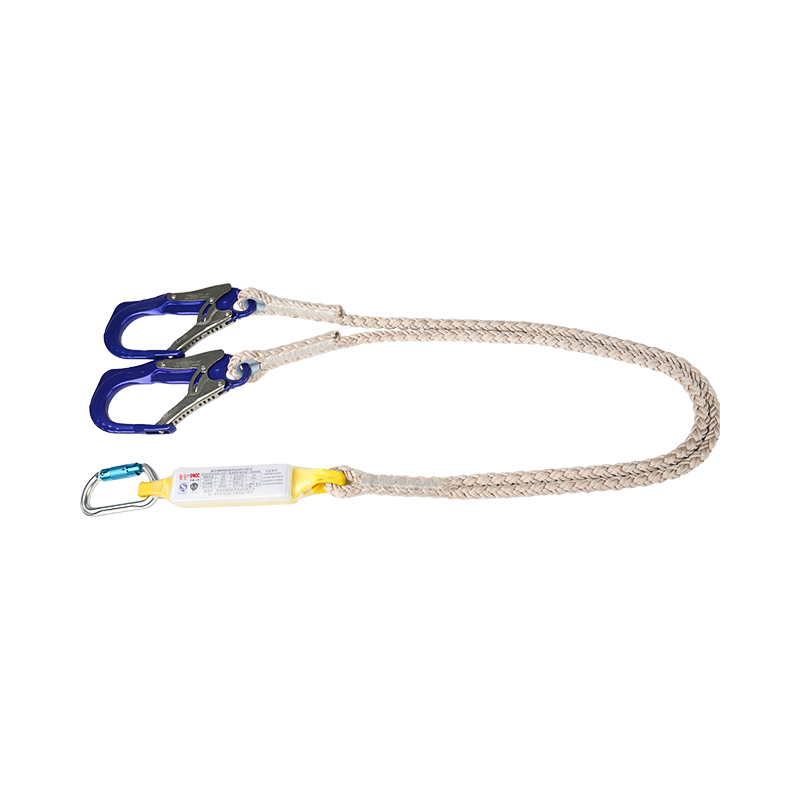
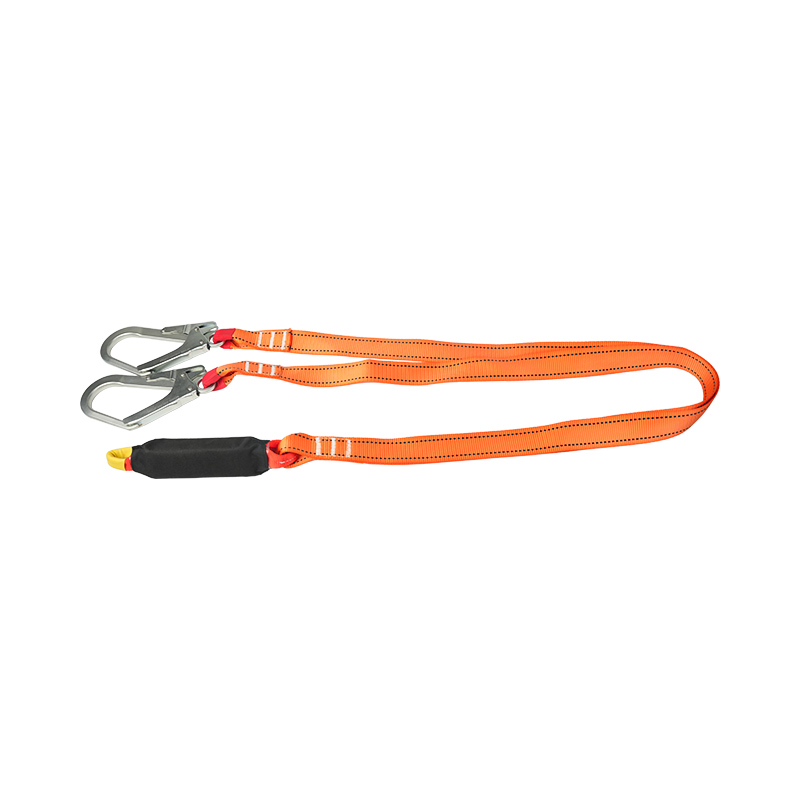
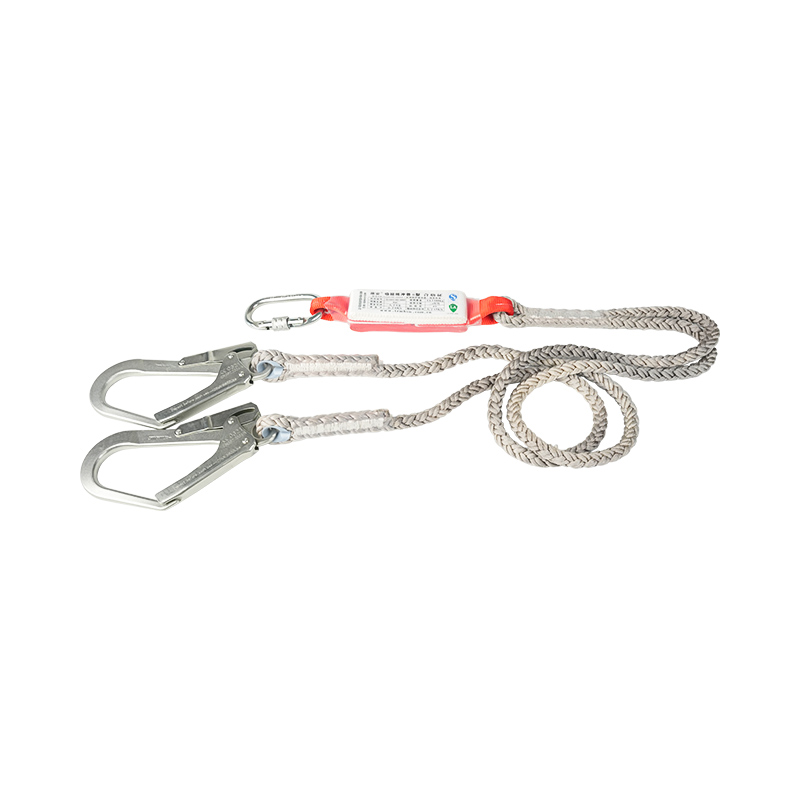
The connector links the harness to the anchor. Shock-absorbing lanyards must limit arrest forces to 1,800 lbs and prevent the fall from exceeding six feet. Self-retracting lifelines function like a seatbelt, locking during acceleration and minimizing free fall distance. Choosing between them depends on available clearance, edge sharpness, and the presence of swing fall hazards. For example, a 6-foot lanyard requires minimum clearance of about 17.5 feet when the anchor is at foot level. If the roof offers only 10 feet of clearance, an overhead anchor or an SRL becomes mandatory. Understanding lanyard specifications—material type, hook opening size, and the difference between single and twin-leg configurations—is just as critical as the anchor choice.
Warning lines are ropes, wires, or chains supported by stanchions that mark a designated area. Safety monitors are competent persons whose sole job is to watch workers and verbally warn them of fall hazards. Both are considered administrative controls, and OSHA permits them only in very limited circumstances.
For roofing work on low-slope roofs (pitch 4:12 or less), warning lines can be set back at least six feet from the edge. Combined with a safety monitor, this allows work without a PFAS—but only for crews performing temporary, short-duration tasks. The monitor cannot perform any other duty. If the roof pitch exceeds 4:12, or the work is near unprotected edges that the warning line does not fully enclose, this administrative allowance disappears. Too many crews see the orange ropes and treat them as a substitute for guardrails. They are not. A warning line never physically stops a fall.
Selection starts with a written fall protection plan that inventories hazards, evaluates feasibility, and documents system choices. No single chart covers every variable, but the matrix below captures the most common industry scenarios and the systems that align with them.
| Job Scenario | Recommended System | Avoid / Use with Caution |
|---|---|---|
| Flat rooftop maintenance (regular HVAC access) | Perimeter guardrail | Warning lines alone; guardrails eliminate recurrent exposure |
| Residential roof replacement (steep pitch) | Personal fall arrest with temporary roof anchor | Safety monitors; pitch exceeds OSHA administrative limit |
| Bridge deck forming (leading edge) | Safety nets plus PFAS | Guardrails only; moving leading edges constantly change the hazard zone |
| Telecom tower climbing | PFAS with twin-leg shock-absorbing lanyard and positioning belt | Single lanyard; need 100% tie-off during transitions |
| Warehouse order picking in racks | Travel restraint or SRL on a rigid rail | General-purpose PFAS without overhead anchor; standard lanyards create swing fall |
The decision is rarely about cost alone. A guardrail system may carry a higher upfront installation expense, but it eliminates the ongoing training, daily inspection, and equipment replacement costs that a PFAS-based program accumulates year after year. For permanent work areas, passive systems usually deliver a lower total cost of ownership. For temporary, frequently changing sites, personal protective equipment offers the practical flexibility that static systems cannot provide.
Every piece of fall protection gear comes with an expiration date driven by use and environmental exposure, not just calendar days. A harness that spent five years in a climate-controlled warehouse is not in the same condition as one exposed weekly to welding sparks and UV radiation. A formal inspection program has three tiers.
Common red flags include frayed stitching in the harness load indicators, a hook gate that no longer snaps shut automatically, and an energy absorber pack that is torn or visibly elongated. If in doubt, treat the equipment as failed. The replacement cost of a lanyard is negligible next to the consequence of a worker falling on compromised gear.

San Ye Road, Si Xiang Sub-district, Hai Ling District, Tai Zhou City, Jiang Su Province, China

+86 151-5262-8620
Copyright @ Taizhou KA Protection Products Co., Ltd. All Rights Reserved



 English
 Español
 عربى
عربى