Content
A structural steel connector might climb, crouch, and pivot across beams 200 times in a single shift. Each movement scrapes the harness against rough edges, bolt heads, and welding spatter. The wrong harness wears through in three months. The right one lasts two years. That difference defines a purchasing decision for every ironworker and contractor buying fall protection equipment.
This guide cuts through brand marketing to examine what actually matters: wear resistance at friction points, D-ring placement for tool access, and compliance documentation that holds up during an OSHA inspection. You will find a direct comparison of three widely used harnesses, a job-type selection matrix, and a practical look at how OEM customization can deliver equivalent safety ratings at 20-30% below branded retail prices.
Steelwork punishes equipment. Choosing a harness means matching the specific demands of connecting, welding, or rebar placement to the right set of features—not just picking the most expensive model on the shelf.
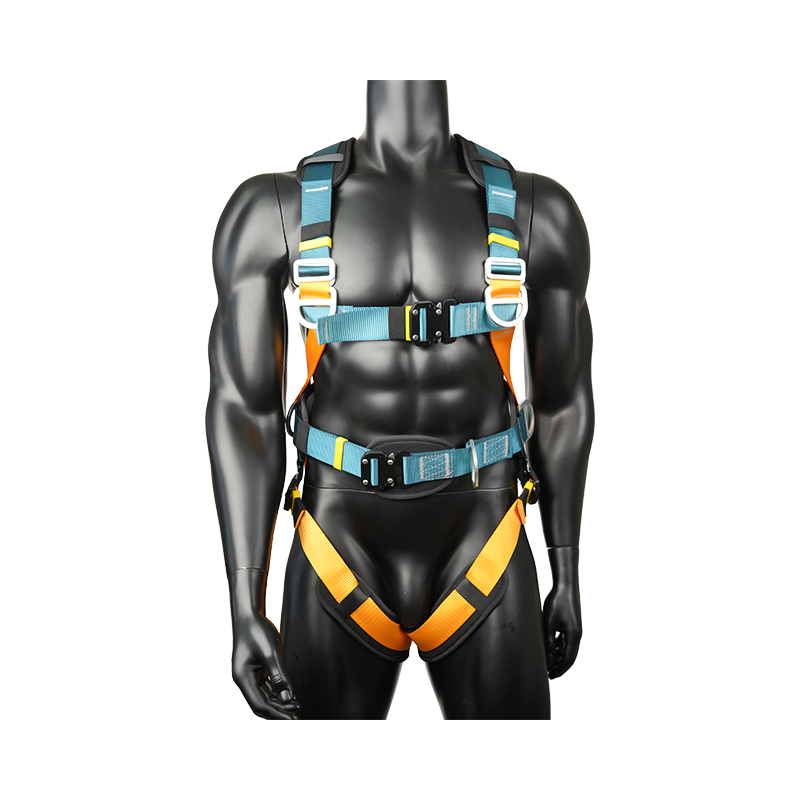
A general-purpose construction harness and an ironworker-specific harness share the same ANSI certification label. The difference appears after 90 days on the job. Standard harnesses prioritize basic fall arrest. Ironworker harnesses must also survive constant abrasion against structural steel, resist Molten metal splash, and keep tool belts accessible while the wearer straddles a 12-inch beam at height.
Five factors separate ironworker-rated harnesses from general-use alternatives:
Contractors who issue general harnesses to ironworkers typically replace them twice as often. The cost of frequent replacement, combined with productivity loss from uncomfortable gear, quickly exceeds the price premium of a purpose-built ironworker full-body safety harness.
Field feedback from Reddit's r/Ironworker community and multiple contractor procurement forums converges on three harnesses that dominate jobsite discussions: the DBI-SALA ExoFit Iron Worker, the FallTech FT-Iron, and Klein Tools' full-body harness lineup. Each serves a different priority—maximum tool capacity, lightweight durability, or budget-conscious reliability.
The table below distills specifications that matter during actual steel erection work, not catalog browsing:
| Feature | DBI-SALA ExoFit Iron Worker | FallTech FT-Iron | Klein Tools Full-Body |
|---|---|---|---|
| Weight (approx.) | 6.2 lbs | 5.1 lbs | 5.8 lbs |
| D-Ring Count | 5 (1 dorsal, 2 side, 2 front) | 4 (1 dorsal, 2 side, 1 front) | 3 (1 dorsal, 2 side) |
| Webbing Material | Tubular nylon over polyester core | Polyester with abrasion overlays | Polyester, reinforced stitching |
| Buckle Type | Quick-connect aluminum | Quick-connect alloy steel | Tongue buckle / quick-connect (model-dependent) |
| Tool Carrying | Integrated belt loops, accessory D-rings | Accessory loops on waist | Limited; waist belt optional |
| ANSI Certification | Z359.11-2014 | Z359.11-2014 | Z359.11-2014 |
| Price Range (USD) | $320 – $390 | $240 – $310 | $180 – $260 |
| Best For | Connectors carrying multiple tools all day | Welders and general steel erection | Budget-constrained crews; backup harnesses |
The ExoFit's five D-rings justify its weight for connectors who need side positioning anchors and front attachment points for climbing lanyards. The FT-Iron strips weight without sacrificing the abrasion overlays that welders need at chest level. Klein competes on price—its harness meets the same ANSI standard, but users report faster webbing wear on the leg straps when used daily on structural steel.
No single harness wins across all categories. A connector working 50 hours weekly on beam erection benefits from the ExoFit's tool integration. A welder who removes the harness between passes may prefer the lighter FT-Iron. For companies equipping large crews, pairing Klein harnesses with a rigorous inspection schedule and a shorter replacement cycle can control costs effectively.
Beyond brand preference, certain design elements directly determine how well a harness performs during typical ironworker tasks—connecting beams, walking steel, tying rebar, and positioning for welds. Each feature addresses a specific jobsite friction point.
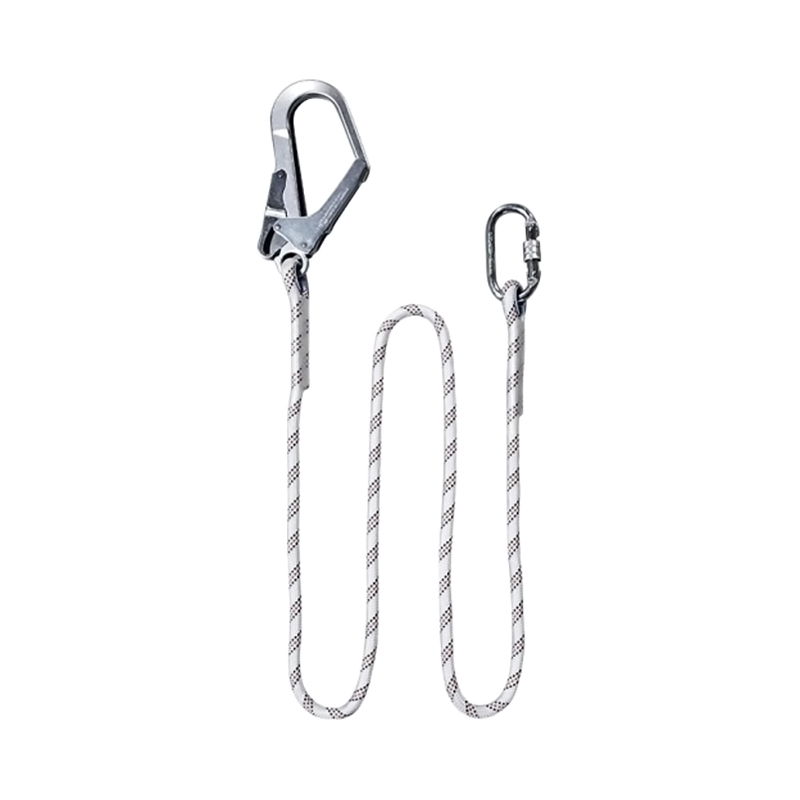
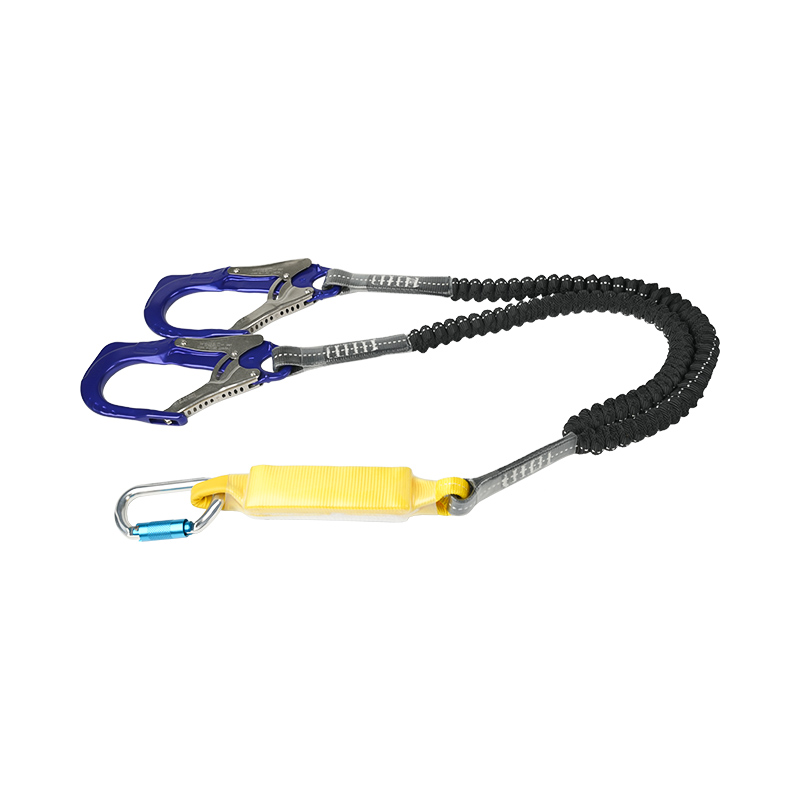
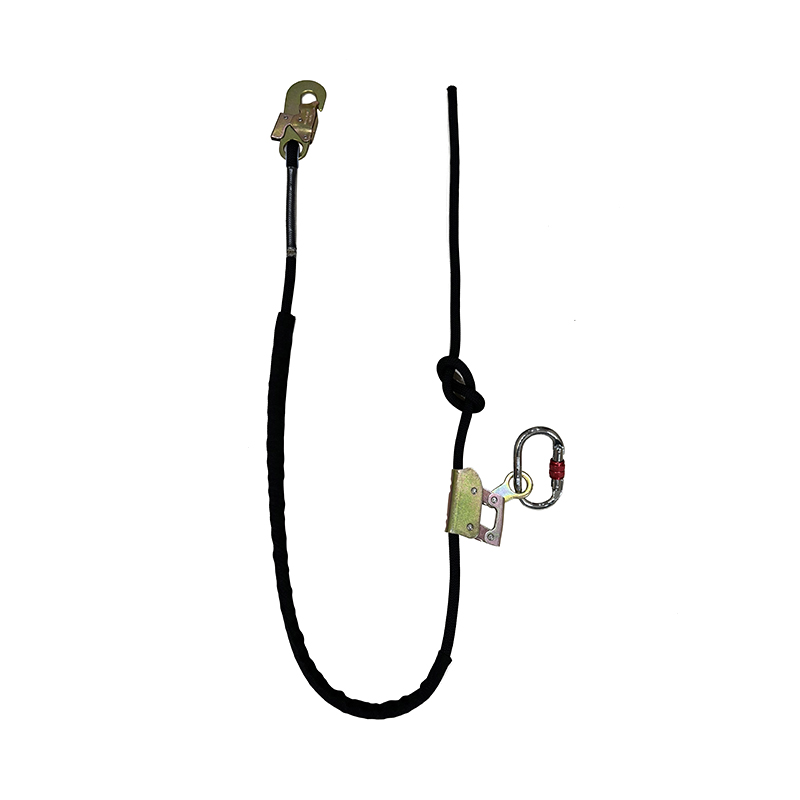
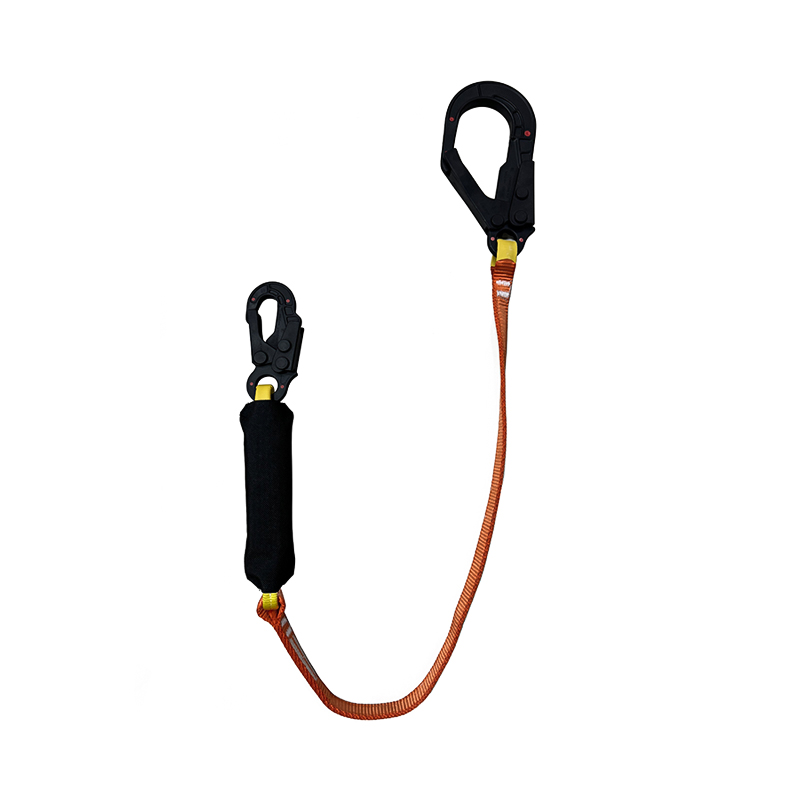
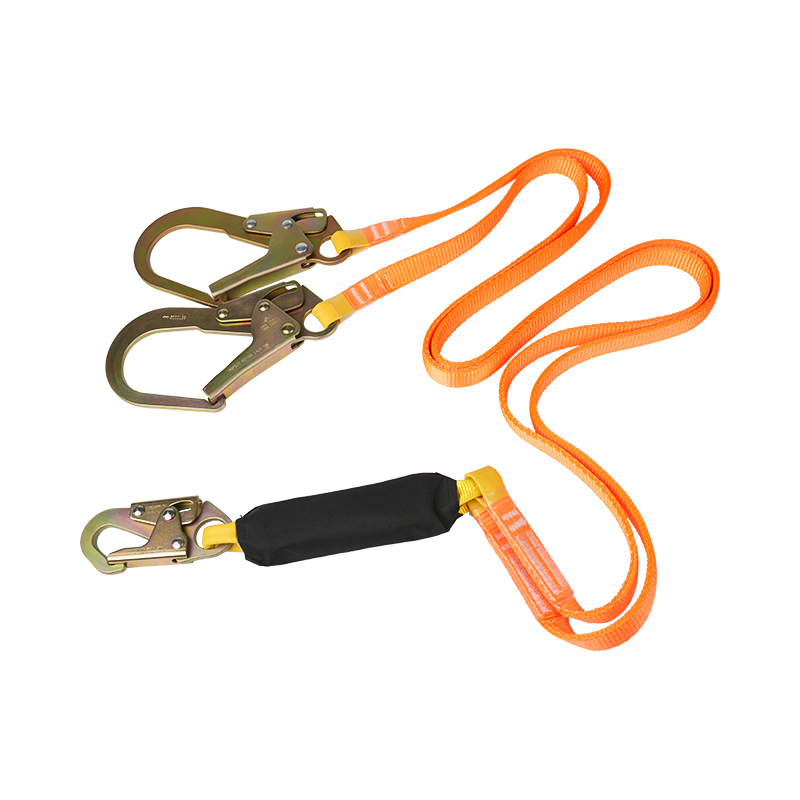
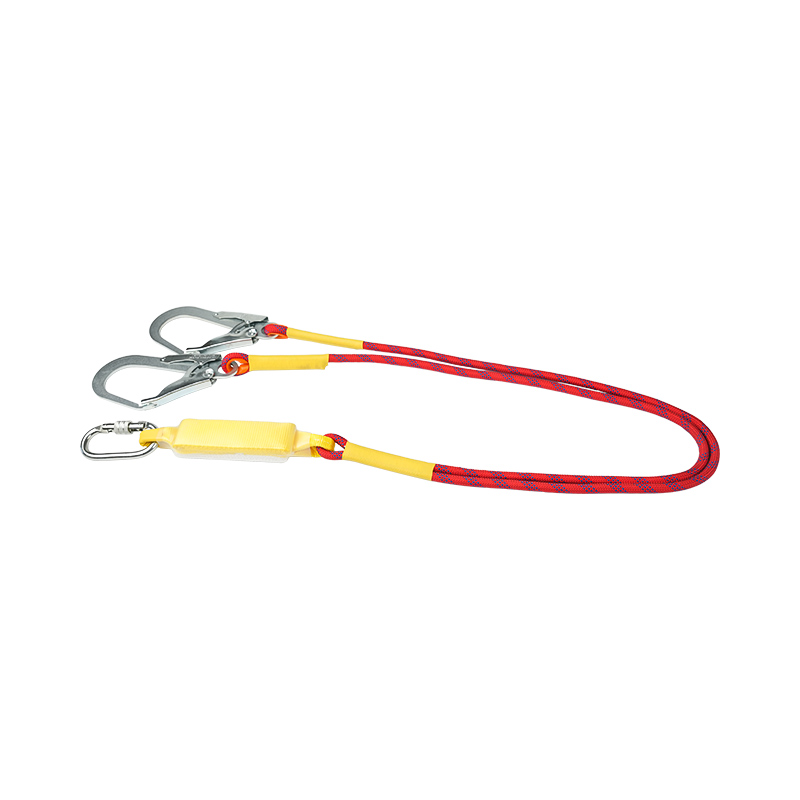
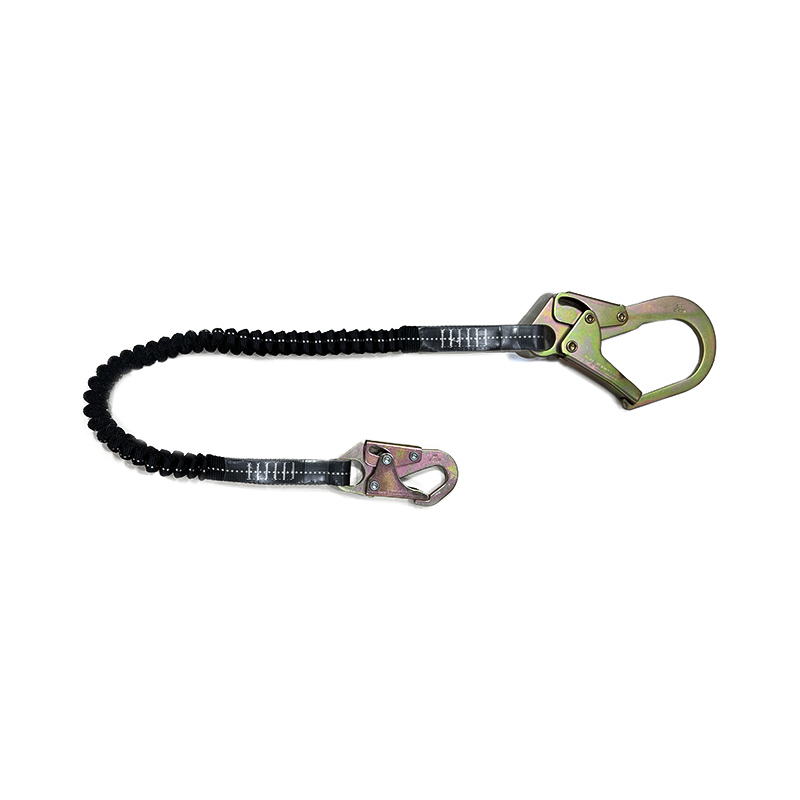
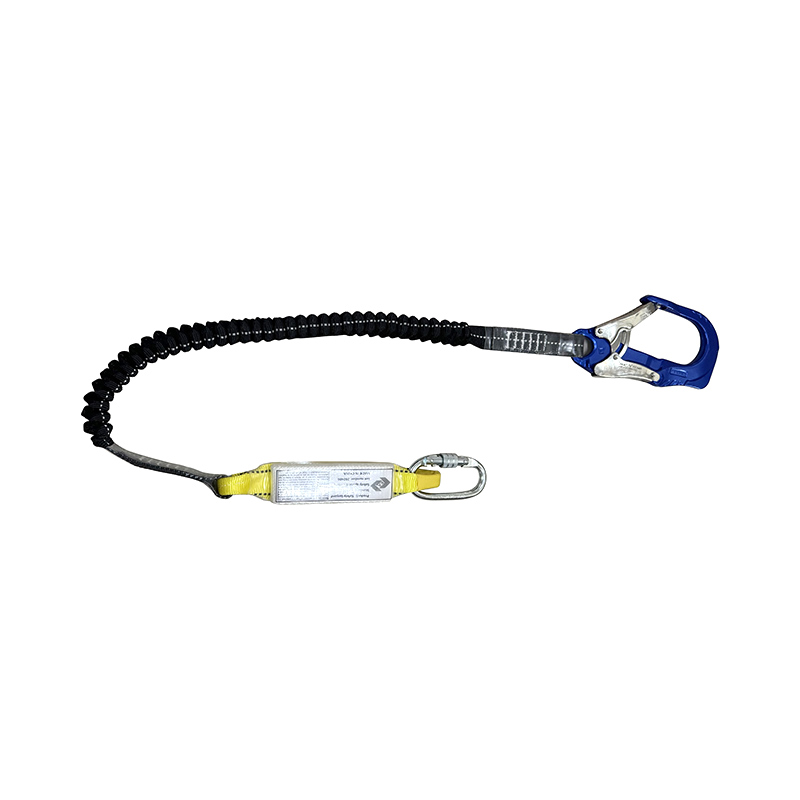
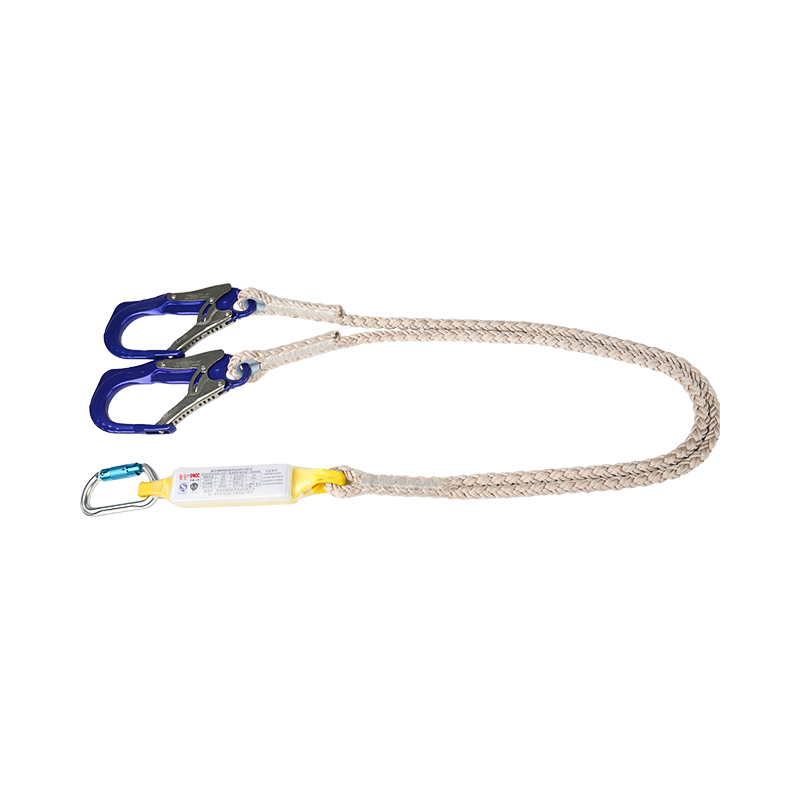
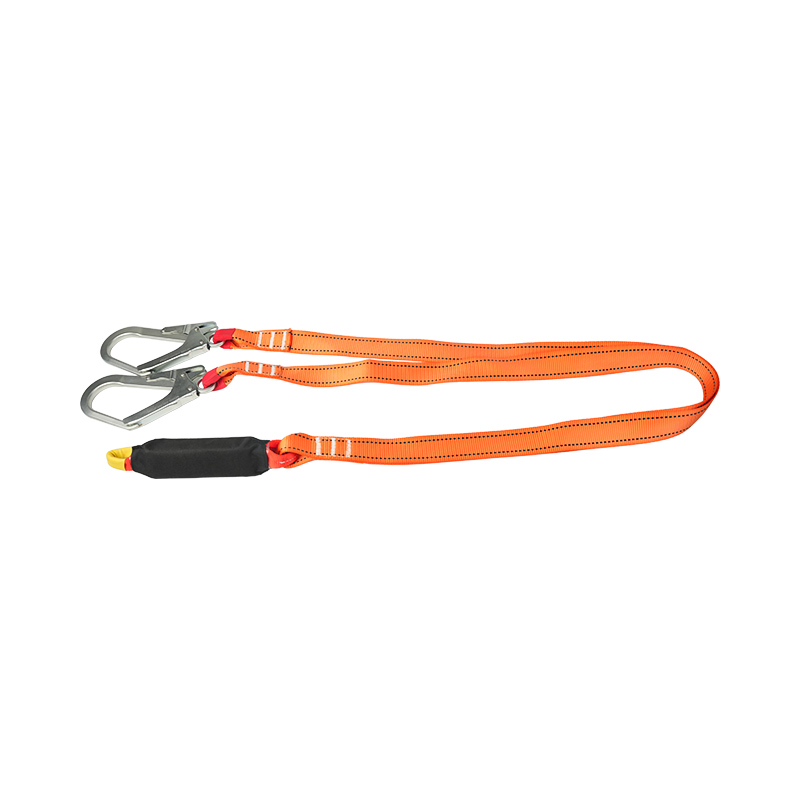
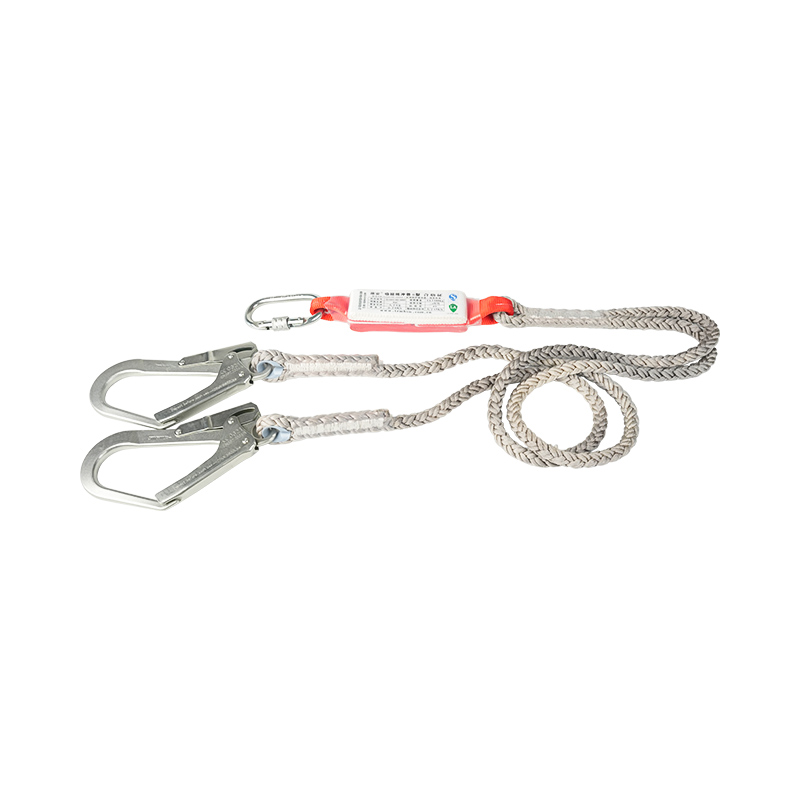
Pairing an ironworker harness with the correct safety lanyard matters equally. A harness rated for 310 lbs capacity needs a lanyard with matching ratings and a compatible shock-absorbing pack. Mismatched components create weak points that OSHA inspectors will flag.
OSHA standard 1926.502 governs fall protection systems on steel erection sites. The key requirement for harnesses: the complete system must limit maximum arresting force to 1,800 lbs and bring the worker to a complete stop within 42 inches of free-fall distance. ANSI Z359.11-2014 defines the testing protocol that proves compliance—including a 3,600-lb gate strength test on all connectors and a dynamic drop test using a 282-lb test weight.
Three steps verify that a harness meets these requirements before it reaches a jobsite:
Steel erection contractors in the US must also comply with Subpart R of OSHA 1926, which contains additional anchorage requirements specific to ironwork. Any anchorage point must support 5,000 lbs per worker attached, or be designed by a qualified person with a safety factor of at least two times the maximum anticipated load. Connecting these anchorages to the harness requires compatible connectors—carabiners must be self-closing, self-locking, and rated for 5,000 lbs minimum tensile load.
Job function dictates harness priorities more than any other variable. A connector who spends eight hours walking beams, throwing bolts, and repositioning needs tool access and multiple anchor points. A rebar worker who ties at waist level on bridge decks needs lightweight construction and minimal bulk around the torso. The matrix below maps three common ironworker roles to realistic budget brackets.
| Job Role | Budget Under $220 | Budget $220–$310 | Budget $310+ |
|---|---|---|---|
| Structural Connector | 5 D-ring harness with quick-release buckles; inspect webbing monthly | FallTech FT-Iron or equivalent; reinforced leg straps, 4+ D-rings | DBI-SALA ExoFit Iron Worker; full tool integration, maximum durability |
| Welder / Fabricator | Klein full-body with removable Kevlar pad kit (aftermarket) | FT-Iron with heat-resistant overlays; separate bolt bag belt | Custom OEM harness with Kevlar-blend chest webbing and removable pads |
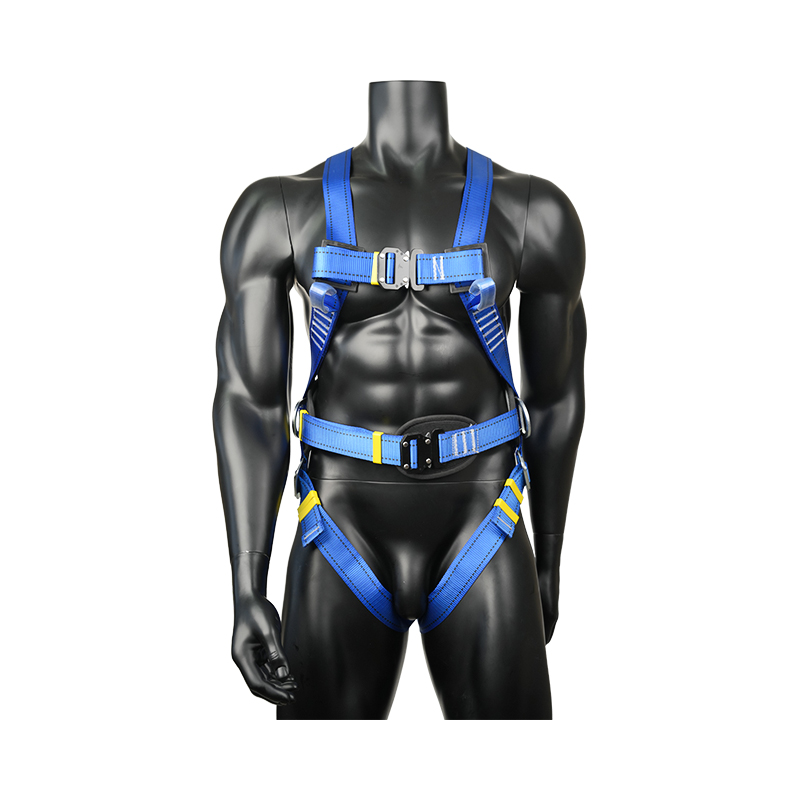
| Rebar / Rod Worker | Standard 3 D-ring harness; focus budget on lightweight lanyard instead | Lightweight polyester harness under 5 lbs; minimal bulk at waist | OEM customized harness with narrow-profile waist and positioning rings only |
The connector's harness sees the most abuse and requires the highest investment. The rebar worker's harness spends most shifts in a single position and benefits more from a lightweight safety harness design than from extra D-rings. Welders sit in the middle—they need heat resistance but not the full tool-carrying capacity of a connector's rig.
For crews rotating through multiple roles, the mid-budget column provides enough versatility to cover most tasks without overpaying for features used only occasionally.
Ironworker harnesses accumulate damage differently than harnesses in other trades. The primary wear vector is abrasion from beam edges and bolt heads—not UV degradation or chemical exposure. This means inspections must focus on specific high-wear zones rather than following a generic checklist.
Five inspection points deserve attention before every shift:
OSHA requires a competent person to inspect harnesses at least annually, with documented results. For ironworker harnesses in daily use, a more practical schedule is: user pre-shift visual check, supervisor monthly inspection, and annual third-party recertification. Harnesses exposed to a fall arrest event must be removed from service immediately regardless of visible condition.
Four conditions trigger mandatory retirement of any ironworker harness:
Branded ironworker harnesses from major manufacturers carry significant markup—typically 40-60% of the retail price goes to distributor margins, brand licensing, and multi-tier supply chain costs. OEM manufacturing bypasses those layers. The same ANSI Z359.11-certified harness, produced in an ISO-audited factory with identical materials and testing protocols, often costs $150-$250 compared to $320-$390 for an equivalent branded product.
Three customization directions make OEM particularly relevant for ironworker crews:
The OEM process follows a straightforward path: submit specifications and quantities, receive a pre-production sample for evaluation, confirm after any adjustments, and take delivery of the full production batch. Minimum order quantities typically start at 100 units. For a 50-person ironworker crew replacing harnesses every two years, that threshold is easily met through consolidated ordering.
For crews evaluating custom safety harness options, begin by auditing current harness failure patterns. If leg straps wear out first, prioritize abrasion-resistant webbing. If D-rings are never used, eliminate them and reduce both weight and cost. OEM manufacturing turns these observations into production specifications—not requests for expensive post-purchase modifications.

San Ye Road, Si Xiang Sub-district, Hai Ling District, Tai Zhou City, Jiang Su Province, China

+86 151-5262-8620
Copyright @ Taizhou KA Protection Products Co., Ltd. All Rights Reserved



 English
 Español
 عربى
عربى