Content
Building a high-margin PPE brand starts with one strategic decision: stop selling commodity products and start offering custom fall protection gear. Distributors and safety equipment resellers who move into customized harnesses, lanyards, and lifeline systems consistently command price premiums of 30% to 80% over standard catalog items — because buyers are purchasing a branded solution engineered for their specific worksite, not a generic product sourced from the nearest wholesaler.
This guide walks through exactly how to build that kind of brand: from choosing the right OEM manufacturing partner and defining your product line, to pricing strategy, certification requirements, and the go-to-market approach that turns first-time buyers into long-term accounts.
The global fall protection equipment market is projected to surpass USD 4.5 billion by 2030, driven by stricter OSHA and EN regulations, rising construction activity in emerging markets, and growing awareness of workplace fatality costs. Despite this scale, the market is structurally fragmented: most end-users — construction firms, utility contractors, wind energy operators, telecom tower crews — buy through regional safety distributors who often carry dozens of undifferentiated SKUs.
This fragmentation creates a clear opening. Buyers with complex or recurring needs — industrial maintenance contractors, scaffolding companies, large-scale infrastructure developers — are actively looking for supply partners who can deliver branded, consistent product with documentation that passes jobsite compliance audits. Custom PPE fills that need better than off-the-shelf alternatives.
Understanding who you are selling to shapes every product and pricing decision:
Custom manufacturing serves all three tiers, but the value proposition differs. For Tier 1, customization signals accountability. For Tier 2, it protects margin. For Tier 3, it simplifies asset management. Position your brand message accordingly for each channel.
Your manufacturing partner is the foundation of your brand's margin and quality story. The wrong factory turns every customer complaint into a liability. The right one becomes a competitive moat. When evaluating custom PPE manufacturers, apply these criteria rigorously:
Fall protection products sold into North American markets must comply with ANSI/ASSE Z359 standards. European markets require CE marking under the Personal Protective Equipment Regulation (EU) 2016/425, with EN 361 for harnesses and EN 354/355 for lanyards. Confirm that your manufacturer holds current certificates for the specific product categories you intend to brand — not just a generic ISO 9001 certificate, but product-specific third-party test reports from recognized bodies.
Superficial customization — adding a logo patch — does not support premium pricing. Real margin comes from deeper product differentiation:
Factories with in-house weaving, dyeing, and hardware fabrication lines can execute these specifications without relying on subcontractors, which reduces lead times and quality variation between batches.
Established manufacturers who work with multiple brands often offer MOQs as low as 100–200 units per SKU for custom-specification products, particularly when the customization is applied at the finishing stage rather than the raw material stage. This allows a new brand to test market reception without committing to large inventory positions. Negotiate staged production agreements: an initial sample run, a pilot batch for market testing, then a scaled production run once demand is validated.
Margin in PPE is not primarily driven by product complexity — it is driven by product architecture. A well-structured line creates natural upsell paths, reduces SKU proliferation, and enables bundle pricing that lifts average order values without requiring additional production investment.
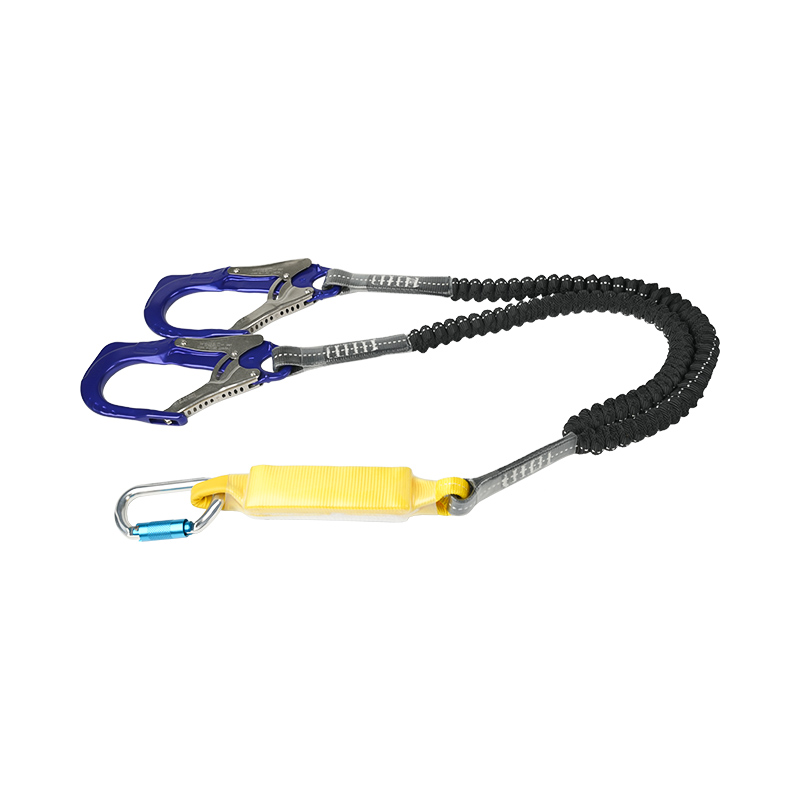
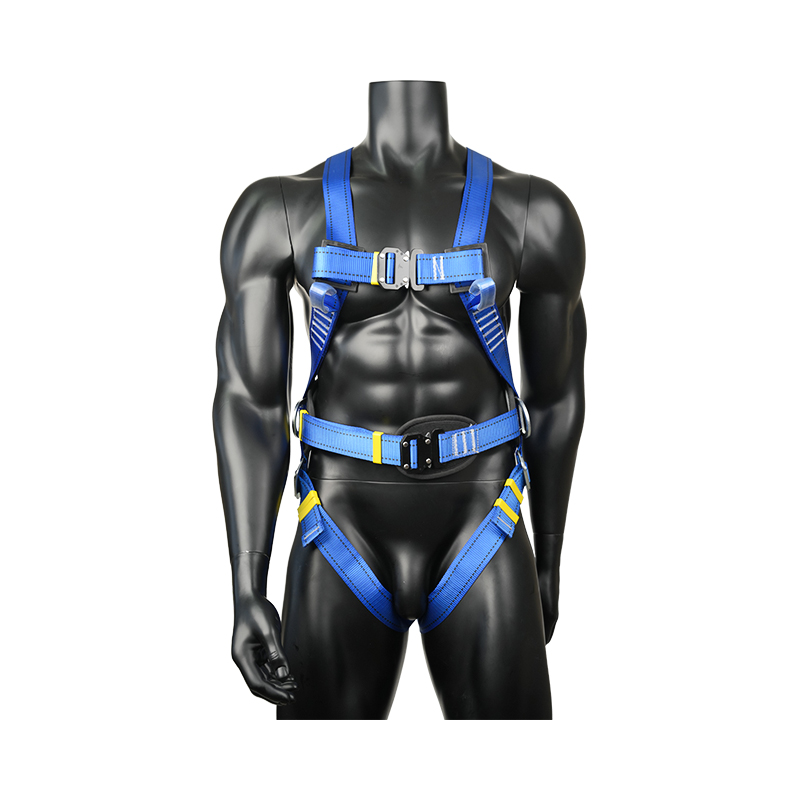
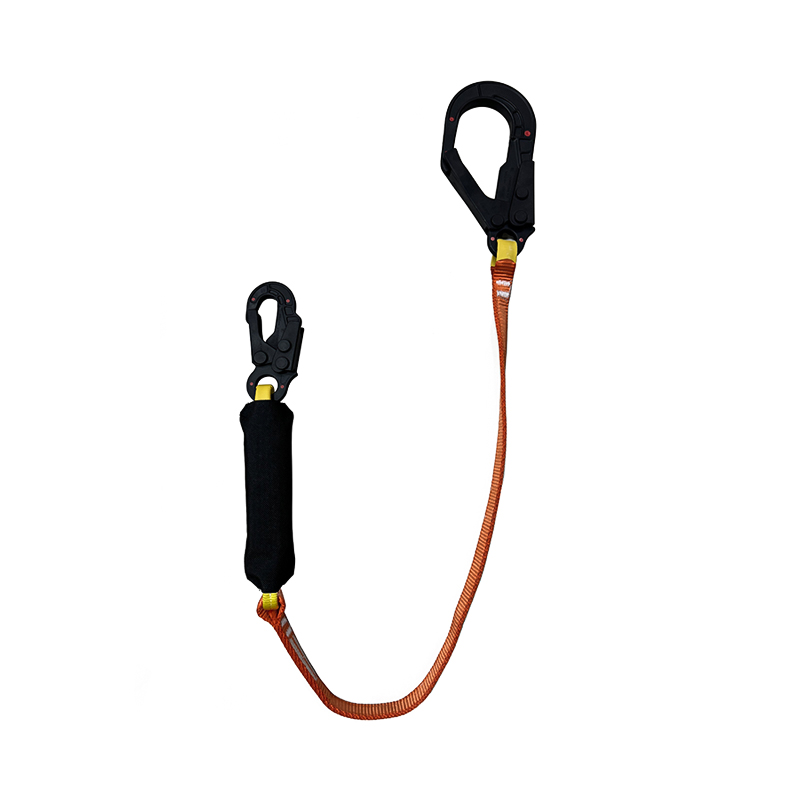
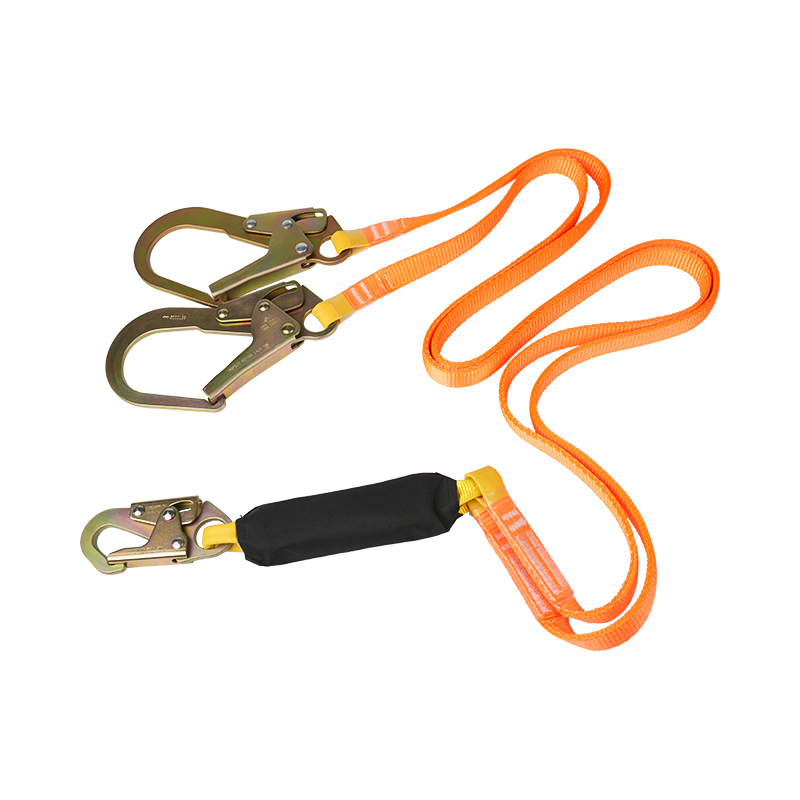
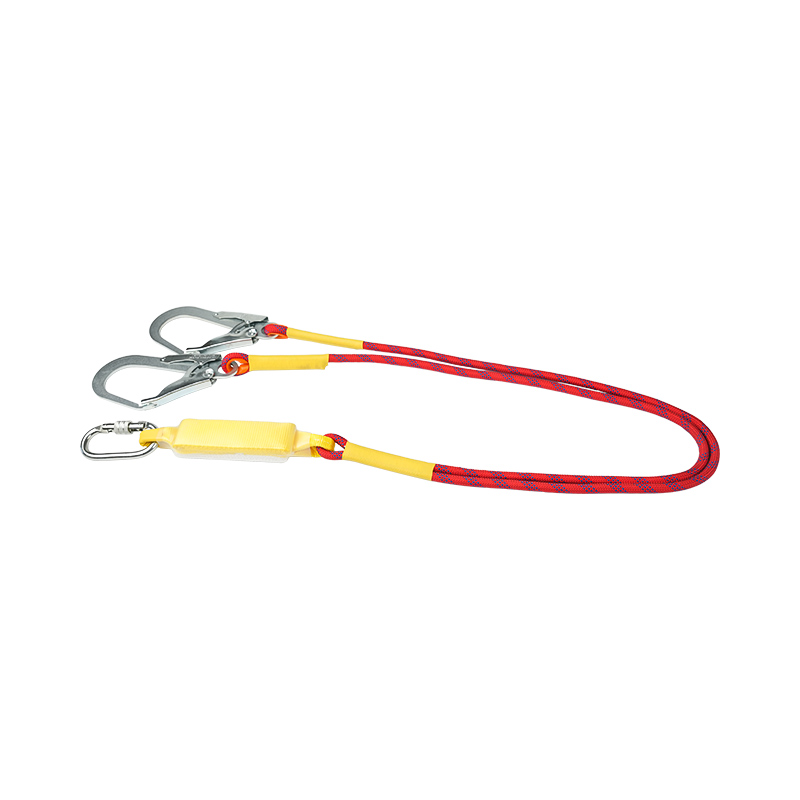
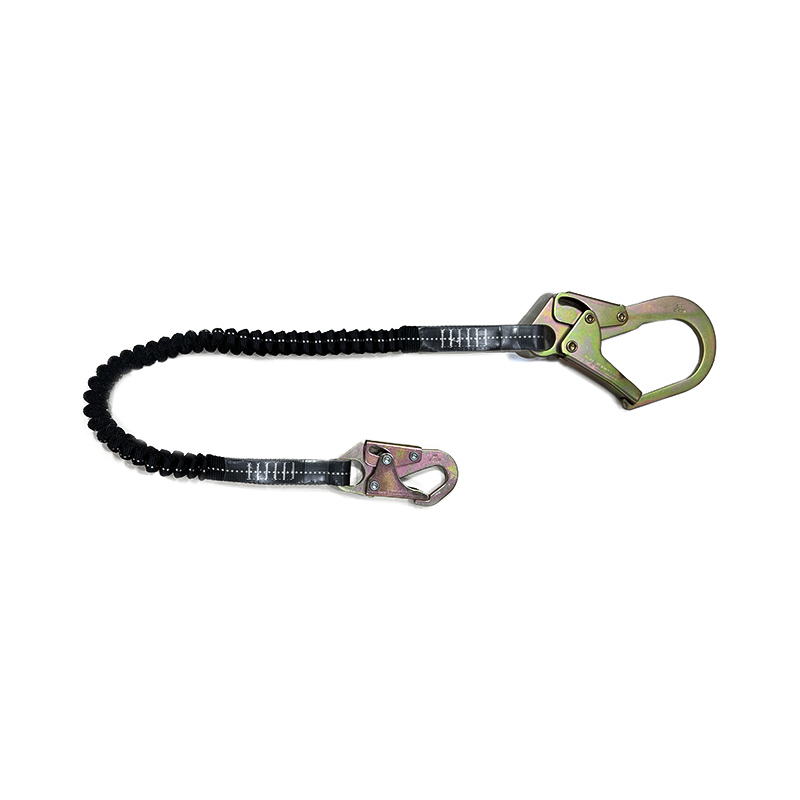
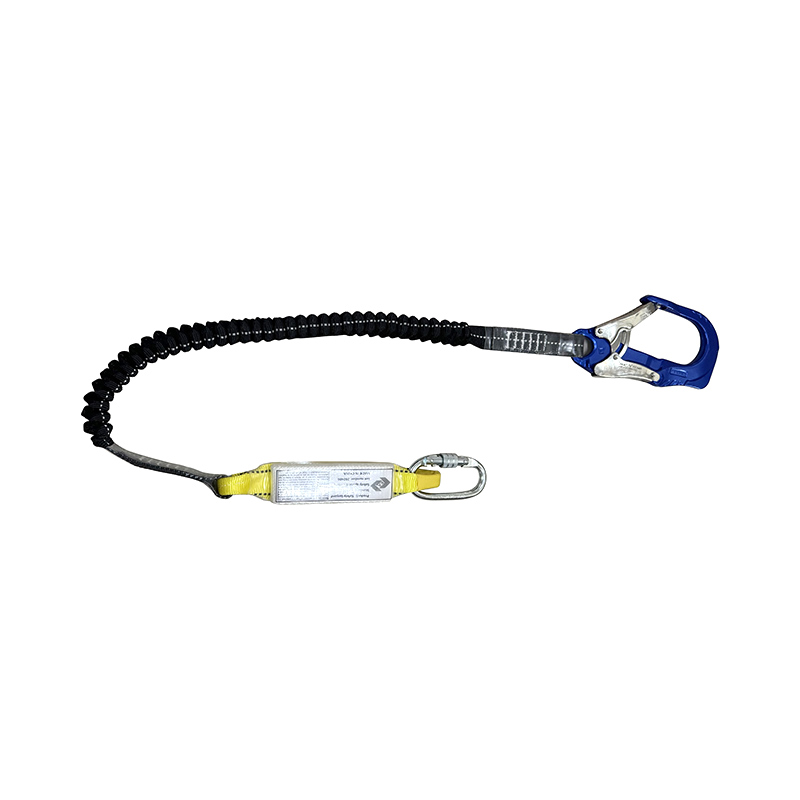
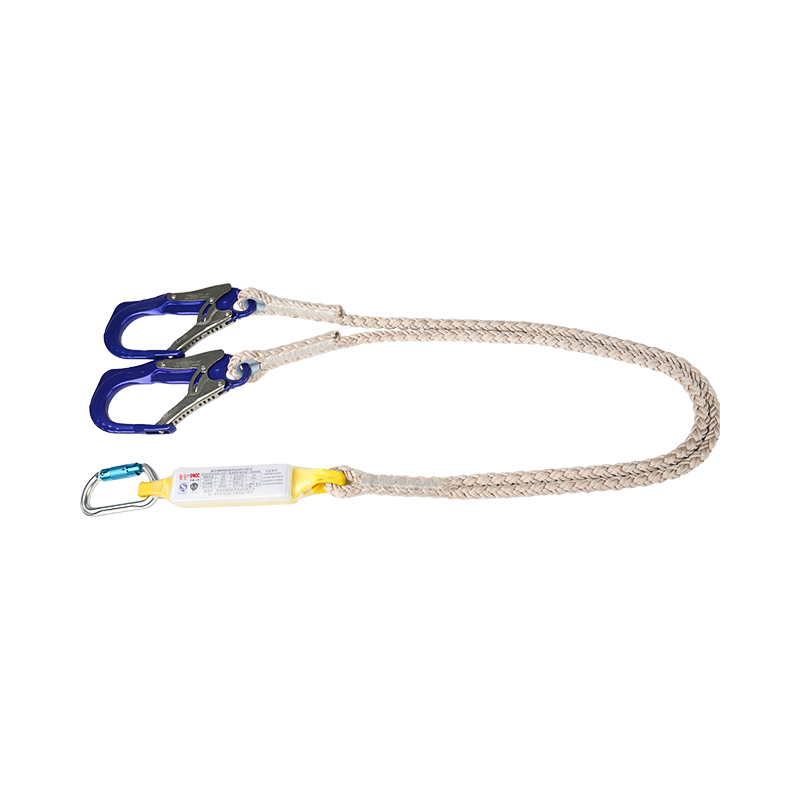
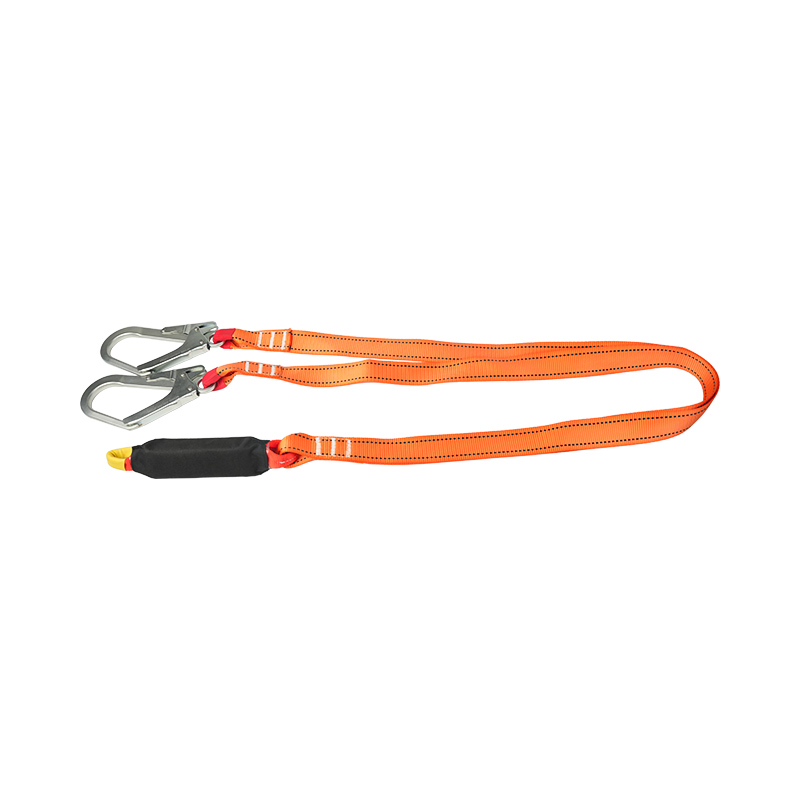
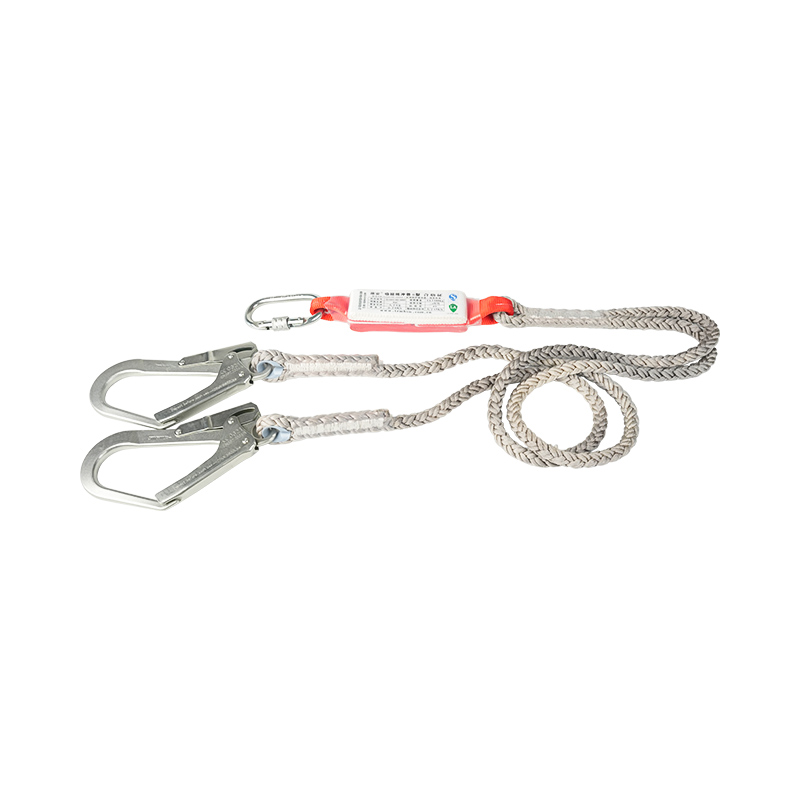
A complete fall protection line for most commercial applications requires three foundational categories:
Generic fall protection brands compete on price. Vertical specialists compete on fit. Consider building product variants optimized for specific end-user environments:
| Industry | Key Product Need | Premium Feature |
|---|---|---|
| Electrical Utilities | Dielectric safety harness and lanyard | Insulated hooks rated to 20kV |
| Wind Energy | Full-body harness with positioning loops | Integrated tool-holding system |
| Construction | Twin-tail lanyard for continuous 100% tie-off | High-visibility webbing colors |
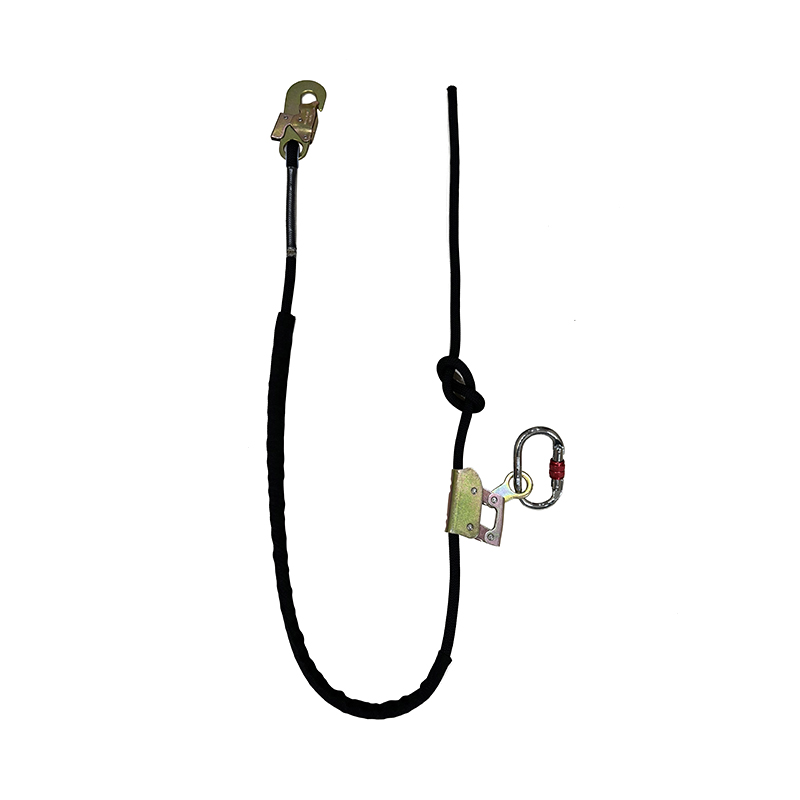
| Telecommunications | Positioning line system | Adjustable length with cam-lock mechanism |
Each vertical entry point allows your brand to develop application-specific marketing material, certifications relevant to that industry's regulatory framework, and relationships with vertical-specific distributors who face less cross-channel price pressure than generalist safety supply companies.
The most common pricing mistake in branded PPE is anchoring price to manufacturing cost rather than to buyer value. A safety harness that prevents a single lost-time injury — which costs an employer an average of USD 38,000 in direct and indirect costs according to U.S. National Safety Council data — is not priced correctly if you are treating it as a $20 commodity with a 40% markup.
Frame pricing conversations around total cost of ownership rather than unit price. A custom harness that includes RFID-enabled inspection tags, a three-year replacement guarantee, and dedicated compliance documentation costs more upfront but eliminates the administrative burden of managing mixed-brand equipment across a large workforce. Procurement managers at mid-size contractors understand this math and will pay accordingly.
If you sell through distributors, protect their margins with a disciplined pricing structure. A workable framework for branded fall protection products:
Never allow internet resellers to list your branded products below MAP (minimum advertised price). Uncontrolled price erosion online destroys distributor relationships faster than any supply chain problem.
No amount of branding investment protects a PPE brand that cannot produce compliance documentation on demand. Fall protection products are life-safety equipment, and buyers at well-managed companies are required to verify that every piece of gear used on their sites carries valid third-party certification. Treat certification not as a cost but as a brand asset.
When working with an experienced OEM/ODM manufacturer, confirm which certificates are currently valid for the specific product designs you intend to brand under your own label. In many cases, factories that have already completed type-examination testing can apply your branding to a certified design, dramatically reducing the time and cost required to enter new markets. The key requirement is that any label or marking change is documented and, in some jurisdictions, notified to the certifying body.
Effective market entry for a branded fall protection line requires parallel execution across three channels: direct to large end-users, through regional safety distributors, and via digital presence for credibility and inbound inquiry generation.
The highest-margin accounts are enterprise buyers with 50 or more field workers using fall protection equipment. These buyers typically run annual procurement cycles and issue requests for quotation. Win this segment by providing what generic brands cannot: a site-specific equipment specification, custom documentation packages (inspection records, serial number tracking, training materials), and a dedicated account contact for reorder and compliance queries.
Identify distributors who service the vertical markets where your product line is differentiated. A dielectric harness line targeting electrical utilities needs distribution through safety suppliers already selling to utility companies — not a generalist industrial supply catalog. Offer distributors: exclusive territory rights for your brand SKUs, co-marketing materials, and training on the compliance and technical advantages of your products over commodity alternatives. A well-trained distributor sales team is the most cost-effective field sales force available to a growing PPE brand.
B2B buyers in safety procurement research vendors online before initiating contact. Your digital presence needs to answer the questions that procurement managers ask during due diligence: What certifications does the product carry? What is the manufacturing traceability process? Can the supplier produce consistent quality across large orders? Content assets that answer these questions — product specification sheets, test report summaries, factory audit documentation, case studies from reference customers — convert website visitors into qualified leads at a higher rate than product photography alone.
For fall protection equipment, quality inconsistency is not a customer service problem — it is a product liability exposure. A branded harness that fails in service traces directly back to the brand owner, regardless of which factory produced it. Implement production quality governance from the first order.
Establish a written pre-shipment inspection checklist covering: webbing tensile strength batch test results, hardware torque testing, label placement and legibility, stitching integrity at critical load points, and packaging completeness. For orders above 500 units, use a third-party inspection service to conduct random sampling before container loading. The cost — typically USD 250–400 per inspection — is negligible compared to the cost of a product recall or a market withdrawal.
Each product unit should carry a unique identifier linking it to a specific production batch, with records of the raw material lots used and the quality tests performed. This is required by EN standards for personal protective equipment and is increasingly expected by large enterprise buyers in North America as well. Factories with structured production management systems can provide batch traceability documentation as a standard deliverable — verify this capability during supplier qualification.
The most common strategic error made by resellers entering branded PPE is launching too broad. A 40-SKU catalog requires marketing support, inventory investment, and compliance documentation across every product variant — resources that a new brand cannot deploy effectively. Instead, launch with three to five core SKUs that address a clearly defined buyer segment, generate proof-of-concept revenue, and accumulate the customer reference cases that accelerate distributor recruitment in subsequent markets.
Once the first product line achieves sustainable sell-through, the investment case for expanding into adjacent categories — positioning lines, rescue systems, safety ropes — becomes straightforward. Each category addition benefits from the brand equity already established, the distributor relationships already built, and the compliance infrastructure already in place.
The brands that achieve durable margin in fall protection PPE are not the ones with the lowest factory costs. They are the ones that have built a combination of product differentiation, compliance credibility, and channel relationships that generic suppliers cannot replicate. That combination starts with a single, well-executed custom product — and a manufacturing partner capable of delivering it consistently at scale.

San Ye Road, Si Xiang Sub-district, Hai Ling District, Tai Zhou City, Jiang Su Province, China

+86 151-5262-8620
Copyright @ Taizhou KA Protection Products Co., Ltd. All Rights Reserved



 English
 Español
 عربى
عربى
