Content
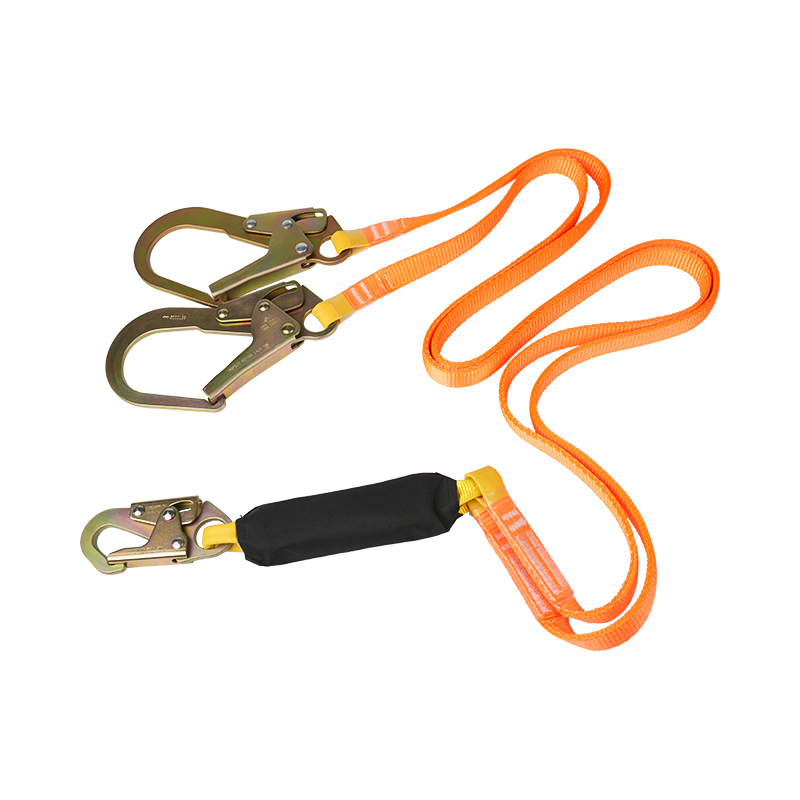
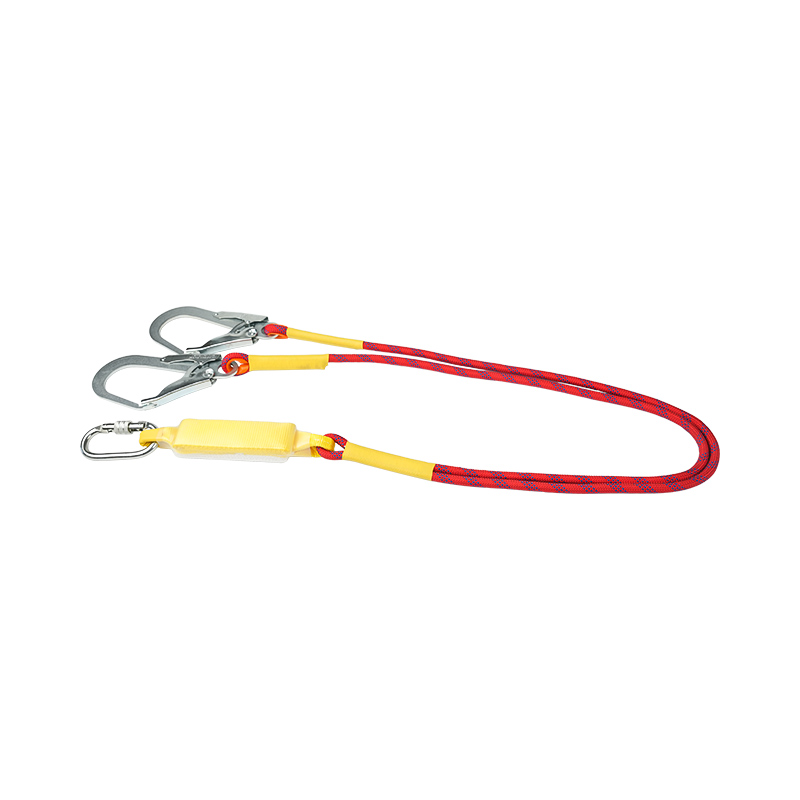
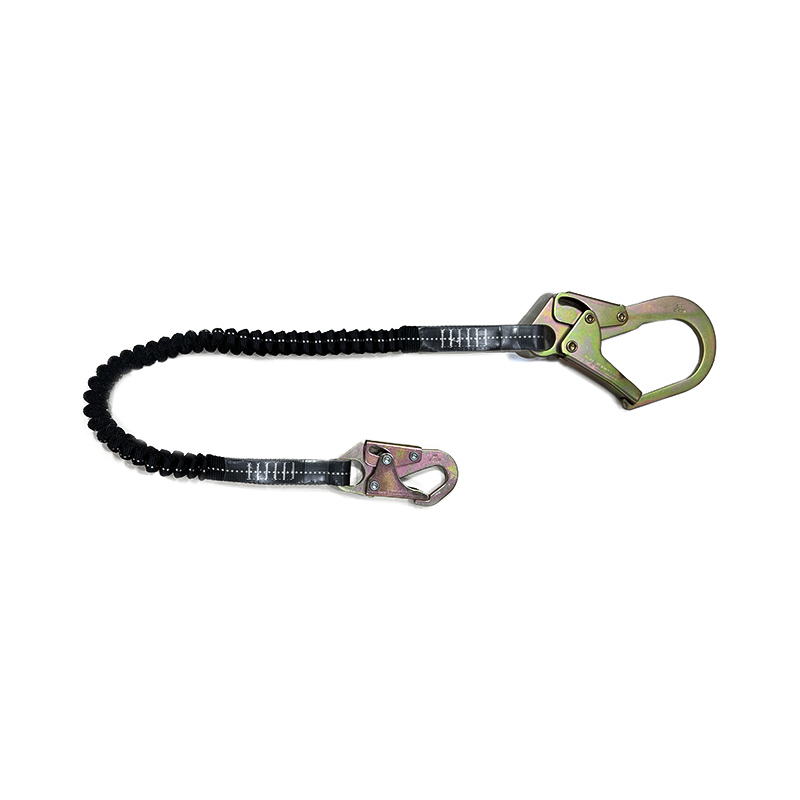
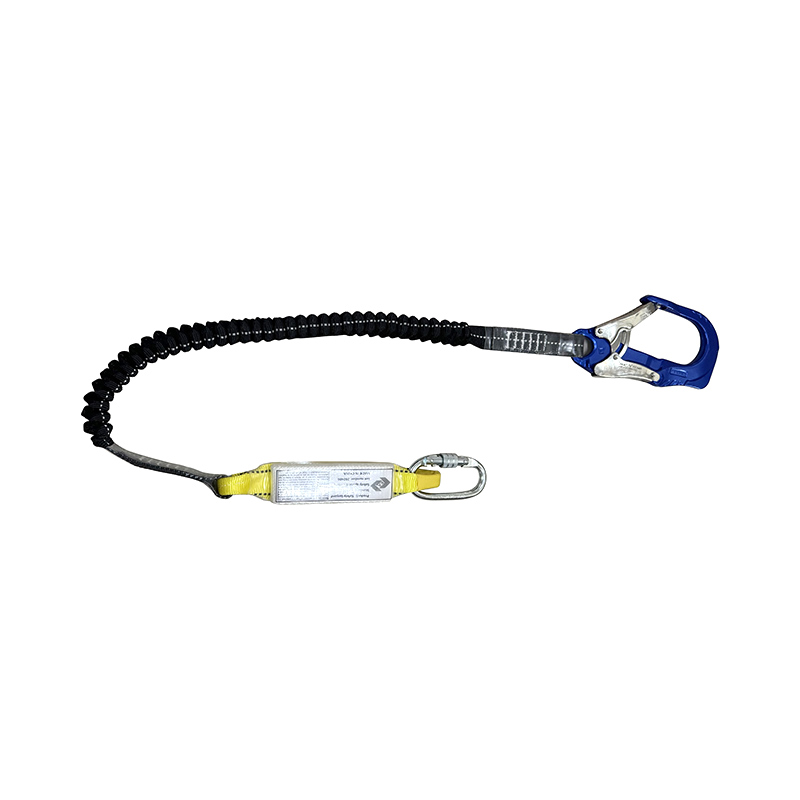
To choose a positioning lanyard for aerial work, start with these three specifications: an adjustable working length that keeps free fall to 2 feet or less, a load rating and hardware strength that match the job and user weight, and connectors that properly fit the anchorage and harness attachment point. If any one of these is wrong, the lanyard may be uncomfortable to use, difficult to position correctly, or unsuitable for the task.
A practical example is work from a bucket or elevated platform where the worker needs stable positioning near a structure. A lanyard that is too long can create slack and poor body position. One that is too short can restrict movement and force awkward posture. A connector that is too small, too large, or incompatible with the anchor can create an unsafe connection even if the webbing itself is strong.
In other words, the best positioning lanyard is not the strongest-looking one. It is the one whose usable length, rated capacity, and connector geometry match the real working conditions.
A positioning lanyard is used to hold the worker in place so both hands can be used for the task. It is about maintaining a stable working posture, not simply clipping in and moving on. In aerial work, that matters because the worker often needs to lean, reach, or maintain a fixed distance from the structure while reducing body fatigue.
This is why selection should begin with the actual work position: how far the worker needs to stand from the anchor, how much lean is required, whether there are sharp edges, and whether the task involves repeated repositioning. A good match improves control and reduces unnecessary tension on the body.
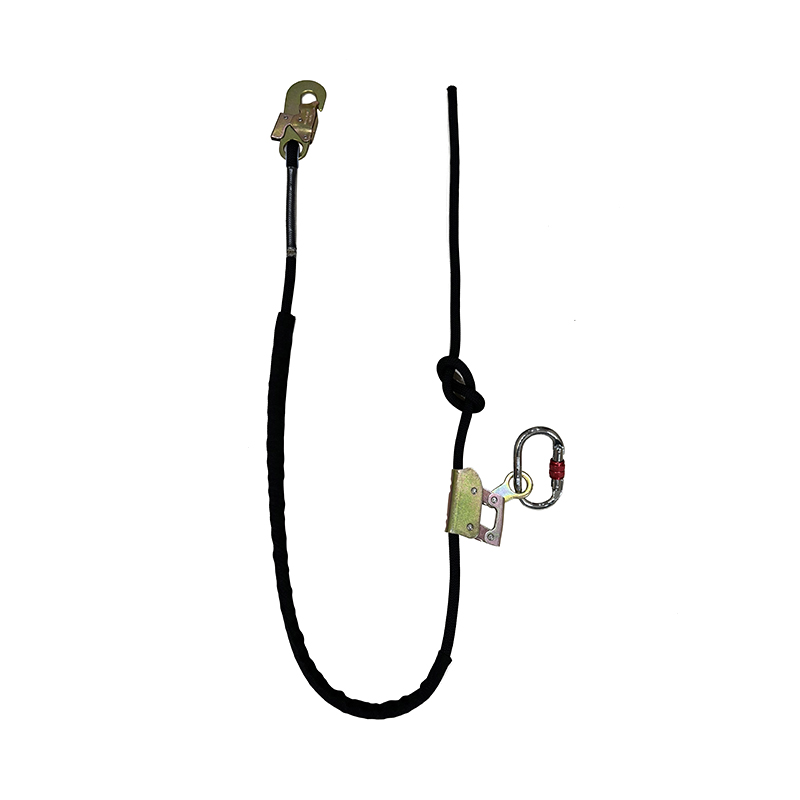
The first specification is the lanyard’s effective length. For aerial work, adjustability is often more useful than a fixed length because the distance between the worker, the anchorage, and the work surface changes throughout the day.
A common mistake is choosing by catalog length alone, such as 4 feet, 5 feet, or 6 feet, without thinking about real working geometry. The usable length is affected by the hardware at both ends, the harness attachment point, and how much tension is needed to hold position. In many situations, even a few inches of extra slack can change posture noticeably.
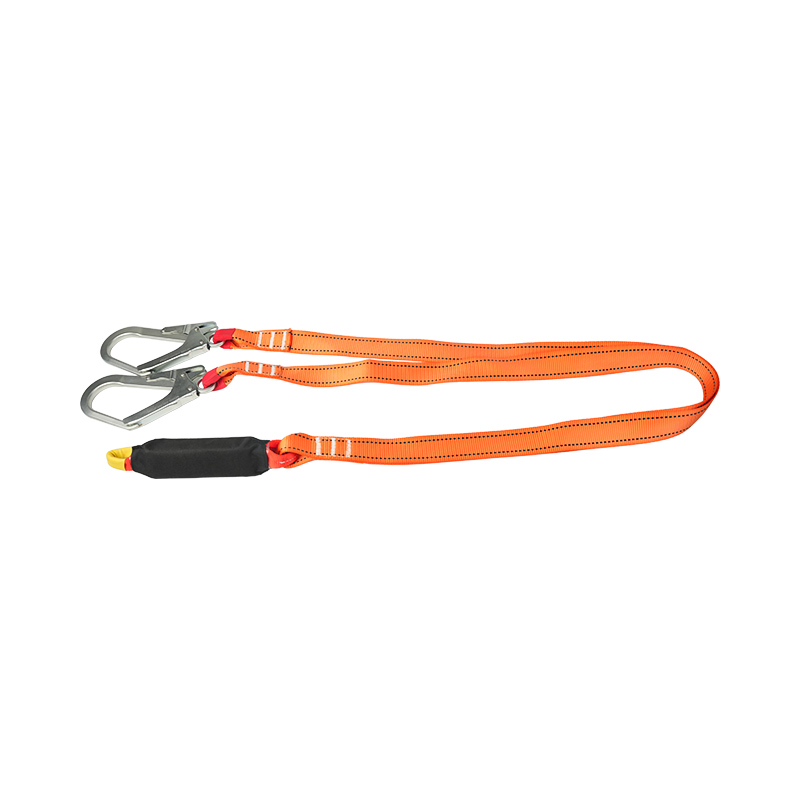
For example, if the anchorage is behind the worker and the task requires frequent side-to-side reach, an adjustable rope or web positioning lanyard can offer better control than a fixed-length option. If the work area is tight and the worker must stay very close to the structure, a shorter adjustable range often gives more precise positioning.
The second specification is strength, but that should be read as a combination of user capacity, lanyard material performance, and connector strength. Do not assume that all positioning lanyards are equal just because they look similar.
Start with total working weight: body weight plus clothing, tools, and carried equipment. A worker wearing tools, batteries, and heavy clothing can easily add 20 to 40 pounds beyond body weight alone. That extra load matters when matching the lanyard to its rated capacity.
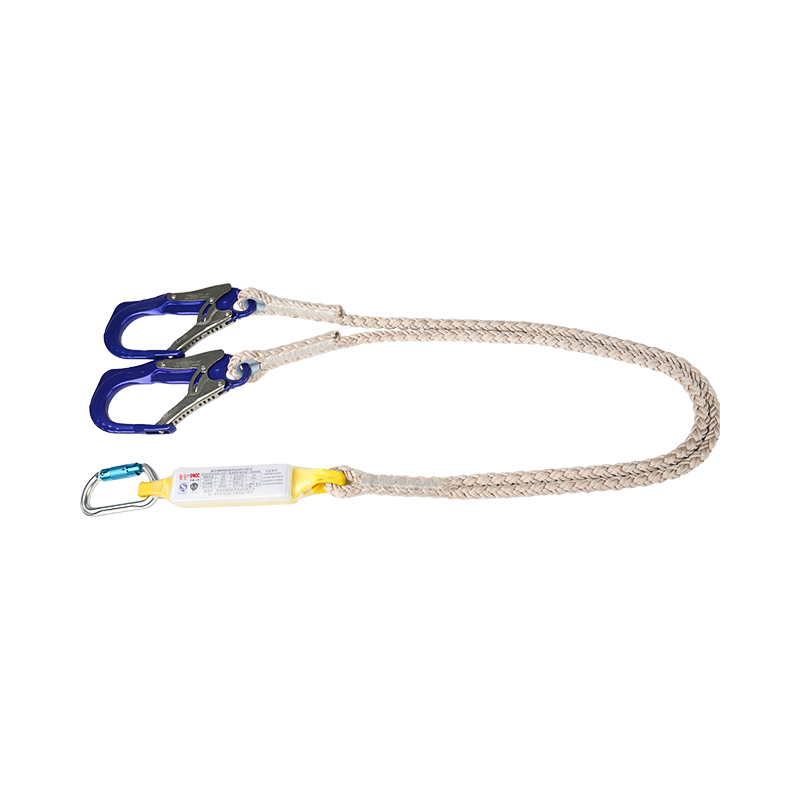
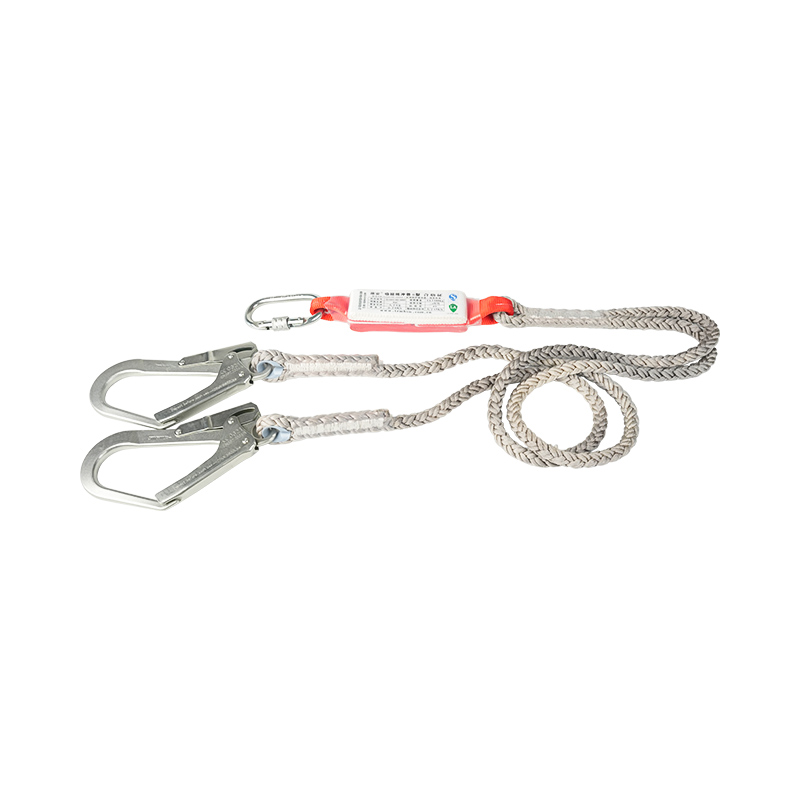
As a practical rule, harsh surfaces and repeated rubbing call for tougher materials and better abrasion resistance. For example, a clean indoor maintenance task may be well served by standard webbing, while rough steel, concrete edges, or dirty outdoor conditions may justify rope or reinforced designs that tolerate surface wear better.
| Specification | Why it matters | What to verify |
|---|---|---|
| User capacity | Prevents overloading | Total weight with tools |
| Material type | Affects wear and durability | Web, rope, or cable suitability |
| Connector strength | Protects the connection point | Body and gate ratings |
| Environmental resistance | Improves service life | Abrasion, moisture, and surface contact |
The third specification is connector compatibility, and it is often the one that causes the most field problems. A positioning lanyard can have adequate length and strength, but still be a poor choice if the snap hooks or carabiners do not match the anchor shape, anchor size, or harness attachment point.
In practice, compatibility means more than “it clips on.” The connector should seat correctly, lock fully, and avoid side loading, twisting, or accidental gate contact. Large anchor members may require a larger opening, while tight anchorage points may require a compact connector that aligns cleanly.
This is especially important in aerial work around structural steel, railings, or formed members. For example, a connector that fits loosely around an oversized anchorage can rotate into an unfavorable position. A connector that is too small may not seat properly at all. In both cases, the problem is not obvious until the worker is already relying on the system.
The best selection comes from combining the three specifications instead of treating them separately. A longer lanyard may improve reach, but only if it still maintains the correct working position. A stronger connector may look better on paper, but if it does not fit the anchor correctly, it solves nothing. A durable rope design may resist abrasion well, but if adjustment is slow, productivity can suffer during repeated repositioning.
| Job condition | Main priority | Why |
|---|---|---|
| Frequent repositioning | Adjustable length | Saves time and improves body position |
| Rough or abrasive surfaces | Material durability | Reduces wear and replacement frequency |
| Large structural anchors | Connector opening and geometry | Improves connection security |
| Heavy tool loadout | Rated capacity | Prevents under-rating the system |
Many buying mistakes happen because the lanyard is chosen from a product list instead of from the work method. The result is usually not immediate failure, but poor positioning, awkward body mechanics, excessive wear, or a connection that is harder to use than expected.
A simple pre-purchase review can prevent most of these issues: measure anchor distance, estimate full carried weight, inspect the anchor shape, and compare those conditions to the lanyard’s actual specifications rather than its general product label.
Use this quick checklist before final selection:
If the goal is safe and efficient aerial work, the most important decision is to select a positioning lanyard by usable length, rated strength, and connector compatibility. Those three specs directly affect body position, connection quality, and long-term durability.
A strong practical rule is this: the right positioning lanyard is the one that holds the worker in the correct place with minimal slack, fits the anchor correctly, and is rated for the full working load and environment. That is the combination most likely to improve both safety and job performance.

San Ye Road, Si Xiang Sub-district, Hai Ling District, Tai Zhou City, Jiang Su Province, China

+86 151-5262-8620
Copyright @ Taizhou KA Protection Products Co., Ltd. All Rights Reserved



 English
 Español
 عربى
عربى
