Everyday Paracord Uses Around the Home and Car
Paracord (often “550 cord”) is a compact, high-utility line that earns its space in a drawer, glovebox, or daypack. Many paracord uses are less about survival drama and more about solving daily friction: securing loads, preventing wear, and making quick repairs that last until you can replace a part properly.
Load securing and tie-downs
- Create adjustable tie-down loops for bins, coolers, or moving blankets by tying a trucker’s hitch (fast tensioning without special hardware).
- Make a quick “cargo net” by weaving paracord in a grid across a roof basket or trailer gate; it reduces shifting when you brake.
- Bundle long items (tent poles, lumber offcuts, sports gear) to prevent rattling in a trunk or bed.
Repairs that buy you time
- Replace a broken zipper pull with a small paracord loop; it restores one-handed operation on jackets, backpacks, and duffels.
- Secure a sagging bumper cover, undertray, or loose hose temporarily until you can add proper clips—use multiple wraps to spread stress.
- Create a spare “belt” for light-duty tasks like closing a broken toolbox latch or holding a battery jump pack in place.
Tip for durability: if the cord will rub against sharp edges, add a layer of tape or a scrap of fabric under the paracord to reduce abrasion. A quick protective wrap can make the difference between a fix that lasts minutes and one that lasts days.
Camping and Backpacking Paracord Uses
In the outdoors, paracord uses cluster around shelter, hanging systems, and organization. The goal is controlled tension and reliable knots, not brute force. For many camping jobs, you can remove the inner strands to reduce bulk while still keeping the outer sheath for tying.
Shelter, tarps, and wind management
- Rig a ridgeline between trees for a tarp or rainfly; a taut line sheds water and reduces flapping noise at night.
- Add guy lines to stabilize a tent or tarp in gusty conditions; longer lines improve your stake-out angle and holding power in soft ground.
- Build a quick “storm door” by lacing a poncho or spare groundsheet across a lean-to opening.
Food protection and camp organization
- Hang a food bag or trash bag away from camp using a simple hauling line; keep the line long enough to avoid branches that scrape the bag.
- Create a camp clothesline between two anchor points; twist the line slightly as you tension it to reduce sag under wet clothes.
- Make “gear hang loops” at the end of a ridgeline for headlamps, cookware, or water filters to keep items off the ground.
Practical guideline: carry 15–30 ft for basic camp tasks, and 50 ft if you expect to rig tarps, hang food, and run multiple guy lines.
Emergency and Safety Paracord Uses
For emergencies, paracord uses should prioritize safety, signaling, and controlled movement—not risky stunts. A key decision is whether paracord is appropriate at all. Paracord is useful for stabilization and securing, but it is not a certified climbing rope and should not be treated as one.
Stabilization and improvised supports
- Secure a splint by wrapping paracord over padding (cloth, bandana) to distribute pressure and reduce skin irritation.
- Repair or reinforce a broken pack strap by lashing it back to a frame or webbing loop until you reach a trailhead.
- Build a quick cravat substitute by removing inner strands and using the sheath as a thin tie for light binding tasks.
Visibility and signaling
- Use bright paracord as a trail marker or boundary line around a campsite (remove it when you leave to avoid litter).
- Create a high-visibility lanyard for a whistle, compass, or headlamp so it can’t be dropped or lost in brush.
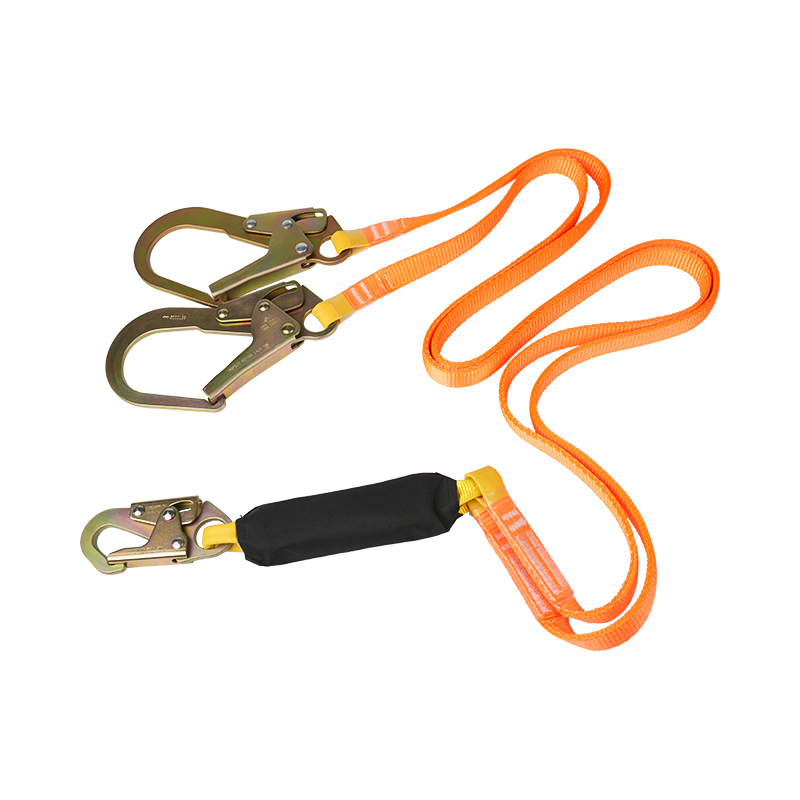
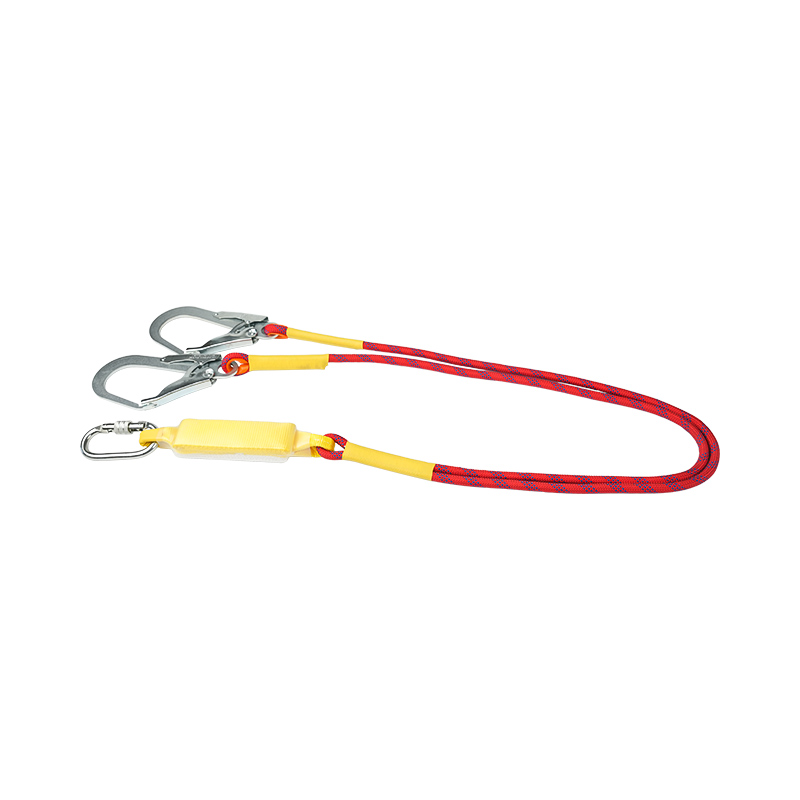
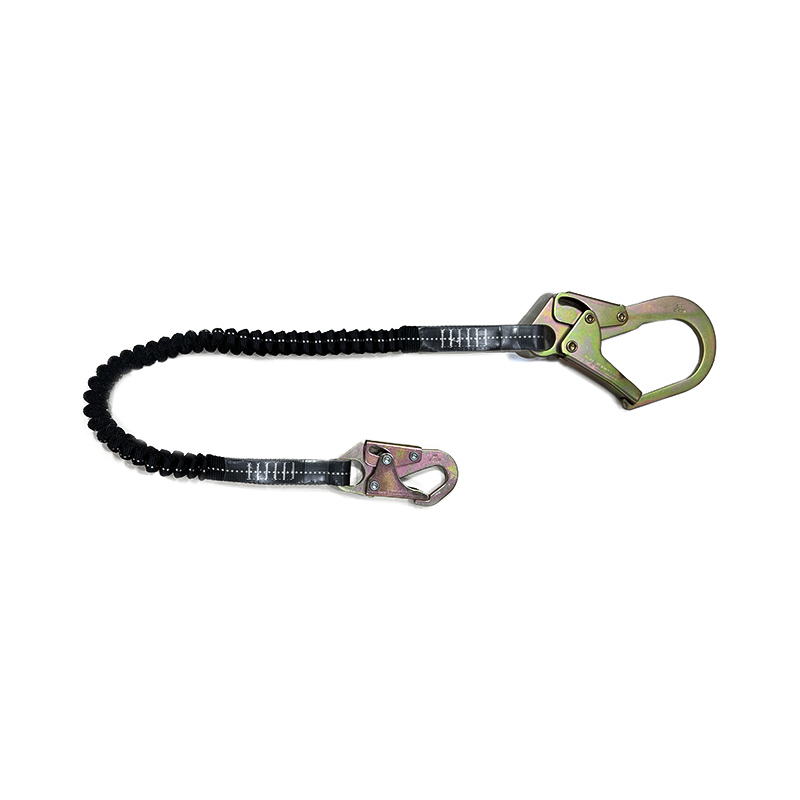
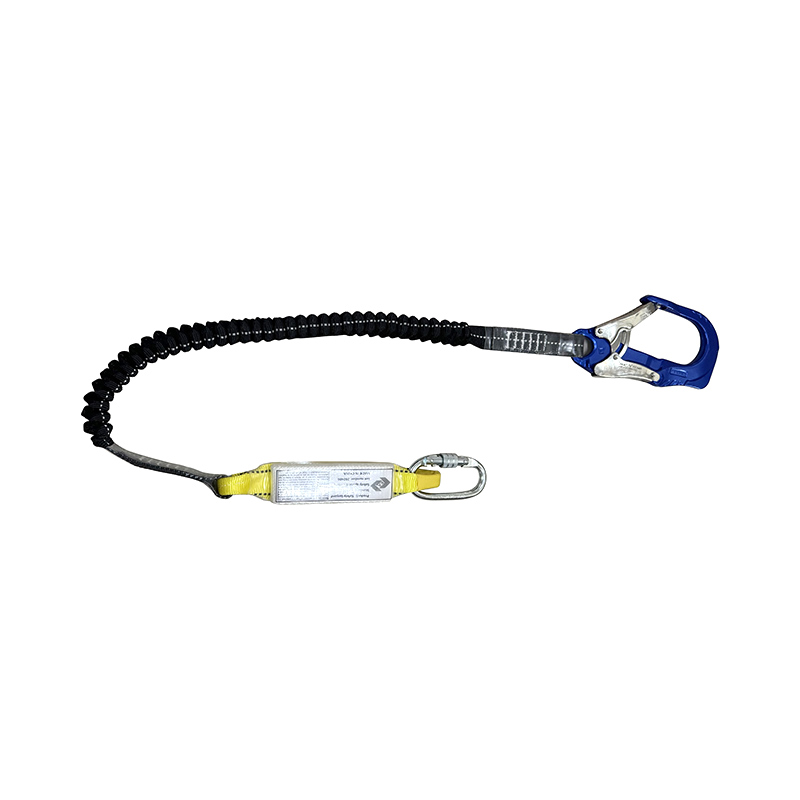
Safety rule: do not use paracord for bodyweight suspension (climbing, rappelling, or rescue lowering). Use purpose-built, rated equipment for life-safety loads.
Craft and DIY Paracord Uses That Hold Up
Some of the most satisfying paracord uses are durable DIY upgrades. The best projects rely on consistent tension, clean melting of cut ends, and thoughtful placement so the cord doesn’t become a snag hazard.
Handles, grips, and wear reduction
- Wrap tool handles (flashlights, small hatchets, camera monopods) for improved grip—especially in rain or with gloves.
- Add a paracord pull handle to a cooler, drawer, or storage lid where the original handle cracked.
- Make a protective wrap on metal edges that chafe straps (temporary edge guard during transport).
Wearable and carry items
- Build a key lanyard or wrist strap to reduce drops when working at height or over water.
- Create a compact belt or strap for light gear; weave patterns like cobra stitch can store usable cord in a small form.
- Make zipper-pull extensions for gloves-on use in winter or on muddy trails.
If a DIY item must endure high friction (e.g., constant rubbing against metal), test it under realistic conditions for a few days and re-tension or replace as needed.
Best Knots for Common Paracord Uses
Paracord is only as useful as the knots you can tie quickly and correctly. A short “knot toolkit” covers most scenarios: fixed loops, adjustable tension, and secure binding. Practice these at home so you can tie them reliably when cold, tired, or in poor light.
Three high-value knots to learn first
- Bowline: forms a dependable fixed loop for anchoring a line to a tree or carabiner.
- Trucker’s hitch: provides mechanical advantage for tightening tarps or loads; excellent for reducing sag.
- Taut-line hitch: makes an adjustable loop for guy lines; easy to re-tension when weather changes.
When to use inner strands vs. full cord
For precision tasks like fishing line substitutes, sewing repairs, or delicate lashing, pull out one or more inner strands. For tensioning tarps, tying down loads, or hanging systems, use full cord for better handling and abrasion tolerance.
Quick-Reference Table: Paracord Uses by Scenario
| Scenario |
Best paracord use |
Recommended length |
Go-to knot |
| Car trunk / moving day |
Tie-downs, bundling, cargo net |
25–50 ft |
Trucker’s hitch |
| Tarp shelter setup |
Ridgeline + guy lines |
50 ft |
Taut-line hitch |
| Camp organization |
Clothesline, gear hang loops |
15–30 ft |
Bowline |
| Minor gear repair |
Strap/zipper pull replacement |
5–10 ft |
Overhand stopper |
| Emergency stabilization |
Splint lashing over padding |
10–20 ft |
Square knot (binding) |
A practical mapping of common paracord uses to the length and knot that typically works best.
How to Choose Paracord for the Right Use
Not all “paracord” on the shelf performs the same. Selection should match your most common paracord uses: tensioning and abrasion resistance for outdoor rigs, or thinner cord for compact everyday carry. If you rely on paracord for critical repairs, buy from reputable makers that disclose construction and materials.
Material and handling considerations
- Choose brighter colors for visibility (less likely to lose) and darker colors for low-profile everyday carry.
- If you expect sun exposure, rotate or replace cord periodically; UV and abrasion are common long-term failure drivers.
- Melt cut ends carefully to prevent fraying; a clean, rounded melt reduces snagging and helps knots hold.
Bottom line: paracord uses are most effective when you match the job to the right length, the right knot, and realistic expectations about load and safety.





 English
 Español
 عربى
عربى
