Content
If your goal is “how to manufacture colored nylon rope” at consistent shade and strength, treat it as two tightly linked systems: polymer/yarn coloring and rope construction + finishing. Color decisions affect heat history, lubricants, twist, and even tensile performance.
A practical end-to-end workflow is: define rope spec → select nylon + additives → choose coloring route (solution-dyed or piece/yarn-dyed) → dye and rinse → dry/condition → twist/strand/braid → heat-set → apply finishes → quality control → pack with traceability.
Most colored ropes use nylon 6 or nylon 6,6 in multifilament form. Nylon’s amide groups accept acid dyes well, enabling deep shades, but processing history (heat, tension, moisture) can shift shade and hand-feel.
For outdoor rope, include UV stabilization and (if needed) heat stabilizers. Typical UV package levels in fiber applications are often in the sub-1% range; as a practical starting point, ~0.3–0.8% UV stabilizer (by polymer mass) is common, then validate via accelerated weathering and real exposure trials.
Also decide whether you need a finish for abrasion, water shedding, or reduced yarn-on-metal friction during braiding. Finishes can slightly darken shade, so qualify them against your color standard.
There are two primary ways to make colored nylon rope: solution dyeing (dope dyeing) during fiber extrusion, or dyeing after yarn is made (yarn dyeing / piece dyeing). Solution dyeing gives the best shade repeatability and weathering, while piece/yarn dyeing is more flexible for small batches and custom colors.
| Method | Where color is added | Best for | Typical trade-offs |
|---|---|---|---|
| Solution-dyed nylon | Pigment masterbatch blended into polymer before/at extrusion | High volume, outdoor ropes, maximum shade consistency | Higher setup cost; color changes require purge time; limited to pigment color palette |
| Yarn/piece dyeing (acid dye) | Dyed yarn packages/hanks before rope making (or occasionally finished rope) | Custom colors, smaller lots, rapid sampling | More process steps; shade can shift with heat-setting/finishes; effluent treatment required |
A practical decision rule: if you need tight shade repeatability across years and outdoor durability, solution-dyed is usually superior. If you need many colors with frequent changeovers, yarn/piece dyeing is usually more economical.
Solution dyeing typically uses a pigment masterbatch. Many operations start trials around 1–5% masterbatch (depending on pigment strength and target shade), then finalize via spectrophotometer readings and extrusion stability.
After extrusion and spinning, drawing and heat-setting establish the yarn’s tenacity and shrinkage profile. Your rope line will run more smoothly if yarn shrinkage is consistent; inconsistent shrinkage can create braid defects and shade variation due to tension differences.
Key control point: keep process tension and temperature stable across lots so that rope diameter and elongation stay within spec after heat-setting.
Nylon yarns carry spin finishes and oils that can block dye sites. A controlled scour reduces barre, streaks, and shade patches. Use a mild detergent system compatible with nylon; rinse thoroughly.
A practical baseline for many nylon acid-dye processes is: liquor ratio ~1:10 to 1:20, gradually heat to near-boil, and hold long enough to reach target exhaustion without shocking the yarn.
After dyeing, rinse until rinse water runs clear, then neutralize as needed to protect downstream finishes and metal parts on braiders. Drying should avoid overheating that can harden yarn or induce shrinkage. Condition yarn before rope making so tension settings remain consistent.
Dyeing yarn (packages or hanks) before twisting/braiding usually provides better penetration and more uniform shade. Dyeing finished rope is possible, but penetration can be limited in tight constructions, and drying thick rope can be slow, increasing risk of mildew or shade migration.
Whether you build 3-strand rope or feed yarn into a braid, twist consistency is critical. Uneven twist changes surface texture and reflectance, which can look like shade variation even if dye uptake is uniform.
Braided constructions can emphasize surface optical effects. If you mix colors (e.g., tracer yarns), keep yarn lot control strict because small shade differences become obvious on braid patterns.
Operational tip: track yarn lot → rope lot mapping. If a customer reports shade mismatch, you can isolate the contributing yarn lots quickly.
Heat-setting stabilizes rope geometry and reduces unwanted twist liveliness. Many lines use hot air/steam or heated zones; a common practical range is ~160–180°C equivalent thermal exposure for stabilization, but the correct setting depends on construction, line speed, and required shrinkage limits.
Because heat can shift shade (especially with some dyes and finishes), qualify heat-setting as part of your color standard. The right KPI is not “looks good off the dye line,” but “matches standard after final heat + finish.”
To manufacture colored nylon rope reliably, QC must cover appearance, shade repeatability, and strength. A best-practice plan includes incoming yarn checks, in-process tension/twist verification, and finished-rope performance tests.
High-impact practice: retain a sealed “golden sample” for each color and construction, and compare every production lot after final finishing, not immediately after dyeing.
If you dye nylon yarn (instead of solution dyeing), wastewater and chemical management become part of the manufacturing system. Plan for effluent treatment and documented chemical compliance aligned to your target markets.
Colored rope programs succeed when the factory can reproduce the same shade and performance months later. That requires lot discipline, documentation, and controlled packaging.
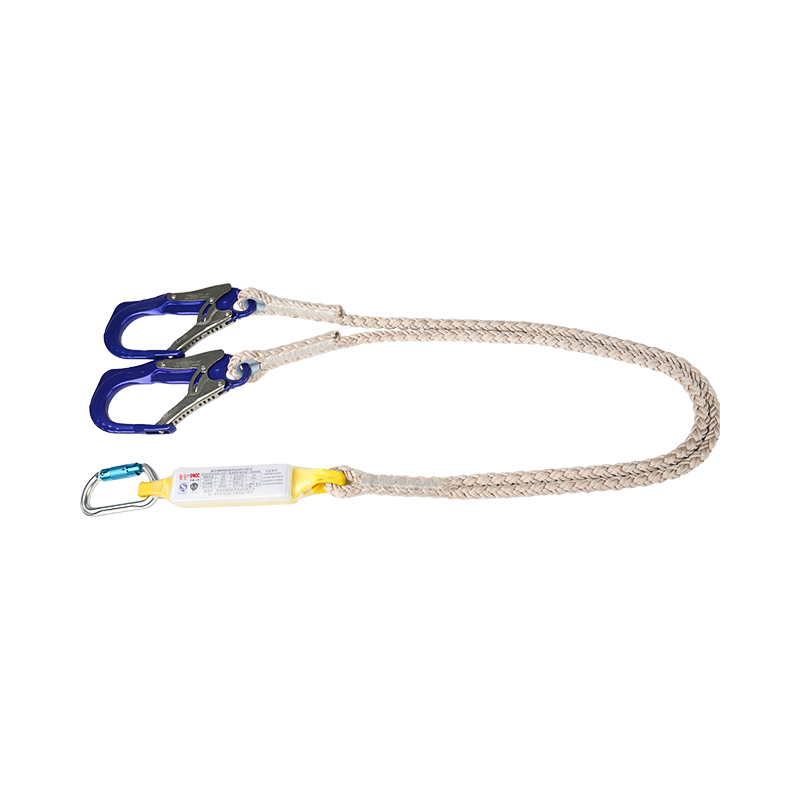
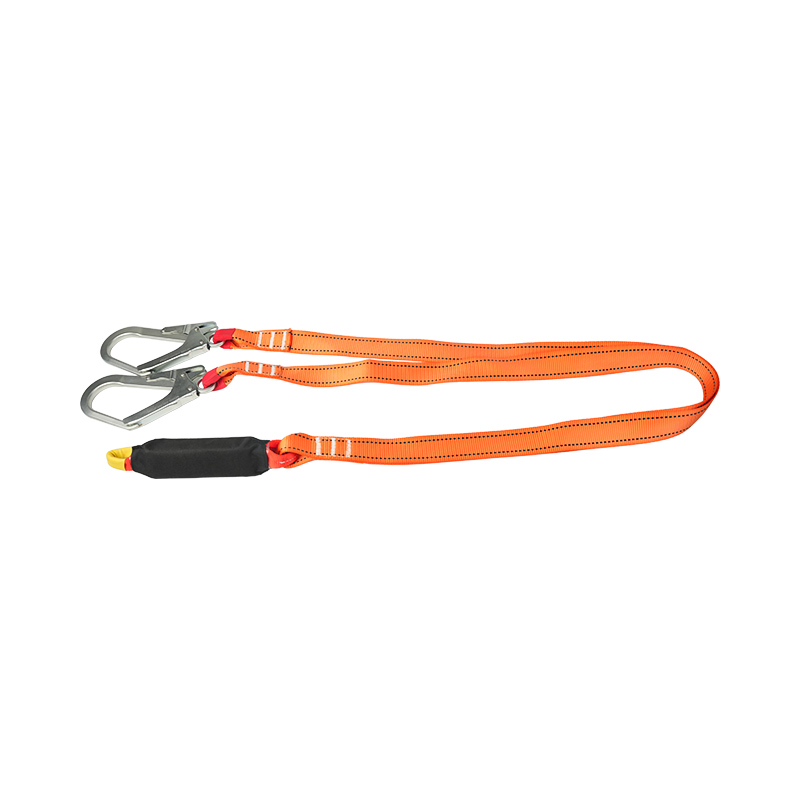
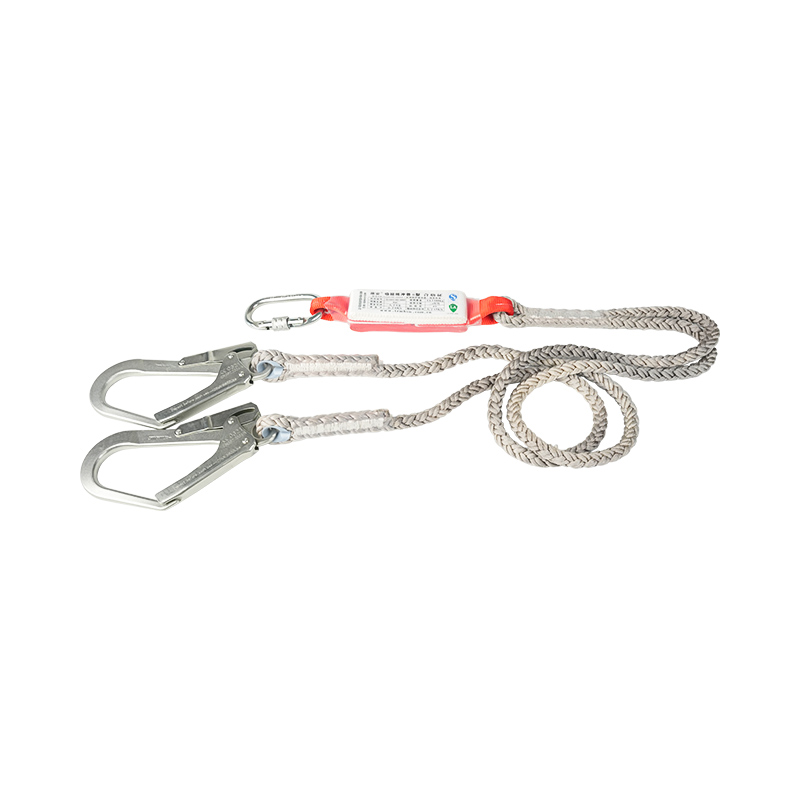
KA colored nylon rope is made from original colored fibers rather than dyeing white fibers, delivering higher color fastness and more stable strength for consistent performance across production lots.

San Ye Road, Si Xiang Sub-district, Hai Ling District, Tai Zhou City, Jiang Su Province, China

+86 151-5262-8620
Copyright @ Taizhou KA Protection Products Co., Ltd. All Rights Reserved



 English
 Español
 عربى
عربى
