Content
A fall on a natural fiber rope in the 1950s could mean a broken back — or worse. Those early ropes were barely strong enough to hold a climber's weight under static conditions, let alone absorb the sudden shock of a leader fall. Everything changed in 1964, when Edelrid introduced the kernmantle design: a twisted nylon core wrapped in a protective woven sheath. That single innovation made modern lead climbing possible, and it remains the foundation of every dynamic rope sold today.
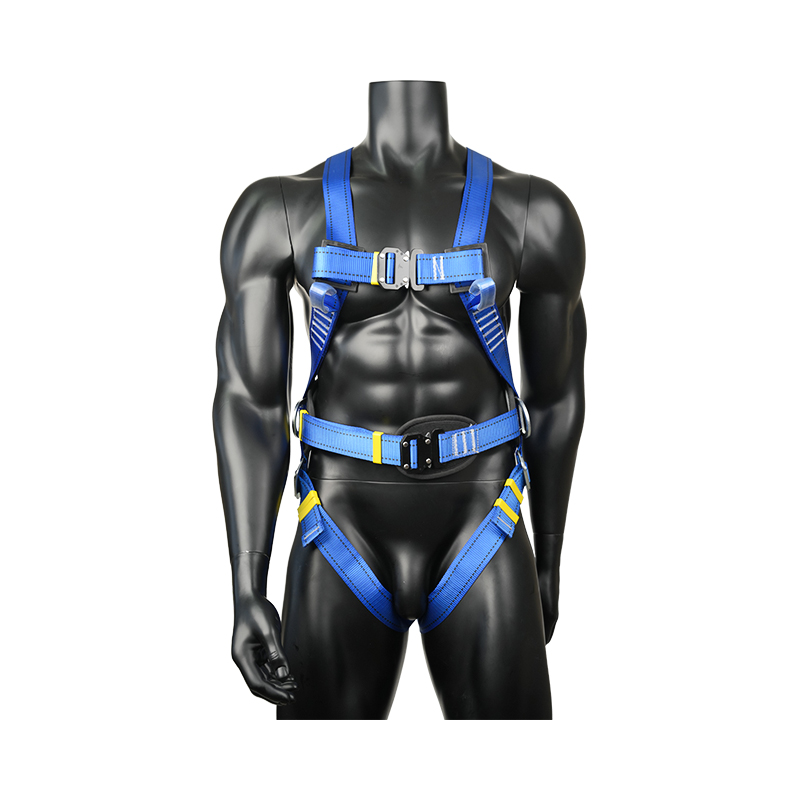
Your rope is the central component of the climbing system. It connects you to your protection, absorbs the energy of a fall, and determines how much force reaches your body and your gear. Choosing the wrong rope — or failing to understand what you have — is one of the most consequential decisions you can make at the crag. This guide covers everything you need to know to buy and use the right rope for the way you climb, paired with a full body safety harness designed for rock climbing that completes your essential protection setup.
Every climbing rope belongs to one of two categories, and confusing them can be fatal. Dynamic ropes are designed to stretch — typically up to 40% under a severe fall load — which allows them to absorb kinetic energy and reduce the peak force transmitted to the climber and the anchor. If you are sport climbing, trad climbing, or top-roping, a dynamic rope is what you need.
Static ropes, by contrast, have very little stretch. They are built for hauling gear, fixed-rope systems, jugging on big walls, and rappelling descents. Leading on a static rope is extremely dangerous: when a falling climber hits the end of a static line, the energy has nowhere to go. The resulting impact force can exceed what the human body — and most protection — can safely absorb.
For rescue, descent, and positioning work, static climbing ropes built for rappelling and rescue applications are the correct choice. Never substitute one for the other.
Within the dynamic rope category, there are three systems. Understanding the differences helps you match your rope to the terrain and style of climbing you actually do.
| Type | Diameter | Best For | Key Advantage |
|---|---|---|---|
| Single | 9.4–10.5mm | Sport, gym, trad, top-rope | Simple, durable, easy to belay |
| Half (Double) | 7–9mm (pair) | Wandering trad, alpine | Reduced drag, longer rappels, redundancy |
| Twin | 7–8mm (pair) | Ice, alpine, long rappel routes | Lightest dual-rope system |
Single ropes are the default for the majority of climbers. Marked with a circled "1" at the rope end, they are designed to be used alone and clipped to every piece of protection. A 9.4–10.2mm single is ideal for beginners: thick enough to handle rough rock without premature wear, and easy to manage through any belay device.
Half ropes are used in pairs, with each strand clipped to alternating pieces of gear. This dramatically reduces rope drag on wandering routes, doubles the rappel length available, and adds a meaningful safety margin — if one rope is cut on a sharp edge, the other is still there. Half ropes are the standard choice for complex trad terrain in places like the UK's gritstone crags or the horizontal crack systems of the Shawangunks.
Twin ropes must be clipped together through every piece of protection — they cannot be alternated like half ropes. The system is lighter than a half-rope setup, which makes it popular on long alpine routes where weight is critical and multiple full-length rappels are expected.
Rope diameter governs two things that pull in opposite directions: durability and weight. Thicker ropes resist wear longer and handle more safely through a belay device. Thinner ropes weigh less, create less drag on long pitches, and clip faster. Where you land on that spectrum depends on how hard you climb and where.
On length, the industry standard shifted from 60 meters to 70 meters over the past two decades, driven by longer bolted routes at newer crags. A 60m rope still covers the majority of classic single-pitch routes, but if you climb in areas developed after 2010, or frequently visit Rifle, Colorado and similar destinations, a 70m rope prevents the uncomfortable situation of not having enough rope to lower off. For nylon rope selection by material and construction specifications, diameter and sheath composition are the two most critical parameters to evaluate.
An untreated nylon rope can absorb up to 50% of its own weight in water. A waterlogged rope is heavier, less supple, harder to belay, and — critically — weakened. In freezing temperatures, a wet rope can stiffen to the point where it becomes dangerous to clip or pass through a belay device.
Dry-treated ropes apply a water-repellent coating to the sheath fibers, the core, or both. The treatment doesn't make a rope waterproof, but it slows absorption significantly, buying you time and performance in wet conditions. Dry treatment is essential for alpine climbing, mountaineering, and ice climbing, and strongly recommended for any outdoor use in conditions that may involve rain, snow, or wet rock.
For indoor climbing and dry sport climbing exclusively, an untreated rope is perfectly adequate and costs less. If your climbing life takes you outdoors regularly, even in moderate climates, the modest additional cost of a dry-treated rope is well worth it.
Every dynamic climbing rope sold legitimately will carry certification marks from one or both of the two dominant standards bodies. Understanding what those marks actually test helps you interpret the spec sheet on the packaging.
UIAA 101 and EN 892 are the benchmarks for dynamic ropes. They evaluate five areas: construction, sheath slippage, static elongation, impact force on the first fall, and total number of falls held. The test uses a standardized drop with an 80kg weight for single ropes (55kg per strand for half ropes), with a fall factor designed to be more severe than anything you are likely to encounter in normal climbing.
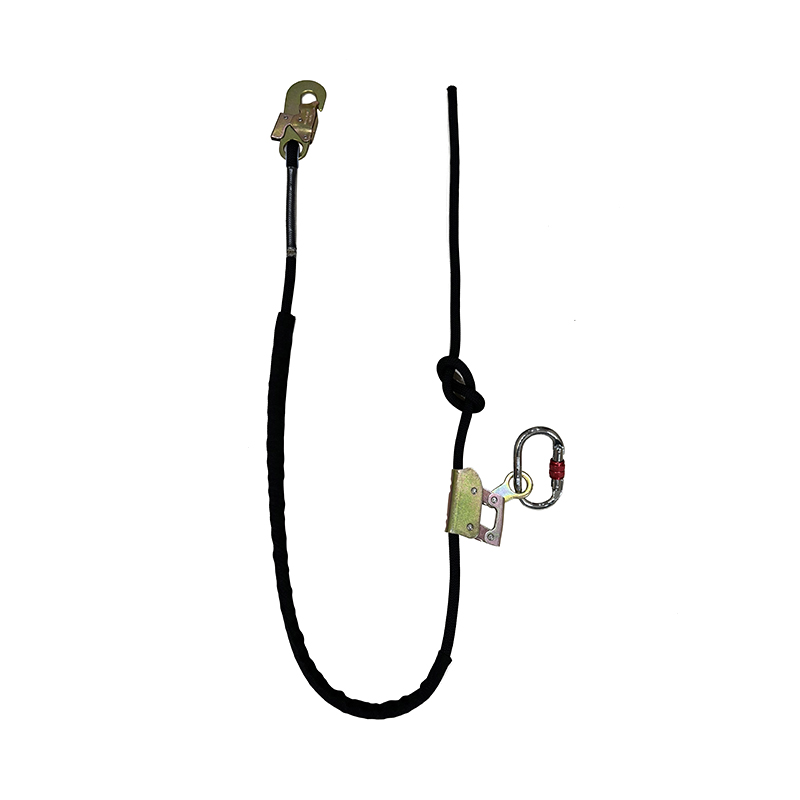
For full technical specifications, the UIAA 101 dynamic rope standard documentation (2025 edition) details every test method and requirement. For vertical access and work-positioning systems, positioning lifelines that meet relevant safety standards operate under related but distinct certification criteria.
Beyond type, diameter, and certification, several construction details meaningfully affect day-to-day usability.
Middle markers. Knowing where the midpoint of your rope is matters enormously during rappels and lowering. Ink-based middle marks are the most common and least expensive option, but they fade with washing and UV exposure. Bi-pattern ropes change the sheath weave pattern at the midpoint, creating a permanent, high-visibility indicator that requires no maintenance. For multi-pitch climbs with rappel descents, a bi-pattern rope is worth the small premium.
Sheath construction. The sheath percentage — how much of the rope's total mass is sheath versus core — affects both durability and handling. A 48-carrier sheath (more carriers, tighter weave) is more resistant to abrasion on sharp rock; a 32-carrier sheath may feel softer initially but shows wear faster. Check the sheath percentage listed in manufacturer specs if you are climbing in areas with rough or featured rock.
End-warning marks. Some ropes include a colored thread or black dye several meters from each end to signal that you are approaching the end of the line. This feature is underrated: when lowering a climber or rappelling in low light, end-warning marks can prevent the rope from running through the belay device unexpectedly.
Belay device compatibility. Most belay devices work with ropes between 8.5mm and 10.5mm, but confirm compatibility before buying a rope at either end of the diameter range. Tube-style devices and assisted-braking devices each have published diameter ranges — check the manufacturer's specifications.
A quality dynamic rope is a significant investment, and proper care extends its working life considerably. The basics are straightforward:
As a general guideline: a rope used daily should be retired after one year; used weekly, after three to four years; used occasionally, after five years regardless of apparent condition. For custom rope solutions built to specialized climbing and safety specifications, working with an experienced manufacturer ensures the right construction from the start — extending usable life and matching the rope precisely to the demands of your application.

San Ye Road, Si Xiang Sub-district, Hai Ling District, Tai Zhou City, Jiang Su Province, China

+86 151-5262-8620
Copyright @ Taizhou KA Protection Products Co., Ltd. All Rights Reserved



 English
 Español
 عربى
عربى
