Content
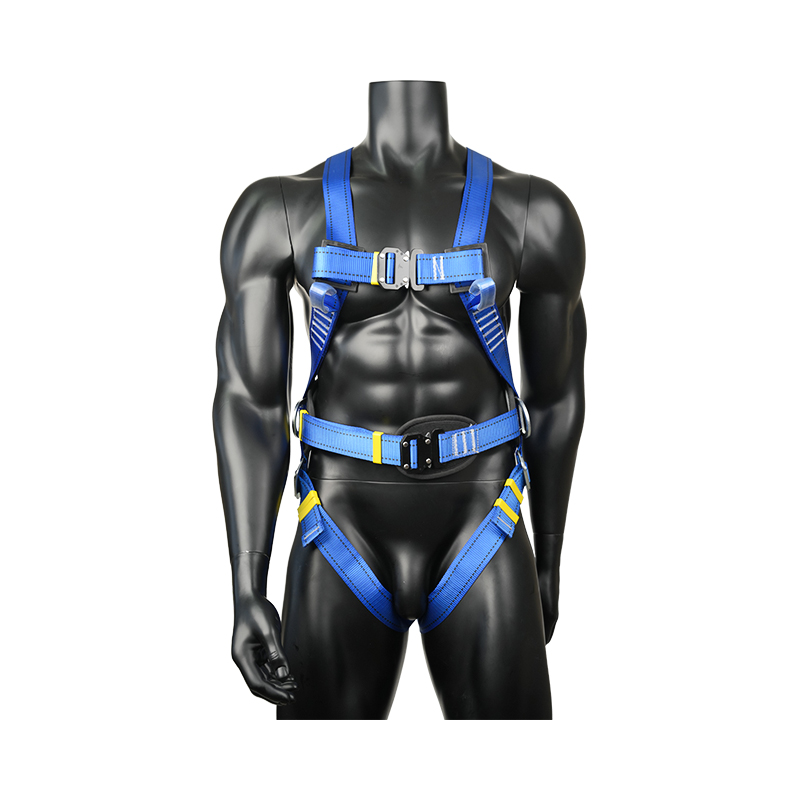
A fall arrest lanyard is the critical link between a worker's full-body harness and the anchor point. It is not just a strap or a rope — it is an engineered energy management device. Within a Personal Fall Arrest System (PFAS), the lanyard’s job is to stop a fall and, more importantly, to limit the force transmitted to the worker’s body to a survivable level.
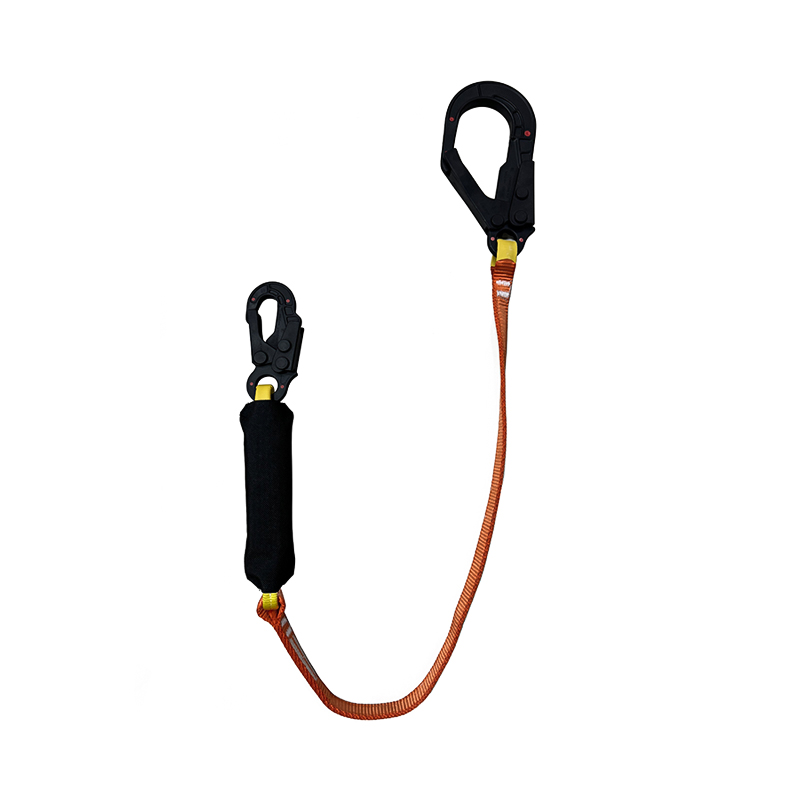
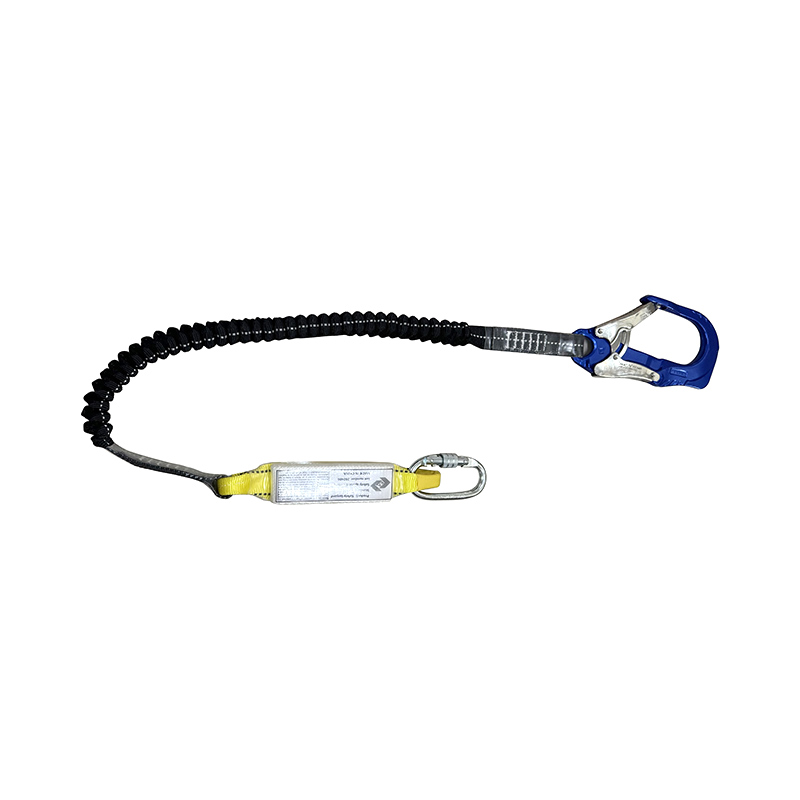
The mechanism relies on a controlled failure. Inside most modern lanyards sits an energy absorber, typically a specially stitched piece of webbing that tears progressively when subjected to a dynamic load. This tearing action converts the kinetic energy of a falling body into heat and deformation work, capping the Maximum Arrest Force (MAF). Under ANSI Z359.13, the MAF must not exceed 1,800 lbs (8 kN). Without this engineered rip, the sudden stop could generate forces high enough to cause severe internal injury or snap the lanyard itself.
A secondary function is fall clearance management. The length of the lanyard, combined with the tear distance of the absorber and the worker’s height, determines the minimum clearance required below the walking surface. Ignoring this calculation is the leading cause of secondary impact injuries. Simply put, the lanyard buys you distance to dissipate energy, but you must ensure there is enough empty space to use that distance.
Not every lanyard does the same job. Confusing a positioning device with a fall arrest connector is a frequent and dangerous mistake. You need to match the connector type directly to the work task, the anchor location, and the fall clearance available. The three dominant categories are shock-absorbing lanyards, self-retracting lanyards (SRLs), and positioning lanyards, each defined by distinct mechanics and limitations.
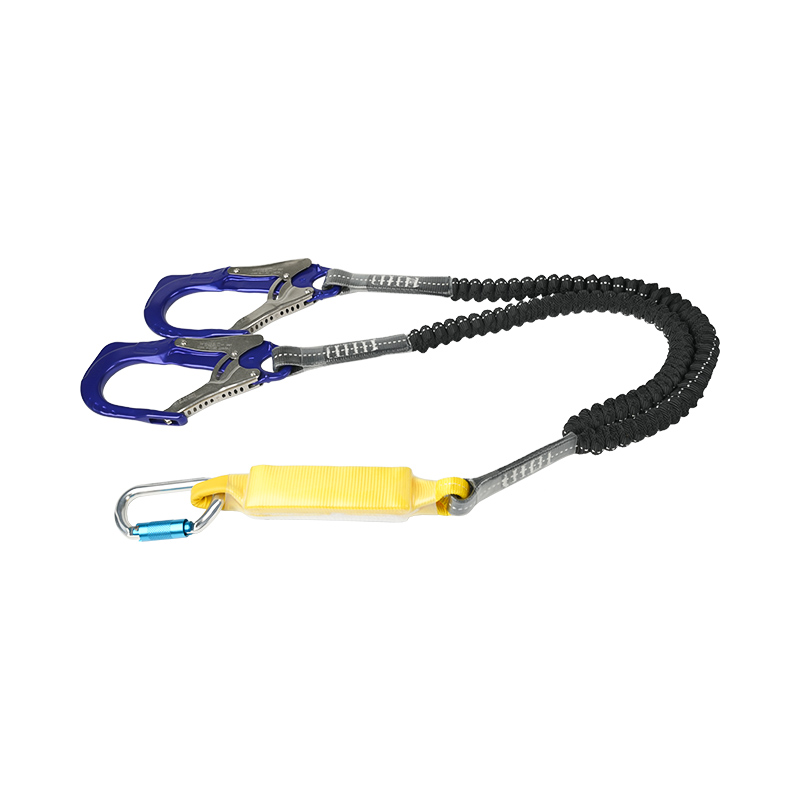
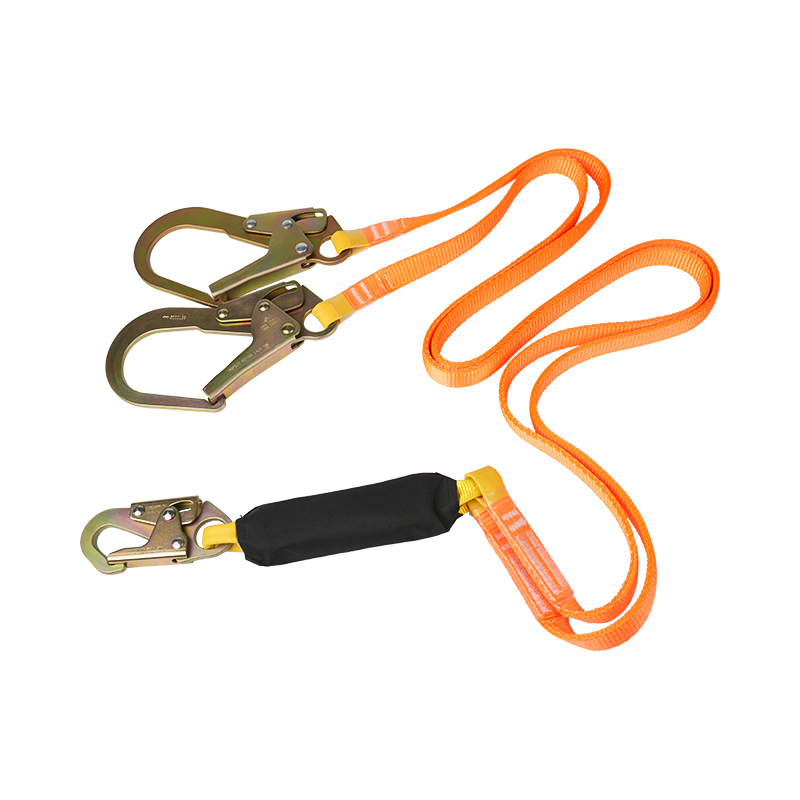
These are the standard workhorses of general industry. They rely on an integrated tear-away pack to deploy during a fall. They require a minimum clearance, typically 17.5 to 18.5 feet when using a standard 6-foot model, due to the combined length of the lanyard, absorber deployment, harness stretch, and a safety factor. They are robust, require no mechanical recalibration, and have a lower upfront cost, but they are inherently single-use after a fall event.
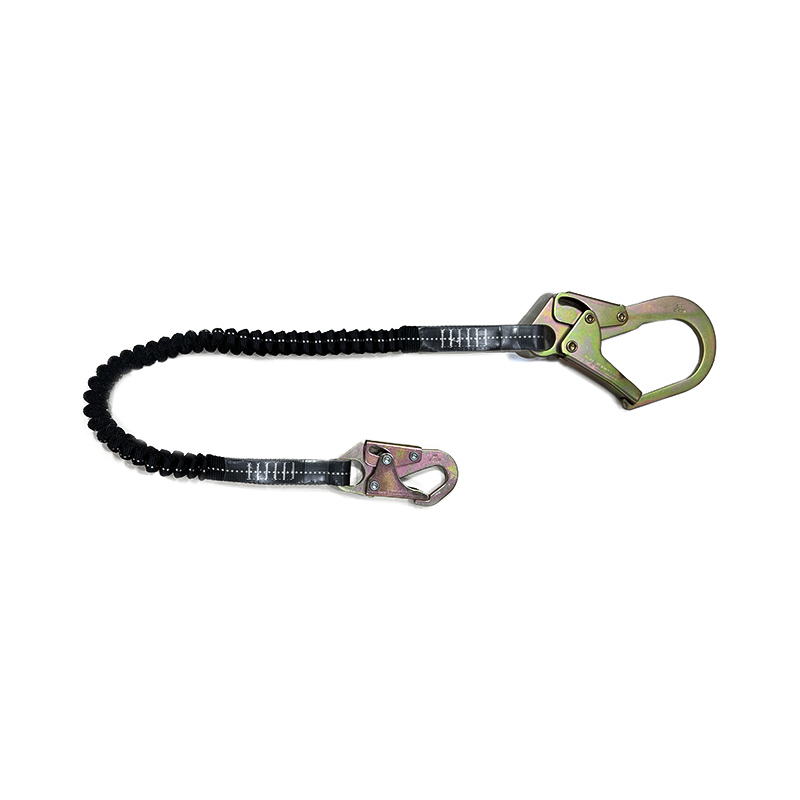
An SRL functions like a seatbelt, allowing free movement at slow speeds and locking instantly when a rapid acceleration is detected. The major advantage is reduced fall clearance; many leading-edge models can arrest a fall in under 24 inches. They keep the lifeline taut, drastically reducing tripping hazards. The trade-off is mechanical complexity, higher initial cost, and sensitivity to dust, paint, and chemical overspray. They excel in applications where the anchor is directly overhead and clearance is tight.
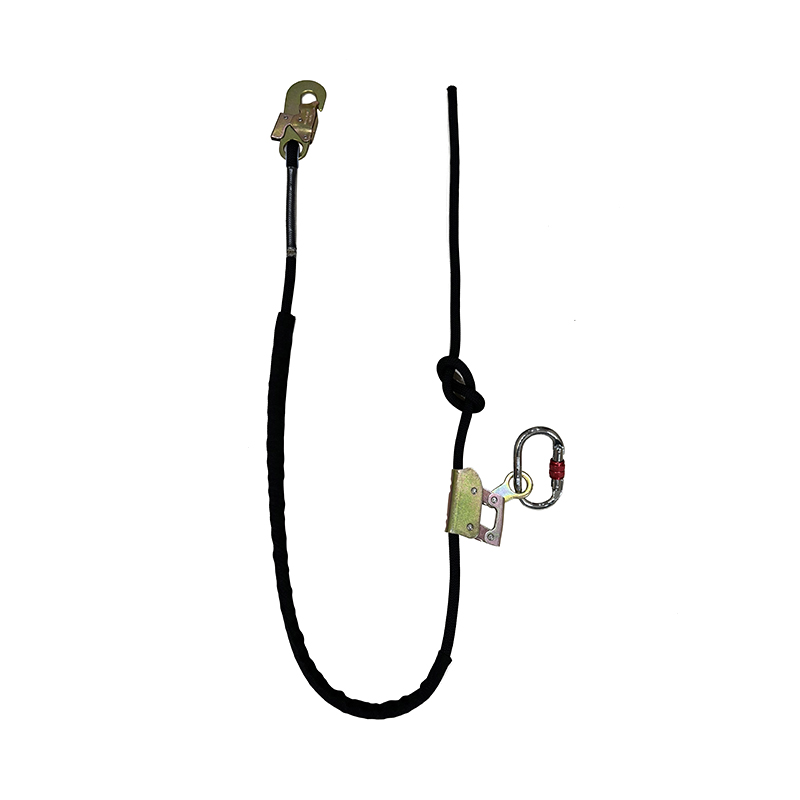
These are not fall arrest devices. They are work-positioning aids designed to hold a worker in place under tension so both hands are free. A positioning lanyard acts as a restraint, not an energy absorber. OSHA mandates that a worker using a positioning device must still have a separate, independent fall arrest system backing it up. Using a positioning lanyard alone where a fall hazard exists invites disaster.
| Feature | Shock-Absorbing Lanyard | Self-Retracting Lanyard (SRL) | Positioning Lanyard |
|---|---|---|---|
| Primary Function | Fall arrest | Fall arrest | Work positioning (backup required) |
| Free Fall Distance | 6 ft max (plus tear) | 2 ft max (typically < 24 in) | 0 ft (restraint only) |
| Energy Absorption | Tear-away webbing | Internal brake/clutch | None |
| Fall Clearance Required | High (17.5–18.5 ft est.) | Low (varies by model) | N/A |
| Weight (Typical) | 2–4 lbs | 4–10 lbs | 1–2 lbs |
| Cost Profile | Lower initial, single-use | Higher initial, reusable | Lowest, but must pair with fall arrest |
If your anchor point is at waist level or below, never use a standard shock-absorbing lanyard. The free fall distance will instantly exceed the 6-foot OSHA limit. You need an SRL designed for foot-level tie-off or a specialized leading-edge lanyard.
A lanyard’s material determines its lifespan, safety, and suitability for your environment. While the energy absorber manages the fall dynamics, the lanyard’s core material manages the daily grind: abrasion, cuts, welding sparks, and chemical splash. Selecting the wrong material can turn a certified life-saver into a broken link before the fall even happens.
The industry standard for heavy industrial use. Polyester webbing offers high abrasion resistance and excellent resistance to acids and many industrial chemicals. It has low stretch, which helps minimize free fall distance. It is also the base material for most energy absorbers because it tears in a predictable, controlled manner. Look for 44 mm to 50 mm widths for structural safety harnesses. Its only real weakness is a lower melting point, making it unsuitable for unprotected welding applications.
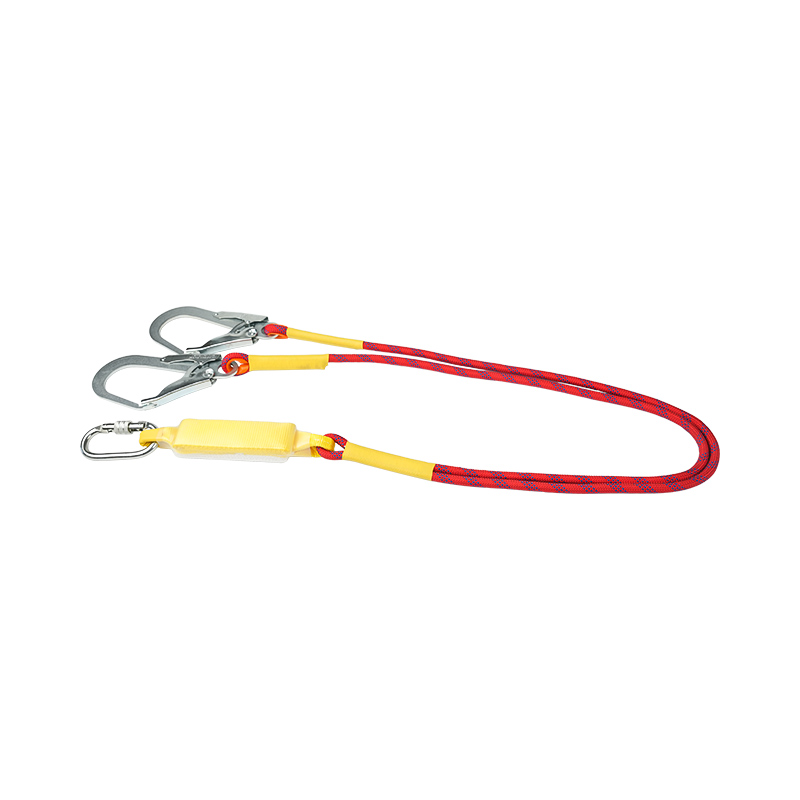
Nylon features high inherent elasticity, which provides a slight natural shock absorption. This makes the lanyard feel softer on the body during restraint. It is strong and flexible. However, nylon degrades significantly faster than polyester when exposed to UV radiation, moisture, and certain acids. Rope construction also makes a thorough internal inspection trickier than a flat webbing construction. Waterlogged nylon rope can also freeze and lose flexibility in cold storage.
For extreme environments, the base material must change. Kevlar offers exceptional heat and cut resistance, making it the first choice for welding and plasma-cutting proximity. It does not melt, dripless, and maintains integrity at temperatures where polyester would simply fail. UHMWPE (often known as Dyneema) offers a strength-to-weight ratio higher than steel on a per-weight basis and floats on water, making it valuable for specialized marine or rescue applications. The downside is cost; these fibers command a significant premium and require specialized splicing or stitching techniques.
If your team works in a standard construction environment without chemical exposure, polyester webbing is your functional and budget-friendly baseline. If there is hot work, only flame-resistant materials will do. You can explore custom rope and material options on our rope and webbing production overview page.
Buying a lanyard without understanding the standards is purchasing a false sense of security. Two standards dominate the US market: OSHA 1926.502, the regulation, and ANSI Z359.13, the technical performance standard. Simply seeing a stamp on a product is not enough; you need to know what post-certification tests the manufacturer performed.
OSHA requires that lanyards have a minimum breaking strength of 5,000 lbs. However, OSHA does not specify a maximum arrest force. That gap is filled by ANSI Z359.13, which mandates that the system limit the Maximum Arrest Force (MAF) to 1,800 lbs in the standard condition and specifies a dynamic test with a 282-lb rigid weight. Furthermore, the lanyard must have an elongation capacity sufficient to absorb the energy but not extend so far that the worker hits a lower level.
The label is a legal document. It must state the model, serial number, manufacturing date, length, applicable standards, and critical warnings. Missing labels should trigger an immediate removal from service. Additionally, every lanyard must ship with manufacturer instructions that detail compatible connectors and environmental limitations.
Demand batch-tested certification. A supplier who only does prototype testing is not validating the lanyard in your hands. A credible program tests random samples from every production batch to ensure stitching integrity and tear-force consistency. This is the difference between a certified design and a certified product.
General industry lanyards fail rapidly in specialized environments. Utility workers face arc-flash and conductivity risks. Welders face molten metal. Rescue teams face unpredictable loading. Using a standard polyester webbing lanyard in these scenarios is a critical exposure gap.
Electrical workers require lanyards constructed entirely from non-conductive materials. The webbing must be a non-conductive polyester or specialty blend, and the hardware and hooks must be insulated with a dielectric coating capable of withstanding specific voltage thresholds. Testing aligns with standards like ASTM F887. The danger of using standard steel hardware near energized lines is obvious, but moisture-saturated standard webbing can also become conductive. A dedicated dielectric twin lanyard, like the double-deck polyester dielectric lanyard with insulated hooks, eliminates that pathway to ground.
Sparks and spatter instantly compromise polyester and nylon. A lanyard for welding environments uses aramid fibers (Kevlar or Nomex) that char but do not melt. Similarly, the energy absorber stitching must use flame-resistant thread. Without this, a small blob of slag could cut through the tear-stitching, effectively pre-triggering the energy absorber or rendering it unable to hold a static load.
Technician rescue lanyards often combine a shock absorber with an integrated descent-management capability. They must handle 2-person loads. The material must be ultra-high-strength with high abrasion resistance for rope-on-edge scenarios. These are not off-the-shelf blue-collar connectors; they are specialized technical tools for an anticipated emergency.
A lanyard is a life-safety device, not a tool belt accessory. Before every use, a competent person must perform a visual and tactile inspection. A formal documented inspection should occur at least annually. If you cannot trust the lanyard blindly, it does not belong on a human body.
A detailed pre-use checklist should cover:
The retirement rules are absolute. Under ANSI Z359, a lanyard subjected to an actual fall arrest event must never be reused; it is a one-shot device. Additionally, remove a lanyard from service if it exceeds the manufacturer’s specific shelf and service life, usually expressed as a date 5 to 10 years from the manufacture date. Never exceed this, even if the lanyard looks new. Internal fiber degradation is invisible to the naked eye.
Cleaning should use only mild soap and water. Solvents, paints, strong detergents, and bleaching agents chemically attack the fiber and void the product’s certification.
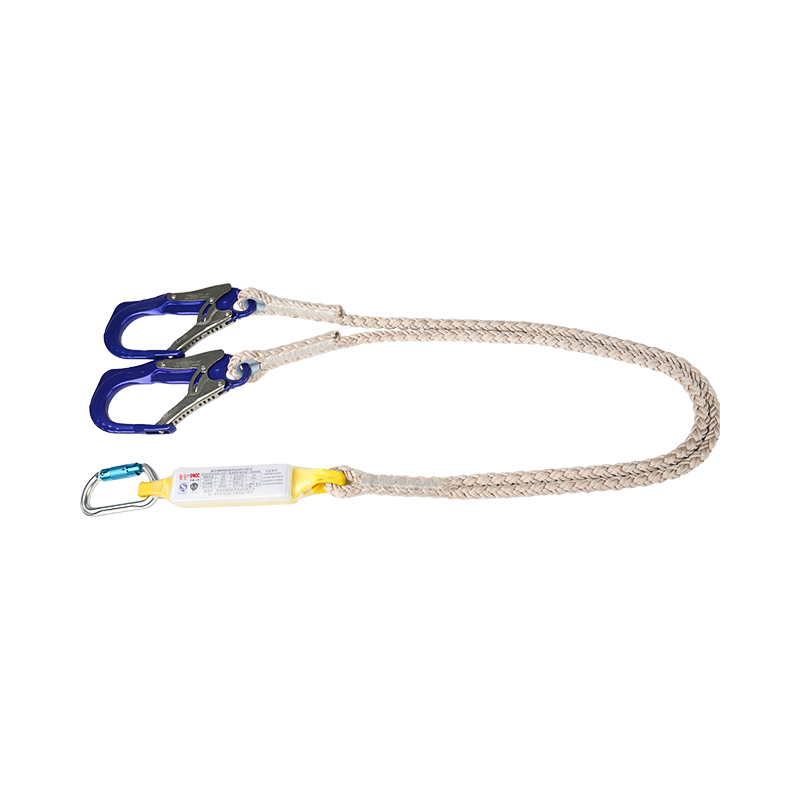
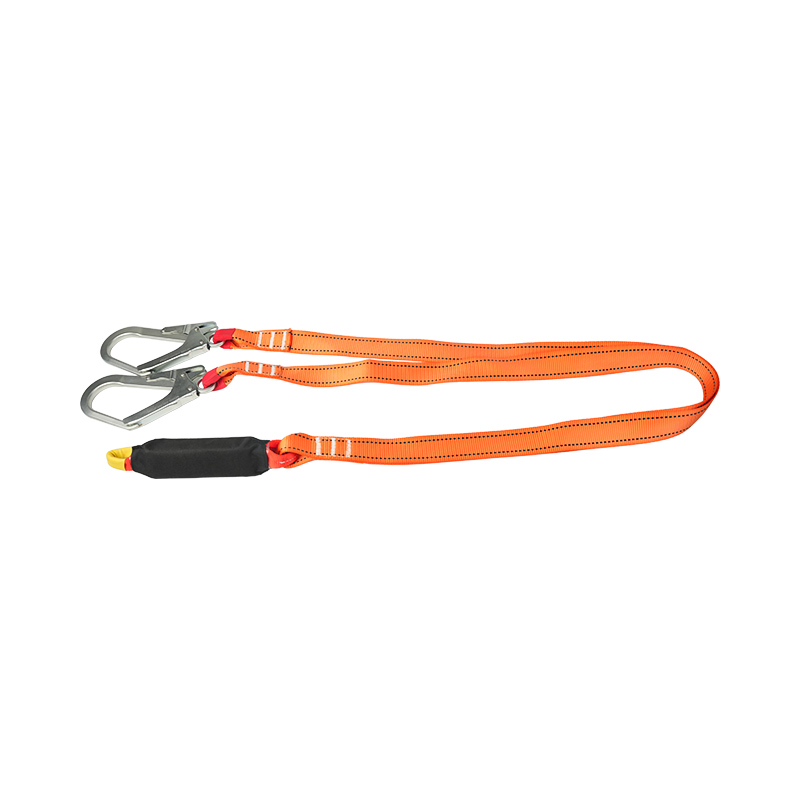
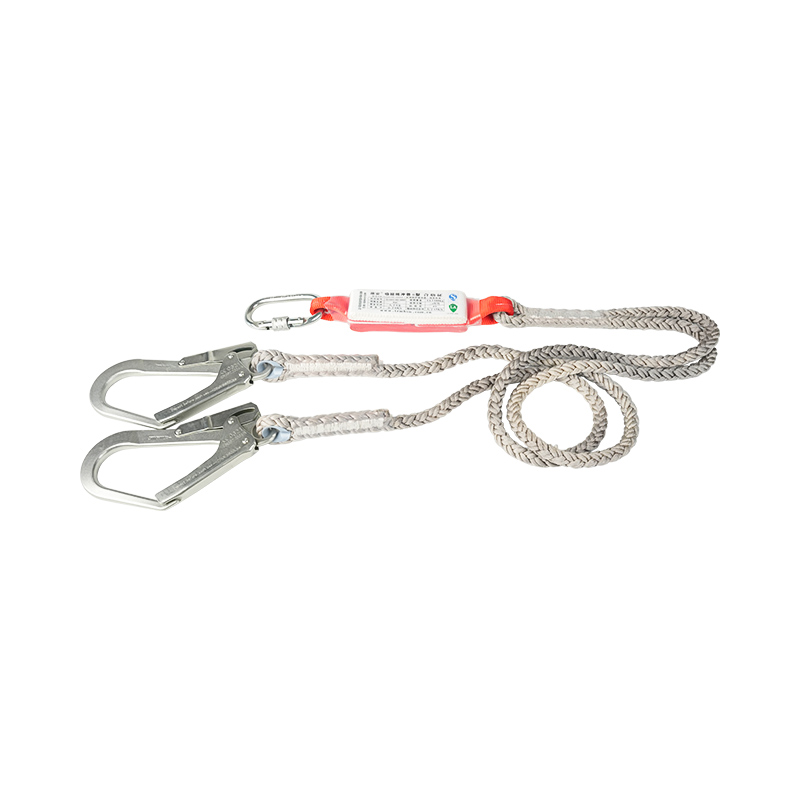
Continuous tie-off is the goal of any safe climbing operation — you should never be unprotected while moving. A single-leg lanyard forces you to release the anchor to reposition, creating a dangerous gap in protection. In contrast, a twin-leg lanyard allows a worker to travel past intermediate anchors along a structure, connecting the second leg before disconnecting the first.
The operational difference is stark. A single leg is simpler, lighter, and cheaper, ideal for static positions where you tie in once and stay put. A twin-leg, or Y-lanyard, is the standard for tower climbing, steel erection, and scaffolding assembly where movement is constant. It requires more user discipline. The legs must be properly routed to avoid cross-gate loading and must not be hooked back onto themselves unless specifically designed as a tie-back lanyard.
The primary risk with a twin leg is the dangling unused leg snagging on protrusions or creating a tripping hazard. This risk is managed by using a lanyard with an integral parking attachment for the idle leg, keeping it close to the harness and away from the feet.
Off-the-shelf lanyards often miss the mark for large fleets with specific branding, environmental, or connector requirements. Specifying a custom original equipment manufacturer (OEM) lanyard turns a commodity safety product into a strategic asset. It reduces field failures caused by workers modifying their gear and simplifies inventory management.
The specification process starts with your worst-case working environment. Define the base material first — polyester for general use, nylon for soft restraint, or Kevlar for welding — as this drives the entire bill of materials. Then, lock in the user length. The standard 6-foot length is convenient for formula calculations, but a 4.5-foot or custom length can reduce fall clearance and weight.
Connector selection is the next critical decision point. Do you need aluminum scaffold hooks to reduce weight without sacrificing gate strength, or ANSI steel rebar hooks for large-diameter tie-off points? The choice of one carabiner and one hook versus two hooks changes the anchor interface entirely. Finally, define your labeling and packaging requirements. Custom heat-sealed patches, multi-language instruction sheets, and individually serial-numbered labels turn a generic product into your brand’s own certified solution. To start building your own specification sheet, review our custom OEM process for personal protective equipment here.

San Ye Road, Si Xiang Sub-district, Hai Ling District, Tai Zhou City, Jiang Su Province, China

+86 151-5262-8620
Copyright @ Taizhou KA Protection Products Co., Ltd. All Rights Reserved



 English
 Español
 عربى
عربى
