Content
Ask anyone who has spent a full season on site and they will tell you the same thing: most damaged fall protection equipment was not damaged while it was being used. It was damaged in the back of a van, on a nail in a container, or packed away damp on a Friday afternoon. We have been manufacturing harnesses, lanyards and safety ropes since the 1980s, and the storage questions we receive today are almost identical to the ones we received twenty years ago. This guide is our practical answer.
Webbing, rope fibre and metal hardware are all engineered to take a hard, brief load. None of them are engineered to sit for months in heat, humidity and sunlight. Storage is not about tidiness or appearance. It is about whether the equipment still performs at the moment somebody's weight depends on it.
The usual suspects are consistent. Ultraviolet light from a window or a skylight degrades synthetic fibres slowly and silently. Heat softens coatings, dries out padding and ages stitching thread. Damp is worse than either, because it lets mould grow inside the weave. Cement dust, salt, fuel and solvent fumes finish the job. Every one of these is a storage problem, not a use problem, and every one of them is avoidable with a little discipline.
| Condition | What to aim for | Why it matters |
|---|---|---|
| Temperature | Cool and stable, roughly 5 to 25 °C | Heat ages synthetic webbing and can distort hardware |
| Humidity | Dry, ventilated air | Moisture encourages mould, which attacks fibres and stitching |
| Light | Dark cabinet, box or closed store room | Sunlight breaks down the polymers that give webbing its strength |
| Chemicals | Separate from fuel, solvents, acid and cement | Vapours alone can degrade webbing and corrode plated parts |
| Physical load | Nothing stacked on top of harnesses or shock absorbers | Crushing and sharp folds create weak points that inspections miss |
| Records | Date, identity and condition logged on arrival and return | Traceability turns a routine check into a reliable one |
Water rarely destroys webbing overnight, but what grows in it will. Mould and mildew live on dirt trapped between the fibres, and the acids they produce attack both the webbing and the thread that holds it together. Nylon also loses a measurable share of its strength while wet. If a harness comes back from site soaked, dry it at room temperature, away from a radiator or a space heater, before it goes anywhere near a store room.
Rinse off mud, cement dust and salt with lukewarm water and a little mild soap, then air dry. Never use bleach, degreasers, petrol or strong solvents, and never put webbing or rope through a tumble dryer. Cement deserves its own mention: it is alkaline, it pulls moisture out of the air, and left in place it becomes genuinely corrosive to stitching and plated hardware.
A good harness deserves better than a nail behind the site office door. A few habits make the difference between equipment that lasts years and equipment that fails its second inspection:
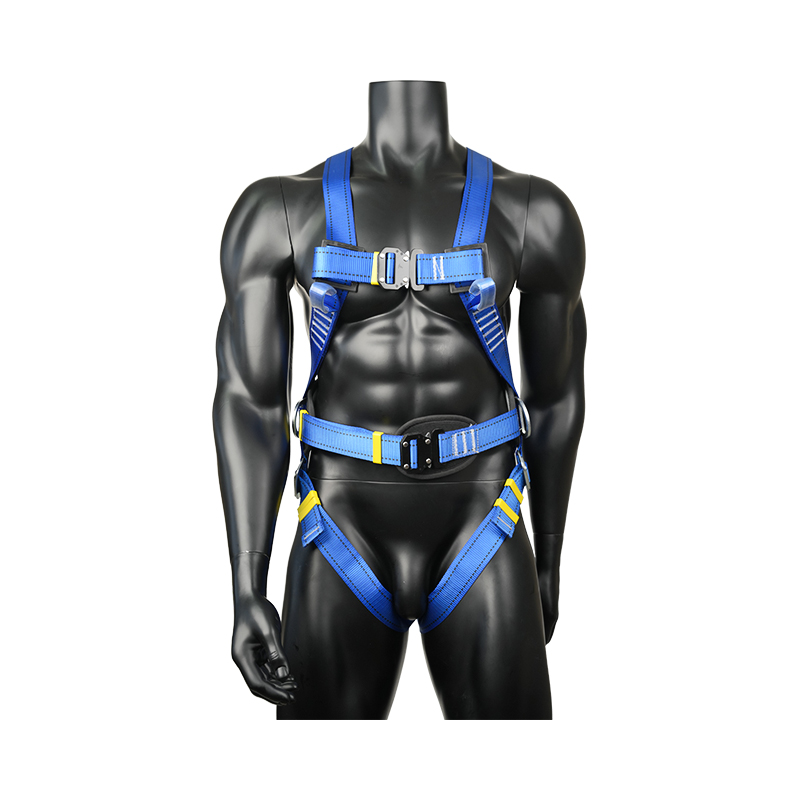
For teams that unpack and repack the same harnesses every working day, it helps to start with models built for that handling. Our
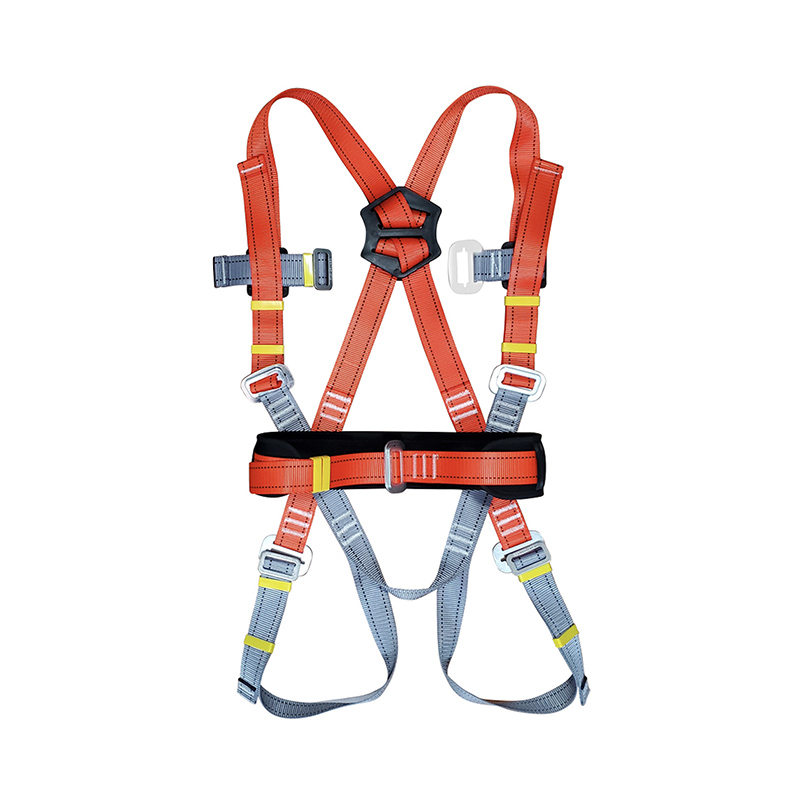 KA06 Construction Full-Body Safety HarnessA single back D-ring full-body harness with adjustable straps and EN361 compliance, suited to construction teams that pack and store harnesses daily.View Product →
is a simple, single-D-ring construction harness that folds flat easily and survives daily storage with very little fuss.
Rope is more forgiving than a harness in some ways and less forgiving in others. It tolerates being coiled, but it remembers kinks, and a kinked rope handles badly and wears faster against every edge it touches.
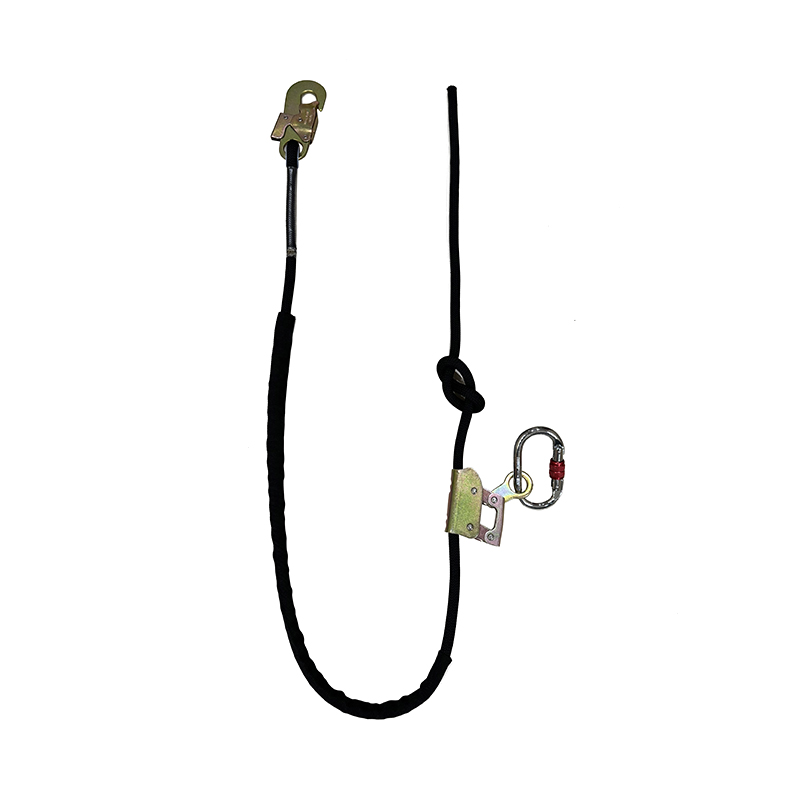
Where ropes are stored near glazing or in a shed with a translucent roof, sunlight becomes the main risk over time. A rope such as our
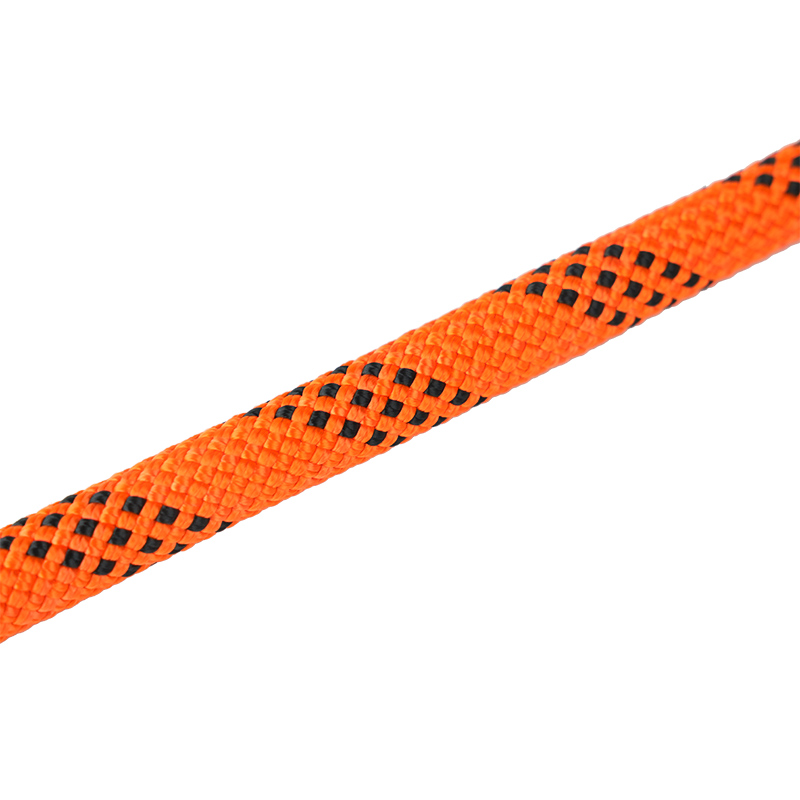 11 mm UV-Resistant Polyester Safety RopeA low-stretch kernmantle rope in 11 mm with EN1891A conformity, offering UV and weather resistance for height-safety work while still needing shaded storage.View Product →
is made with UV and weather resistance in mind for outdoor and semi-outdoor work, which buys useful margin, but it is still no substitute for a shaded store.
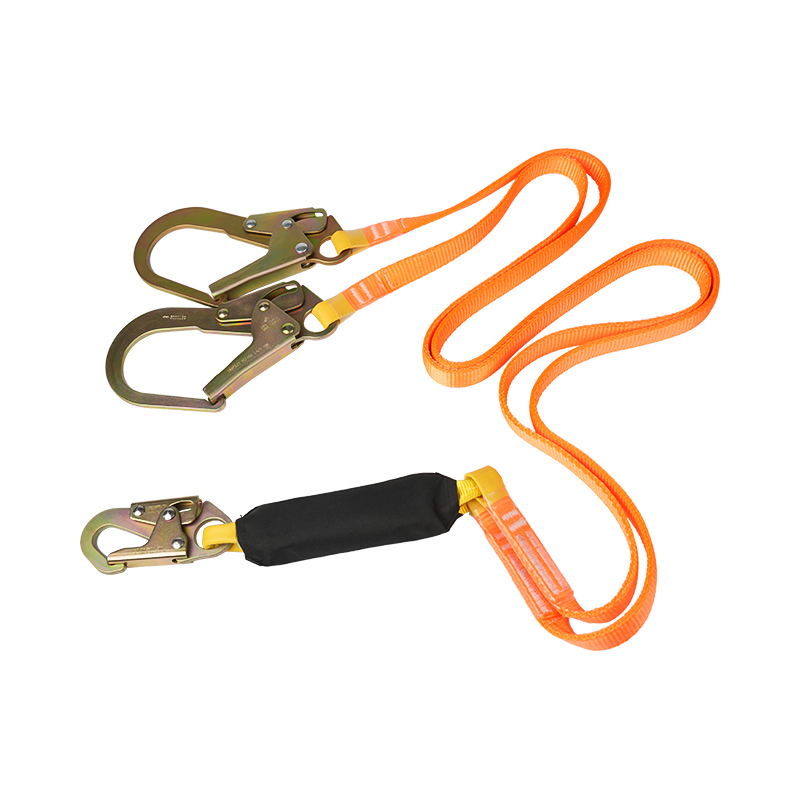
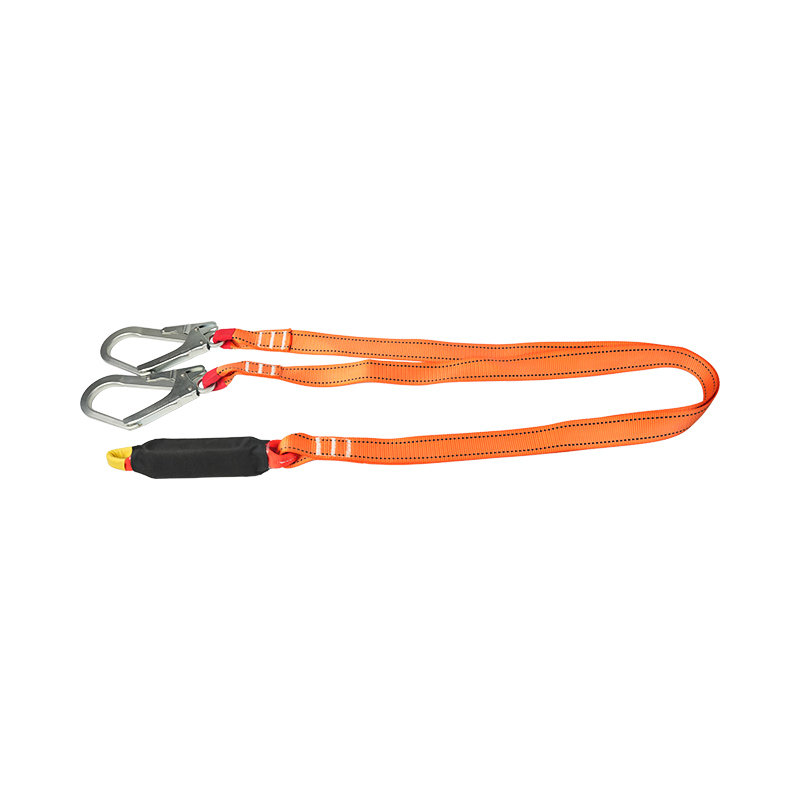
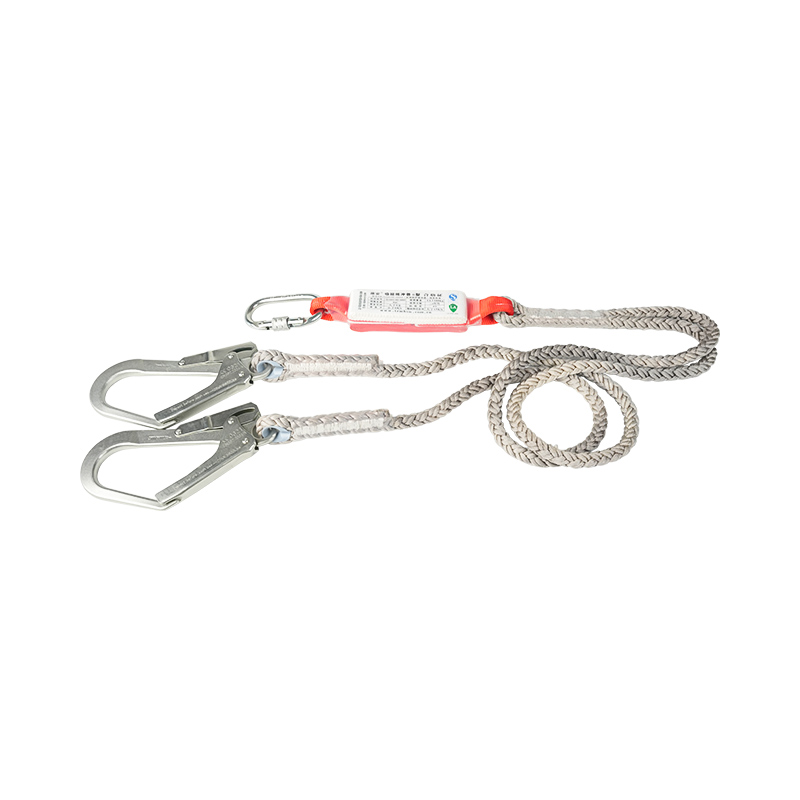
Lanyards and shock absorbers are often where storage mistakes cost the most, because the damage is invisible. A tear-open pack that has been crushed by a toolbox, a webbing lanyard folded sharply along the same line for months, or a hook whose plating has begun to flake will all survive a casual glance and fail a proper inspection.
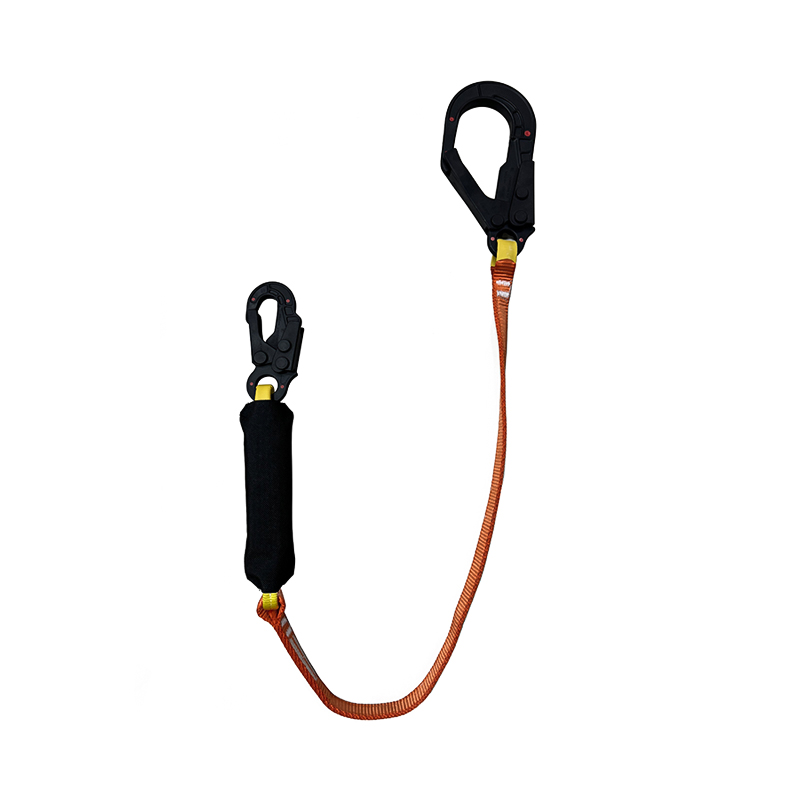
A single-leg lanyard with an integrated energy absorber, like our
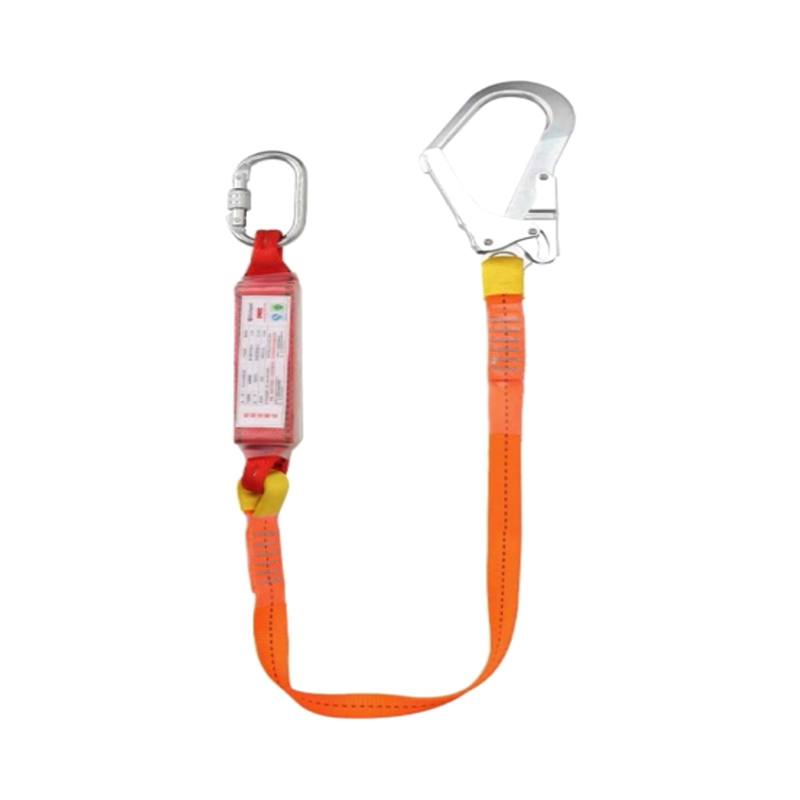 KA-LS06 Single-Leg Fall Arrest LanyardA 44 mm webbing lanyard with integrated shock absorber, forged scaffold hook and carabiner, easy to pack and keep tidy between elevated-work tasks.View Product →
, is easier to keep tidy when the webbing is 44 mm wide and the pack is compact enough to hang without pressure on the folds.
Site storage is where good intentions usually fall apart. A steel job box standing in full sun can reach temperatures that quietly age synthetic webbing. A van shelf beside a window does the same thing more slowly. Shipping containers sweat, and anything resting against an outer wall gets the worst of it.
Storage is only half of the routine; the other half is checking. A two-minute inspection at the start and the end of every shift catches nearly everything: cut or frayed webbing, pulled stitches, a bent D-ring, corrosion, heat glazing, or a shock absorber pack that has already been opened. Anything that fails goes out of service immediately, tagged and separated from working kit so nobody picks it up by accident.
If you would like a structured version of that routine for a larger team, our inspection and training walkthrough covers the checkpoints we recommend, from webbing and stitching to connectors and anchor points.
A harness or a rope does not stop being safety equipment when the shift ends. The way it is put away decides whether it is still the same product when it is picked up again, and that is a habit rather than a purchase decision. We build harnesses, lanyards and safety ropes for customers who take that seriously, and we are always glad to talk through storage, inspection and product selection for a site or a catalogue. If you would like a second opinion on what suits your team, get in touch and tell us what your working day looks like.

San Ye Road, Si Xiang Sub-district, Hai Ling District, Tai Zhou City, Jiang Su Province, China

+86 151-5262-8620
Copyright @ Taizhou KA Protection Products Co., Ltd. All Rights Reserved


 English
 Español
 عربى

