Content
A horizontal lifeline looks simple from the ground: a cable strung between two structural points, with workers clipping in along its length. In practice it is one of the most heavily engineered pieces of fall protection on a site, because the anchors, cable, tension, sag, clearance and rescue plan all have to work together as one system. We build harnesses, lanyards and rope products for crews working at height, and the same questions come up in every project: how far apart can the supports be, how many people can clip in at once, and does the whole thing really need an engineer? This guide walks through the requirements that govern horizontal lifelines in plain language.
A horizontal lifeline is a flexible anchor line installed between structural anchors, with or without intermediate supports, to which a worker connects through a full body harness and lanyard. It is an anchor system for fall arrest, restraint or work positioning. It is not a guardrail, and it is not a wire for hoisting materials.
Three distinctions matter when you specify one:
The line itself is only half of the system. Harness, lanyard, connectors and the anchor structure must be compatible and rated as a set. A quality cable attached to a pipe that was never checked is still a hazard.
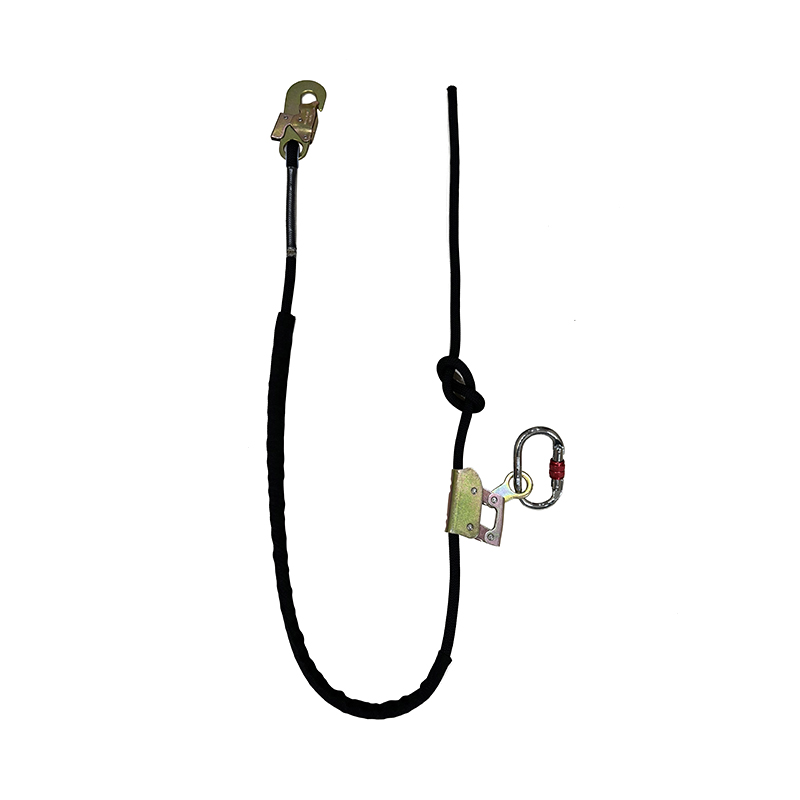 Positioning Lifeline with Nylon RopePositioning lifeline combines a 12 mm static rope, rope grab and two hooks; CE EN 358, useful when matching positioning components within a rated system.View Product →
Requirements come from three directions: OSHA in the United States, the ANSI/ASSP Z359 family of consensus standards, and the EN 795 series used in Europe and many export markets. The table below shows what each area of requirement controls.
| Area | Typical reference | What it controls |
|---|---|---|
| Design responsibility | OSHA 1926.502(d)(8); 1910.140(c)(8) | Designed, installed and used under supervision of a qualified person |
| Anchor strength | OSHA 1926.502(d)(15) | 5,000 lb (22.2 kN) per worker attached, or a design with safety factor of at least 2 |
| System safety factor | OSHA; ANSI/ASSP Z359.6 design process | All components rated at least 2:1 against the maximum expected load |
| Arresting force | OSHA 1926.502(d)(16); EN 355 | 1,800 lbf limit on OSHA systems; absorbers keep force near 6 kN under EN |
| Free fall | OSHA 1926.502 | Free fall limited to 6 ft (1.8 m) |
| Product standard | EN 795:2012 Type C; ANSI/ASSP Z359.18 | Tested, labeled anchor product with load data and instructions |
| Users per span | Manufacturer engineering and qualified-person design | Number of workers at once; span and intermediate support spacing |
| Inspection | OSHA 1910.140; EN 365 | Pre-use checks, periodic detailed inspection, removal after a fall |
A qualified person is not simply someone comfortable at height. Under the OSHA definition it is a person with a recognized degree, certificate or professional standing, or who by extensive knowledge, training and experience can solve problems relating to the subject matter. For a horizontal lifeline, that person confirms the structure, the span, the number of users, the sag, the fall clearance and the rescue arrangements, and puts the result in writing.
ANSI/ASSP Z359.6 formalizes this design process for active fall protection systems, and manufacturers typically publish design tables only for the conditions they tested. If your structure, span or user count differs from those tables, an engineer has to sign off. Site conditions belong in the same conversation: coastal corrosion, chemical exposure, heat, wind vibration and nearby power lines or crane paths all change the answer.
Cable deflects. Under arrest load the line sags, which adds to fall distance and increases the energy the system must absorb. Clearance is therefore calculated, never estimated. A practical calculation adds up the following:
If that total exceeds the distance to the level below, the system cannot protect the worker. Many engineered single-span cable systems allow spans up to about 60 ft between end anchors, with intermediate posts added on longer runs. Those figures vary by product, so always pair manufacturer data with an engineer's confirmation. If you are still choosing between cable, rail and synthetic systems, our overview of horizontal lifeline anchors, load rules and span choices goes deeper into the trade-offs.
Watch for swing fall as well. Working off to the side of a line lengthens the fall and can swing a worker into structure. Plan access so people stay close to being under the line.
Most steel systems use 3/8 in (9.5 mm) diameter 7x19 galvanized aircraft cable as a minimum, with EN systems commonly around 8 mm and stainless grades used on corrosive sites. Terminations are swaged, wedge or thimble-and-clip, matched to the design load. Turnbuckles tension the line, while an inline or end-anchor absorber dissipates arrest force.
Rules we repeat to customers:
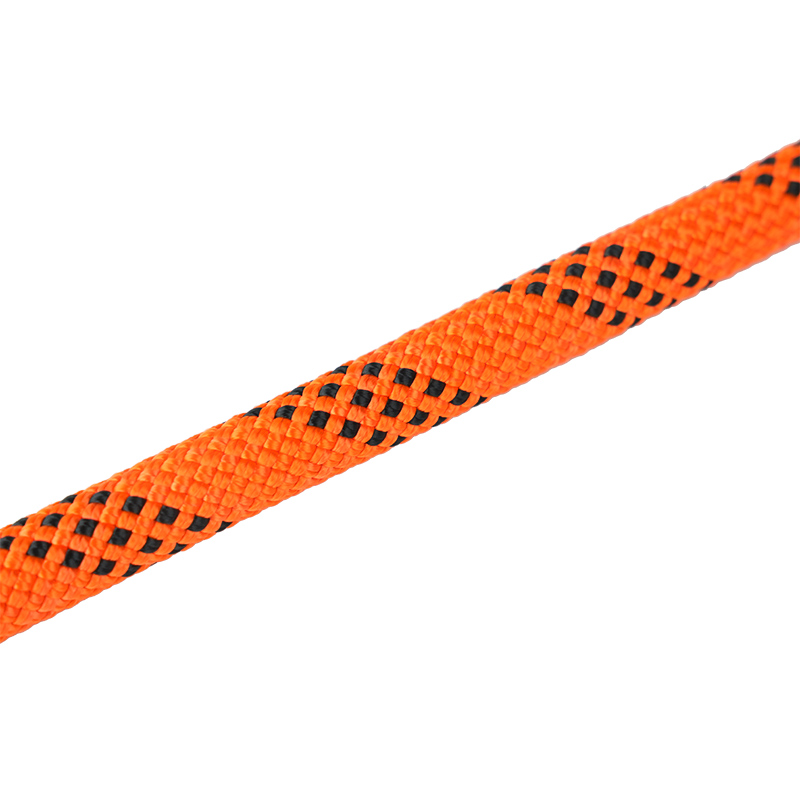 11mm UV-Resistant Polyester Static Safety Rope11 mm low-stretch polyester Kernmantle static rope with UV/weather resistance and EN 1891A; review when selecting compatible height-work rope components.View Product →
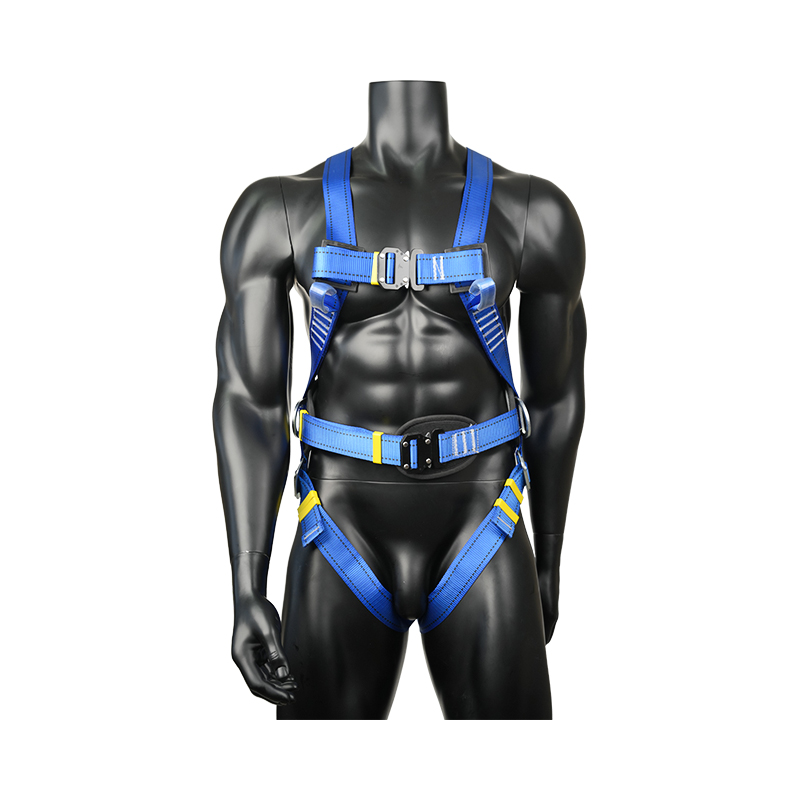
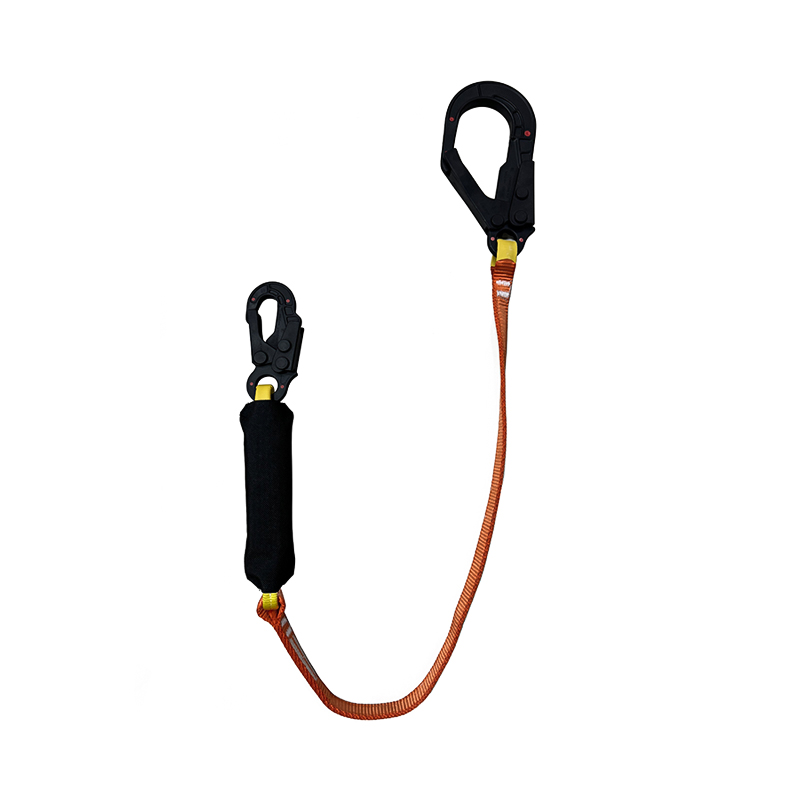
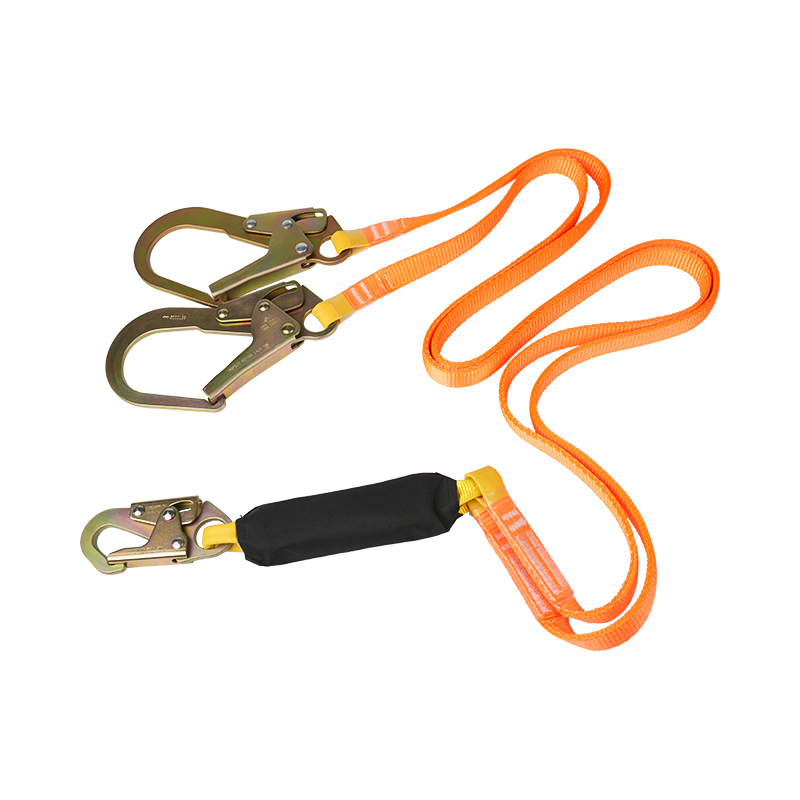
Users need a full body harness with a dorsal or front D-ring (EN 361 or ANSI Z359.11), a lanyard with an energy absorber (EN 355 or Z359.13), and compatible connectors (EN 362 or Z359.12). Body belts are not acceptable for fall arrest. Keep the lanyard as close to horizontal or above the D-ring as practical, because the higher the line, the shorter the free fall. A low anchorage point increases free fall, arrest force and clearance requirements.
Training is a requirement in its own right, and so is a rescue plan that can reach a suspended worker promptly. Users should also know the maximum number of people per span and which connectors are permitted on the system.
Inspection works in three tiers: a pre-use check by the user for tension, damaged terminations, broken wires, corrosion, label legibility and changed sag; a detailed periodic inspection by a competent person; and a special inspection after any arrest event. Any system that has stopped a fall is removed from service until it is recertified.
Keep the paperwork together: the design report, installation record, verification results, inspection logs, training records and rescue plan. Insurers ask for them, and so do auditors.
Have these six items ready and most specification problems disappear before the first email:
When the lifeline is part of a larger package of harnesses, lanyards, positioning lines and ropes, sourcing from one supplier simplifies compatibility and documentation. Our team can review your layout and match harnesses, lanyards and rope components to the design, and custom rope assemblies can be produced to your drawing.
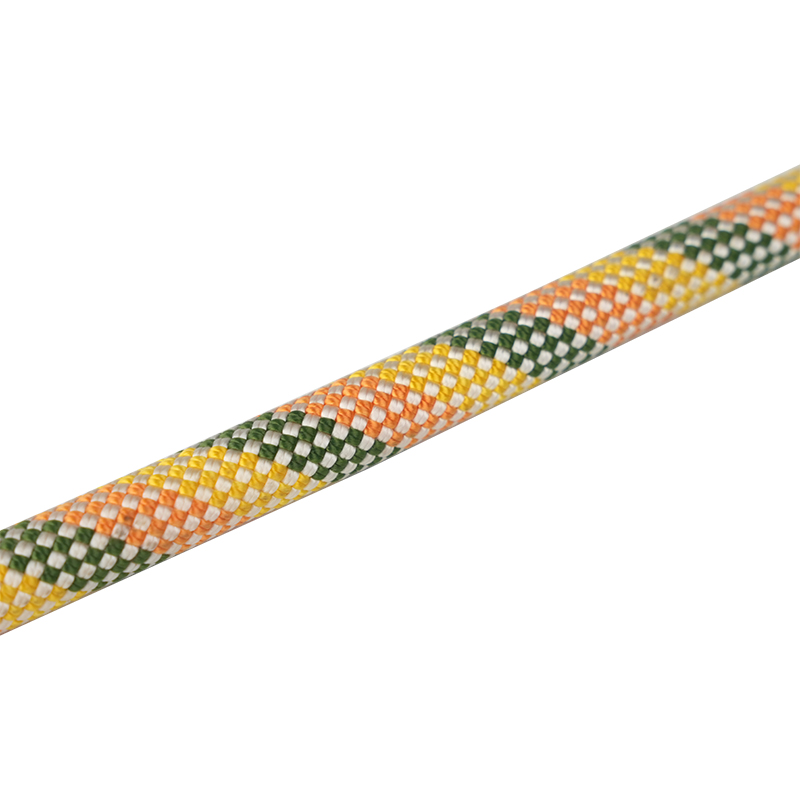 Custom Safe Rope for Lifeline PackagesCustom safety rope offers 2–20 mm diameter, material and braid options, and Pantone color matching; useful when aligning rope components with a lifeline package.View Product →
Horizontal lifeline requirements are not there to make procurement difficult. They exist because the line has to work on the worst day, not the best one. Design it with a qualified person, respect the span, user and clearance limits, buy compatible certified components, and inspect on a schedule. If you would like a second pair of eyes on your specification, discuss the project with us and we will tell you honestly what we can supply and where an independent engineer needs to sign off. Done properly, the cable overhead becomes what it should be: quiet, dependable protection that lets your crew focus on the work.

San Ye Road, Si Xiang Sub-district, Hai Ling District, Tai Zhou City, Jiang Su Province, China

+86 151-5262-8620
Copyright @ Taizhou KA Protection Products Co., Ltd. All Rights Reserved



 English
 Español
 عربى
عربى
