Content
A horizontal lifeline anchor is the one part of a fall protection system that is supposed to stay perfectly still. Everything above it moves, the worker, the harness, the lanyard, the traveller, and even the cable as it tensions under load, but the anchor holds. That is exactly why it deserves more scrutiny than it usually gets in a project meeting.
We have been making safety harnesses, lanyards, positioning lines and the ropes that feed them since 1986, and one pattern never changes: buyers compare hooks and colours for an hour, then treat the anchor as somebody else's problem. This guide looks at the anchor side of a horizontal lifeline, what the different anchors are, what loads they really carry, how span and sag change the numbers, and how to match the PPE once the anchors are in place.
Follow the load path and the logic becomes obvious. A falling worker loads the harness, which loads the lanyard, which loads the traveller, which loads the cable, which loads the anchors at both ends and at every intermediate support. By the time the force reaches the anchor it has passed through the geometry of the cable, and geometry has a way of multiplying forces.
This is the most misunderstood point about horizontal lifeline anchors. The arrest force measured at the back D-ring of a harness is not the force the anchor sees. A tensioned cable must stretch and deflect before it stops a fall, and it transfers a load that is often a multiple of the arrest force, arriving with a horizontal component as well as a vertical one. That is why engineered systems are calculated rather than guessed, and why a figure that works well for a single rigid anchor is not automatically the answer for a cable run spanning twenty metres.
So do not size anchors from the harness rating. Size them from the system calculation, then check that calculation against the standard governing your site. Our article on the OSHA 5,000 lb anchor rule explains how that number is applied in practice.
Whatever the project, the anchor usually belongs to one of these families.
Posts, plates and parapet clamps that terminate a cable run or support an intermediate span. Common on warehouses, commercial roofs and plant rooms where maintenance crews work near an unprotected edge.
Beam clamps, trolley anchors and welded lugs. Nothing is drilled into the frame, installation is quick, and the anchor can be repositioned as the structure grows. Check the flange thickness range and the rated direction of load.
Cast-in inserts, mechanical anchors and chemical anchors. Here the substrate sets the limit rather than the hardware, so concrete strength and edge distance must be verified before anything is ordered.
Counterweighted bases and cross-arm frames that sit on a flat roof without penetration. They are heavy, they must be positioned exactly as drawn, and they are limited to the roof slopes stated in their instructions.
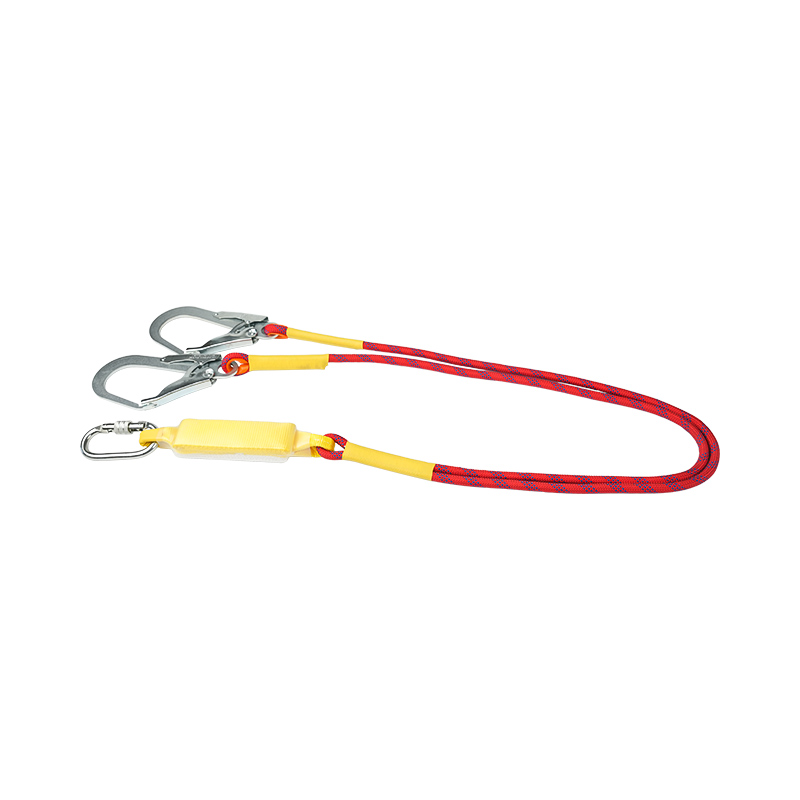
Rope-based solutions deserve a place on that list as well. A positioning lifeline with a nylon rope is often the simplest way to give a worker a fixed point for hands-free work on a facade or tower, and it pairs naturally with the anchors described above.
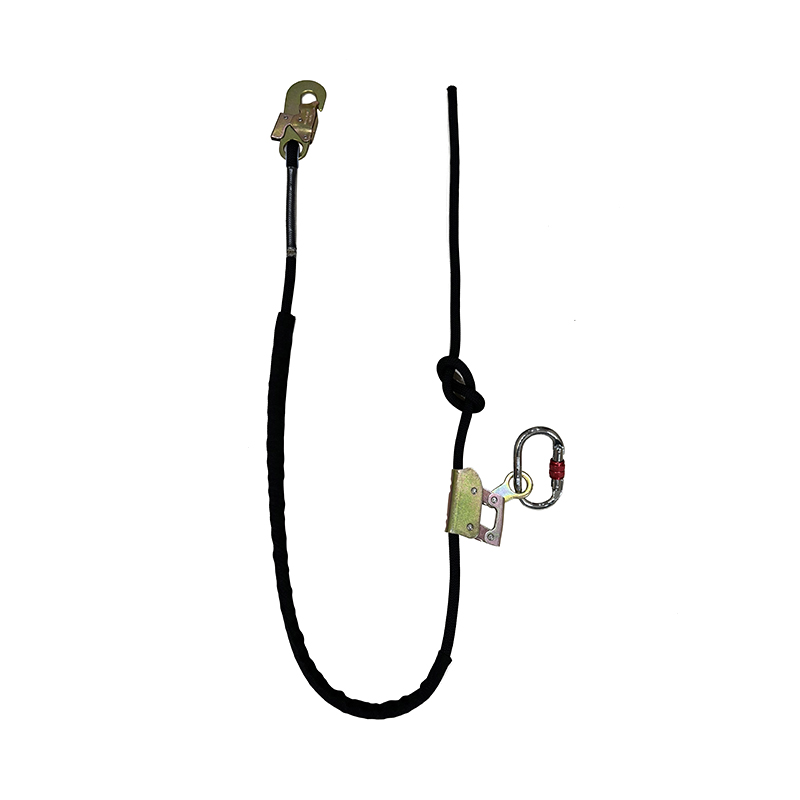 Position Lifeline With Nylon RopeThe positioning rope is used for positioning the angle of aerial work. Our positioning rope consists of a 12mm static rope, a rope grab, and two connecting hooks. The ...View Product →
Anchor requirements are written in different languages depending on where you sell. In the United States, OSHA 1926.502 requires anchorages used for personal fall arrest to support at least 5,000 pounds per worker attached, or to be designed with a safety factor of at least two. In Europe, EN 795 classifies anchor devices and leans on the manufacturer's declared rating. ANSI Z359.6 takes another route again: for engineered horizontal lifeline systems the numbers come from a qualified person's structural calculation rather than one universal figure.
For an importer or a distributor this matters commercially. A customer who has bought single-point roof anchors for years will ask for the same paperwork on a cable system, and the answer is not the same document.
| Reference | Scope | Anchor strength expectation |
|---|---|---|
| OSHA 1926.502 | Personal fall arrest anchorages, United States | 5,000 lb per worker, or a safety factor of at least two |
| ANSI Z359.6 | Engineered horizontal lifeline systems | Set by a qualified person's structural calculation |
| EN 795 | Anchor devices, Europe | Device class and manufacturer rating govern |
| System rating | Number of users, span and pretension | Never exceed the rated capacity of the system |
Two numbers quietly decide whether a system is comfortable or dangerous: the span between supports and the sag of the cable.
Sag is not a defect. A cable needs some slack and some pretension so the traveller can run, but every centimetre of sag is extra distance a worker travels before the system engages. Add the deployment of the energy absorber, harness stretch, the worker's own height and a safety margin, and you have the fall clearance the system needs below the walking surface. On a mezzanine or a loading dock, clearance is often the factor that rules out a horizontal lifeline altogether.
Swing fall is the companion problem. If the worker's connection sits far to one side of the fall, the pendulum at the bottom of the arc can be more dangerous than the fall itself, so position anchors and lanyards to keep the working line as close to directly above the worker as the task allows.
Once the anchor and cable are settled, the PPE side is comparatively simple, provided both ends of the system are chosen together rather than separately.
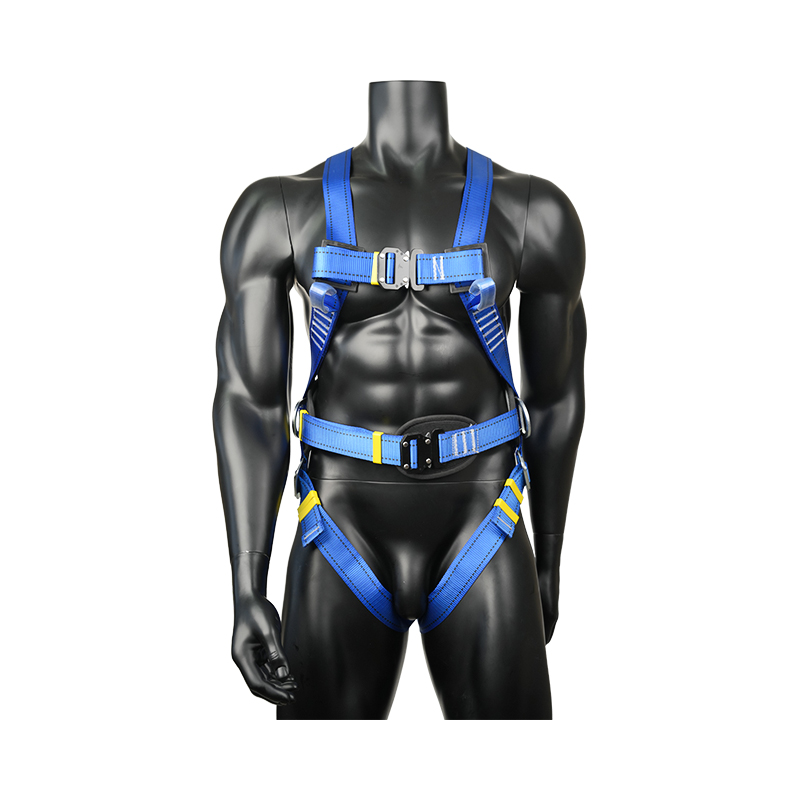
For a horizontal lifeline the harness needs a strong dorsal D-ring and, if the worker must lean into a task, side or front D-rings for positioning. A general-purpose full-body harness with six D-rings, quick-release buckles and padding, such as our KA01, suits platform, construction and maintenance work where the same person moves between tasks through the day.
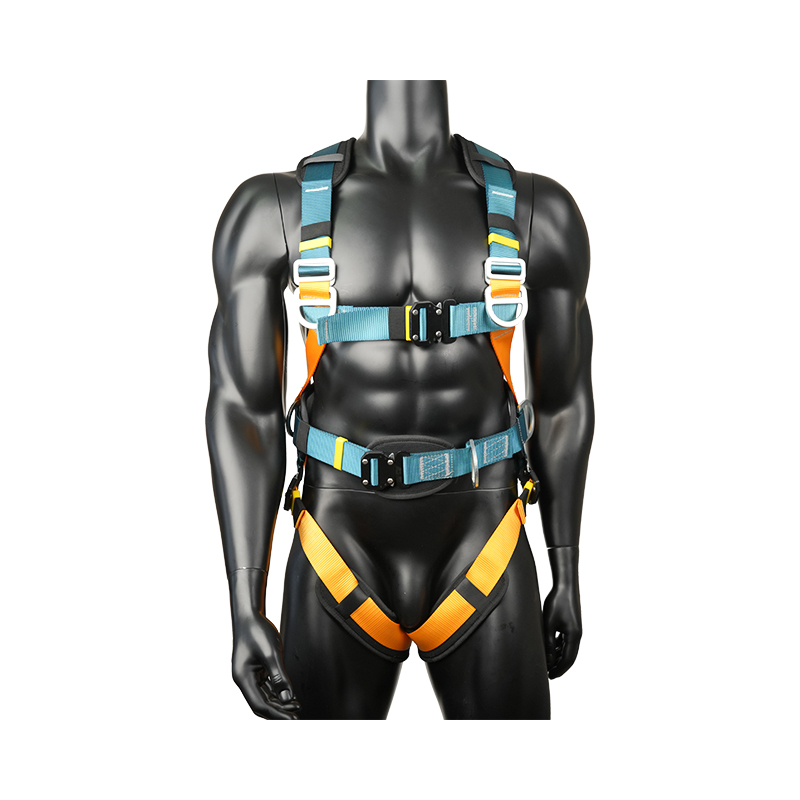 KA01 Universal Full Body Fall Protection Safety Harness With 6 D-Ring, 4 Quick-Released BuThis high-end 5-point fall protection harness is designed for comfort and durability. Equipped with large, highly breathable protective padding on the shoulders, waist...View Product →
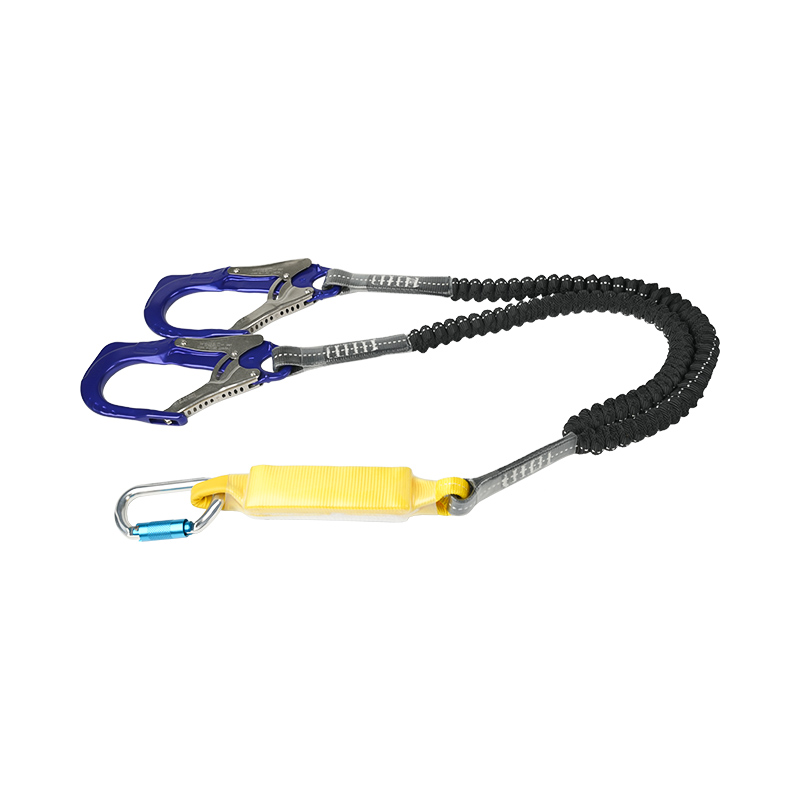
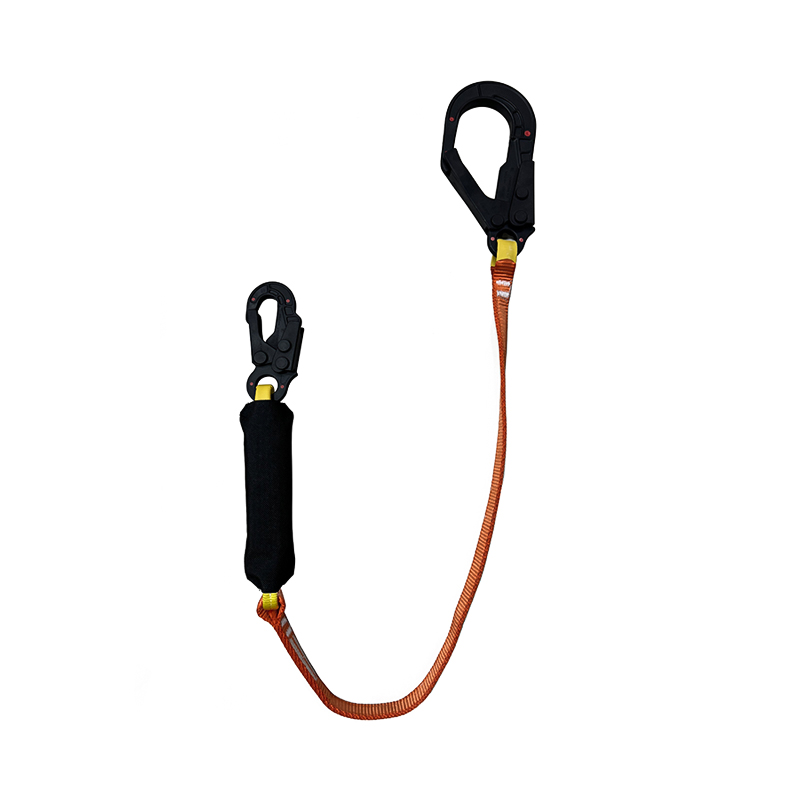
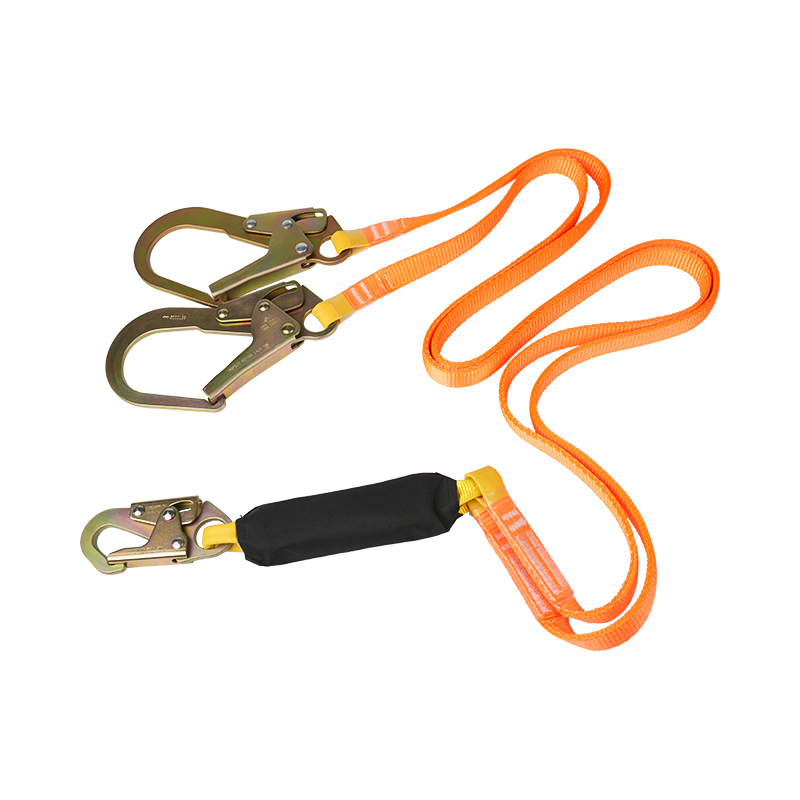
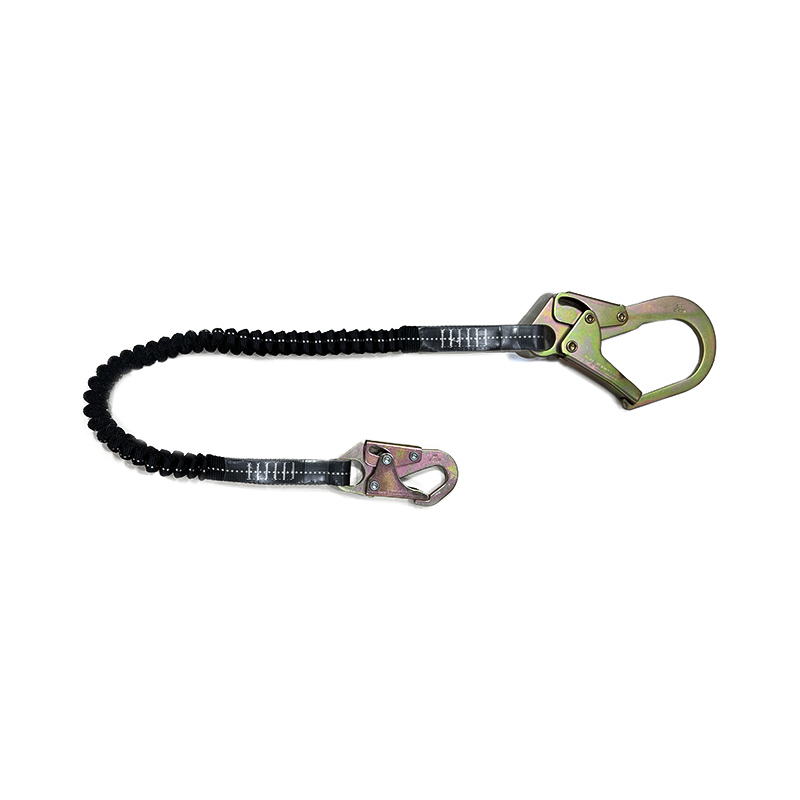
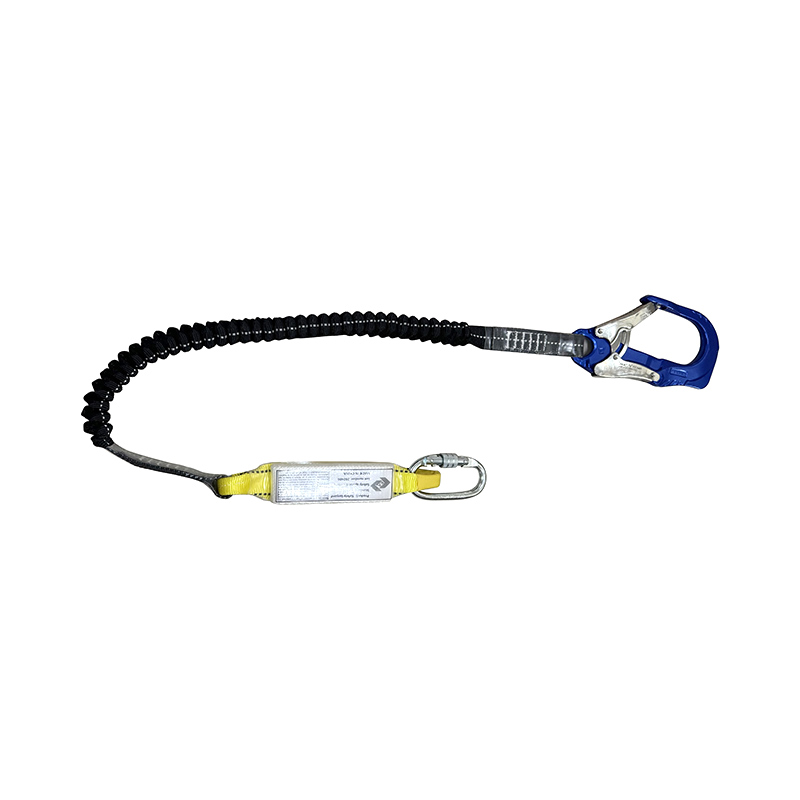
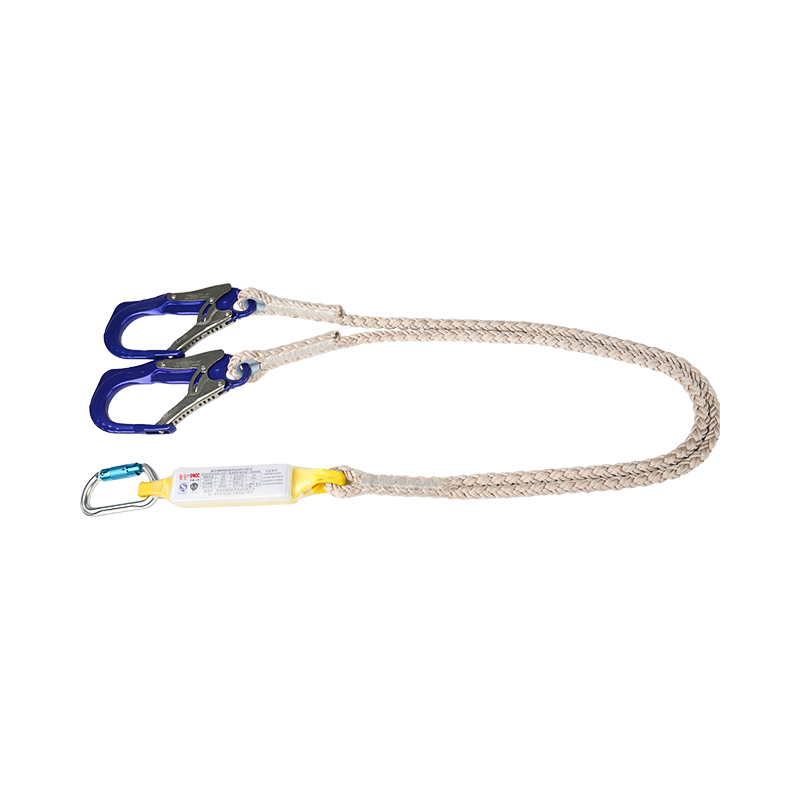
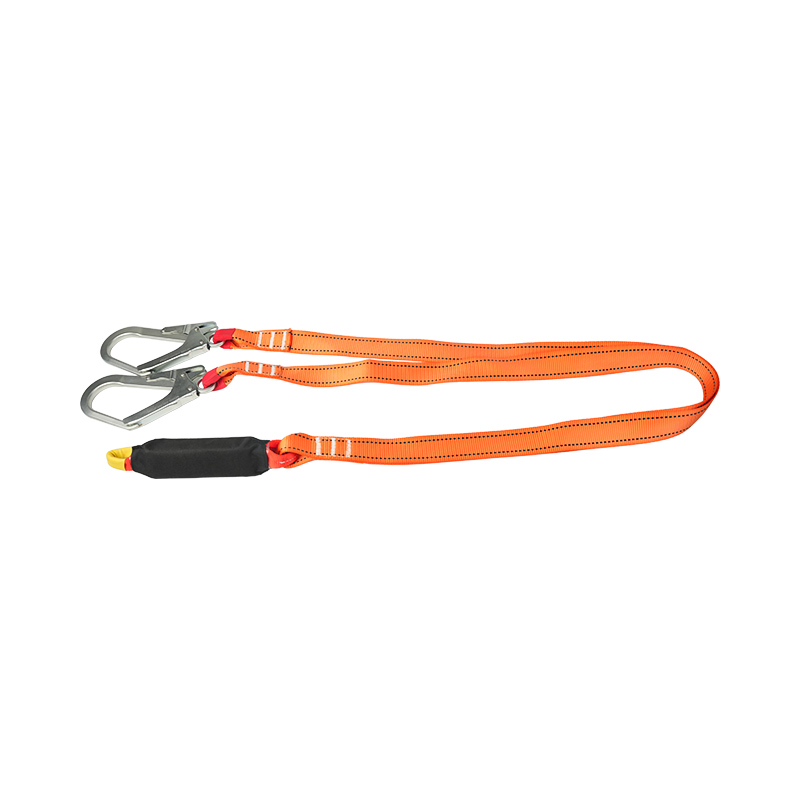
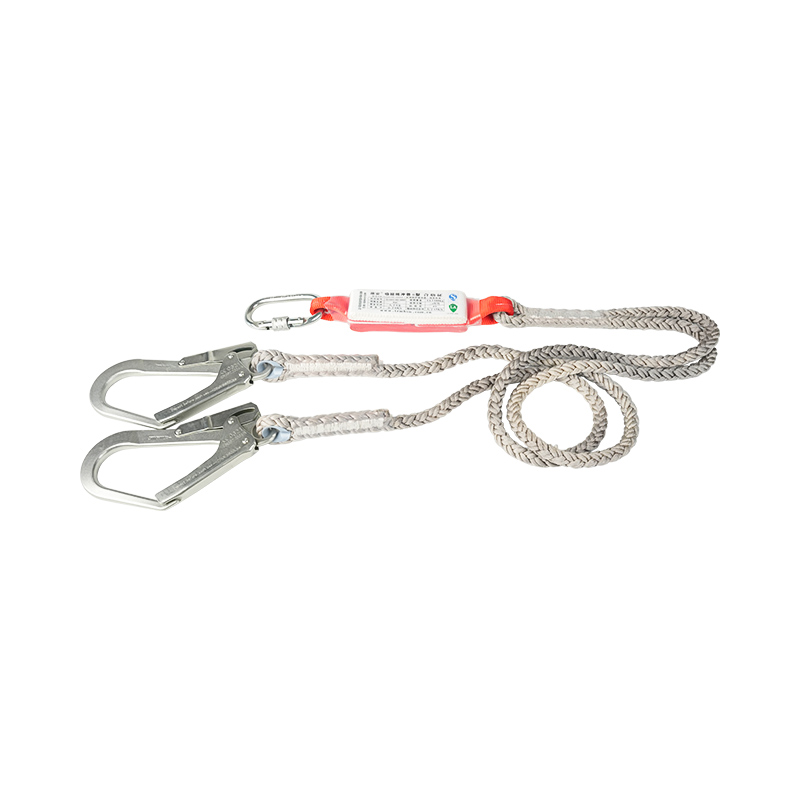
The lanyard is the part that lives between the harness and the traveller. A single shock-absorbing lanyard with a scaffold hook and a carabiner is the classic choice when the worker can stay connected at all times, while a twin lanyard makes 100 percent tie-off possible when moving past intermediate anchors. Keep the connectors compatible with the traveller, and remember that a lanyard with an energy absorber needs room to deploy.
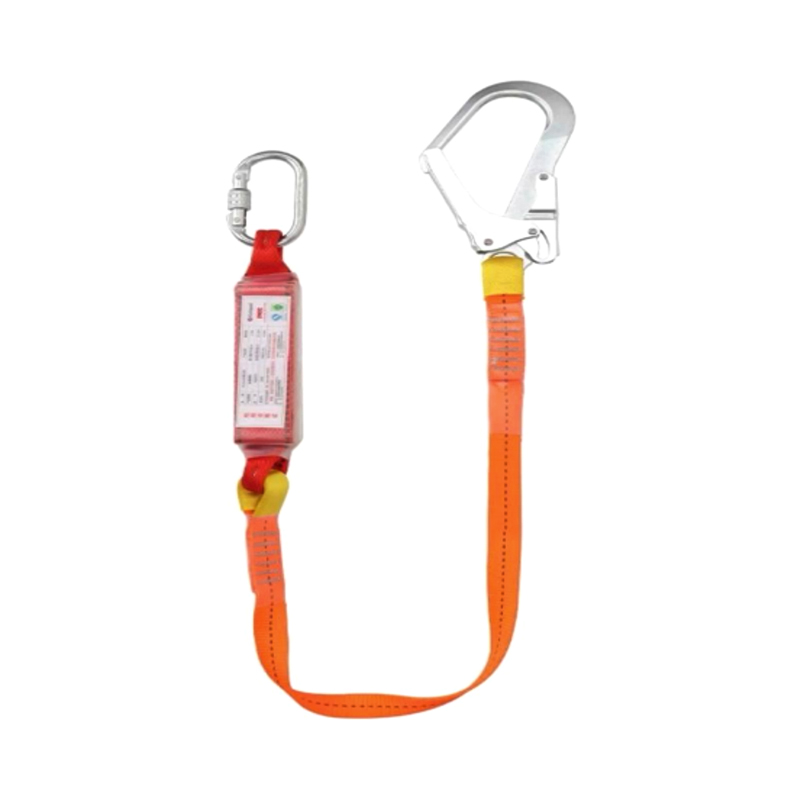 KA-LS06 Fall Arrest Shock Absorber Single Lanyard With Polyester 44mm Webbing,1 Scafford HThis lanyard is a webbing-style fall protection single lanyard. The webbing is made of high-strength polyester fibers, with a width of 44mm. Both ends of the lanyard f...View Product →
In our experience, horizontal lifeline anchors rarely fail from overload. They fail because a threaded rod rusted through, a cable developed a birdcage near a thimble, a plastic cap hid a cracked weld, or a shackle pin went missing. Coastal sites, chemical plants, cooling towers and cold stores each attack hardware differently, and galvanised steel and stainless hardware are not interchangeable in every environment. Inspect the anchor, the cable, the tensioner and the traveller as one system, and replace rather than repair anything structural.
Most of our customers are not buying a single lifeline anchor. They are building a catalogue: harnesses, lanyards, ropes, positioning lines and the accessories that go with them, under their own brand and documented to the standards their market requires. That is the business our safety rope and PPE factory in Taizhou has grown into since entering export markets in 2013, and we handle both catalogue quantities and project orders.
Custom work is a large part of it. Customers send us a sample lifeline rope, or a specification with a diameter, a construction, a colour and a connector, and we build the product to match, including OEM labelling and packaging.
Horizontal lifeline anchors are not glamorous hardware, but they are the reason a system works when nothing else is holding. Get the loads, the span and the substrate right, match the PPE to the system, and what remains is training and inspection. If you are planning a system or a product range and want a second opinion on the rope, harness or lanyard side, our team is glad to talk it through.


San Ye Road, Si Xiang Sub-district, Hai Ling District, Tai Zhou City, Jiang Su Province, China

+86 151-5262-8620
Copyright @ Taizhou KA Protection Products Co., Ltd. All Rights Reserved



 English
 Español
 عربى
عربى
