Content
Ask anyone who has spent a decade on site and they will say the same thing: the gear that fails is rarely the gear that was worked hardest. It is usually the kit that was packed away wet on a Friday, thrown into the back of a truck, and pulled out three weeks later. Storage is the quietest part of a fall protection program, and in our experience on the manufacturing side, it is also the part most often skipped.
So how should fall protection equipment be stored? The short answer is cool, dry, clean, dark, and hanging rather than folded. The longer answer involves a few everyday habits that determine whether a harness keeps its strength or slowly loses it.
A full body harness is engineered around a narrow margin. It has to hold a person's body weight and then arrest a fall that can generate thousands of pounds of force, and every element — webbing, stitching, buckles, D-rings, the energy absorber pack — is calibrated to do that once, correctly. Storage is where that margin is either preserved or quietly eroded.
Three things happen to stored gear that nobody notices until inspection day:
The general expectation in most programs, including OSHA 1910.140 and the ANSI Z359 family of standards, is straightforward: keep equipment in a cool, dry, clean place, out of direct sunlight, away from heat sources, chemicals, and anything that can cut or abrade it. Turning that sentence into a daily routine is the difficult part.
If you can only fix one thing, fix the location. A dedicated cabinet or a ventilated storeroom beats a shelf above the workshop bench every time.
Keep gear off concrete floors, which wick moisture, and off pallets that sit against an outside wall where condensation forms in cool weather.
This is the single habit that separates equipment that lasts from equipment that retires early. Webbing folded along the same line for months develops a set crease, and a crease across a stitched seam puts stress exactly where you do not want it.
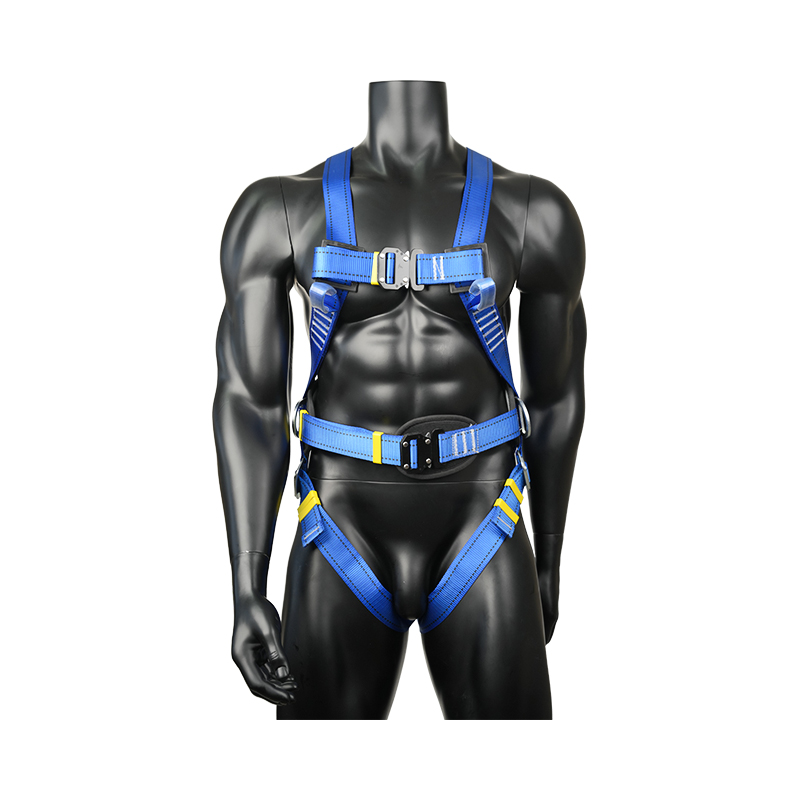
A simple full body harness like our
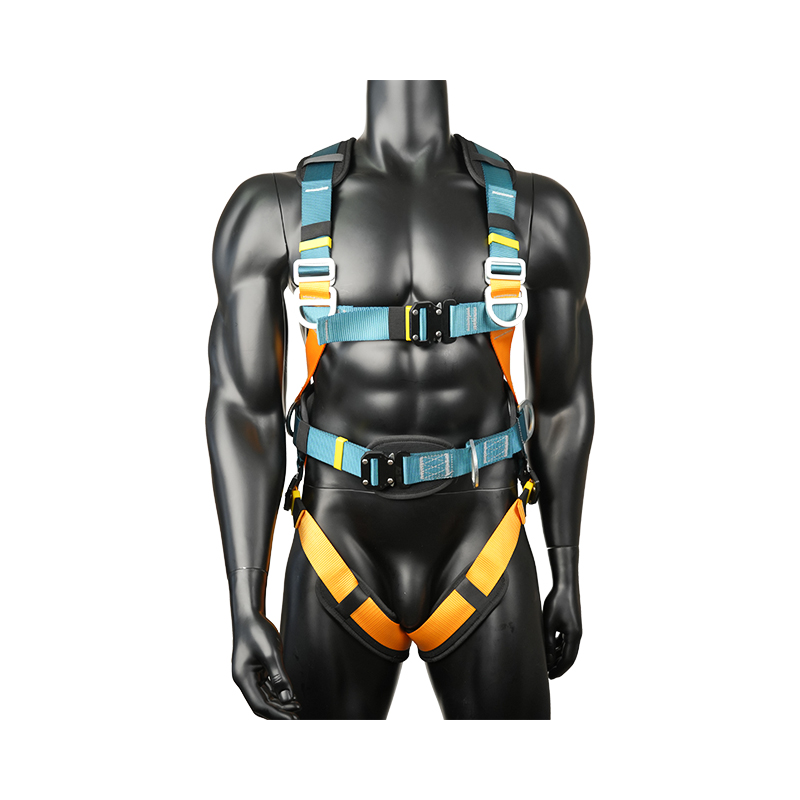 KA01 Padded Full-Body Fall-Protection HarnessFive-point harness with breathable shoulder, waist, and leg padding, six D-rings, and quick-release buckles; its padded structure makes open hanging and proper inspection worthwhile.View Product →
— with its padding, quick-release buckles, and six D-rings — has more surfaces to trap dirt than a bare webbing harness, so it benefits from being hung open and inspected properly rather than bundled into a bag.
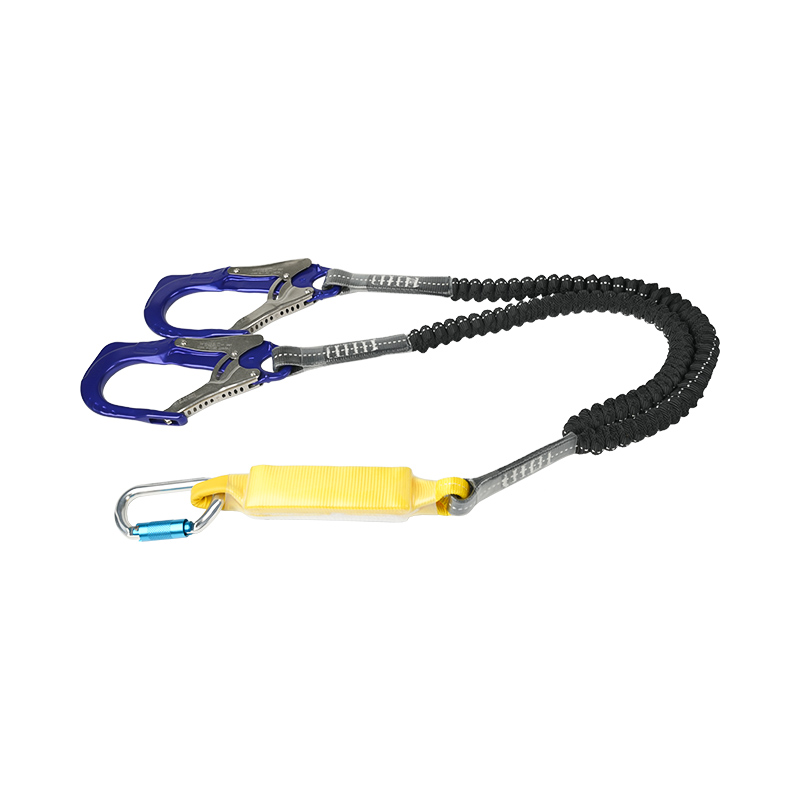
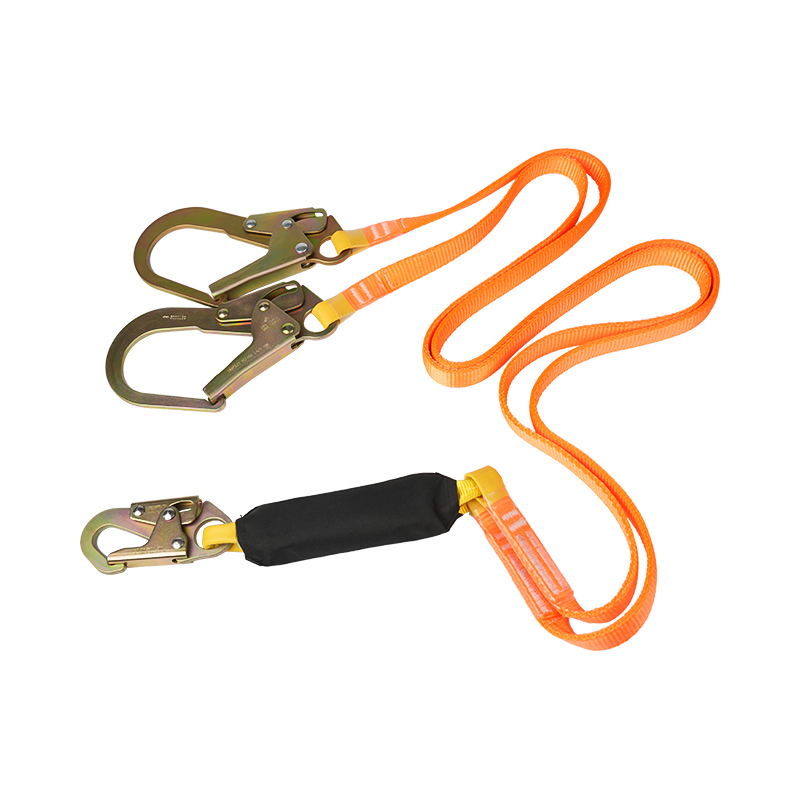
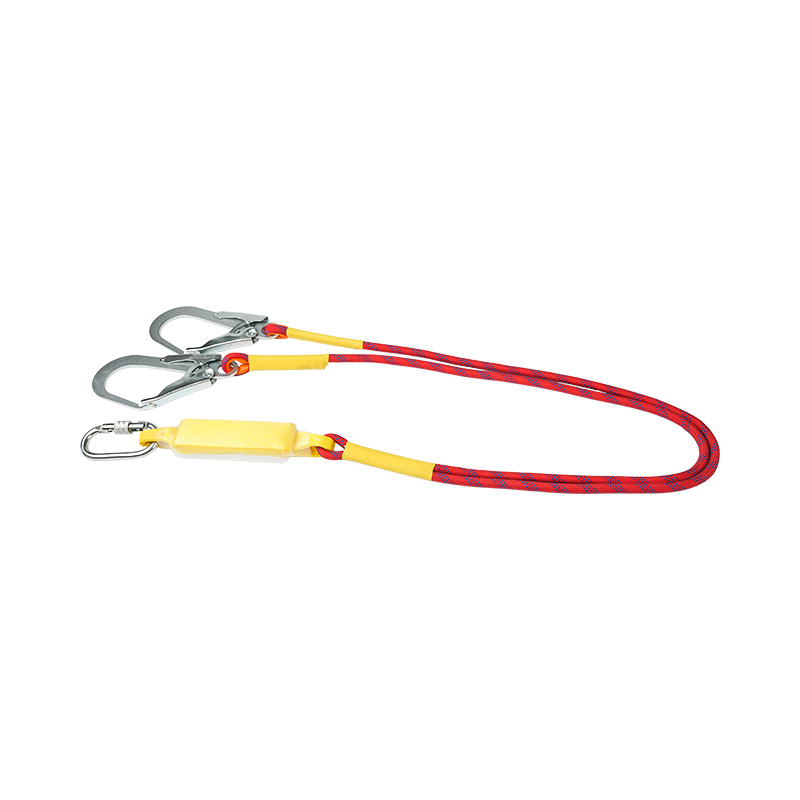
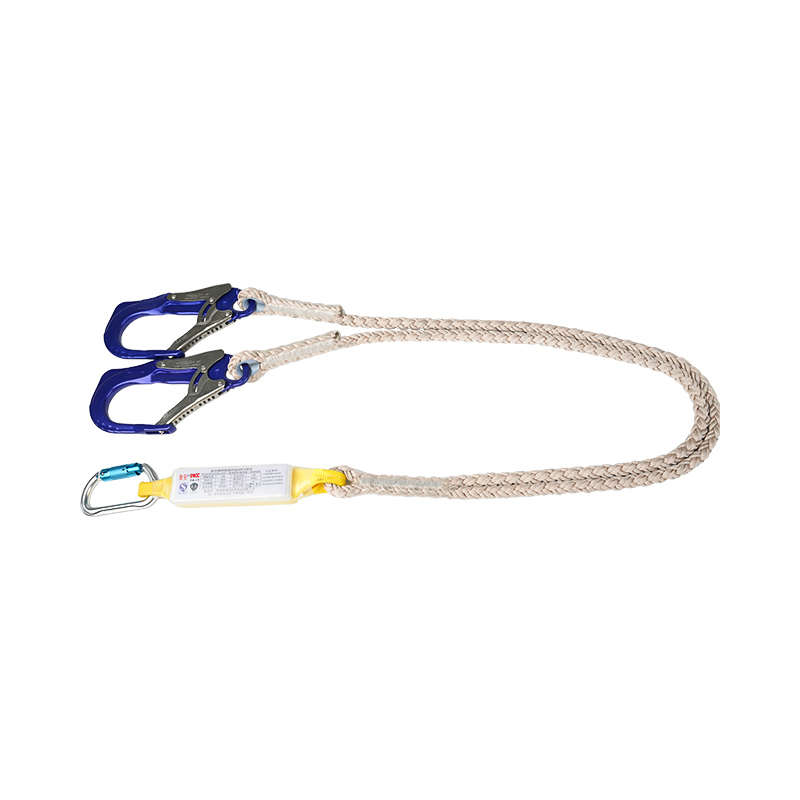
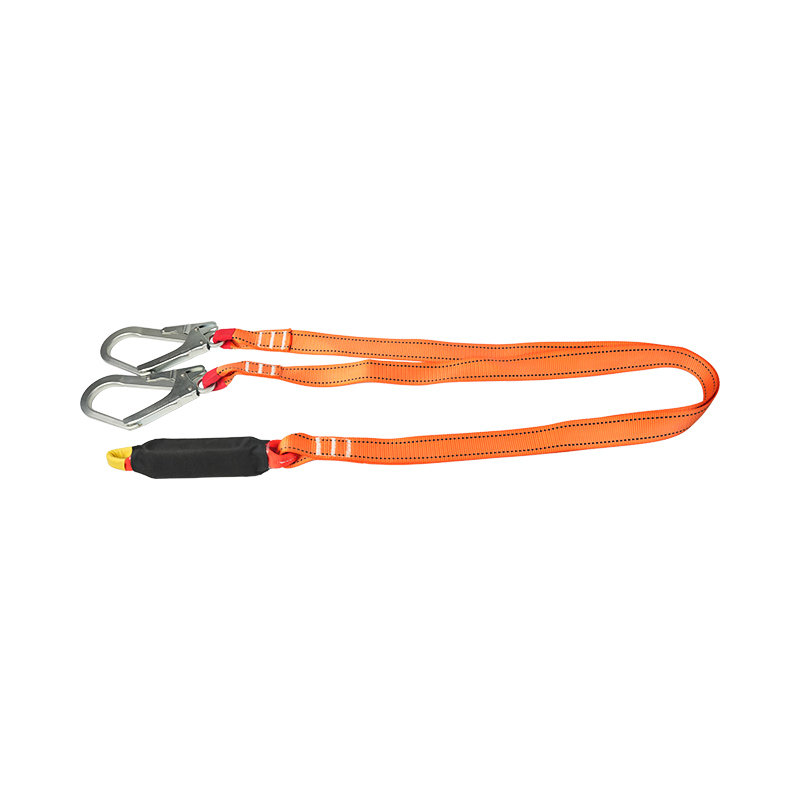
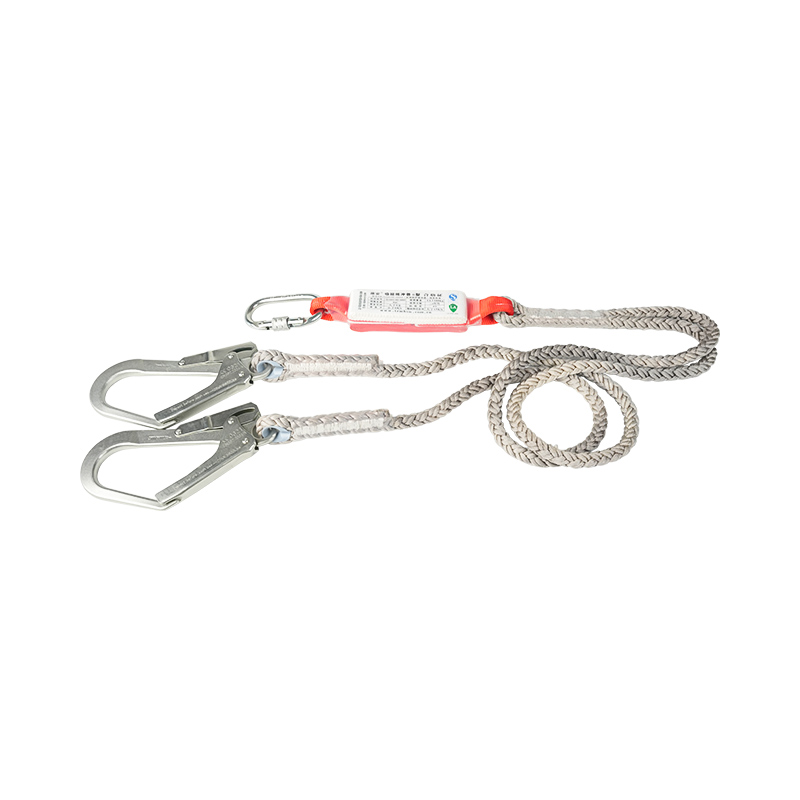
Shock-absorbing lanyards deserve the same care. A twin lanyard with a folded absorber such as the
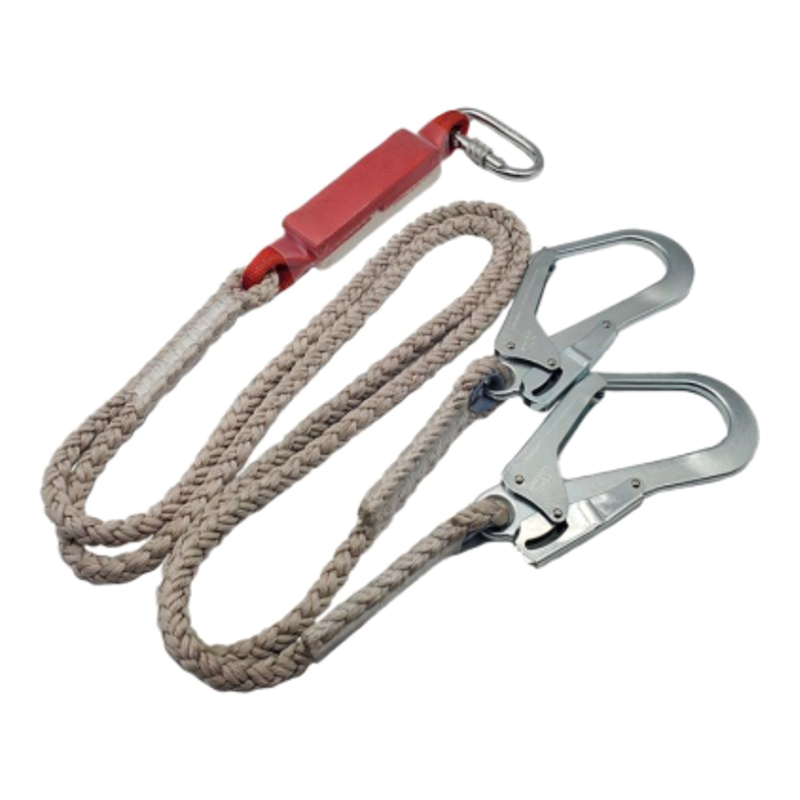 KA-L02 Twin Shock-Absorbing Fall-Arrest LanyardTwin polyamide-rope lanyard with two scaffold hooks, carabiner, and folded energy absorber; hang from the carabiner so rope legs and absorber pack hang free.View Product →
should be hung from the carabiner end so the rope legs and the absorber pack hang free, with the scaffold hooks clipped where they cannot catch on other gear.
We are often asked whether a shelf near the solvent cabinet is acceptable. It is not. Many industrial chemicals attack synthetic fibers without leaving an obvious mark, and vapors from paints, thinners, fuel, and battery charging areas are just as damaging as a direct splash. Radiators, steam lines, space heaters, welding spatter, and the inside of a closed vehicle cab in summer are all hostile environments for the same reasons.
Store fall protection in its own cabinet or section of the storeroom, away from oils, acids, and sharp-edged tools. If a harness does contact a chemical, treat it as contaminated, clean it according to the manufacturer's instructions, and have a competent person assess it before it goes back into service.
| Equipment | How to store it | Keep it away from |
|---|---|---|
| Full body harness | Hang by dorsal D-ring on a wide, smooth hanger in a ventilated cabinet | Tight folding, thin hooks, damp floors |
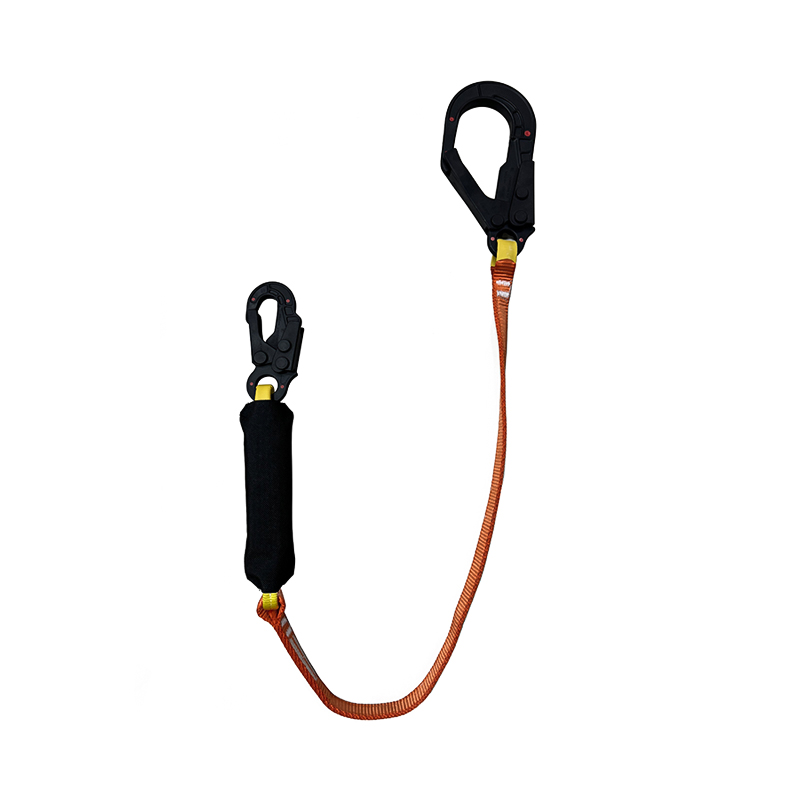
| Shock-absorbing lanyard | Hang or lay flat, absorber pack intact and uncompressed | Weight on the pack, knots, sharp edges |
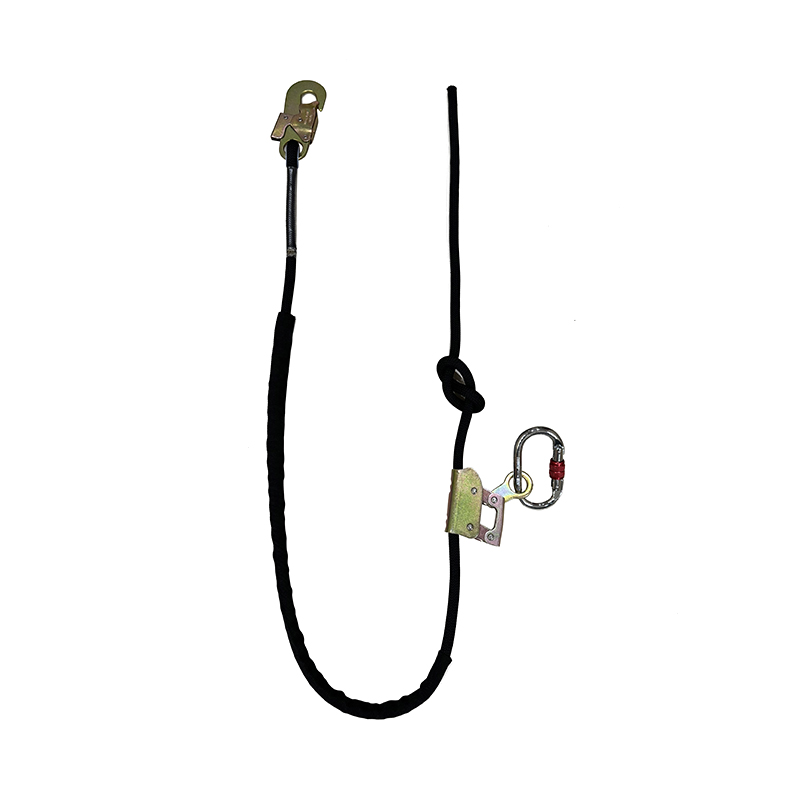
| Rope lifeline and positioning line | Coil in large loops, tie loosely, use a breathable bag | Tight coils, stored knots, standing water |
| Carabiners, hooks, D-rings | Wipe dry, gates closed, off the floor | Corrosion, grit in gate mechanisms, paint overspray |
| Anchors and anchor slings | Clean, dry, labeled, stored apart from damaged items | Rust, chemical contact, reuse for lifting loads |
| Records and labels | Filed with the equipment or in a dry cabinet | Heat, water, fading that makes IDs unreadable |
Most crews do not have a climate-controlled store. They have a gang box, a steel container, or the back seat of a pickup. A few adjustments make those work:
Cold weather brings its own trap. Gear that comes in from a freezing vehicle collects condensation as it warms up, so let it air and dry fully before it goes back into the cabinet.
Insulated equipment carries an extra obligation. A dielectric harness or lanyard is designed for work near energized lines, and a surface film of moisture, dust, or oil matters in ways that ordinary mechanical wear does not. Store insulated items in a dedicated clean bag or cabinet, away from anything oily, and check them for contamination before every shift rather than only at the annual inspection.
Products such as the
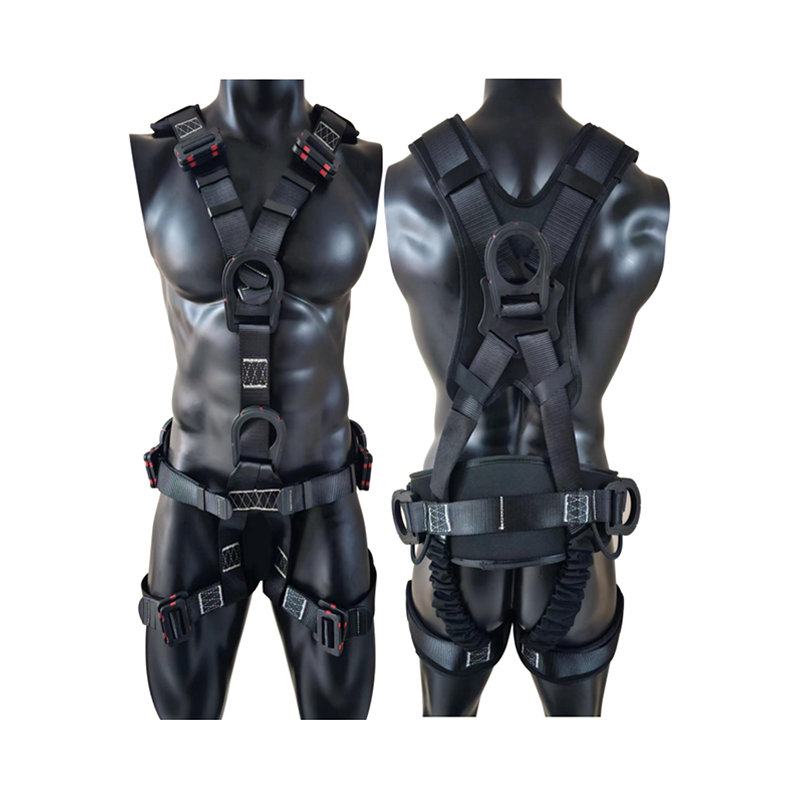 KA15 Dielectric Full-Body Safety HarnessInsulating full-body harness with dorsal, front, and side D-rings plus dielectric-coated hardware; hang it open, dry, and grit-free between uses.View Product →
use insulating webbing and insulated buckles and D-rings, and those components are happiest when they are hung open, dry, and free of grit.
Storage and inspection are the same conversation. Equipment should be checked before each use and at the intervals your written program requires, and a competent person should do the formal periodic inspection. When something is found damaged during a check — a frayed edge, a stiff patch, a corroded gate, a crease that will not relax — tag it out of service immediately and remove it from the storage area. Gear that goes back on the shelf "for now" is the gear that gets worn by mistake.
Good storage areas also support good recordkeeping. Label each harness and lanyard with a unique ID, log the date it entered service and every inspection, and rotate stock first in, first out so nothing sits at the back of a cabinet for years. If you want a deeper look at the inspection side, see our practical guide to fall protection equipment inspection and training.
We build harnesses, lanyards, positioning lines, and safety ropes for crews that use them in weather, dust, and salt air, so we tend to think about storage as part of the product rather than an afterthought. If you are setting up a storage routine for a fleet, or you need gear that holds up to the conditions you actually work in, we are glad to help — get in touch with our team and tell us what you are dealing with.

San Ye Road, Si Xiang Sub-district, Hai Ling District, Tai Zhou City, Jiang Su Province, China

+86 151-5262-8620
Copyright @ Taizhou KA Protection Products Co., Ltd. All Rights Reserved


 English
 Español
 عربى

