Content
Walk a roof deck a few days before the parapet goes up, and the feeling is unmistakable. There is floor under your boots, but there is also nothing between you and the ground except air. That gap between "walking surface" and "no surface at all" is where leading edge fall protection lives, and it is one of the few situations in height safety where good intentions are not enough. The equipment has to be chosen for the geometry, not just for the task title on the work order.
Over the years we have supplied harnesses, lanyards and rope systems to contractors, utility crews and rescue teams who work at exactly this kind of boundary. The questions they ask are remarkably consistent: how far back do I need to anchor, does my retractable really cover a foot-level tie-off, and how much clearance do I actually have below me? This article works through those questions in the order they tend to come up on site.
The definition most crews work from is the one in OSHA 1926.751, which describes a leading edge as the unprotected side and edge of a floor, roof, or formwork for a floor or other walking/working surface, such as a deck, that changes elevation. The important word is "unprotected." A roof edge with a compliant guardrail is not a leading edge exposure in the practical sense, because the hazard has already been engineered out. The moment that rail comes down for a material drop, or has not been installed yet, the same edge becomes a leading edge again, and everyone within reach of it needs a fall arrest plan.
Two details get overlooked. First, formwork counts. Workers tying rebar on a deck under construction are routinely exposed to edges that will be slab a week later. Second, a leading edge is not the same as an opening or a hole; it is the boundary where the walking surface stops, which means a worker can approach it from any direction and travel over it in a fraction of a second.
Most fall arrest systems are designed around an anchor above the worker's head. A leading edge often forces the opposite. When the only available anchorage sits at or near foot level, the worker can fall further before the system engages, the energy absorber has to do more work, and the total drop can exceed what a standard self-retracting device was ever tested for. That is why the industry created a separate performance category for leading edge self-retracting devices rather than simply relabeling the overhead version.
Three additional forces show up at an edge. Swing fall appears when the anchorage is off to one side and the worker pendulums back into a wall or the edge itself. Sharp edges cut webbing and rope when the load line drags across unfinished steel, concrete formwork or a parapet coping. And clearance, the distance from the worker's feet to the next lower level, is consumed much faster in a foot-level fall than in an overhead arrest.
OSHA sets performance outcomes rather than product classes. Personal fall arrest systems must limit arrest force to 1,800 pounds, anchors must support 5,000 pounds or be designed by a qualified person with a safety factor of at least two, and equipment must be inspected and used as intended. ANSI Z359.14 goes further and classifies self-retracting devices by the anchorage position they were tested for, which is where the leading edge conversation usually begins.
| Standard or class | Anchorage position assumed | What it means at an edge |
|---|---|---|
| OSHA 1926 Subpart M | Any qualified anchorage | Sets force limits, anchor strength and duty to train; does not rate devices |
| ANSI Z359.14 Class 1 | Overhead | Not intended for foot-level leading edge arrest |
| ANSI Z359.14 Class 2 | Foot level at a leading edge | Tested over a steel edge with dynamic drops and a defined setback |
For buyers, the practical translation is simple. If the device will be anchored above the worker, a standard self-retracting lifeline or shock-absorbing lanyard can be appropriate. If the worker will be tied off at foot level near an unfinished edge, the device needs to be explicitly rated for that use, and the accompanying documentation should state the tested edge condition and setback distance.
Setback is the horizontal distance from the leading edge to the point where the device locks up. A device tested at zero setback assumes the worker can walk right to the edge and step off it. A device tested at five feet assumes the anchorage or the housing is set back far enough that the worker's fall path is different. These are not marketing variations; they change the forces on the body and the clearance required below.
When you plan a system, work the clearance numbers from the bottom up:
If the total exceeds the distance to the level below, the system is wrong for that location regardless of what the label says. The fix is often to move the anchorage higher, shorten the lanyard, or switch to a device with a rated leading edge capability and a documented setback that matches the actual layout.
Leading edge protection is a system, and the harness is the part that stays with the worker all day. A full-body harness needs to sit snug at the chest and thighs, keep the dorsal D-ring between the shoulder blades, and stay comfortable enough that nobody loosens it to reach a bolt. General construction and maintenance work is well served by a padded harness with multiple attachment points, such as the KA01 universal full-body harness, which carries CE marking, six D-rings, four quick-release buckles and a working load rating of 310 pounds.
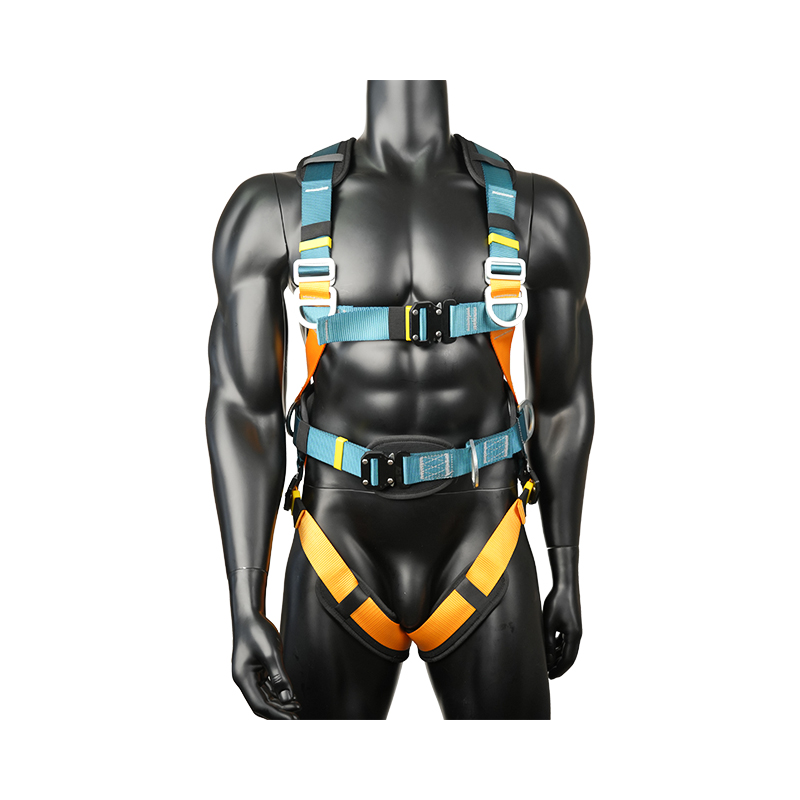 KA01 Universal Full-Body Fall Protection HarnessPadded full-body harness with six D-rings and quick-release buckles, offering comfort and multiple attachment points for construction and maintenance work at height.View Product →
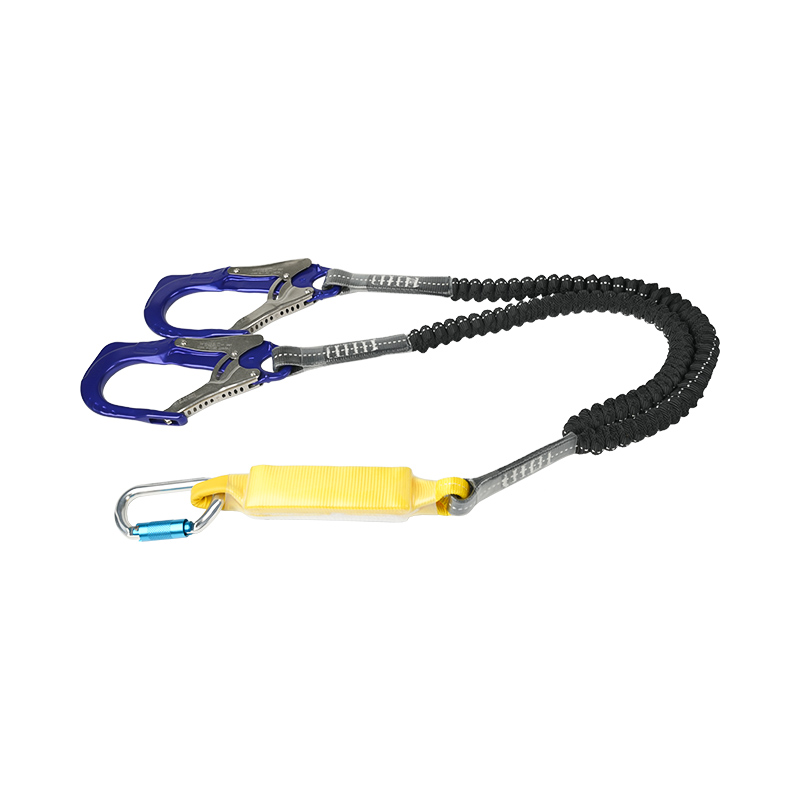
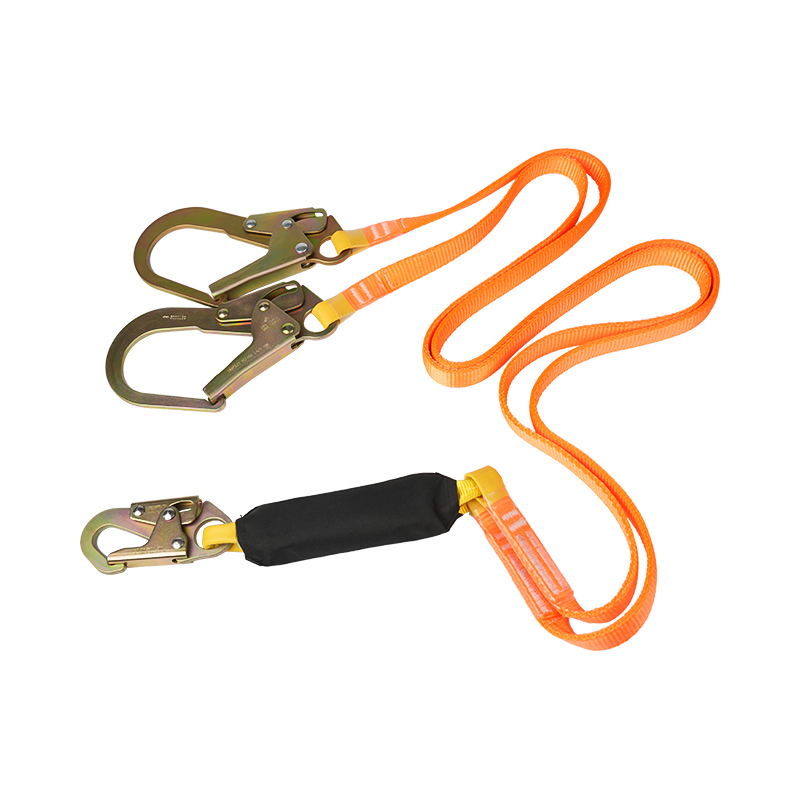
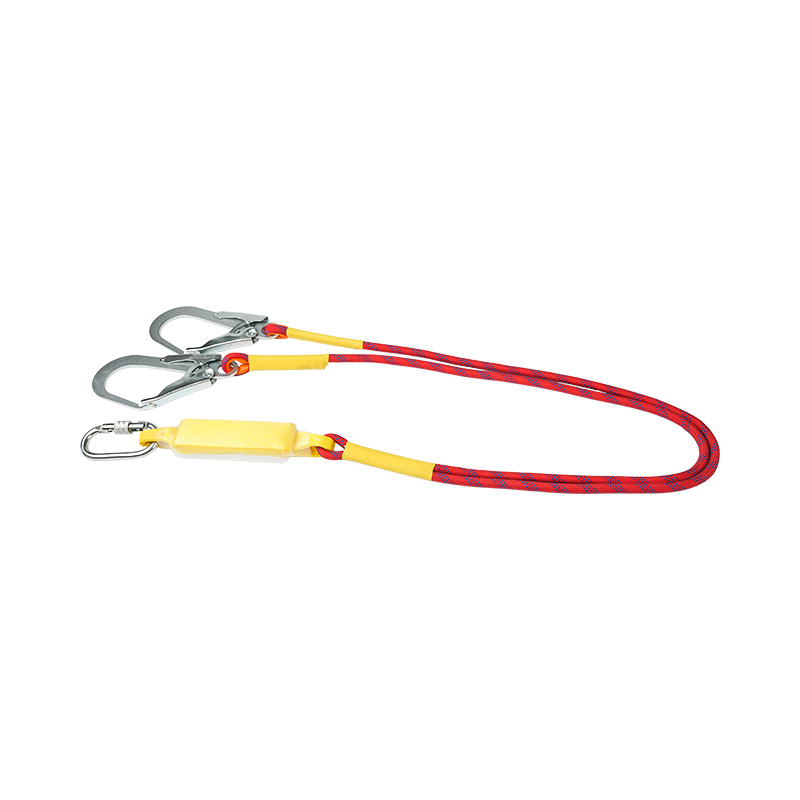
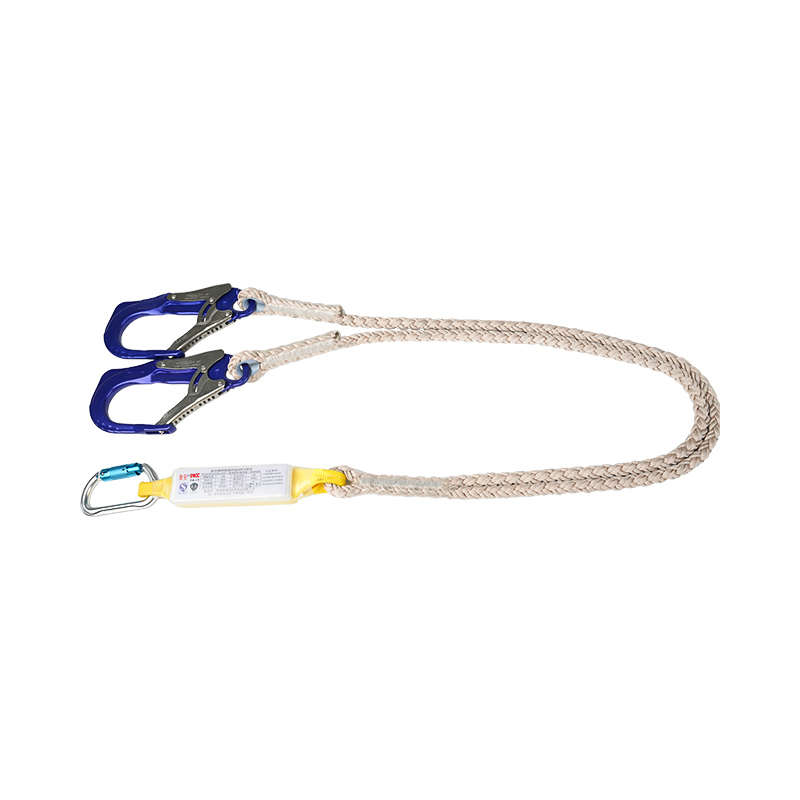
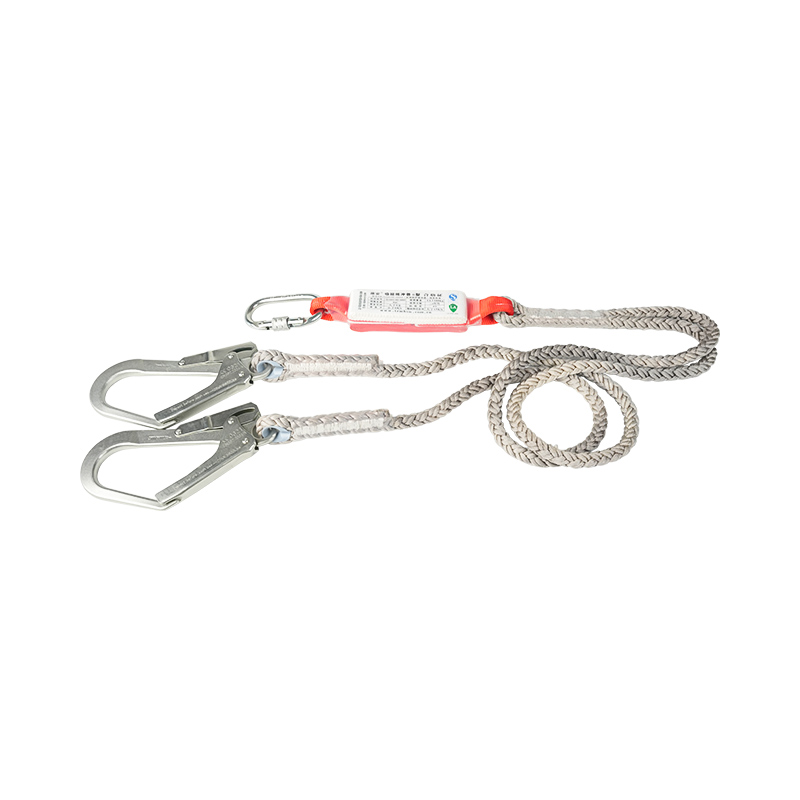
The connecting device is where leading edge rating actually matters. A twin lanyard with a shock absorber lets a worker stay tied off while moving past an obstruction, which is exactly the motion that happens along a deck edge. Our KAL02 twin lanyard pairs polyamide rope, two scaffold hooks and a carabiner with an integrated energy absorber, a configuration that suits steel erection, roofing and formwork travel where 100 percent tie-off is required. Our fall arrest lanyard selection guide walks through material and hook choices in more depth.
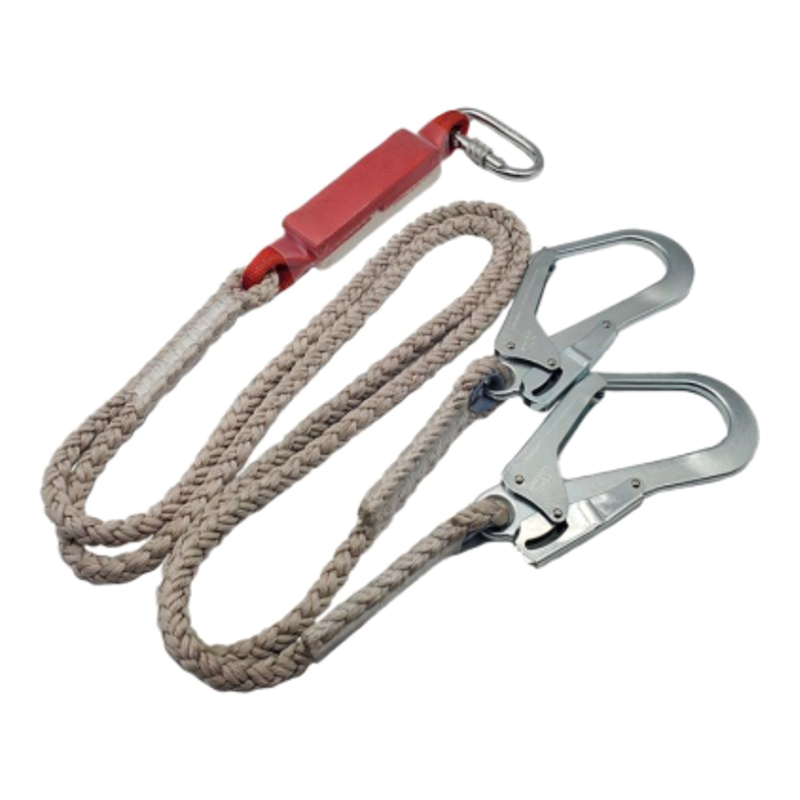 KAL02 Twin Fall Arrest Lanyard with Shock AbsorberTwin lanyard with integrated energy absorber allows 100% tie-off while moving past obstructions, suited for steel erection, roofing, and formwork near leading edges.View Product →
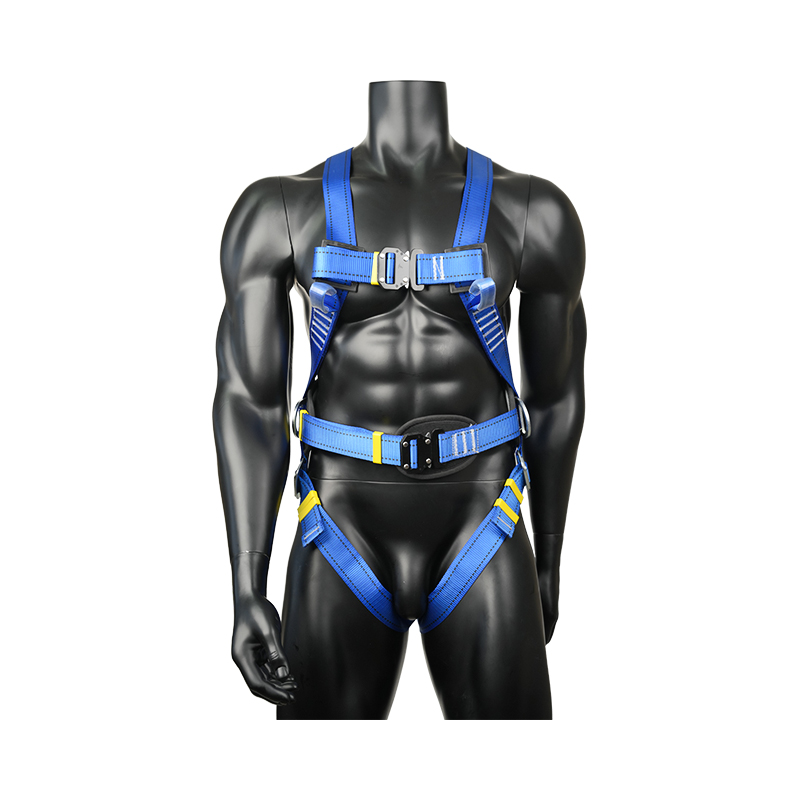
Rope access technicians and rescue teams working near edges often prefer a climbing-style harness with more metal and less padding. The KA141 gives five aluminum D-rings, two quick-release buckles and EN361 conformity, which keeps attachment options open when the work involves repositioning, aid climbing or a lower from an edge.
 KA14-1 Full-Body Climbing Harness for Rescue and Aerial WorkClimbing-style harness with five aluminum D-rings and two quick-release buckles, offering multiple attachment points for rope access, rescue, and repositioning near edges.View Product →
Equipment only performs inside a plan. A few habits make the difference between a compliant site and a lucky one:
One more habit is worth mentioning: buy from a maker who can explain the test behind the rating. A supplier who can tell you which edge condition a device was tested against, and what setback that test assumed, is a supplier who will still be useful when the job changes.
We have been making safety harnesses, lanyards and ropes in Taizhou since the 1980s, and exporting to North America and Europe since 2013, so we have seen plenty of leading edge jobs go well and a few go badly. If you are specifying equipment for a roof, a formwork deck or a utility structure, send us the layout and we will talk it through with you before you order. Getting the setback and clearance right at the drawing stage is far easier than correcting it on the scaffold.

San Ye Road, Si Xiang Sub-district, Hai Ling District, Tai Zhou City, Jiang Su Province, China

+86 151-5262-8620
Copyright @ Taizhou KA Protection Products Co., Ltd. All Rights Reserved


 English
 Español
 عربى

