Content
A rope grab is one of those small pieces of hardware that rarely gets attention until someone actually falls. Then it becomes the part that must clamp onto the lifeline, stop the drop, and keep the load within the limits of the rest of the system. At KA Protective, we make full-body harnesses, safety lanyards and safety ropes, so we spend a lot of time thinking about how these components work together. A rope grab is useful only when the lifeline, connector, harness and anchorage are matched correctly.
This guide walks through what a rope grab does, how OSHA treats it, how to inspect and rig it, and where buyers often get the details wrong. It is written for safety managers, distributors and crews who want a practical answer, not a catalog slogan.
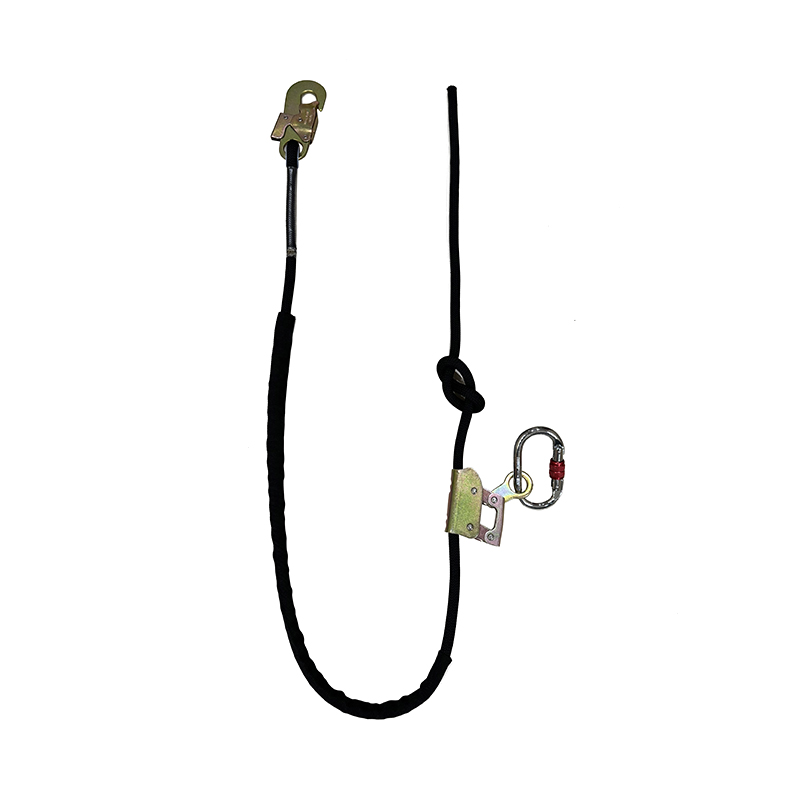
A rope grab, sometimes called a rope fall arrester, is a mechanical device that travels along a vertical lifeline. During normal movement it slides with the worker. When a fall occurs, the grab locks onto the rope and transfers the load into the lifeline and anchorage. The device itself is not an anchor, and it is not a complete fall protection system. It is one component in a personal fall arrest system.
A typical rope grab system includes:
The grab must match the rope. A device designed for a 12 mm polyester lifeline is not interchangeable with one designed for a 16 mm nylon rope, even if both look similar. Compatibility is a manufacturer-specific requirement, not a general suggestion.
On a ladder, tower, roof edge or temporary work platform, the worker connects the rope grab to the vertical lifeline and clips the lanyard to the harness. As the worker climbs or descends, the grab follows. A sudden drop activates the locking mechanism, usually a cam or wedge that grips the rope. The lanyard or energy absorber then controls the arrest force, and the worker ends up suspended in the harness.
Manual and automatic grabs behave differently. Some devices require the user to position or release the grab during movement. Others follow automatically and lock when movement becomes abrupt. Neither type removes the need to calculate clearance. The worker must have enough space below the work level for the grab to lock, the energy absorber to deploy, and the body to come to rest without striking a lower level or structure.
A rope grab is often confused with a positioning device. A positioning line or lanyard can hold a worker at a work face and leave hands free, but it is not the same as fall arrest. A rope grab used for fall arrest must be configured for that purpose. If the task requires positioning, use equipment designed and rated for positioning, and make sure the system does not expose the worker to an uncontrolled fall.
OSHA treats rope grabs as part of a personal fall arrest system under its construction and general industry fall protection rules. The details depend on the work setting, but the core principles are consistent. The system must limit free fall to no more than 6 feet, keep arresting force below 1,800 pounds, and use anchorages capable of supporting 5,000 pounds per worker unless a qualified person designs an engineered system. The grab must be capable of locking on the lifeline and must be compatible with the lifeline in use.
Those numbers are not a complete design guide. They are the baseline that helps a competent person decide whether a rope grab is appropriate for the task. If the work involves an aerial lift, a ladder, a steep roof or a tower, the anchorage location and clearance calculation may change the answer. A rope grab that works well on a fixed ladder may be a poor choice where the lifeline cannot be kept vertical or where the worker needs horizontal mobility.
For a broader look at how rope grabs fit alongside guardrails, nets, lanyards and self-retracting devices, see this guide to fall protection systems. It helps put the rope grab in context rather than treating it as a universal solution.
Start with the lifeline, not the grab. Rope diameter, construction, material and condition determine which devices can be used. A grab with worn cam teeth, a weak spring or corrosion may pass a visual glance and still fail to lock under load. Buy from a supplier who can provide the compatibility chart, load rating, standard references and inspection instructions for the exact model.
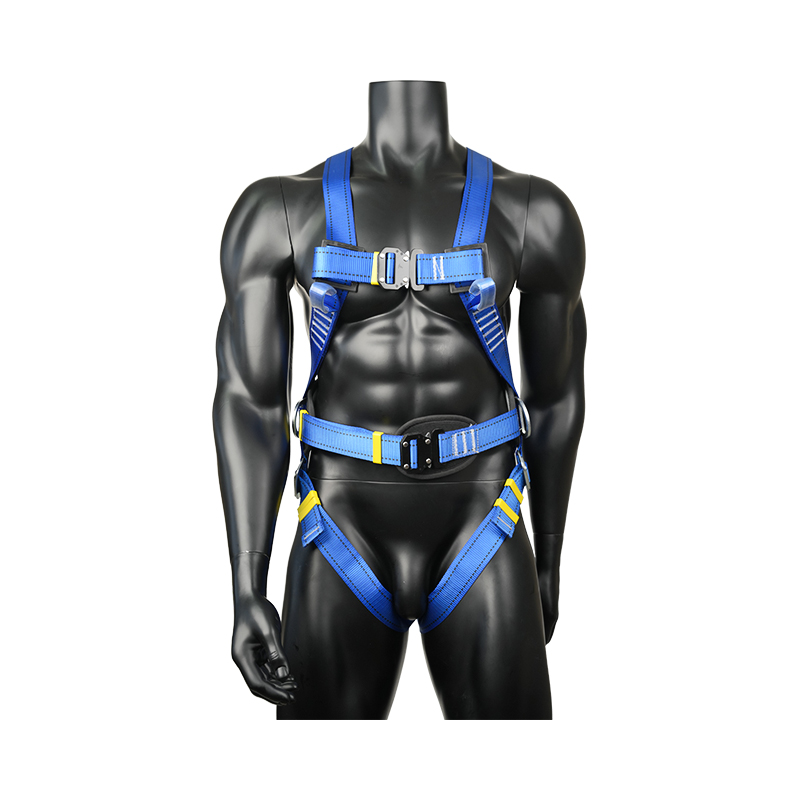
The harness is the foundation of the system. A full-body harness with a dorsal D-ring is the normal attachment point for fall arrest, and the harness must fit the worker and the task. For construction and general site work, a model such as the KA06 EN361 full-body harness is a practical option when the specification calls for a single dorsal D-ring and a straightforward construction configuration.
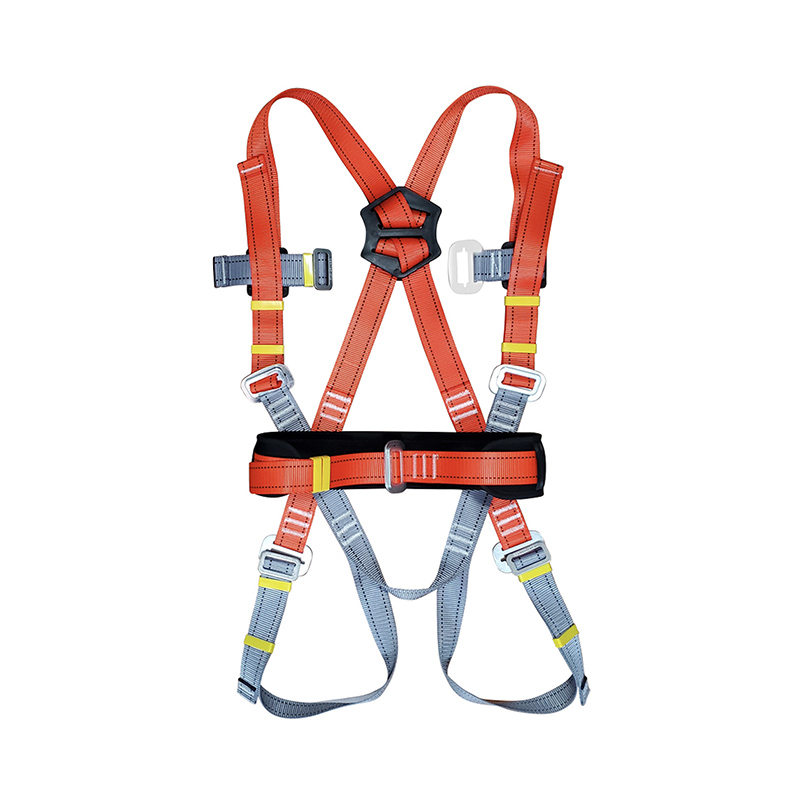 KA06 EN361 Full-Body Harness with Dorsal D-RingA full-body construction harness with a single dorsal D-ring, adjustable straps, and EN361 compliance for fall arrest where this configuration fits.View Product →
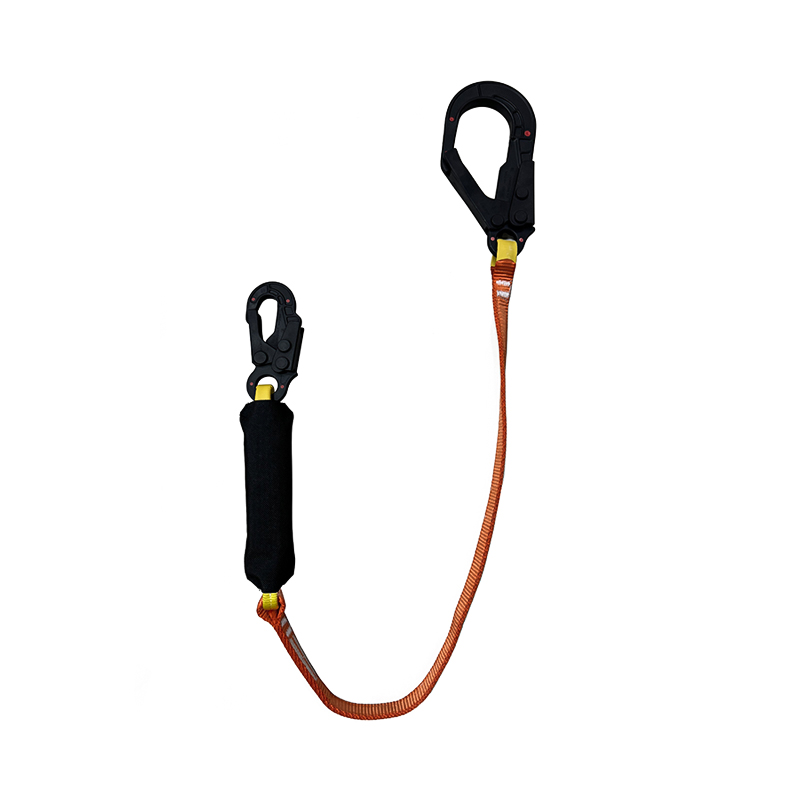
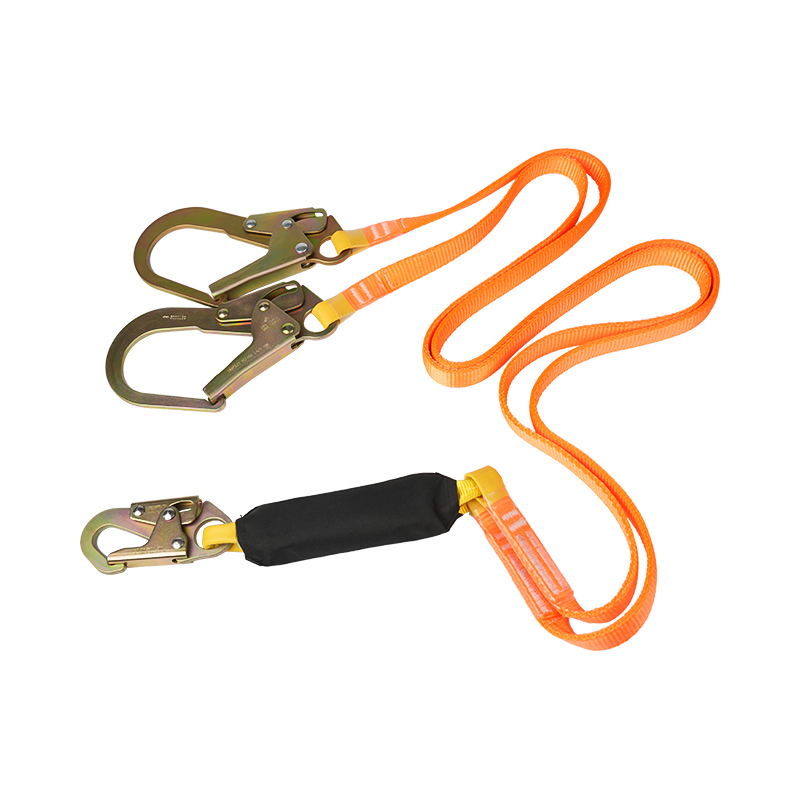
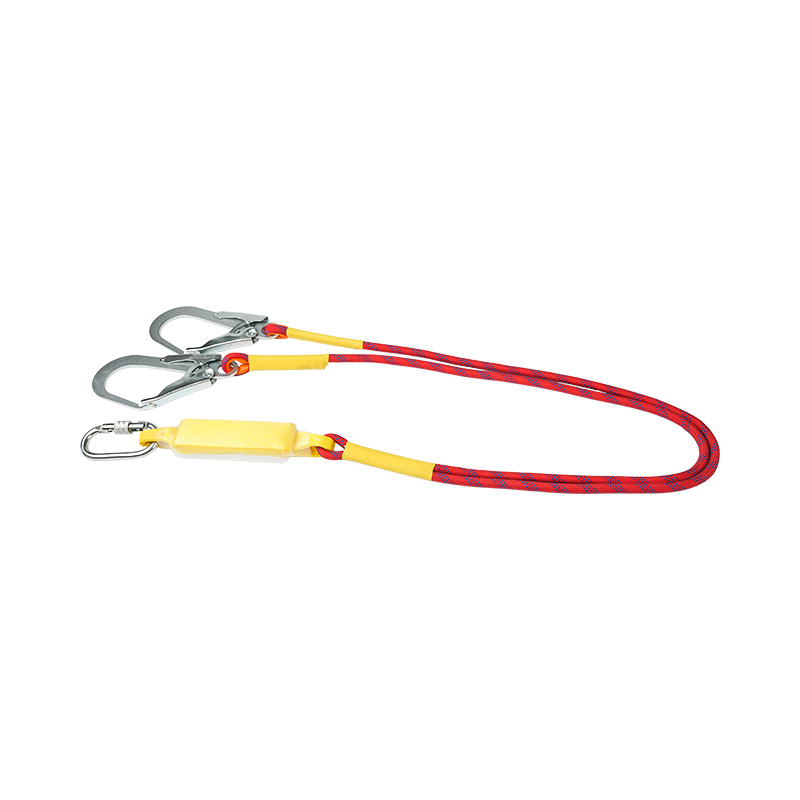
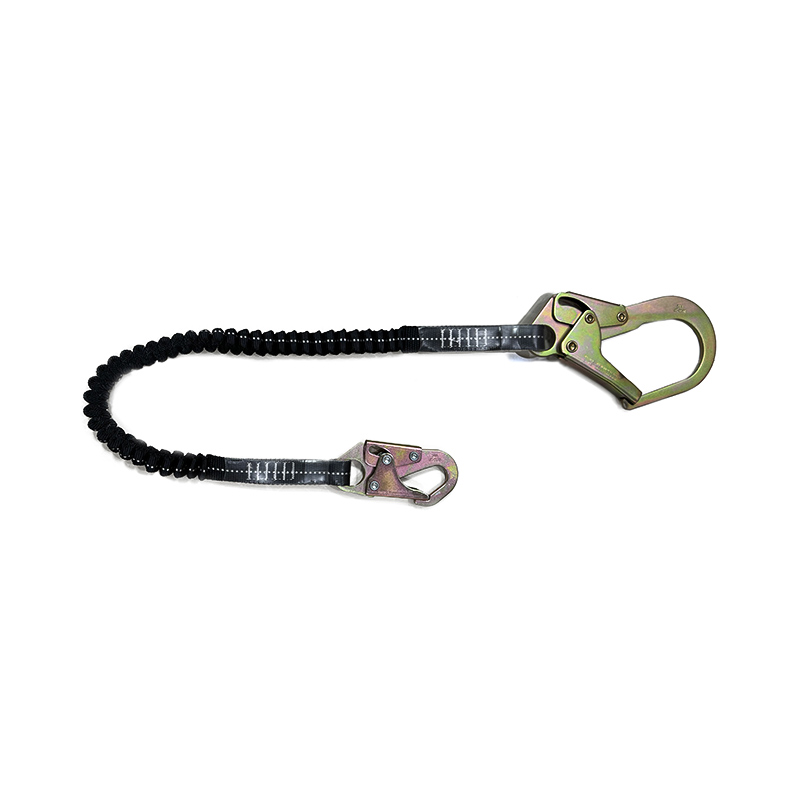
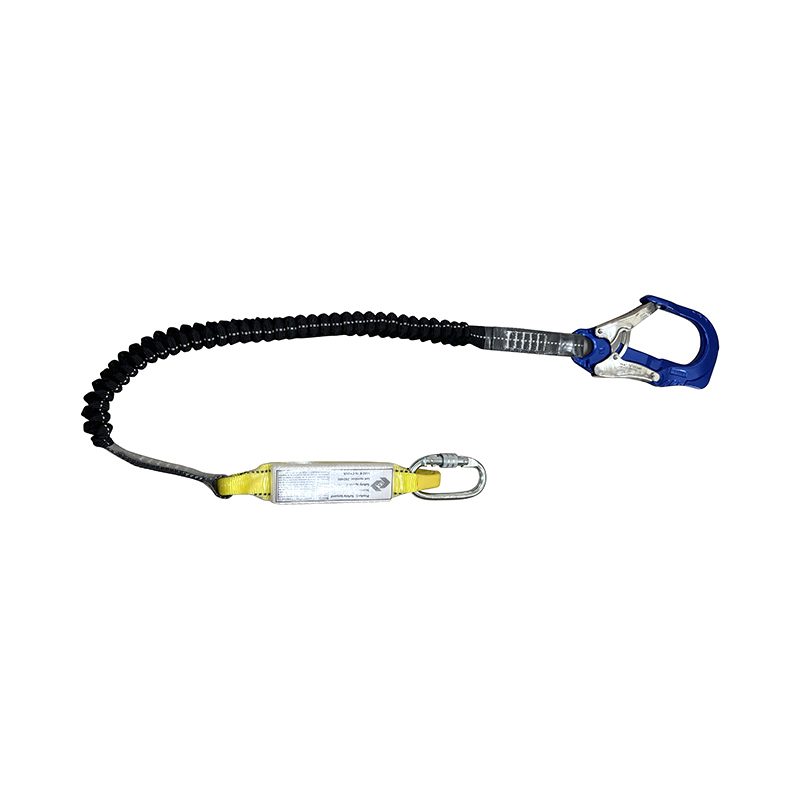
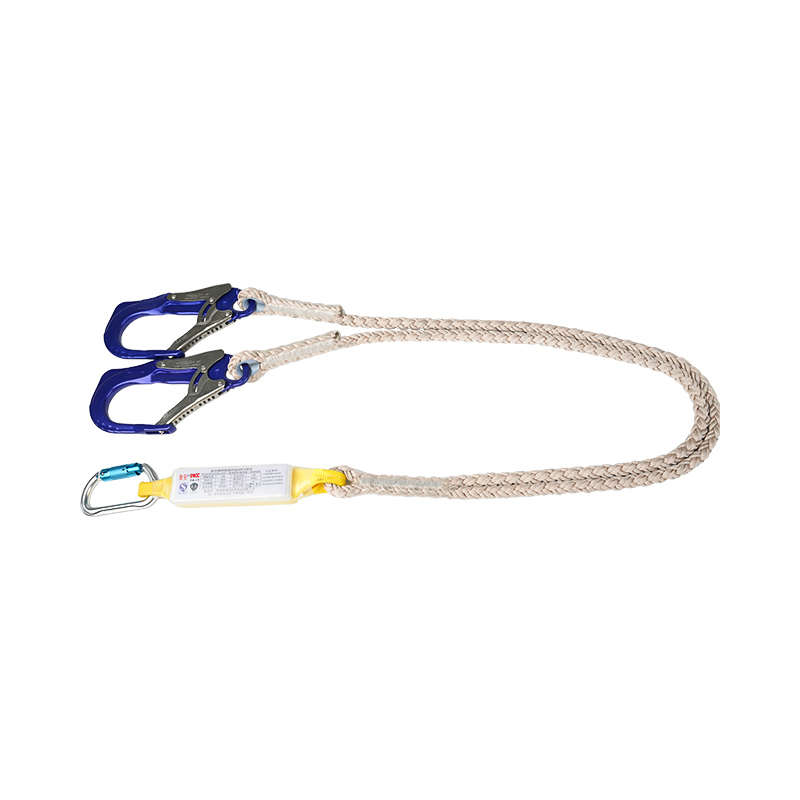
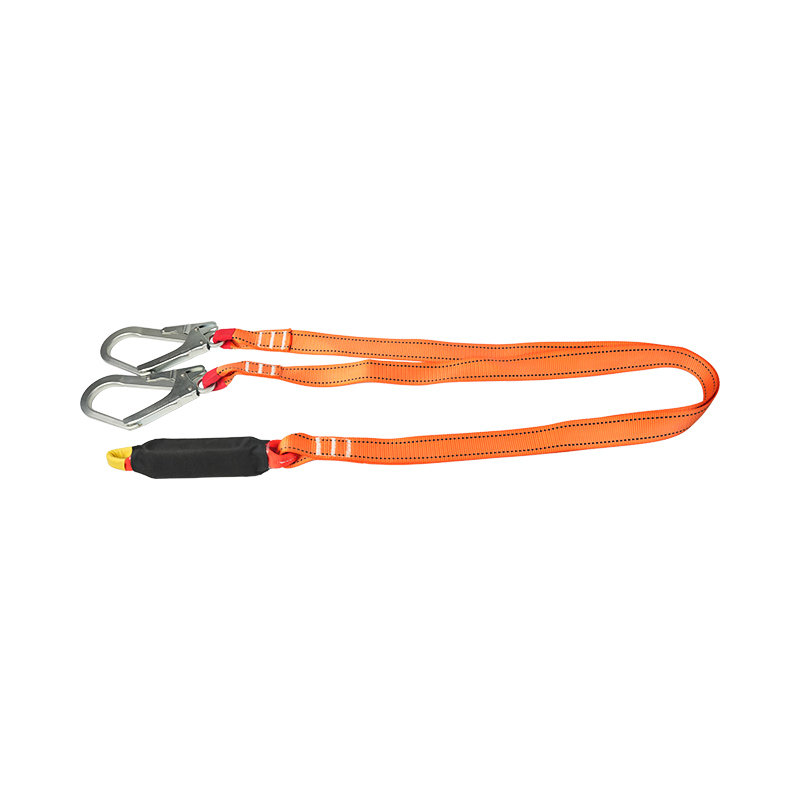
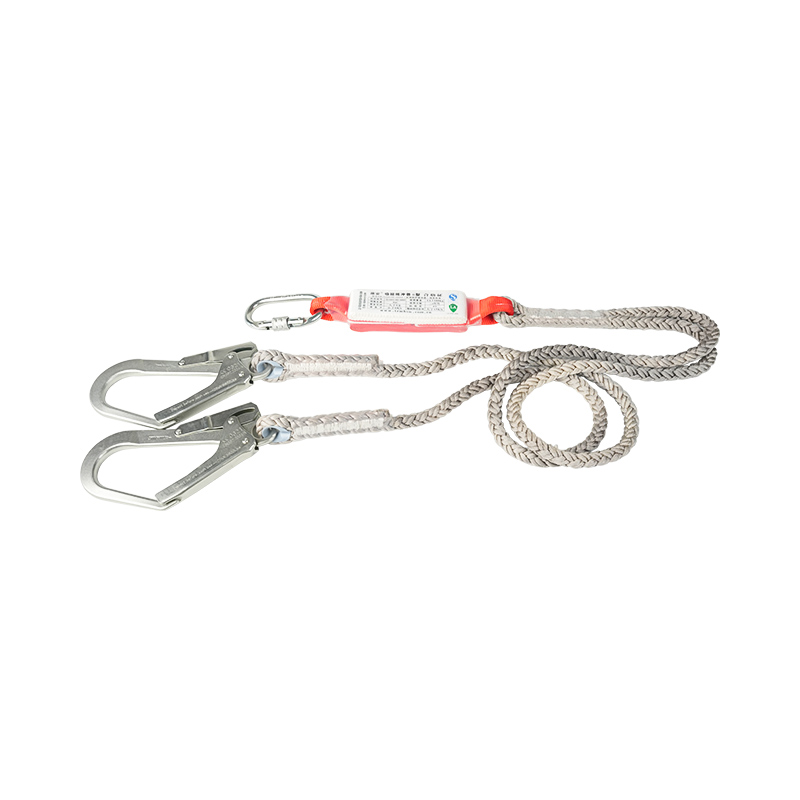
The connector between the grab and the harness also matters. A short lanyard with an energy absorber can reduce arrest force, but it adds length and must be included in the clearance calculation. A single-leg lanyard is common for rope grab work because it keeps the connection simple. The KALS06 single fall arrest lanyard with polyester webbing, a scaffold hook and a carabiner is one example of the kind of connector that may suit a rope grab system when the specifications line up.
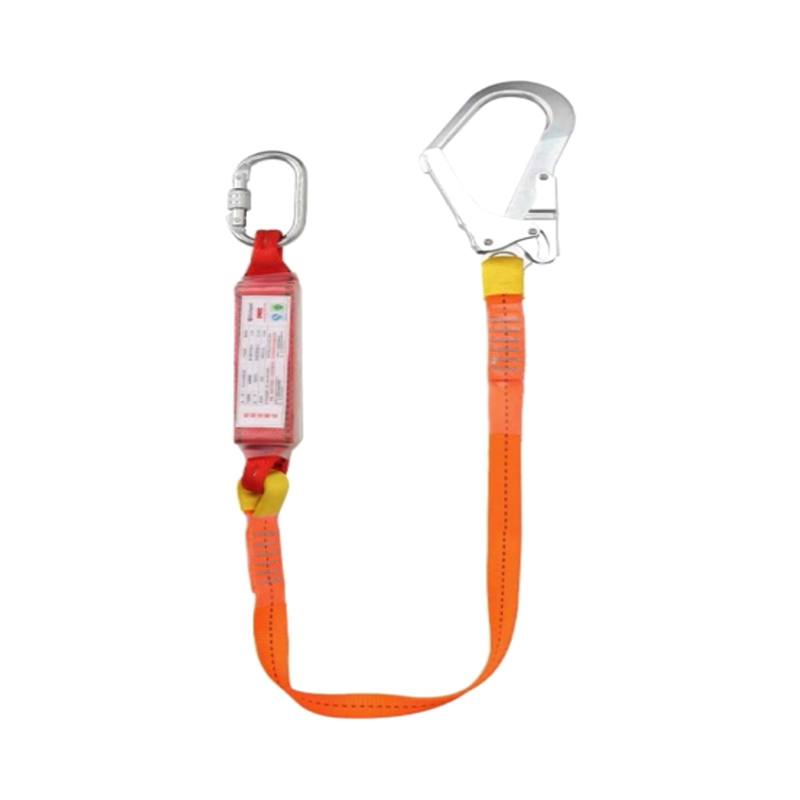 KALS06 Single Fall Arrest Lanyard with Energy AbsorberA single-leg polyester webbing lanyard with scaffold hook, carabiner, and integrated energy absorber, suited to rope grab connections when specifications align.View Product →
The lifeline is not a commodity accessory. It should be a dedicated safety rope with known strength, low stretch where required, and resistance to abrasion, UV and the site environment. A soft, easy-to-handle nylon safety rope can be suitable for certain vertical lifeline applications, but the final choice must match the grab manufacturer's approved rope specification and the job's exposure conditions.
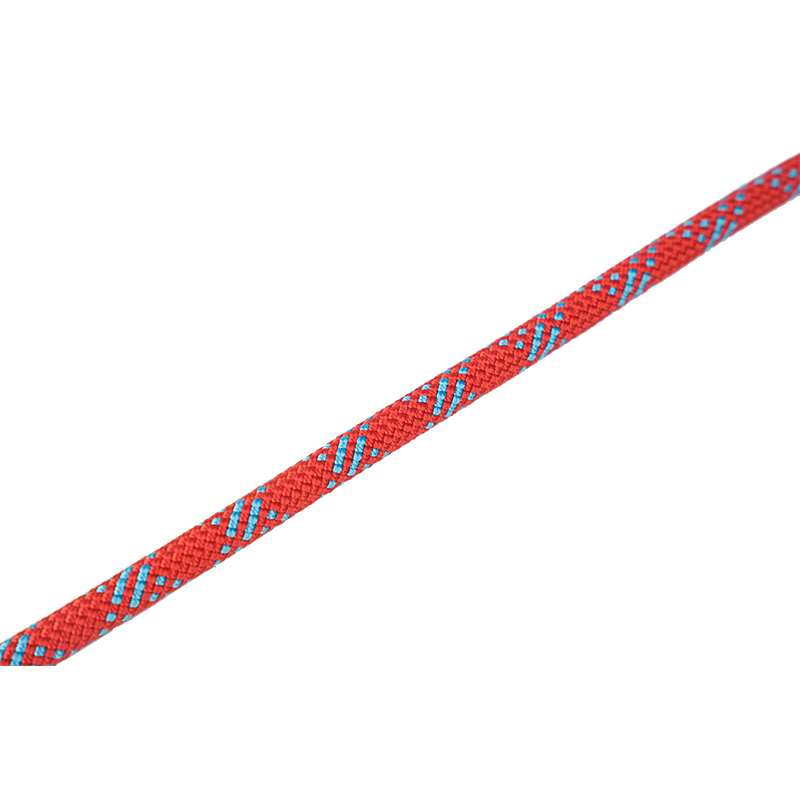 12mm Soft Nylon Safety Rope for Vertical Lifeline UseA 12mm nylon safety rope with EN 1891 data, soft handling, UV and chemical resistance, worth checking against grab and lifeline specifications.View Product →
Buyers should also check weight capacity, locking direction, corrosion protection and any applicable standard markings. Do not mix a grab from one system with a lifeline from another unless both manufacturers permit it. The savings from mixing parts are small compared with the cost of an incompatible assembly.
OSHA requires personal fall arrest systems to be inspected before each use and after any fall or significant event. A rope grab inspection should include the housing, cam or locking mechanism, spring, fasteners, markings and connector points. Look for cracked metal, bent parts, missing labels, corrosion, rope glazing, cuts, abrasion, contamination and knots. If the grab has been loaded in a fall, remove it from service until the manufacturer or a competent person authorizes its return.
Rigging checks matter just as much as hardware condition:
A documented periodic inspection program is also good practice. Follow the manufacturer's interval and your site rules. Pre-use checks catch obvious damage, but they do not replace a more detailed inspection by a competent person.
Workers need training on the specific rope grab they use. That includes fitting the harness, connecting the lanyard, moving the grab, recognizing lock-up, inspecting the system and responding after a fall. Training should also cover rescue. A suspended worker can deteriorate quickly, and a rescue plan that exists only on paper is not much help on a Tuesday morning at a job site.
Common mistakes we see discussed in the field include using a grab on the wrong rope diameter, tying knots in a lifeline, attaching two workers to one lifeline without a designed system, using a rope grab as an anchorage, ignoring clearance, and leaving damaged rope in service because it “looks fine.” Another frequent problem is mixing components without written compatibility. A rope grab is a safety device, but it cannot compensate for a poorly assembled system.
Rope grabs and self-retracting lifelines both arrest falls, but they solve different problems. A rope grab is compact and works well on a fixed vertical lifeline where the worker needs to move up and down. A self-retracting lifeline pays out and retracts a line or cable, which can suit workers who need more mobility or a cleaner temporary setup. The right choice depends on anchorage, clearance, portability, inspection burden and the work environment.
| Feature | Rope grab system | Self-retracting lifeline |
|---|---|---|
| Operation | Grab travels on a vertical lifeline and locks during a fall | Line or cable pays out and retracts under normal movement |
| Typical use | Fixed ladders, towers, shafts and vertical work with a dedicated lifeline | Temporary or mobile work where a compact device is preferred |
| Clearance | Depends on grab lock, lanyard or absorber length and lifeline setup | Depends on the device's arrest distance and installation |
| Inspection focus | Cam, spring, housing, lifeline condition and compatibility | Housing, line or cable, locking function and connector |
KA Protective has been manufacturing rope and PPE products since our roots as a thread factory in 1986, and we have supplied overseas buyers since 2013. Our range includes full-body harnesses, safety lanyards, positioning lines and safety ropes, with OEM and custom options for distributors and brands that need their own specifications. We do not ask buyers to treat a rope grab as a stand-alone purchase. We help them think through the harness, connector and lifeline as one assembly.
If you are building a rope grab system for a crew, a distributor line or a private-label program, start with the lifeline and work outward. Match the rope grab to the rope, match the lanyard to the harness, and confirm the clearance and rescue plan before the first worker climbs. If you want to talk through the project, our team can help you compare options and avoid the small compatibility errors that create big problems later.

San Ye Road, Si Xiang Sub-district, Hai Ling District, Tai Zhou City, Jiang Su Province, China

+86 151-5262-8620
Copyright @ Taizhou KA Protection Products Co., Ltd. All Rights Reserved


 English
 Español
 عربى

