Content
When a radio amateur needs to service an antenna on a 70-foot self-built tower with no lift truck access, the first question isn’t about signal strength—it’s about which tower climbing harness will keep them safe. The wrong choice can turn a routine maintenance climb into a serious fall hazard. At the core of that decision lies a fundamental distinction: a harness built specifically for tower work versus one designed for rope access. The differences go far beyond the label.
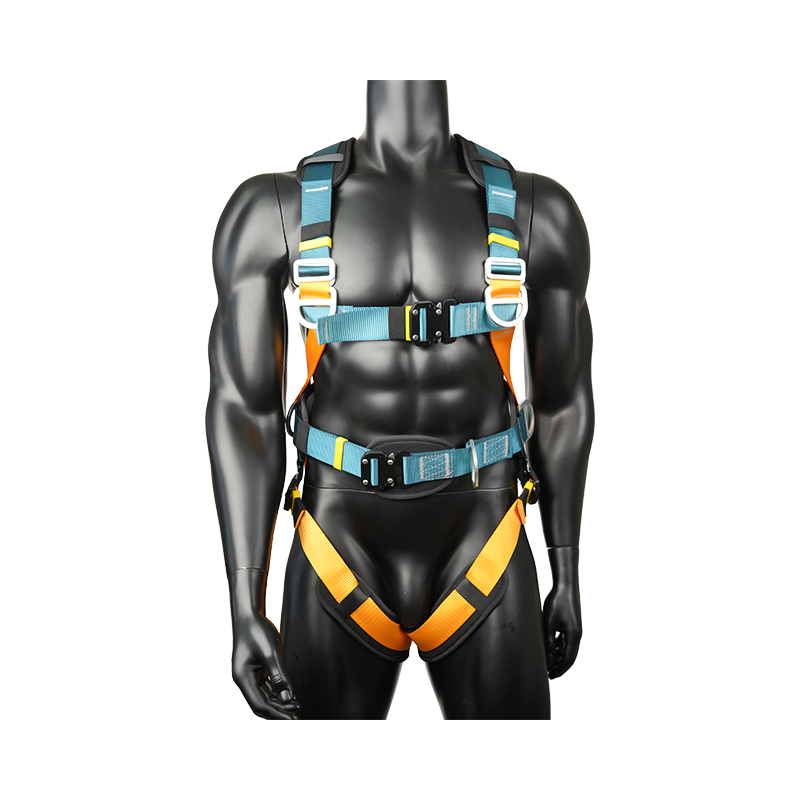
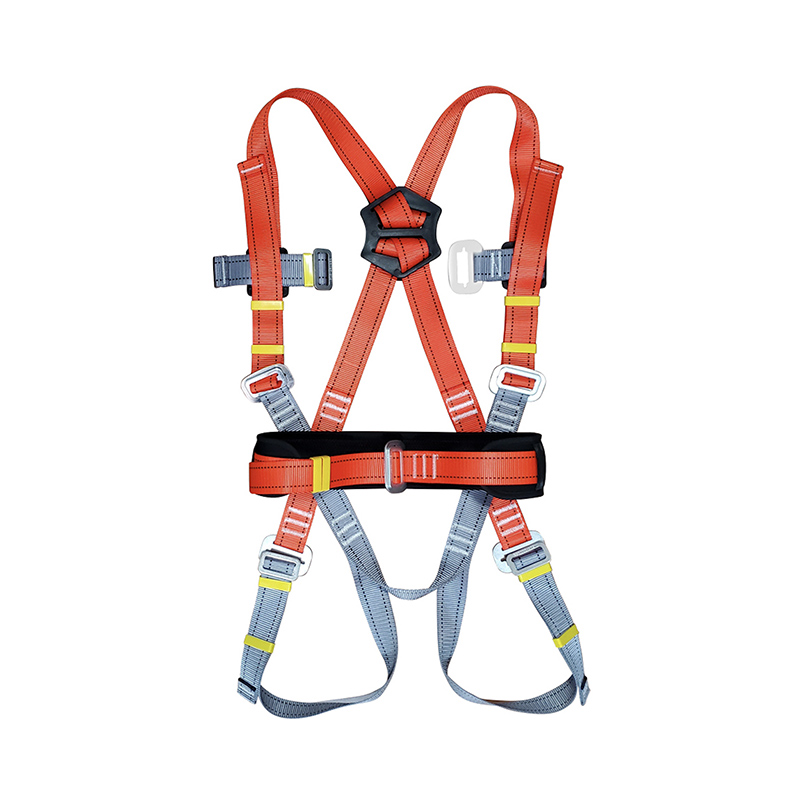
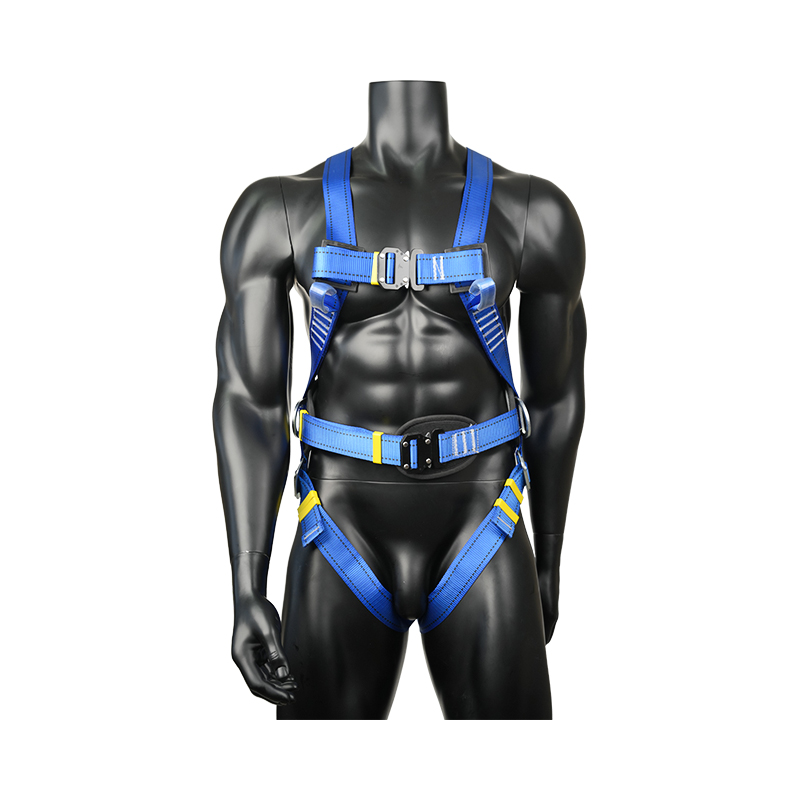
A tower climbing harness is engineered for ascending and descending fixed structures—lattice towers, monopoles, or communication masts—typically using a ladder or step bolts. It emphasizes dorsal (back) and front D-rings for fall arrest and work positioning, along with a removable or permanent seat for extended sitting comfort. A rope access harness, built to SPRAT/IRATA standards, relies on a single ventral (belly) D-ring as the primary attachment point and a wider, more padded waist belt for hanging in suspension.
The D-ring layout tells the story. Tower harnesses often use a dorsal D-ring for fall arrest, two side hip D-rings for positioning, and a sternal D-ring for ladder safety systems. Rope access models center everything around a low-profile ventral D-ring to keep ropes aligned with the body’s center of gravity during maneuvering. Seat design is another clear separator—tower climbers spend long shifts sitting on a structural member, so a rigid or semi‑rigid seat (often carbon fiber or reinforced polymer) adds comfort and reduces leg fatigue. Rope access seats are generally softer and less structured because the technician is rarely sitting directly on a steel beam.
Certification paths diverge as well. In the United States, OSHA 29 CFR 1910.140 and ANSI Z359.11 define the requirements for full‑body harnesses used in fall protection. A tower harness intended for telecom or utility work should carry an ANSI Z359.11 mark. Rope access harnesses are typically certified to SPRAT/IRATA guidelines, which focus on technical rope work and suspended activities. Using a rope access harness on a tower can work in a pinch, but it often lacks the dedicated front attachment points or firm seat needed for ladder-based climbing.
| Feature | Tower Climbing Harness | Rope Access Harness |
|---|---|---|
| Primary D-ring | Dorsal (back) + often front sternal | Ventral (belly) |
| Side D-rings | Typically two hip rings for positioning | Often omitted or small, not load‑rated for positioning |
| Seat design | Removable rigid or semi‑rigid seat (carbon fiber, polymer) | Soft, padded waist belt only |
| Certification | ANSI Z359.11, OSHA 1910.140 | SPRAT/IRATA or EN 361 |
| Best for | Ladder or step‑bolt climbing on fixed towers | Suspended work, rope maneuvers, building façade access |
Every component of a tower climbing harness must handle the unique stresses of vertical ascent and prolonged stationary work. Start with the D‑ring material: aluminum or steel (detailed in the next section), but also verify the ring’s kN rating. A dorsal D-ring must withstand at least 16 kN (3,600 lbf) static force under ANSI Z359.11, while side positioning rings often meet 12 kN. Next, check the webbing—44 mm polyester webbing is the industry standard because it resists UV degradation, stretches minimally, and dries quickly. Nylon webbing, though strong, absorbs water and weakens under constant sun exposure on exposed tower sites.
Buckle type matters more than most users realize. Quick‑connect buckles (automatic or pass‑through) speed up donning and doffing, but they add bulk. Tongue‑buckle leg straps are lighter and more durable, but slower to secure. For a tower climber who suits up and down multiple times a day, a hybrid design—quick‑connect chest and waist with tongue leg straps—often delivers the best balance. As you evaluate options, remember that a complete system includes a full‑body safety harness that integrates smoothly with a lanyard or SRL.
Padding and seat integration should not be overlooked. A removeable wooden‑core or carbon‑fiber seat can make the difference between a safe 3‑hour climb and a numb‑leg situation at 150 feet. Look for a seat that attaches to the hip D‑rings via snap hooks, allowing you to deploy it only when stationary. Finally, verify that the harness carries a visible, legible label showing the manufacturing date, serial number, and ANSI compliance—OSHA compliance officers check this first.
The D-ring material directly affects weight, price, and service life. Aluminum D-rings are about 40% lighter than steel equivalents, typically saving 0.4–0.6 lb (180–270 g) per ring. That weight reduction adds up on a six‑ring harness, cutting nearly half a pound. For tower technicians who climb daily, that translates into less fatigue over an 8‑hour shift. Aluminum also resists corrosion, making it the better choice for coastal or high‑humidity environments. The tradeoff is cost—aluminum rings usually add $20–$50 to a harness’s price compared to steel, and they are softer; a dropped tool or abrasion against a tower leg can gouge the ring and require retirement.
Steel D-rings, on the other hand, are practically indestructible under normal use. They shrug off impacts and cost less upfront, which explains why cost‑sensitive operations (e.g., volunteer radio clubs, small‑scale tower owners) often prefer them. Inland sites with dry conditions see little downside to steel except the extra weight. However, in salt‑spray zones, steel rings can develop surface rust that may hide structural cracks. Either material must meet the same ANSI load rating, but inspect steel rings more carefully for hidden corrosion.
| Property | Aluminum D‑ring | Steel D‑ring |
|---|---|---|
| Weight (typical 4‑ring set) | 1.2–1.8 lb | 2.2–2.8 lb |
| Cost premium over base | +$20–$50 per harness | Baseline |
| Corrosion resistance | Excellent | Moderate; prone to surface rust |
| Durability to impact | Moderate; can gouge | High; rarely damaged |
| Best suited for | Coastal/humid sites, frequent climbers | Inland dry sites, budget‑conscious buyers |
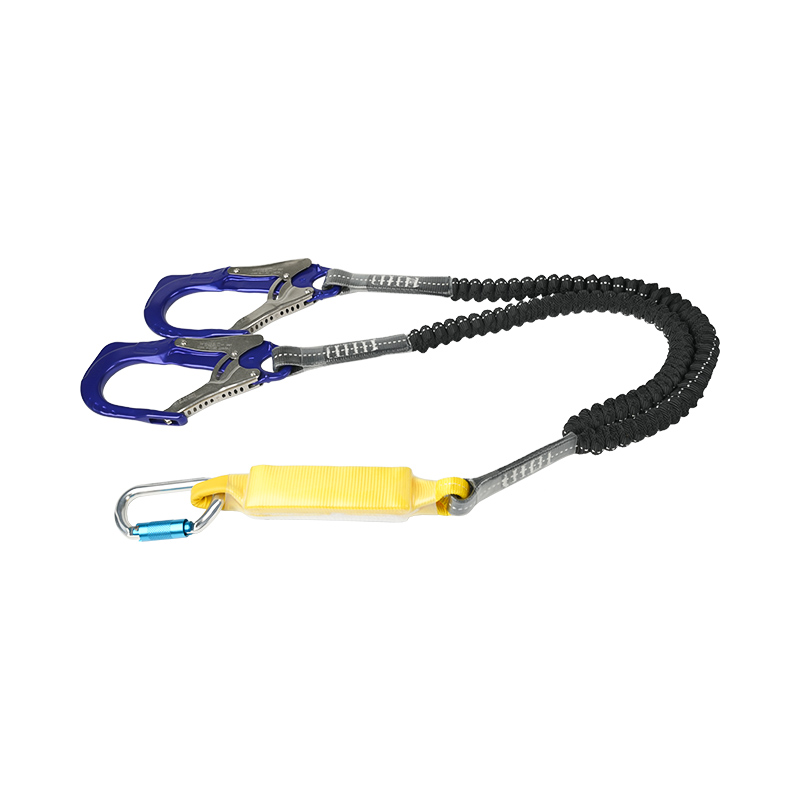
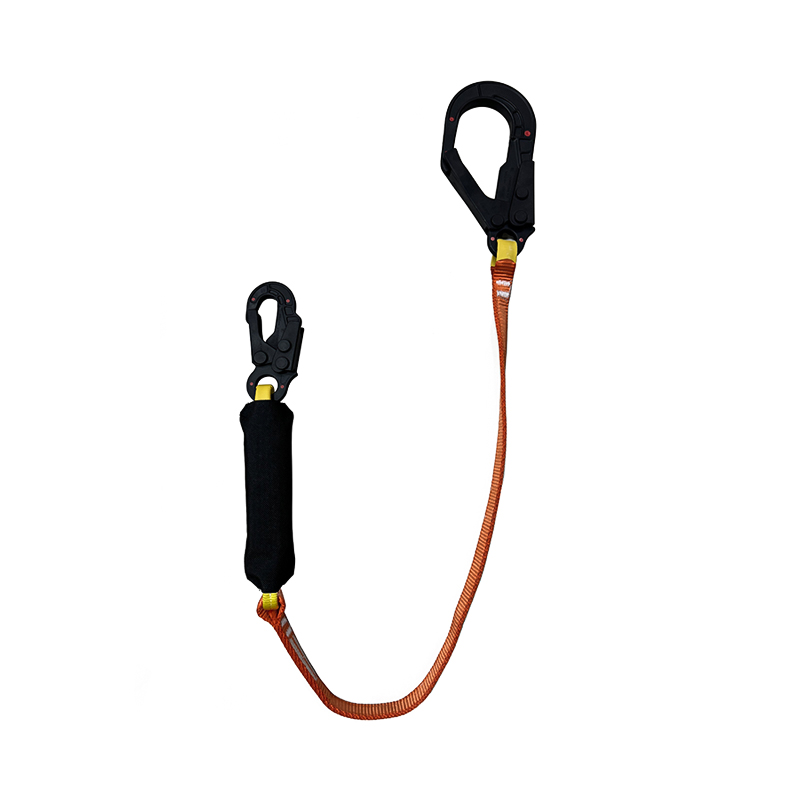
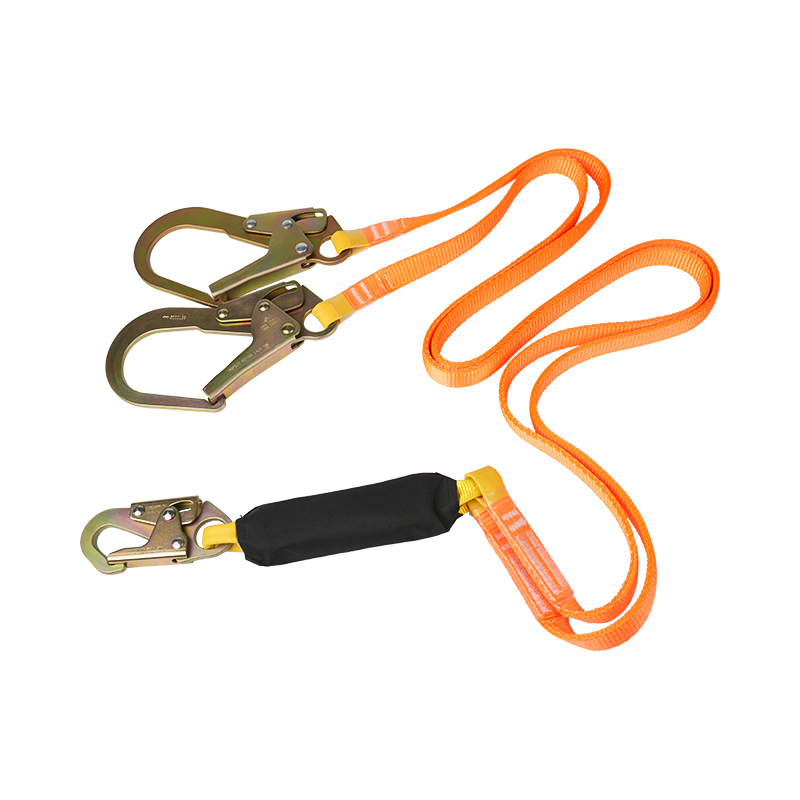
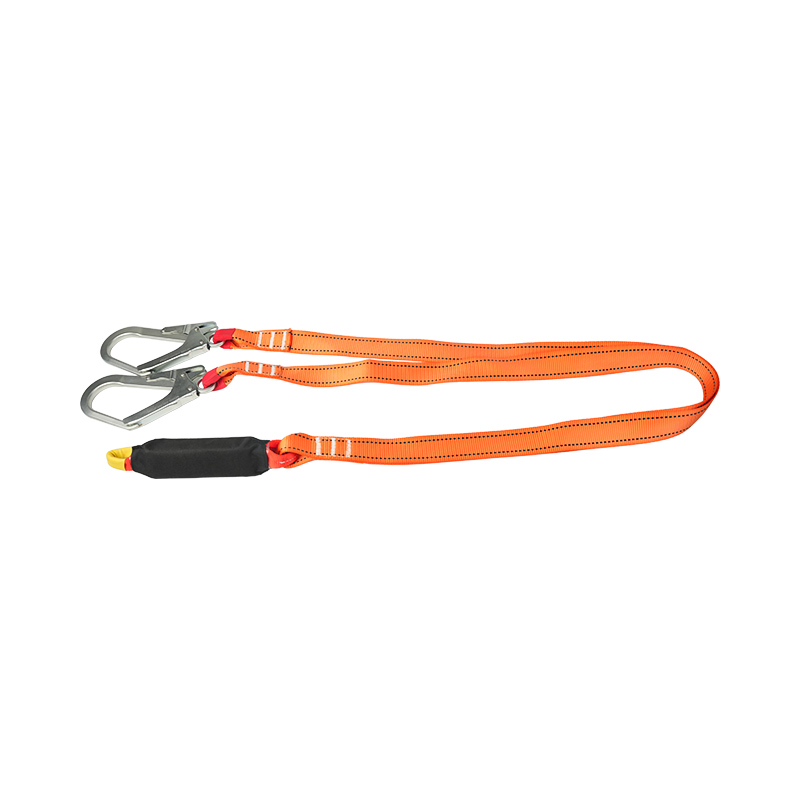
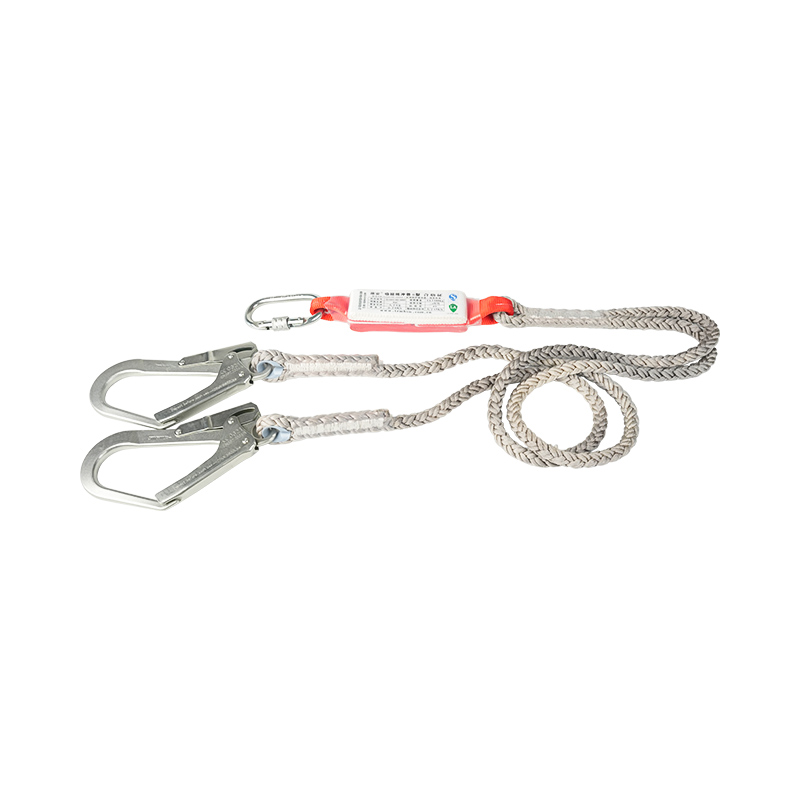
Climbing a 70‑foot self‑built tower without a lift truck demands a specific strategy. Three practical methods exist, each with different gear costs and skill requirements. The most common and economical is the double lanyard technique: attach two fall‑arrest lanyards to the harness’s dorsal or sternal D‑ring, use one to anchor above while you move the other to the next step. You remain tied off 100% of the time. A pair of 6‑foot shock‑absorbing lanyards and a basic positioning belt will cost under $150 total if you shop factory‑direct options like a simple 1‑D‑ring construction harness, making this the preferred method for amateur radio enthusiasts.
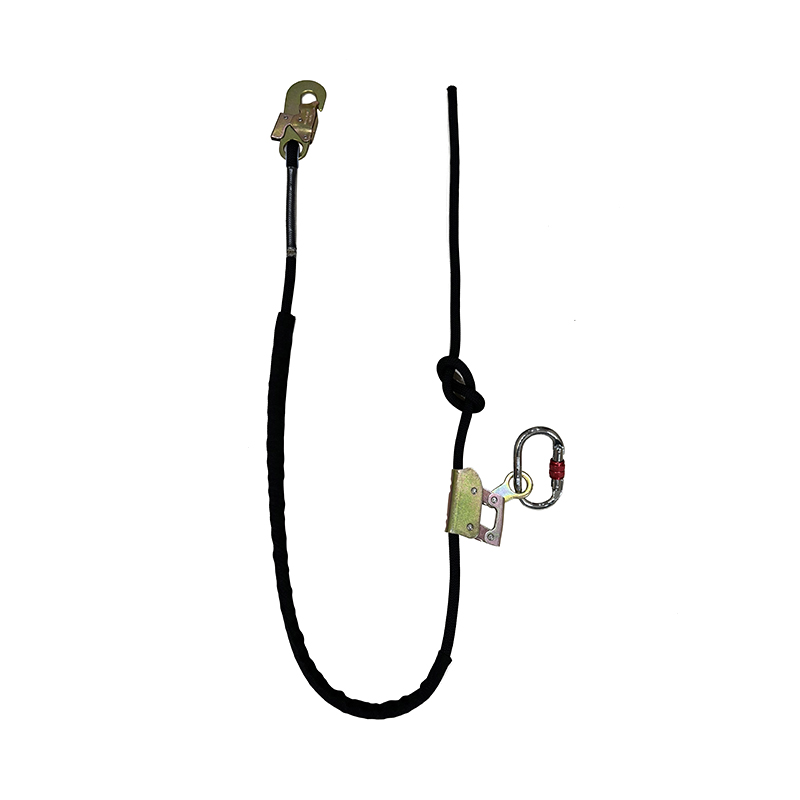
The second method adds a positioning lanyard and a rope grab on a static line. You run a 10 mm or 11 mm semi‑static rope fixed to the tower top, connect a rope grab to your front D‑ring, and use a short positioning lanyard from your side D‑ring to the tower leg. This costs more initially—roughly $200–$300 for the rope, rope grab, and harness upgrades—but speeds up the ascent and descent dramatically. The third approach is a battery‑powered electric ascender, like a portable winch or powered rope descent system. CapEx jumps to $2,000 and above, but for a crew that climbs towers daily, the OpEx savings in labor and reduced fatigue can pay back within 12 months.
| Method | Equipment Cost (approx.) | Skill Level | Best For |
|---|---|---|---|
| Double lanyard (100% tie‑off) | $100–$180 | Beginner‑Intermediate | Occasional maintenance, radio hobbyists |
| Positioning lanyard + rope grab | $200–$350 | Intermediate | Regular climbs, small contractor crews |
| Electric ascender / powered system | $2,000+ | Advanced | Daily professional access, tall towers |
Your budget shapes the feature set, but safety does not need to scale linearly with price. Under $200, you can find a basic steel‑D‑ring full‑body harness with a dorsal attachment, pass‑through buckle legs, and minimal padding. A model equivalent to the KA06‑style design meets ANSI Z359.11 and will serve a part‑time tower owner well. At this level, expect no seat, no quick‑connect chest, and simpler webbing—perfectly suitable for 3–4 climbs per year.
$200–$400 brings aluminum D‑rings, a removable rigid seat, and quick‑connect buckles. The harness weight drops noticeably, and the seat improves comfort for any task that requires sitting on a tower member for more than 20 minutes. Many contractors operate here because the comfort‑to‑cost ratio is hard to beat. Some units in this bracket even include a built‑in shock absorber on the dorsal D‑ring, reducing the need for an external energy absorber.
Over $400 typically means a carbon‑fiber seat, integrated dual‑layer padding, multiple aluminum D‑rings (six or more), and premium buckle systems. Brands competing at this level often add features like quick‑release shoulder straps for emergency doffing or tool‑carrying loops molded into the hip pad. For full‑time tower crews who climb 5–6 days a week, the extra cost repays itself in reduced fatigue and fewer muscle strains. Still, a factory‑direct option can deliver similar features at 30–40% less than the retail‑brand price, simply by eliminating the middleman.
Off‑the‑shelf harnesses work for many, but an increasing number of tower crews and smaller fleet owners turn to OEM customization. Working directly with a manufacturer lets you adjust four key parameters without waiting for a bespoke design cycle: D‑ring count and placement (add hip rings, remove unnecessary sternal rings), seat type and attachment method (rigid vs. padded, snap‑hook vs. integrated), webbing color and pattern (high‑visibility neon for night work or subdued tones for low‑profile sites), and logo and labeling (company name, contact info printed on tags or heat‑transferred onto the back pad).
Minimum order quantities typically start at 50–100 units for these semi‑custom changes. Lead times run 4–8 weeks depending on component availability. The cost uplift is modest—usually 10–15% above the standard unit price when ordering at MOQ. For a radio club that wants every member’s harness to carry the club’s call sign and a dedicated tool loop, or for a contractor who wants to brand their fleet, custom PPE program services offer a practical, affordable route.
ANSI Z359.2 requires a competent person to inspect each harness before use, and a formal documented inspection at least annually. But for the individual tower climber, a five‑step pre‑use check catches 95% of problems. 1. Webbing: Run your thumb and forefinger along every inch of webbing, searching for cuts, frayed edges, burns, or chemical stains. Polyester webbing that shows more than 10% fiber breakage in any cross‑section must be retired. 2. D‑rings: Look for deformation, cracks, or deep gouges. A ring that doesn’t return to its original shape after a light twist has been overloaded. 3. Buckles: Tongue buckles must engage fully with a positive click; quick‑connect buckles should snap together with no visible gap.
4. Labels: The harness must bear a readable ANSI Z359.11 compliance label with a legible manufacturing date. An illegible or missing label means the harness cannot be verified and should be removed from service. 5. Shock absorber (if integrated): Check the pack for tears or swelling. A deployed shock absorber renders the harness unusable—it’s a one‑time event.
Storage matters as much as usage. Hang harnesses in a cool, dry space away from direct sunlight and chemicals. Clean with mild soap and water, never bleach. Even with perfect care, the industry standard sets a maximum service life of 5 years from the date of manufacture for synthetic harnesses, unless a manufacturer’s written instruction specifies otherwise. Some makers extend to 7 or 10 years if the harness passes annual factory recertification, but for a personal tower harness, erring on the side of a 5‑year retirement is the safest play.

San Ye Road, Si Xiang Sub-district, Hai Ling District, Tai Zhou City, Jiang Su Province, China

+86 151-5262-8620
Copyright @ Taizhou KA Protection Products Co., Ltd. All Rights Reserved



 English
 Español
 عربى
عربى