Content
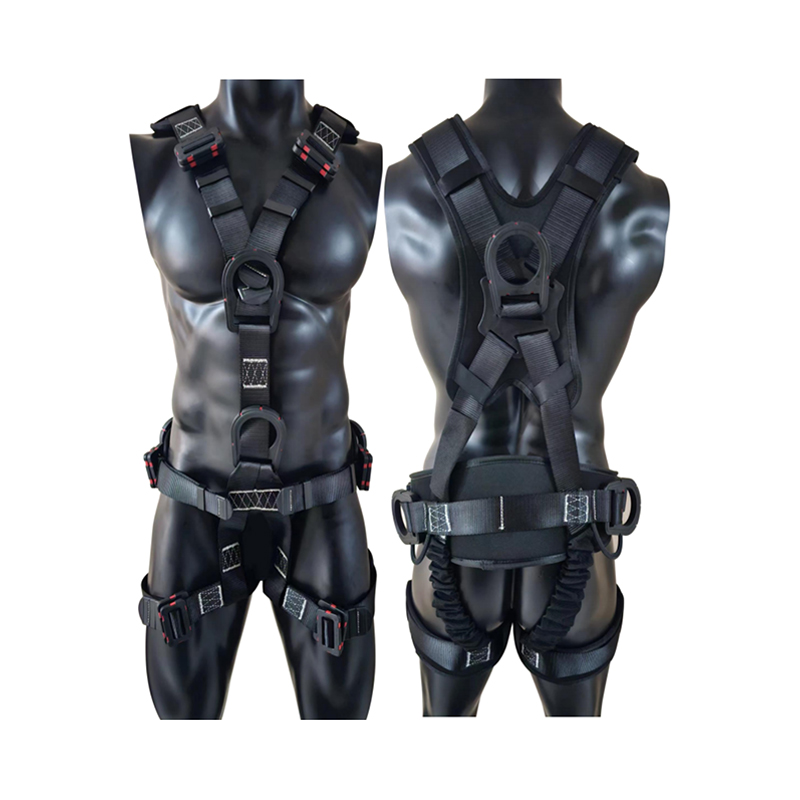
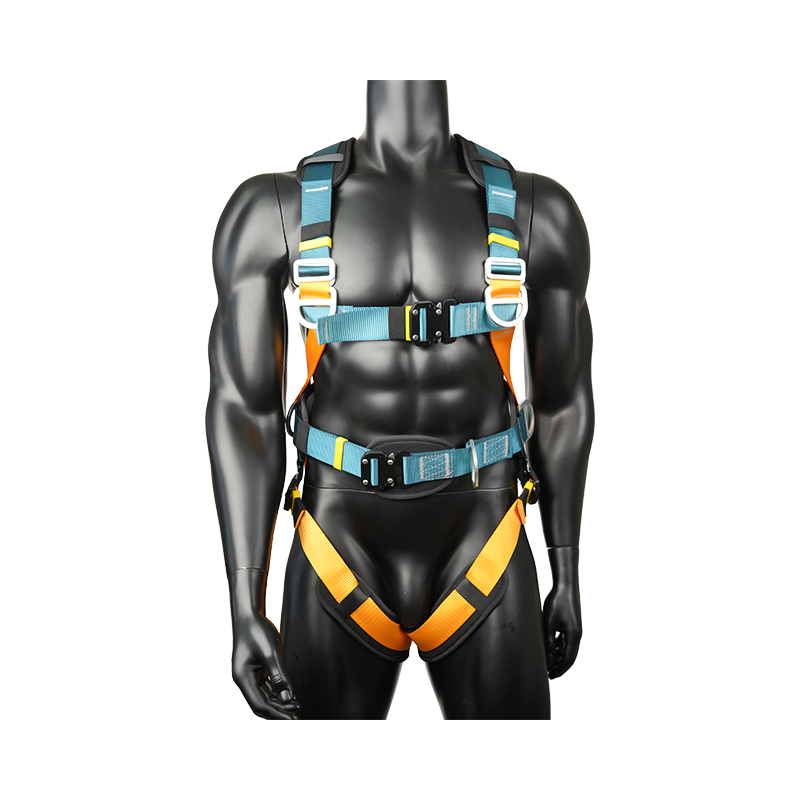
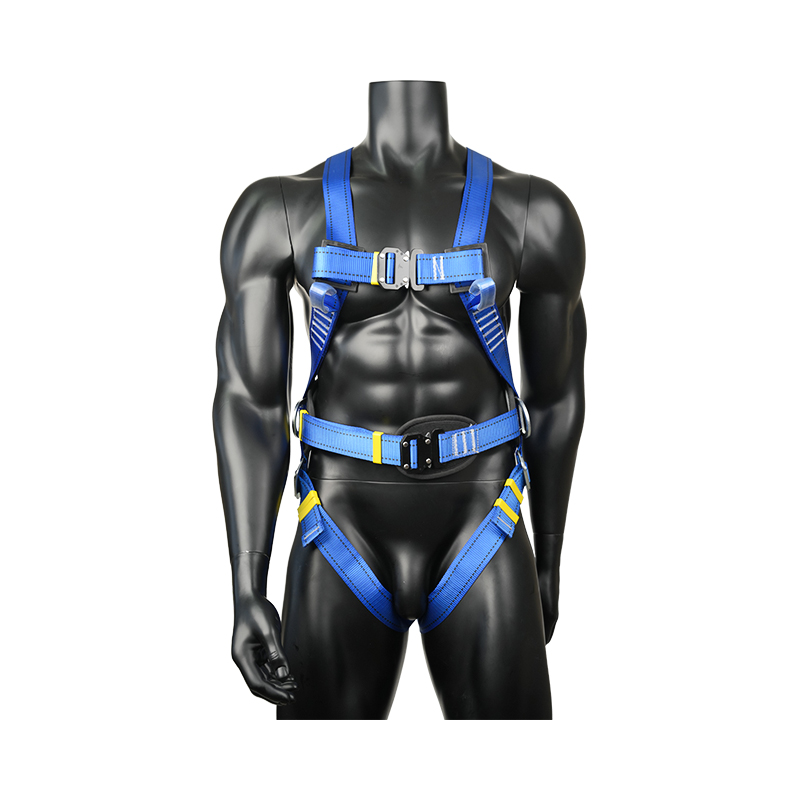
OSHA’s 29 CFR 1926.502(d)(16) is unambiguous: personal fall arrest systems must include a full body harness. That rule fires into effect the moment a worker faces a fall of 6 feet or more in construction, or 4 feet in general industry per 1910.140. ANSI Z359.11 reinforces this—it classifies harnesses by their ability to distribute arrest forces across the thighs, pelvis, chest, and shoulders, eliminating the body-belt loophole that once caused internal injuries during a fall.
Both standards agree on three non-negotiables. The harness must limit maximum arrest force to 1,800 pounds on the body. It must bring the worker to a complete stop within 3.5 feet of free-fall distance when paired with an appropriate lanyard. And the dorsal D-ring, or attachment point, must be positioned between the shoulder blades. If any of these conditions are not met, the system is not compliant.
ANSI Z359.11 goes a step further and defines harness classes. Class A harnesses cover basic fall arrest. Class E includes electrically insulating models for utility work. Class D adds controlled descent and rescue attachments. Procurement managers should verify the printed label carries both the ANSI class and the manufacturer’s maximum capacity—usually 310 pounds including tools. Without that label, a harness has zero legal standing on a jobsite.
The table below distills the primary differences between the two major standards so safety officers can cross-reference quickly.
| Requirement | OSHA 1926.502 | ANSI Z359.11 |
|---|---|---|
| Harness type | Full body harness required | Full body, classified by use (A, D, E, etc.) |
| Maximum arrest force | 1,800 lbs | 1,800 lbs (but tested to 2x capacity) |
| Attachment point | Dorsal D-ring between shoulders | Dorsal D-ring, optional front or side D-rings |
| Connector gate strength | 3,600 lbs | 3,600 lbs; 5,000 lbs for snap hooks in some classes |
| Labeling | Manufacturer, model, date | Class, capacity, warning, lot number, date |
Legal text becomes concrete the moment a worker steps onto a roof or climbs a lattice tower. Here are five situations where the harness is not optional—it is legally required because the arrest system must engage within inches, not feet.
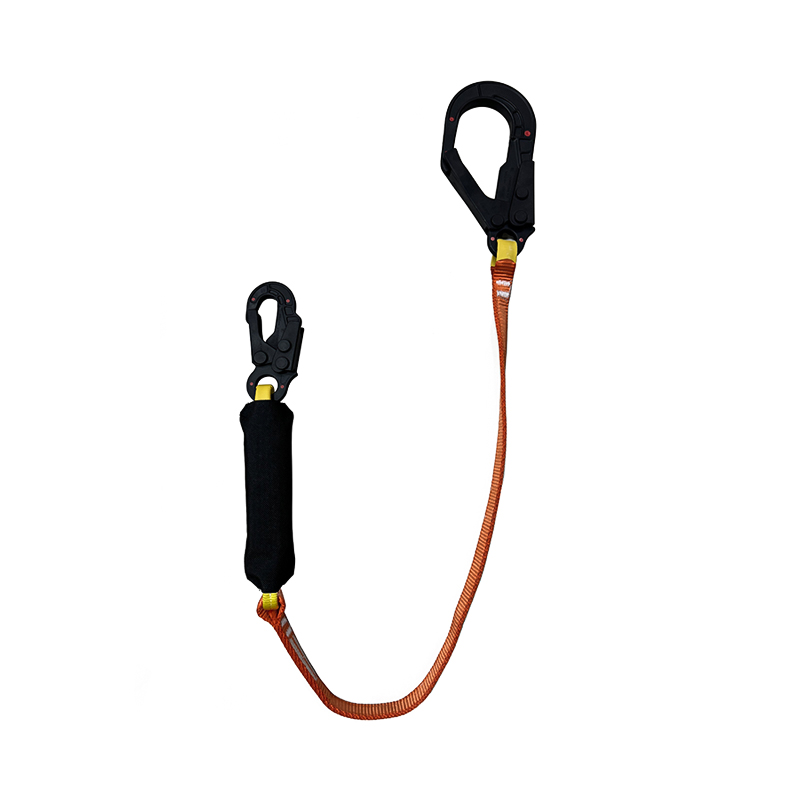
1. Leading-edge roof work. Any worker within 6 feet of an unprotected edge on a low-slope roof falls under OSHA’s 1926.501(b)(4). A harness connected to a shock-absorbing lanyard and a verified anchor is the only compliant setup. Guardrails can substitute, but when the crew is installing those very rails, a harness is the primary defense. In roofing operations, even a 10-minute task like clearing debris triggers the requirement.
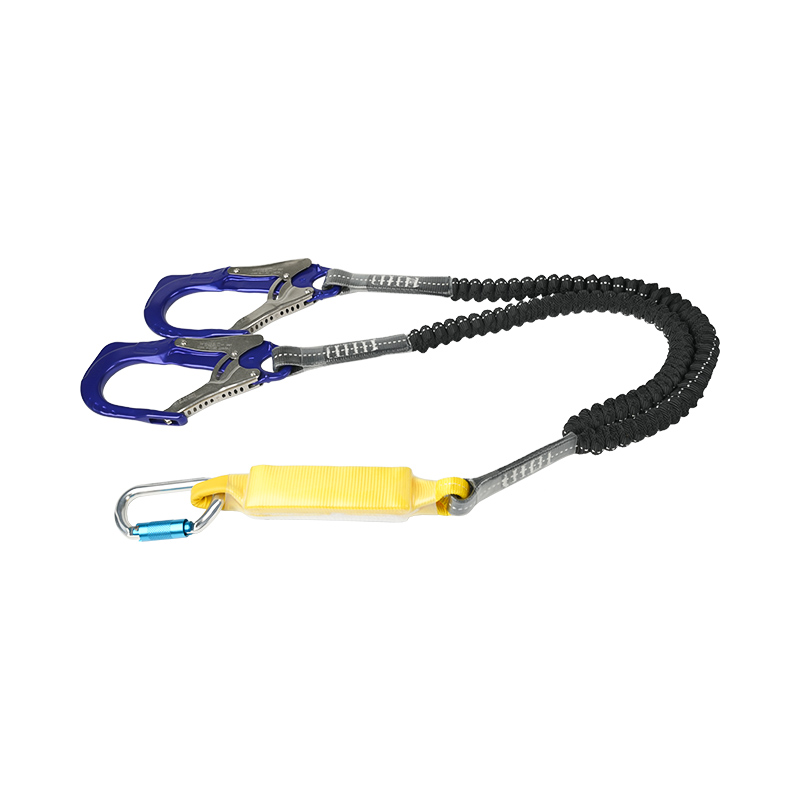
2. Steel erection and connecting. Ironworkers walking I-beams at heights above 15 feet must tie off under 1926.760. Here, the full body harness often integrates twin-leg lanyards so the worker remains 100% tied off while moving across columns. The front D-ring becomes critical for climbing and the dorsal D-ring for fall arrest. Many contractors now pair the harness with a work-positioning lanyard to stabilize footing before the final connection is bolted.
3. Utility pole and tower work. Linemen performing maintenance or installation on energized lines need a dielectric safety harness that meets ANSI 107 Class 0 or 00 voltage ratings. A standard nylon harness can absorb moisture and become conductive. A dedicated dielectric safety harness with insulated buckles and non-conductive hardware is mandatory here—anything else places the worker’s life at risk from arc flash or ground fault.
4. Petrochemical tank and silo top entry. Confined space entry procedures under 1910.146 often require a harness for retrieval as well as fall arrest. The standard calls for a rescue-capable harness with both shoulder and thigh straps that keep an unconscious worker upright. If a vertical entry exceeds 5 feet, the harness must be worn and attached to a mechanical retrieval device before the hatch opens. Petrochemical sites with vapor exposure also need a harness made from chemical-resistant polyester webbing, not standard nylon.
5. Suspended scaffold and swing-stage work. When a two-point suspended scaffold rises above 10 feet, OSHA requires each worker to wear a harness attached to an independent vertical lifeline, not just the scaffold’s guardrail system. The lifeline must connect to a separate anchor point capable of holding 5,000 pounds per worker. This dual system prevents the catastrophic collapse scenario where a scaffold failure pulls multiple workers down simultaneously.
Not every elevated task demands a full body harness. Positioning belts—often called work-positioning belts or body belts—serve a different function: they hold a worker in place so both hands are free, but they do not arrest a fall. OSHA permits their use only when the positioning system eliminates the potential for a free fall or when a secondary fall arrest system is also deployed.
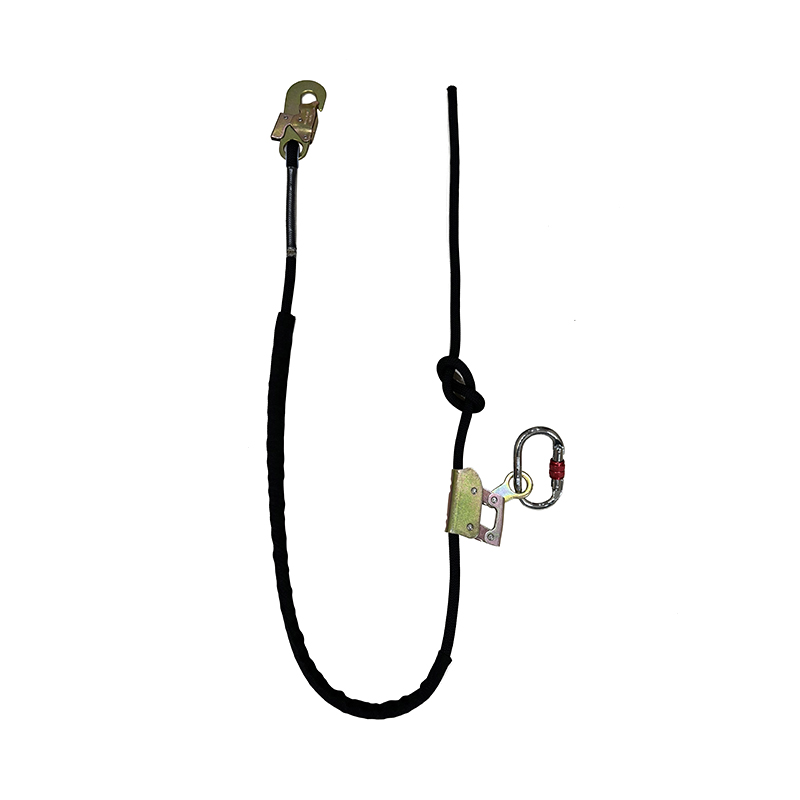
A positioning belt wraps around the waist and connects to a short, adjustable lanyard locked onto a vertical structure. This allows a rebar installer or a pole climber to lean back and use tools. However, if the worker can drop more than 2 feet, the belt alone becomes a hazard. The abrupt stop of a body belt concentrates force on the abdomen, causing diaphragm rupture or spinal damage. That is why ANSI Z359.11 eliminated body belts from fall arrest entirely in 1992.
Modern best practice pairs a positioning belt with a full body harness that has side D-rings. The worker clips the positioning lanyard to the side D-rings and ties off the dorsal ring to a separate fall arrest lanyard. This dual system is common in universal full body harnesses with 6 D-rings, where the front and side rings handle positioning while the back ring arrests impact. The decision tree is simple: if a fall hazard exists, the harness must be worn; the positioning belt becomes a supplementary comfort tool, never the primary fall protection.
| Aspect | Fall Arrest System | Positioning System |
|---|---|---|
| Core component | Full body harness | Positioning belt or harness with side D-rings |
| Allowed free fall | Maximum 6 feet (controlled) | Maximum 2 feet |
| Arrest force location | Thighs, chest, shoulders | Waist (not for arrest) |
| OSHA regulation | 1926.502(d) | 1926.502(e) |
| Typical use | Roof edges, steel beams, towers | Rebar tying, pole climbing with secondary arrest |
Wearing a harness when it is not required can introduce its own risks—snagging on machinery, tripping, or creating a false sense of security that leads to overlooking real hazards. The following three situations call for a deliberate decision to leave the harness off.
1. Inside a vertical lift (scissor lift) with guardrails intact. IPAF and OSHA both state that a scissor lift with fully deployed guardrails operates as a protected platform. A harness clipped to the platform can drag a worker over the rail if the lift tips, or can interfere with rapid egress. Only when the lift is a boom-type MEWP—where the bucket can bounce and catapult a worker—does the harness become mandatory. For vertical lifts, a risk assessment may still require a restraint lanyard, but in most standard operations the guardrails alone satisfy the fall protection requirement.
2. Ground-level tasks with no fall exposure. Clipping on a harness to walk around a warehouse floor or to unload a truck at ground level does not improve safety. It creates a false sense of preparedness and can lead to snagging hazards around conveyor belts or moving vehicles. Harnesses are engineered for force distribution during a dynamic event; they are not general-purpose PPE. If the feet never leave the ground and there is no opening into which the worker could fall, the harness stays in the kit bag.
3. A harness that has passed its inspection date or sustained an impact. This is not a scenario about the job but about the equipment. No worker should ever wear a harness that shows a tear deeper than 1/16 inch in the webbing, has a corroded or deformed D-ring, or lacks a readable label. A harness that arrested a fall must be removed from service immediately, even if it looks intact. Internal fiber damage is invisible to the naked eye. A "not recommended" situation becomes a "forbidden" one the moment the equipment integrity is in doubt.
Material selection is where safety theory meets real-world industrial conditions. Polyester, nylon, and UHMWPE (ultra-high-molecular-weight polyethylene) each react differently to moisture, UV rays, chemicals, and abrasion. A polyester harness that excels in a chemical plant can degrade in three months under direct desert sun. Understanding these differences prevents the single most common procurement mistake: buying one harness model for every job site.
Polyester webbing resists acids, bleach, and most hydrocarbons, and it stretches less than nylon when wet. That makes it the go-to material for petrochemical plants, refineries, and wastewater treatment. Its Achilles heel is UV radiation—prolonged exposure weakens the fiber faster than nylon. Polyester harnesses used outdoors must be stored in shaded bags and inspected for chalky discoloration each month.
Nylon, in contrast, absorbs up to 8% of its weight in water. Wet nylon loses 10-15% of its tensile strength and elongates more. For this reason, nylon harnesses are rarely specified for marine or high-humidity environments. They excel in dry, indoor fabrication shops and general construction where chemical splash is unlikely. Nylon also holds up better against UV than polyester, making it suitable for intermittent outdoor use if kept dry.
UHMWPE fibers (often branded Dyneema) deliver high cut resistance and very low stretch but at a higher cost. These harnesses appear in glass manufacturing, metal fabrication, and rescue operations where sharp edges are present. The trade-off is heat sensitivity—UHMWPE softens above 150 degrees Fahrenheit, so it cannot be used near welding spatter or steam lines.
For electrically hazardous environments, no standard fabric harness suffices. A dielectric safety harness uses fully non-conductive hardware, fiberglass-reinforced plastic buckles, and insulating leg pads rated to the voltage class the worker will encounter. Matching the harness class to the nominal line voltage is not a best practice—it is an OSHA mandate under 1910.269 for power generation and transmission work.
| Work Environment | Recommended Webbing | Key Certification |
|---|---|---|
| Petrochemical, acid exposure | Polyester | ANSI Z359.11, Class A or D |
| General construction, dry | Nylon or polyester | ANSI Z359.11, Class A |
| Marine, high humidity | Polyester | ANSI Z359.11, Class A |
| Sharp edges, glass/metal | UHMWPE (Dyneema) | ANSI Z359.11, Class A or D |
| Electrical utility, energized lines | Insulated dielectric | ANSI 107, Class 0 or 00 |
Before a harness leaves the tool crib, a structured risk assessment should confirm that the right model matches the job. The following five-step framework, adapted from ANSI Z359.2, turns a subjective safety check into a repeatable, auditable process.
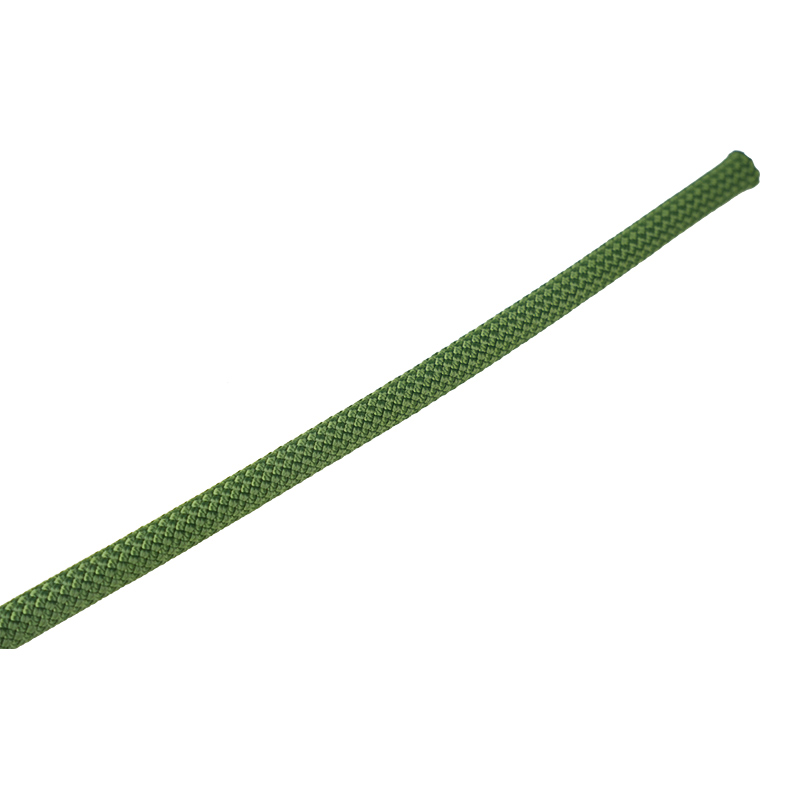
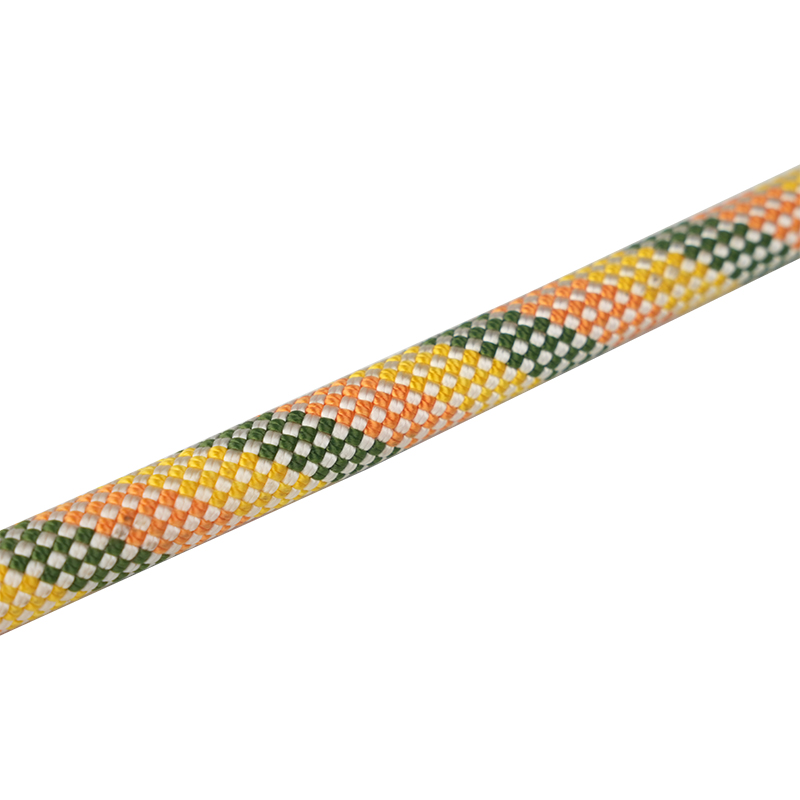
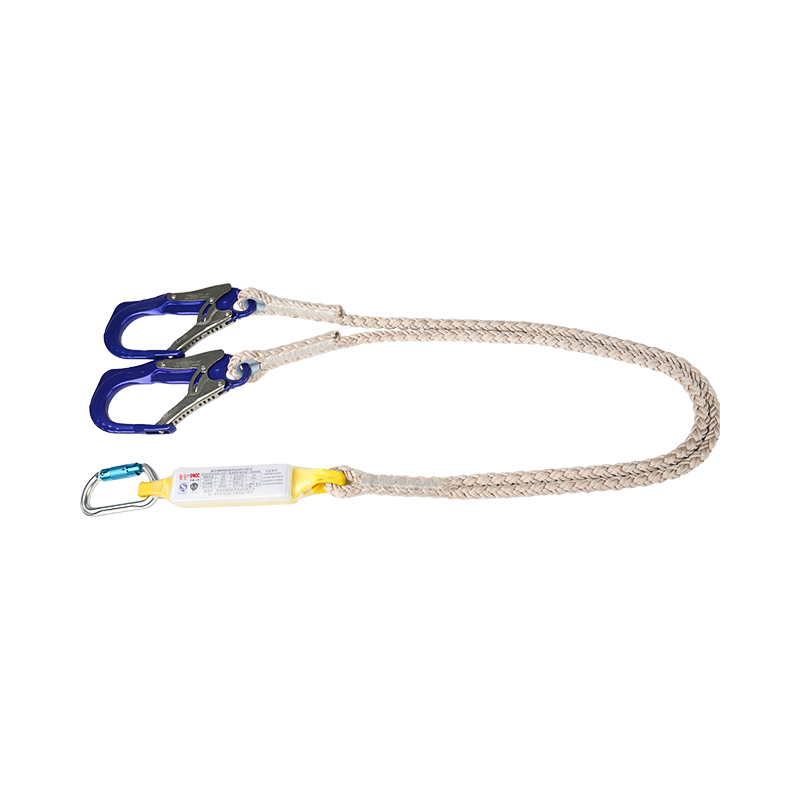
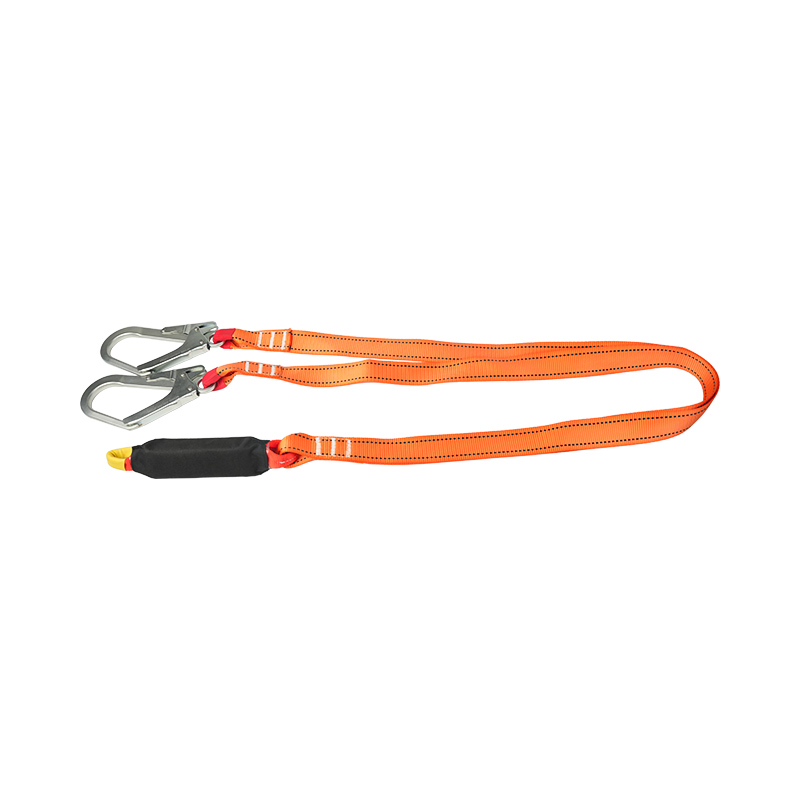
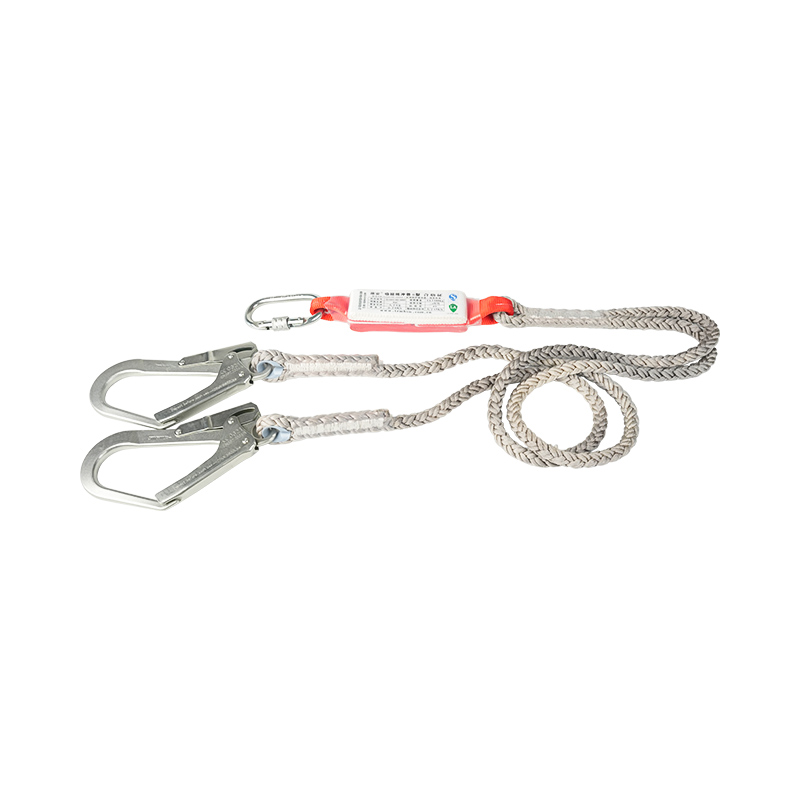
Each step should be documented on a pre-use checklist signed by the competent person on site. Over time, these checklists become the company’s institutional memory, revealing patterns—like repeated clearance failures at a certain tank farm—that justify investing in custom-engineered custom safety harness solutions or higher-strength custom rope assemblies tailored to the specific structure.
No regulatory body sets a hard calendar expiration date on a harness. However, every manufacturer publishes a service life—typically 5 to 10 years from the date of first use—and that timeline shrinks dramatically if inspections reveal damage. The competent person’s daily visual and tactile inspection carries more legal weight than any stamped date.
Immediate inspection triggers. Run your hand along every inch of webbing, feeling for stiff or thinned areas that indicate internal fiber breakage. Look for cuts, fraying, or pulled threads deeper than 1/16 inch. Check all D-rings and adjuster buckles for cracks, corrosion, or distortion. A bent back D-ring that has shifted more than 5 degrees from its axis means the harness has arrested a load too heavy and must be destroyed.
Chemical and heat damage. Faded webbing that appears chalky or discolored signals UV or chemical degradation. Polyester exposed to sulfuric acid becomes brittle and can snap under a fraction of its rated load. Any harness that has been in contact with paint, solvents, or strong alkalis must be removed and evaluated by the manufacturer before return to service.
Post-fall protocol. A harness that stopped a fall must be tagged “UNUSABLE” and removed from the site. The dynamic forces permanently stretch the fibers, reducing the harness’s ability to absorb a second impact. Even the smallest arrest—a 2-foot drop onto a tight lanyard—writes off the harness. There is no inspection that can restore its original energy-absorption capacity.
Label and traceability. If the harness label is missing, illegible, or missing any of the five required elements (manufacturer, model, serial number, date of manufacture, and applicable standards), the harness is considered non-compliant and must be retired. Inventory managers should keep a logbook tied to each serial number, recording inspection dates, findings, and the name of the inspector. This logbook becomes the legal defense in the event of an OSHA audit.

San Ye Road, Si Xiang Sub-district, Hai Ling District, Tai Zhou City, Jiang Su Province, China

+86 151-5262-8620
Copyright @ Taizhou KA Protection Products Co., Ltd. All Rights Reserved



 English
 Español
 عربى
عربى