Content
Imagine a maintenance crew preparing to enter a 3-meter-deep wastewater manhole. The entry point is only 60 cm wide, the atmosphere has not been fully verified, and the worker's safety depends entirely on the equipment strapped to their body. Confined space work is not just about gas detection. It requires a complete fall protection and rescue system covering the worker from anchor to attachment point. The right combination of a full-body harness, shock-absorbing double lanyards, positioning lines, and safety ropes determines whether a slipping incident turns into a minor scare or a serious injury.
For buyers and safety engineers, the practical question is not "what is the most expensive gear" but "which equipment set is the safest for this specific confined space profile." This guide will walk through the selection logic, the key standards, and the product decisions that matter most.
Confined spaces present unique hazards that ordinary construction sites rarely combine in one place. Restricted clearance limits the length of shock-absorbing lanyards. Narrow openings make rescue more difficult. Anchor points are often at odd angles. Workers may need to move horizontally or climb a vertical ladder while maintaining continuous connection.
That is why a standard construction harness alone is not always sufficient. A dedicated confined space system typically includes:
Every component must be selected against a recognized standard. The most commonly referenced ones in confined space procedures are EN361 for full-body harnesses, EN355 or ANSI Z359.13 for energy-absorbing lanyards, and EN1891 for low-stretch kernmantle ropes. Understanding what each standard actually certifies helps you avoid buying equipment that looks safe but fails in an actual rescue scenario.
The table below summarizes the most important purchasing criteria for each equipment category. Use this as a quick reference when evaluating a supplier's offer.
| Equipment Type | Primary Function | Key Performance Criteria |
|---|---|---|
| Full-body harness | Distributes fall forces; provides rescue attachment points | EN361 or CE certification; dorsal D-ring plus front or side attachment points; adjustable leg and shoulder straps; padding for prolonged suspension |
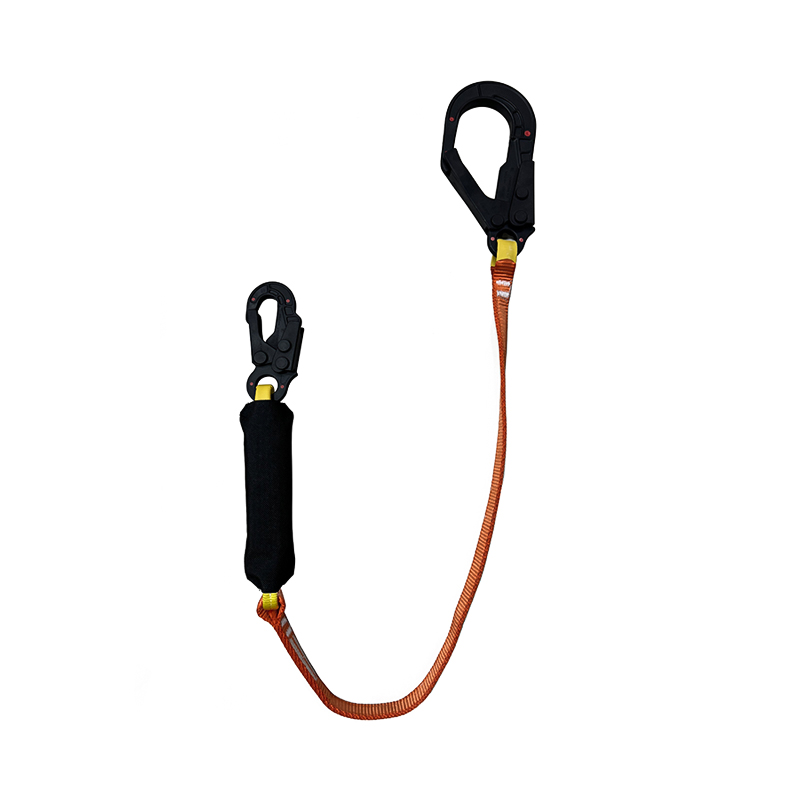
| Double lanyard with shock absorber | Maintains continuous tie-off; limits fall arrest forces | ANSI Z359.13 or EN355; maximum lanyard length suitable for the available fall clearance; forged or alloy hooks for secure connection |
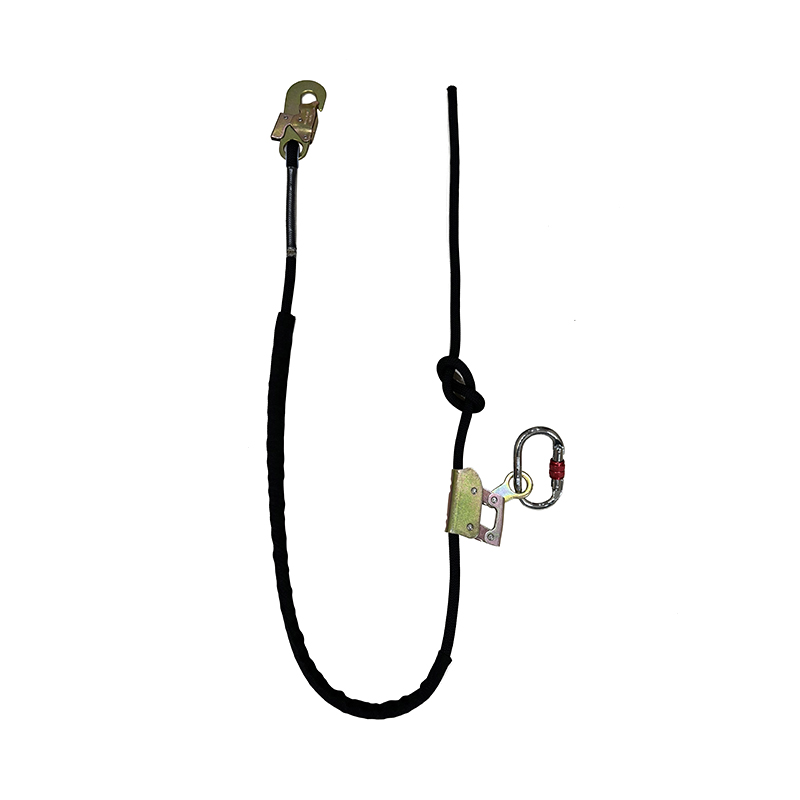
| Positioning line | Supports the worker in a seated/standing position for hands-free work | Low-stretch rope (nylon or polyester), diameter of 11–13 mm; sufficient breaking strength and abrasion resistance |
| Safety rope | Connects the worker to an anchor; supports retrieval and rescue operations | Breaking strength above 22 kN; UV and chemical resistance; smooth surface for easy handling and knot tying |
Before comparing prices, check whether the supplier can provide test reports for each batch. Certification claims without documentation are a red flag, especially in international projects where the equipment must meet local regulatory requirements.
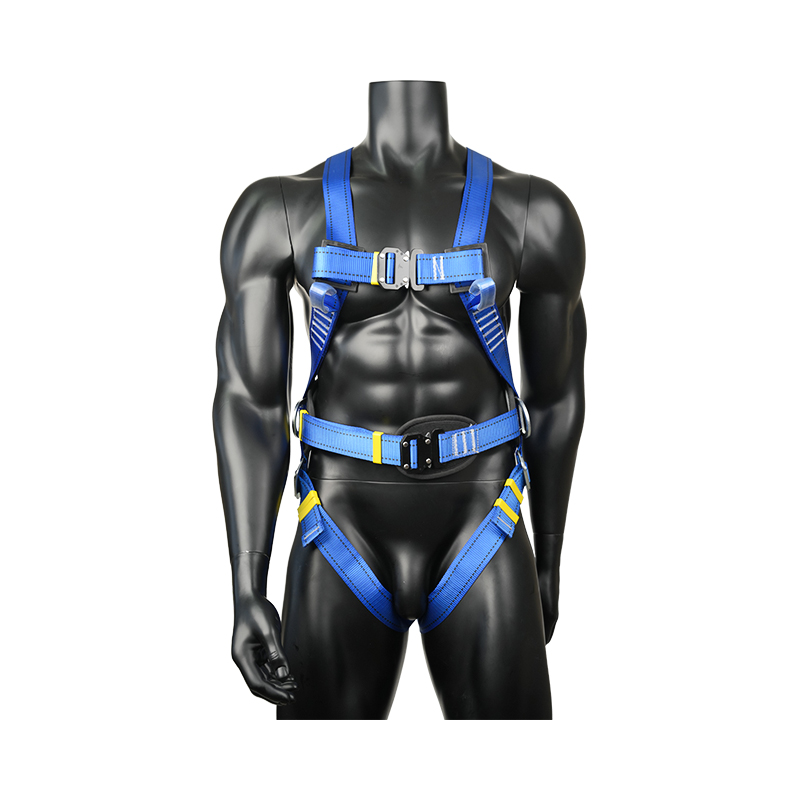
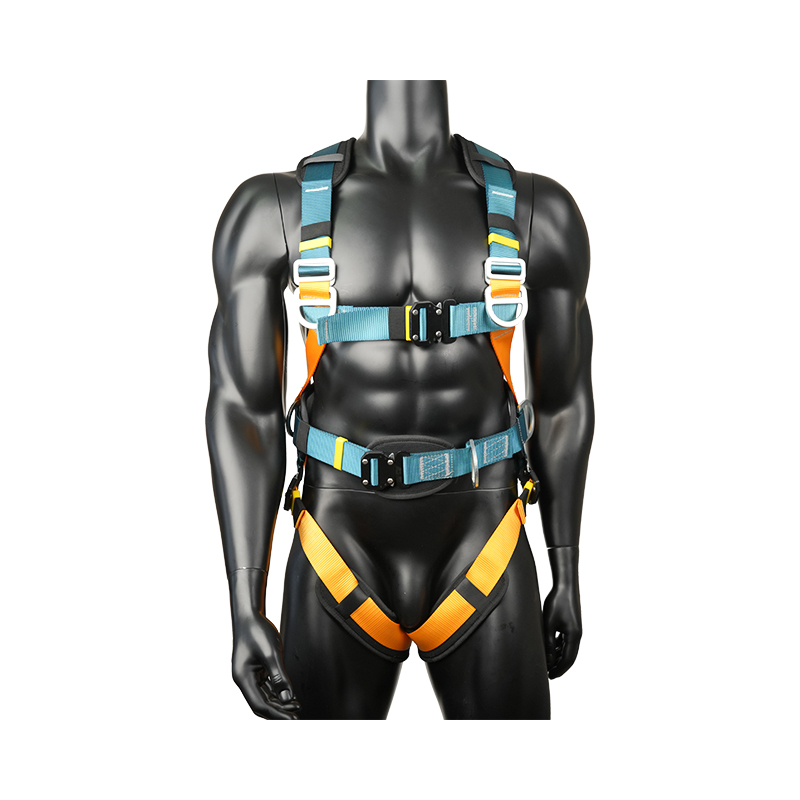 Universal Full Body Harness with 6 D-Rings and Quick-Release BucklesThis CE-certified harness features six D-rings and quick-release buckles for versatile fall protection. With breathable padding and a 310 lb rating, it ensures comfort and safety for confined space work.View Product →
In a confined space, the harness must do more than stop a fall. It has to make retrieval possible. A worker who falls inside a tank or silo may be unconscious or unable to climb out. Rescue teams need a reliable attachment point to connect a lifting strap or rescue tripod.
That is why the number and placement of D-rings matter. A dorsal D-ring on the back is a fall arrest attachment. Front or shoulder D-rings are helpful for rescue retrieval. Side D-rings are useful for work positioning. A universal harness typically offers six D-rings, which covers most confined space scenarios without needing special designs.
The same applies to buckles and padding. Quick-release buckles let the worker put on and remove the harness quickly, which is critical when working in a small entry opening. Waist, shoulder, and leg pads improve comfort during long shifts and reduce the risk of suspension trauma. For dielectric environments, choose an insulating harness with non-conductive D-rings and webbing.
When evaluating a harness for confined space use, always check the maximum rated load. Many CE-certified universal harnesses are rated for a working load of 100 kg, with a 310 lb approval under ANSI standards. If your project requires heavier personnel, confirm the rating on the product label or test report.
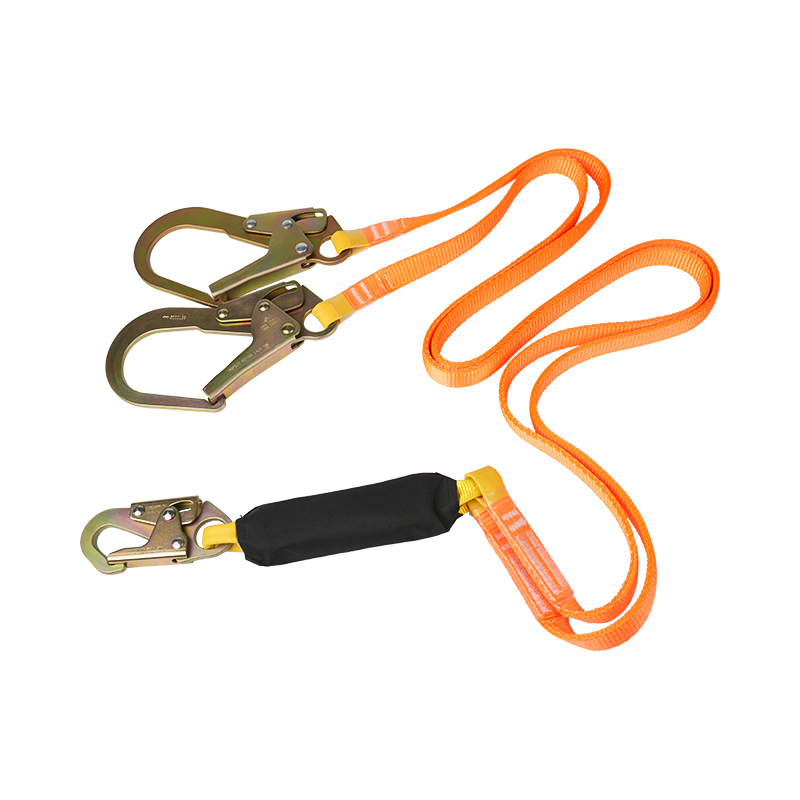
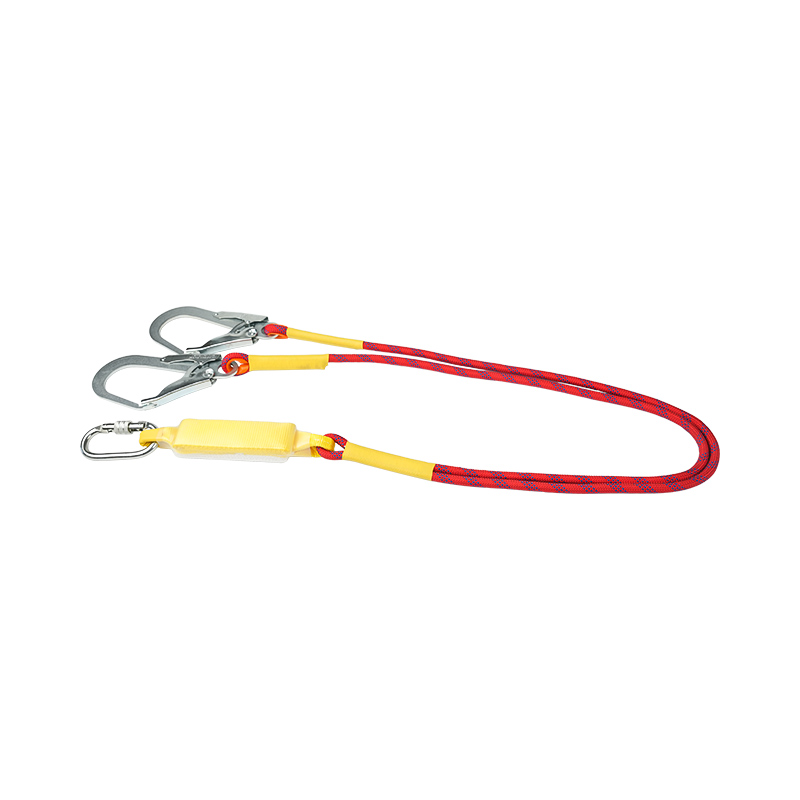
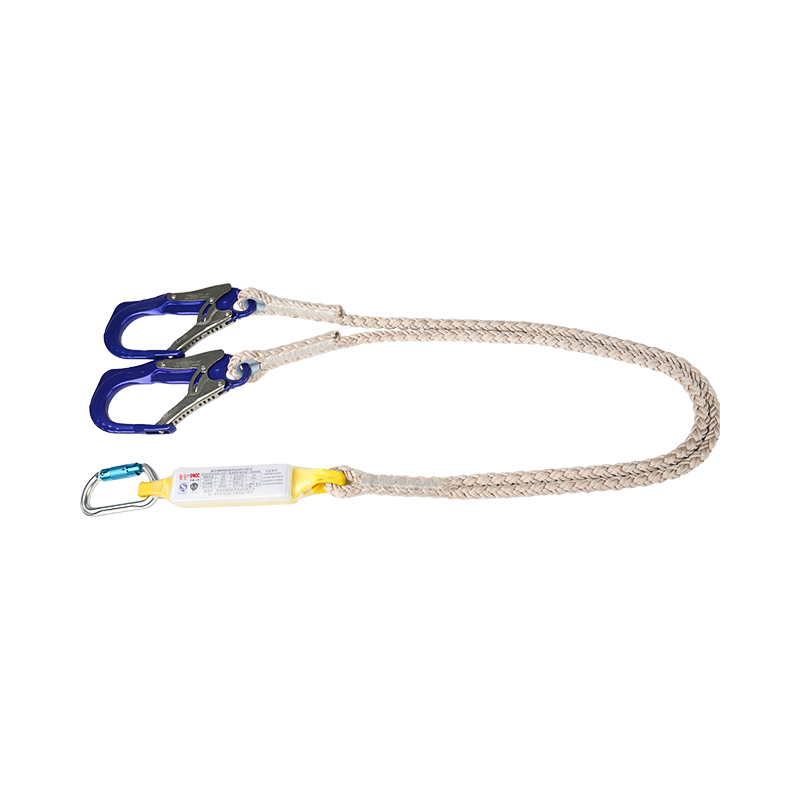
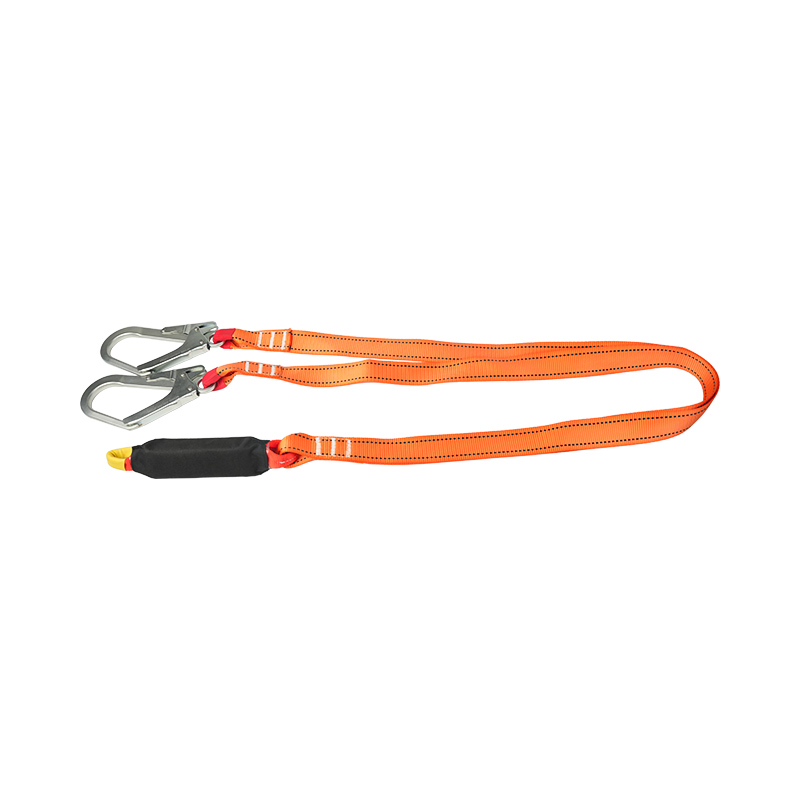
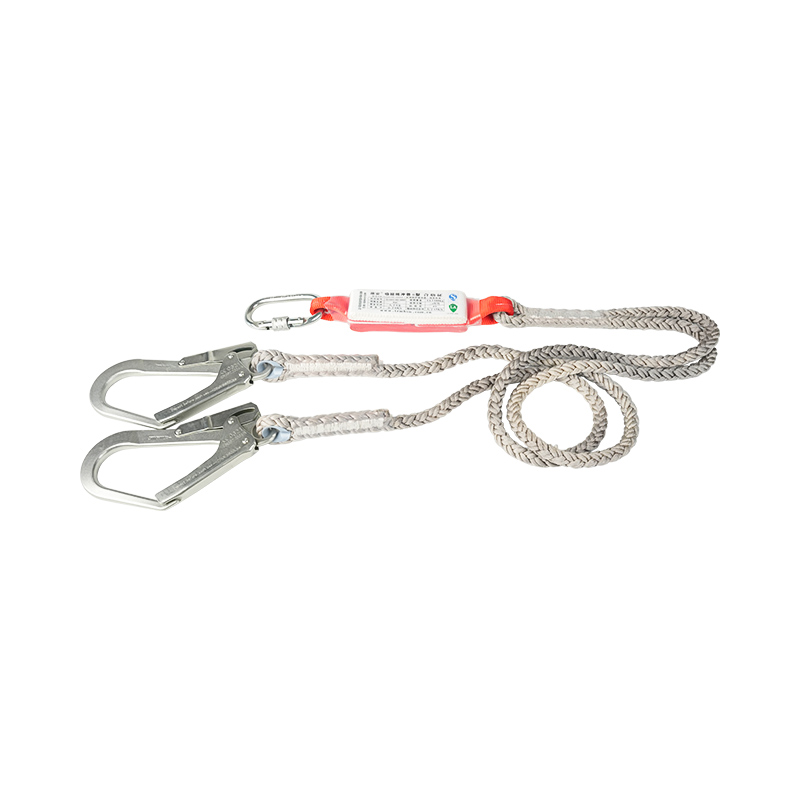
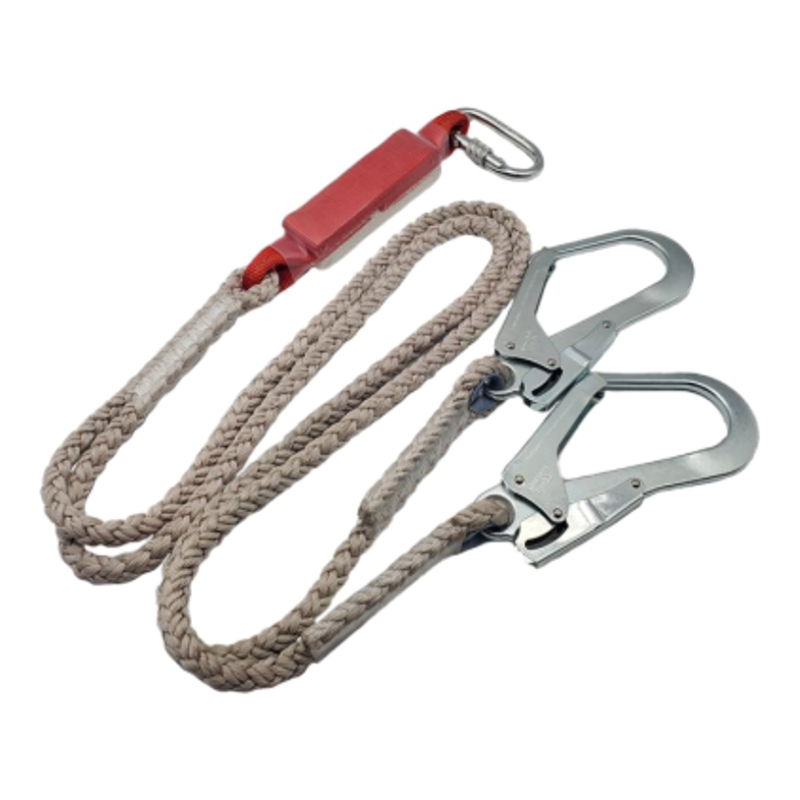 Twin Lanyard with Polyamide Rope and Scaffold HooksThis double lanyard with energy absorber and forged scaffold hooks allows continuous connection while moving between anchors. Its 1.8m length and robust construction make it ideal for fall arrest in tight spaces.View Product →
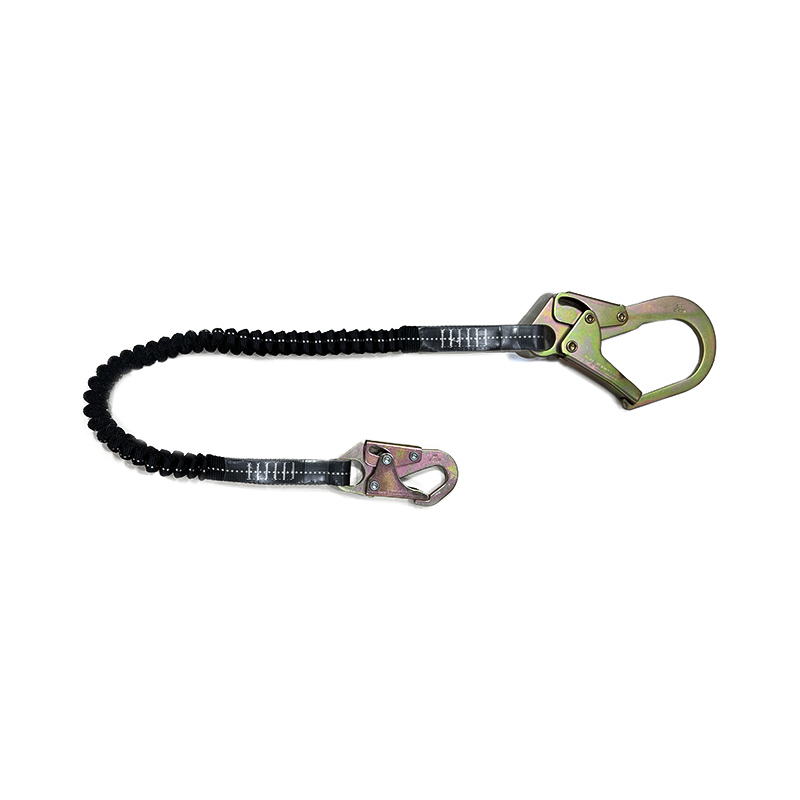
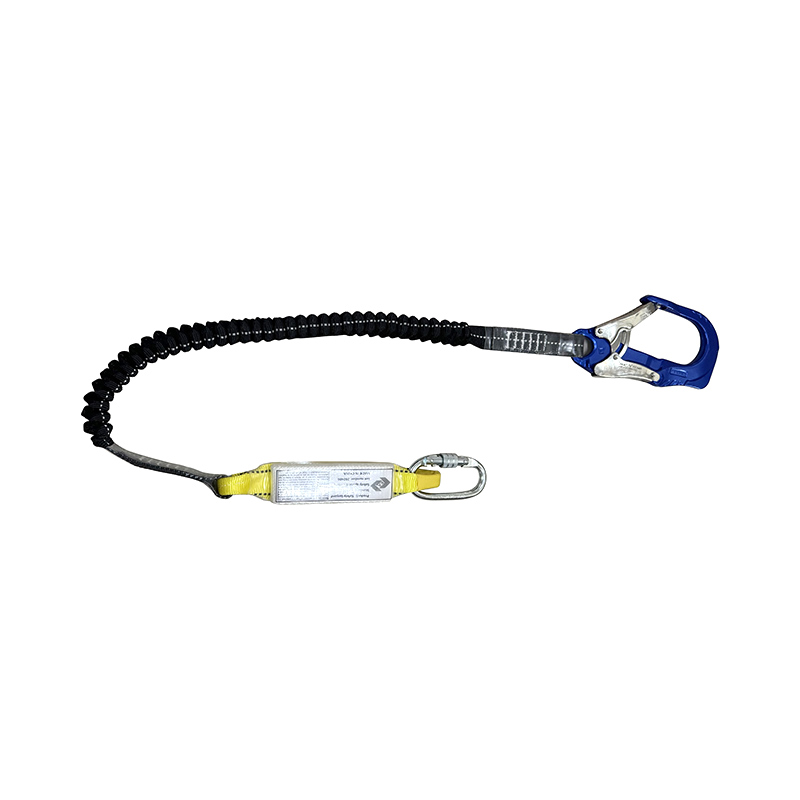
Double lanyards are the standard choice for confined space work because they allow the worker to always stay connected while moving between anchor points. When you cross a ladder through a narrow opening, you can transfer the load from one leg of the lanyard to the other without ever disconnecting from the system.
The shock absorber is equally important. In a fall, it expands to reduce the peak force transmitted to the body. That expansion distance must be added to the required fall clearance calculation. Several jurisdictions require a minimum clearance of about 6 meters when using a 1.8-meter lanyard. In a confined space with limited clearance, that calculation becomes even more critical. Compare the maximum energy absorber deployment distance with the available space before committing to a specific model.
For positioning work, a separate positioning line is usually preferable to using a double lanyard as a work positioning device. A positioning line has low elongation, which means the worker stays at a stable working position without bouncing. It is often used with a belt or a harness side D-ring to allow hands-free work on vertical surfaces or inside manholes.
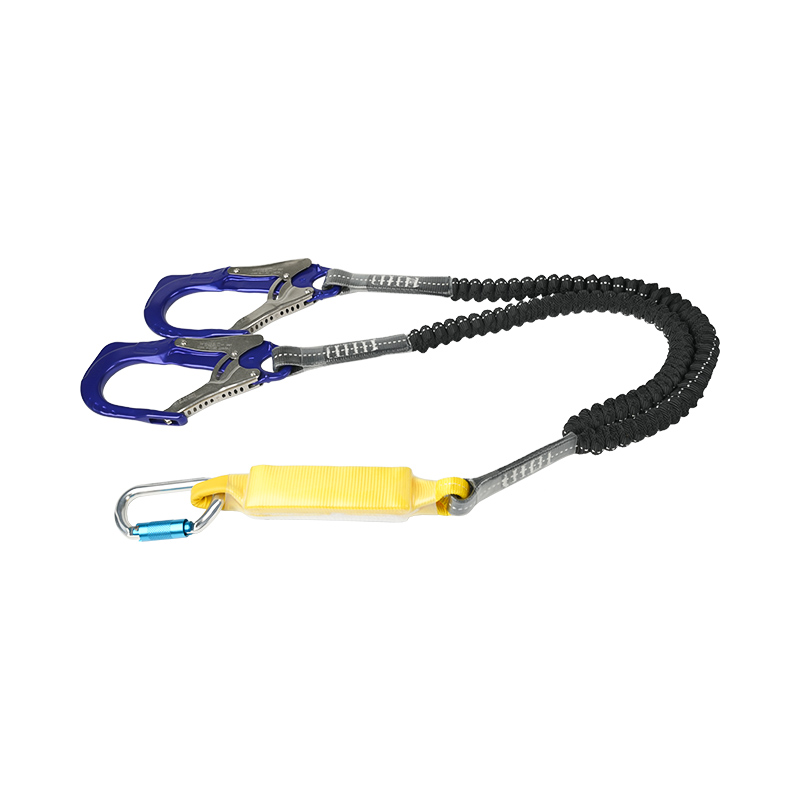
When purchasing lanyards, pay attention to the hook type. Scaffold hooks are common in construction. Aluminum carabiners are lighter for rescue applications. Insulated hooks are needed for electrical work. The material of the webbing also matters: polyester webbing resists moisture and UV better than nylon, making it more durable in outdoor confined space environments.
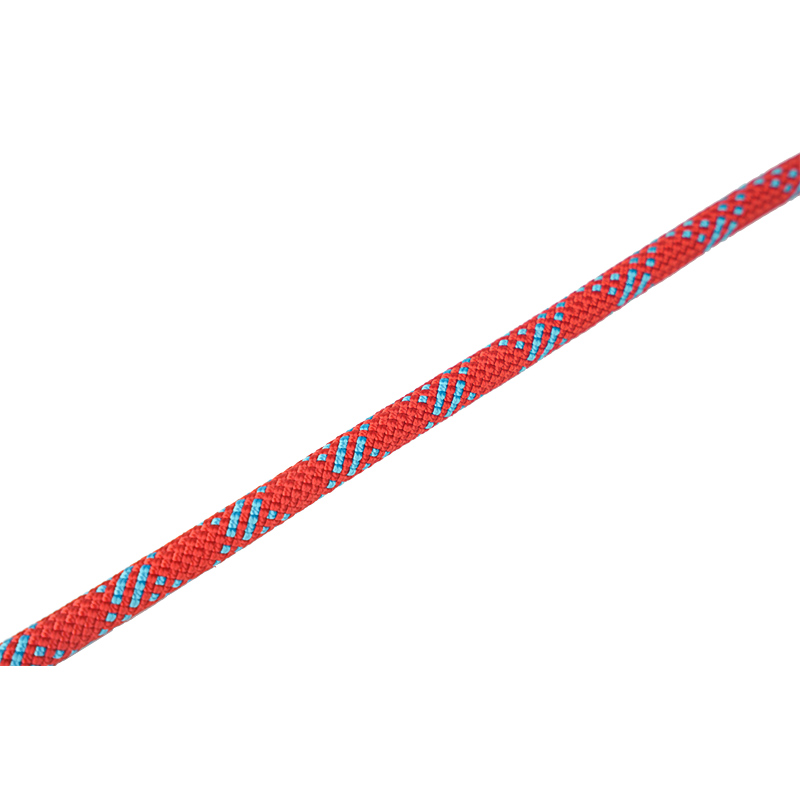 12mm Nylon Safety Rope for Retrieval and AnchoringThis soft, durable 12mm nylon rope is easy to handle and resists wear and moisture. Suitable for connecting belay lines and retrieval systems, it provides reliable performance in confined space operations.View Product →
The safety rope serves a double purpose in confined space entry. First, it connects the worker's harness or lanyard to an independent anchor point, often outside the confined space. Second, it provides a retrieval line that rescue teams can use to pull the worker out if they are incapacitated.
Diameter and construction affect handling and performance. Ropes between 11 mm and 13 mm are commonly used for industrial safety work. Thinner ropes are easier to knot but may compromise strength. Thicker ropes are more durable and easier to grip for rescue hauling. A soft braided construction offers good flexibility and works well with figure-eight knots and bowline knots used for anchoring.
Material selection depends on the environment. Nylon has excellent elongation and energy absorption, which is useful in fall arrest applications. Polyester has lower stretch and better UV resistance, making it a good choice for outdoor environments with long-term sun exposure. Polypropylene is lightweight and floats, but it has lower strength and is less suitable for high-load safety rope applications unless specified for water rescue.
Do not overlook abrasion resistance. In a confined space, the rope frequently rubs against edges, pipes, and concrete. A rope with a braided protective sheath will survive repeated contact much longer than a loosely woven construction. For confined space work, always choose a rope with a minimum breaking strength that matches the potential fall arrest forces, not just the worker's body weight.
When you are sourcing confined space equipment for a project, treat qualification assessment as part of your due diligence. Here is a short checklist for buyers:
The equipment you select today will be tested on a real job site tomorrow. Choose components that have a clear standard behind them, a documented testing process, and a manufacturer that can stand behind the product's performance in an actual emergency.

San Ye Road, Si Xiang Sub-district, Hai Ling District, Tai Zhou City, Jiang Su Province, China

+86 151-5262-8620
Copyright @ Taizhou KA Protection Products Co., Ltd. All Rights Reserved



 English
 Español
 عربى
عربى
