Content
Confined space entry and fall protection are usually taught as separate subjects, yet on a working site they arrive together. A worker who lowers themselves through a manhole, climbs into a storage tank, or steps onto an internal platform inside a silo faces two fall scenarios at once: falling while entering, and falling while already inside. Add a potentially hazardous atmosphere, a narrow opening, and a rescue that cannot be handled by simply calling an ambulance, and equipment selection stops being a formality.
This guide explains what actually drives equipment selection for confined space work, how a harness, lanyard, lifeline, and retrieval line function as one system, and what buyers should verify before placing an order.
Fall protection on an open roof or a steel frame is relatively easy to plan. Workers can tie off at or above shoulder height, the fall path is predictable, and a rescue can often be improvised with a ladder. A confined space removes almost all of that flexibility.
The entry point usually sits at the top of the structure, so the first hazard appears before the worker is even inside. Once inside, internal ladders, platforms, and slippery surfaces create additional fall exposure, while the walls of the space limit how far a body can travel and how quickly a colleague can reach it. That is why the equipment has to be worn, adjusted, and connected before entry rather than carried in and put on later.
Several conditions shape the risk profile of a confined space:
Together these conditions explain why confined space fall protection leans heavily on full-body harnesses, retrieval lines, and mechanical lowering or lifting devices rather than on a simple shock-absorbing lanyard alone.
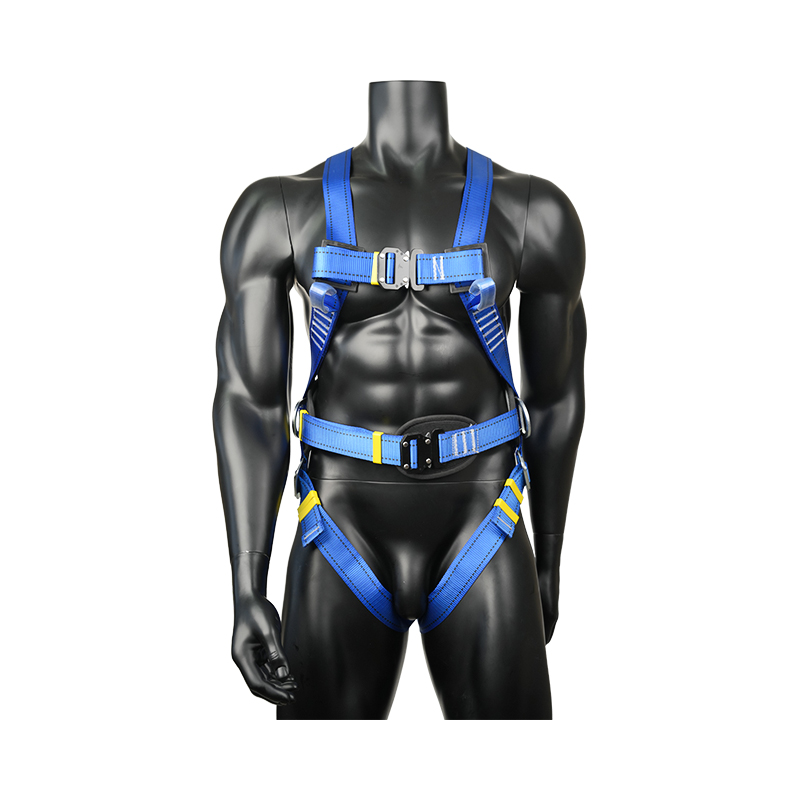
A full-body harness is the base layer of any fall arrest system, and in the United States it has been the only acceptable body-holding device for fall arrest since OSHA eliminated body belts for that purpose in 1998. For confined space work, the D-ring layout matters as much as the strength of the webbing. The dorsal D-ring handles fall arrest and provides the attachment point for a retrieval line. A sternal or front D-ring supports ladder climbing and controlled descent, while shoulder D-rings give a rescue team a better lifting angle when an unconscious entrant has to be raised through a narrow opening.
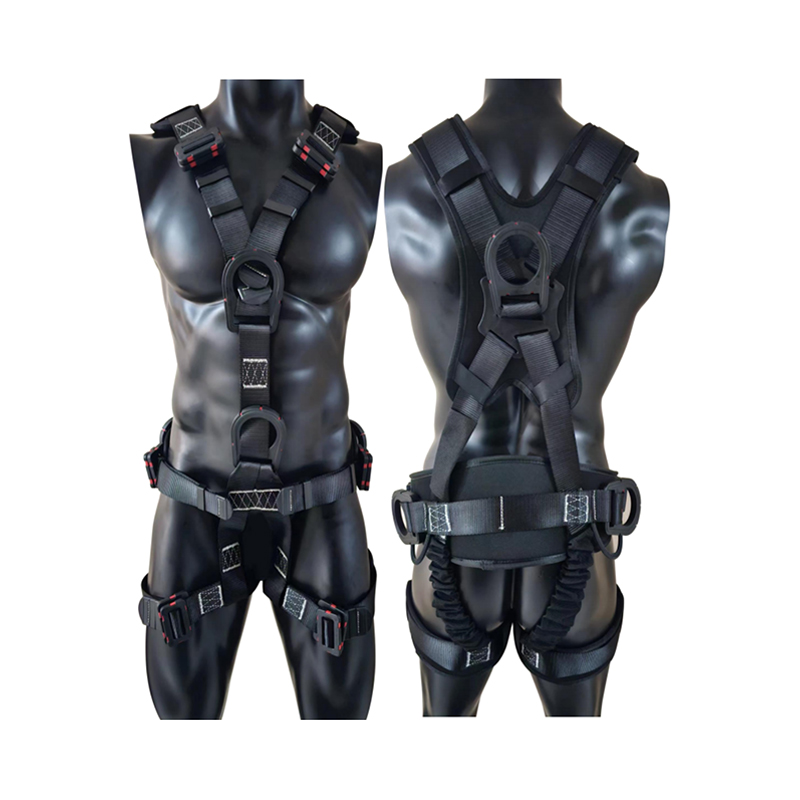 KA15 Dielectric Safety Harness Dielectric, Electrically Insulated, Dorsal D-Ring, 2 Front This harness has been specially designed for workers operating in conditions where there are possible electrical hazards.Dielectric materials are non-conductors of ele...View Product →
Comfort is not a luxury in this environment. A worker may spend an hour or more in a harness while standing on a ladder or crouching inside a vessel, so waist, shoulder, and leg padding, plus a wide adjustment range, determine whether the harness stays correctly positioned. Where the space contains energized equipment, a dielectric harness with insulating webbing, D-rings, and buckles removes a conductive path that an ordinary metal harness would create.
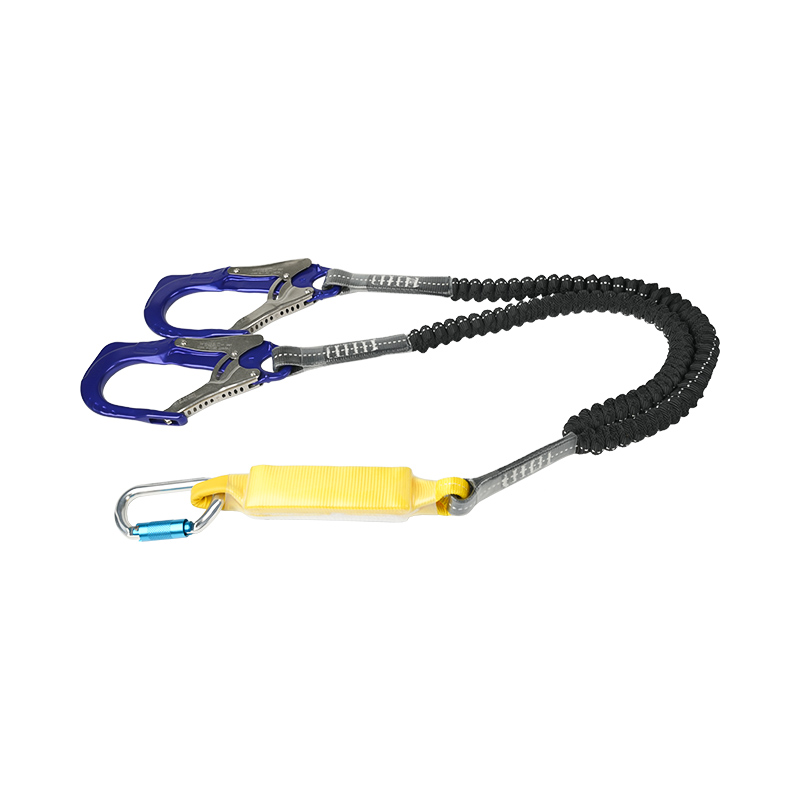
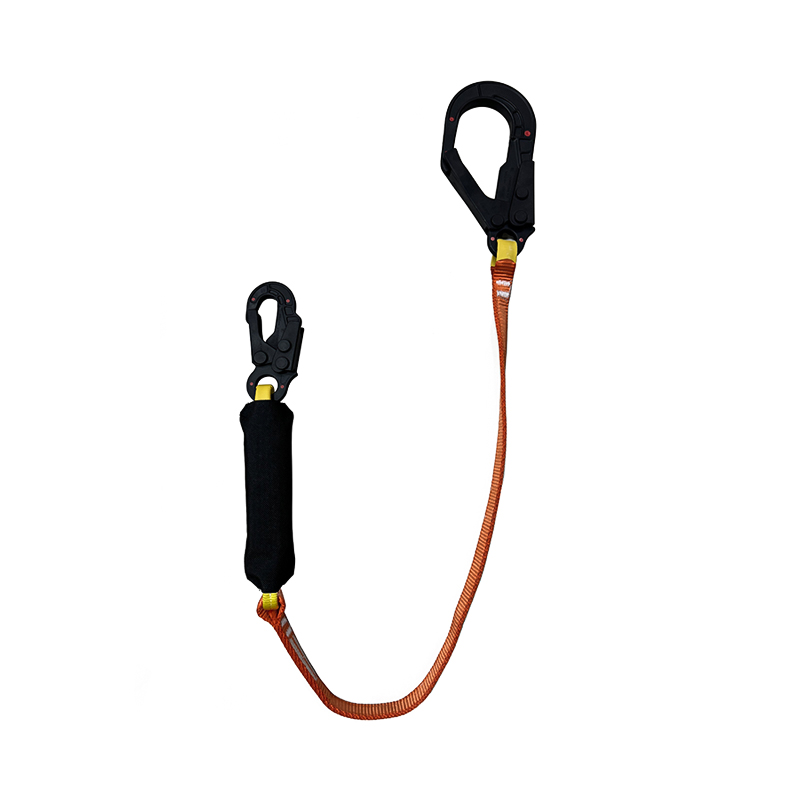
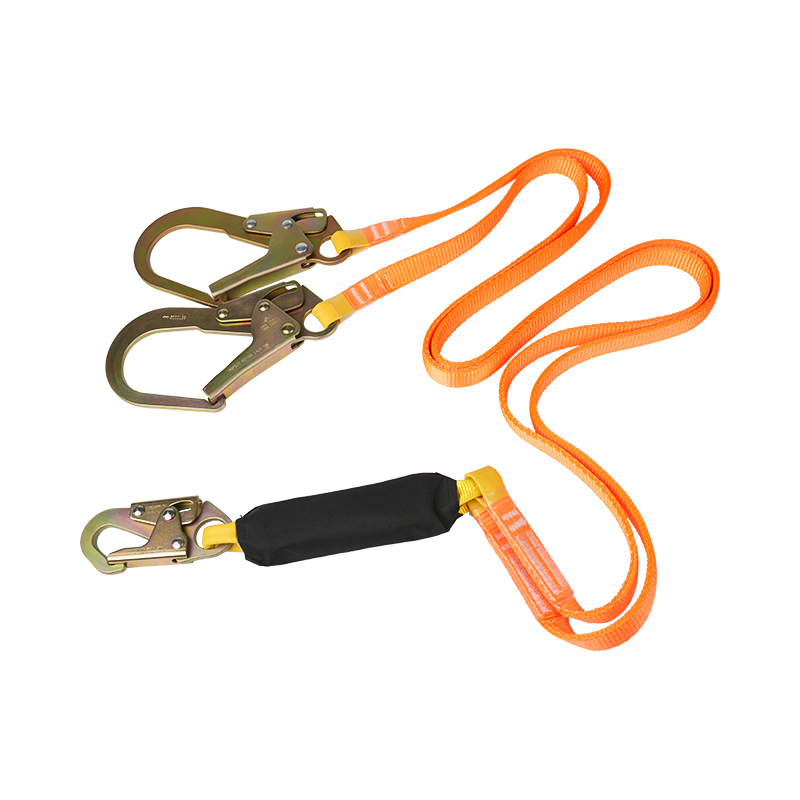
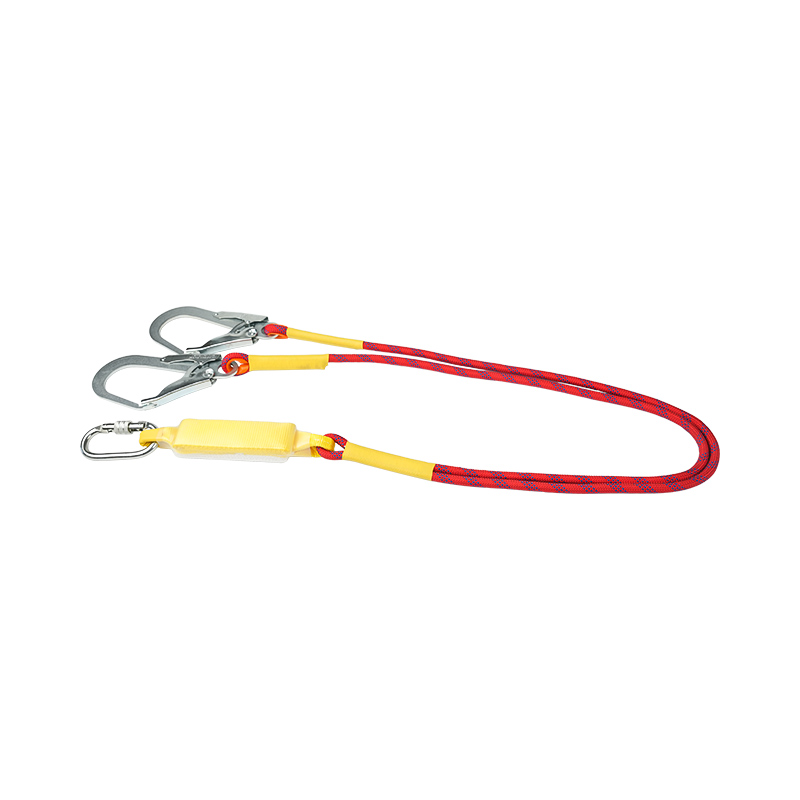
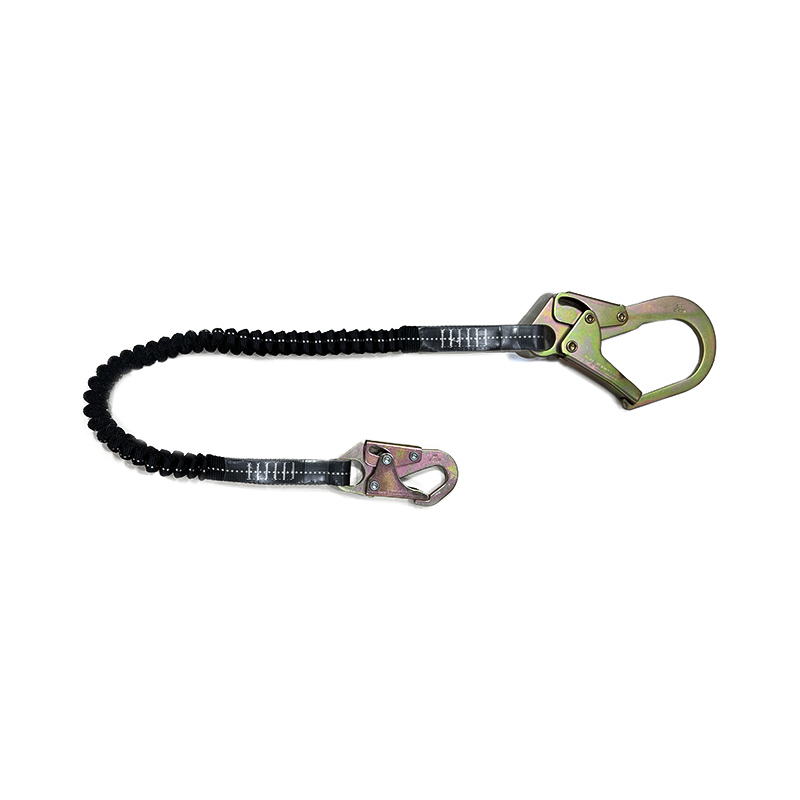
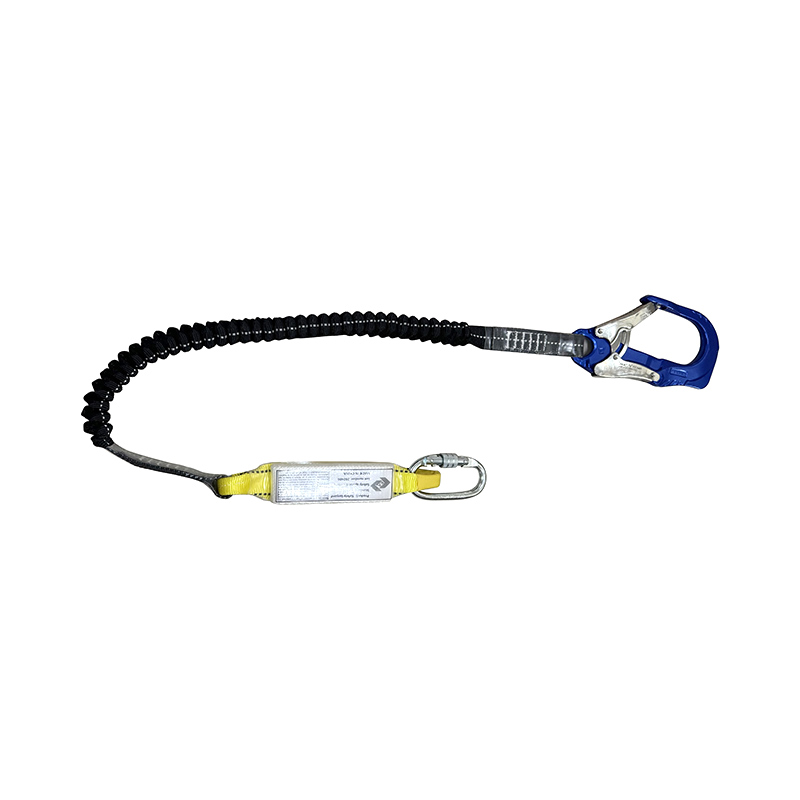
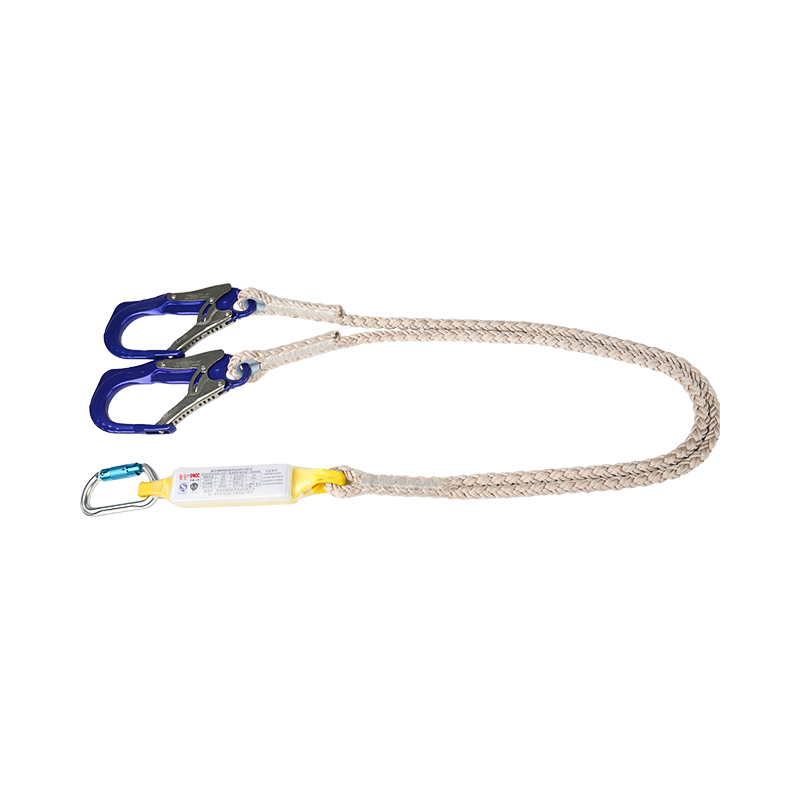
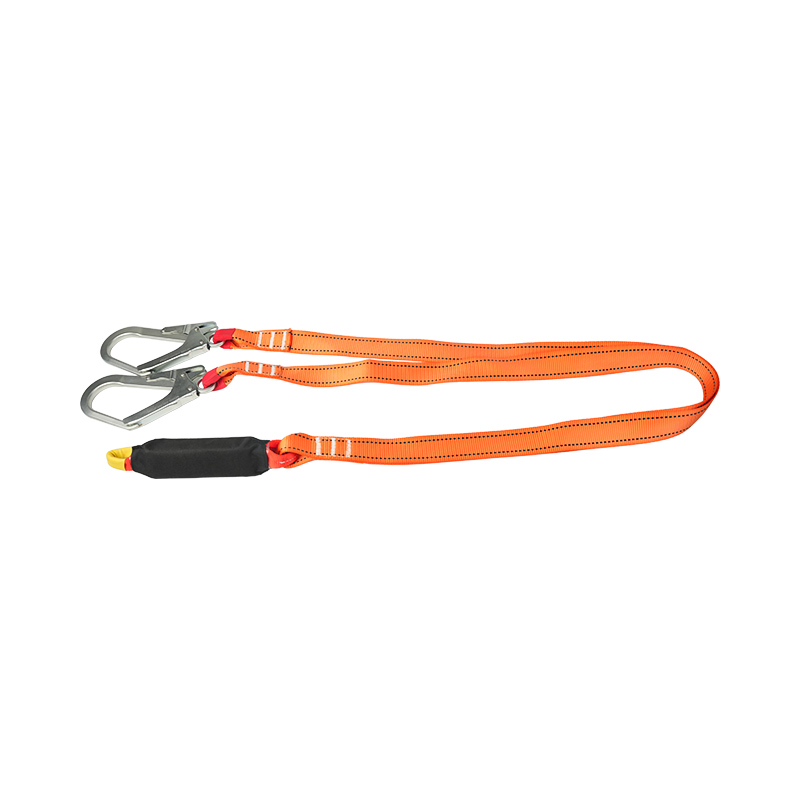
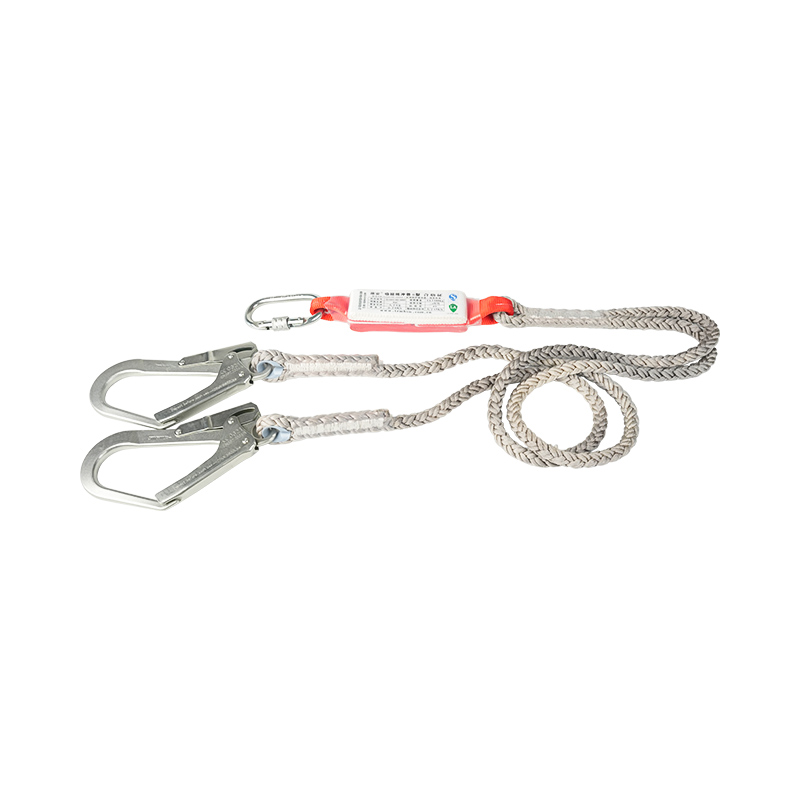
Inside a confined space, the anchor point is often overhead and awkward to reach, so a twin-leg lanyard with an integrated shock absorber is commonly used to maintain one hundred percent tie-off during movement. One leg stays connected while the other is repositioned, which keeps the free fall distance short and limits the clearance needed below the worker for the energy absorber to deploy. Scaffold hooks, aluminum snap hooks, and carabiners should be matched to the anchor geometry rather than chosen by habit.
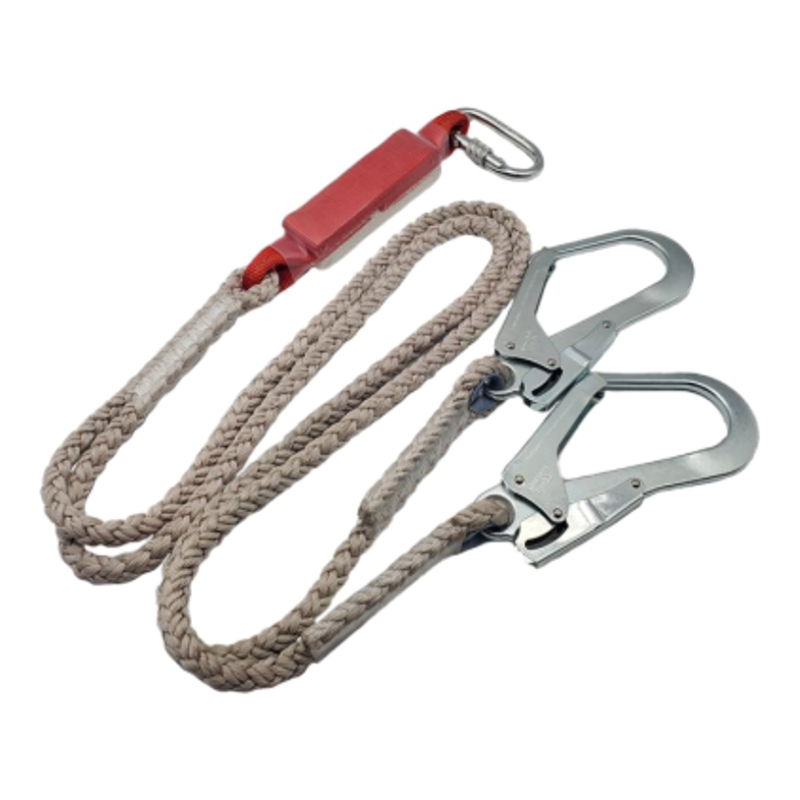 KA-L02 Fall Arrest Shock Absorber Twin Lanyard With Polyamide Rope, 2 Scafford Hooks, 1 CaThis is a high-performance double lanyard. The rope is made of high-strength polyamide, offering both high strength and sound flexibility. The lanyard is equipped with...View Product →
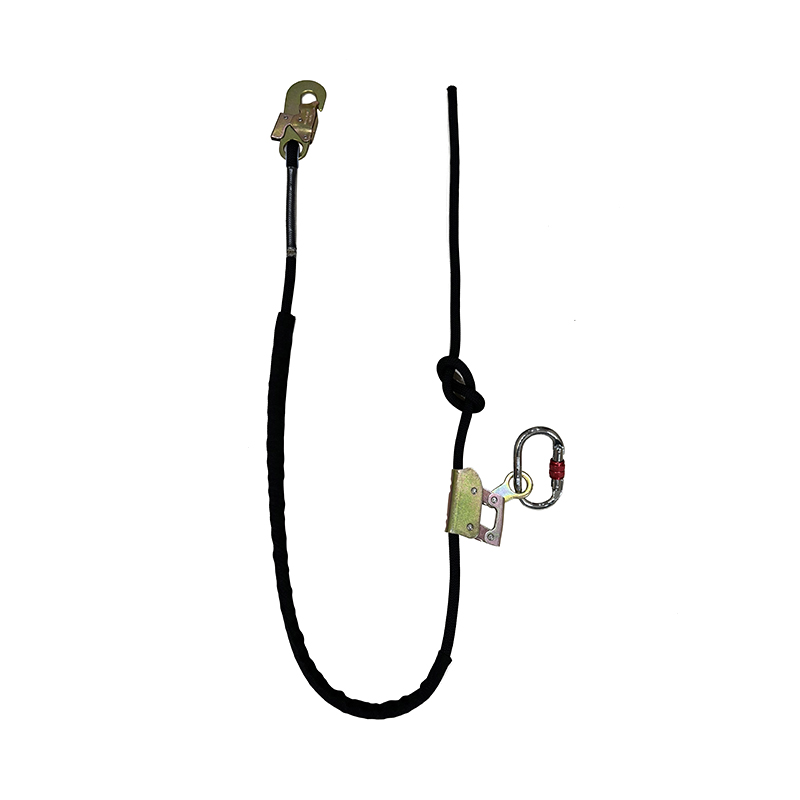
Material choice follows the environment. Webbing lanyards are light and compact, but rope lanyards made from polyamide or polyester tolerate abrasion and moisture better in sewers, wet tanks, and chemical plant vessels, where webbing can stiffen, hold contaminants, or wear through against a rough opening.
A vertical lifeline gives the worker a fixed anchor along the descent path, while a separate retrieval line attached to the dorsal D-ring or shoulder D-rings runs up to a mechanical device mounted above the opening. When entry is vertical and deeper than five feet, OSHA rules require a retrieval line unless it would increase the hazard, so the retrieval line is effectively part of the fall protection package rather than an accessory.
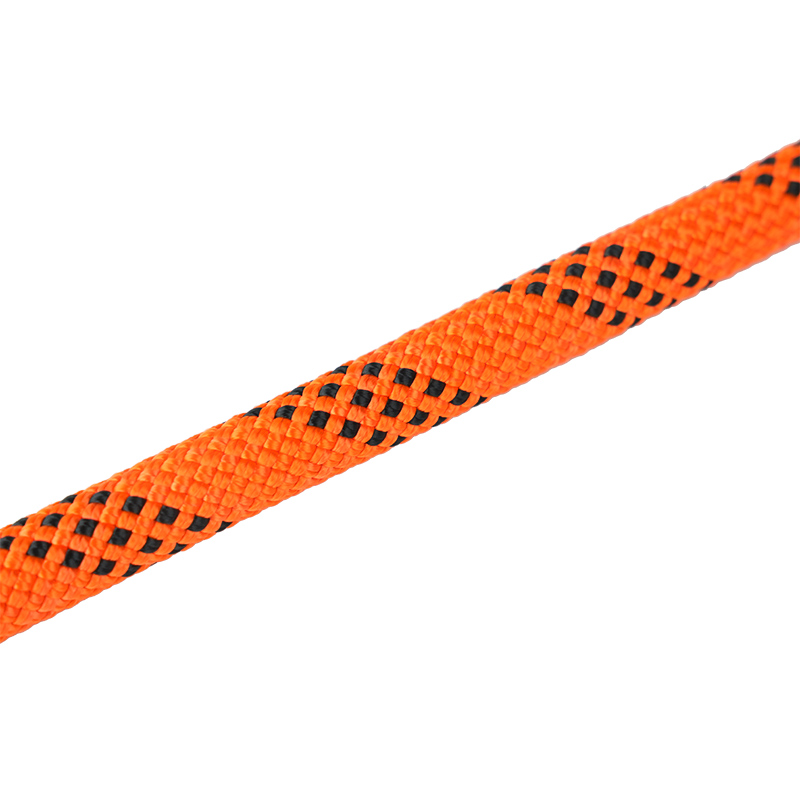 11mm UV & Weather Resistance Polyester Safety RopeThis safety rope is sound when working with heights plus it is a low stretch rope. Its diameter is 11 mm which provides you with a good grip. Various lengths and colou...View Product →
Rope specification deserves the same attention as harness certification. Low-stretch polyester braided rope holds its length under load and resists ultraviolet degradation, which suits lifeline and retrieval duty. Nylon offers more energy absorption and better abrasion resistance for dynamic tasks. Polypropylene floats and shrugs off many chemicals but carries less strength for the same diameter, and UHMWPE delivers the highest strength-to-weight ratio where weight and bulk are critical. In confined spaces, chemical exposure, humidity, and repeated abrasion often matter more than maximum breaking strength.
No single configuration covers every confined space. The table below summarizes how the main entry types typically influence equipment choice, and it is meant as a planning reference rather than a substitute for the site-specific hazard assessment and entry permit.
| Entry type | Primary fall hazard | Typical harness and lanyard setup | Retrieval provision |
|---|---|---|---|
| Vertical manhole or vault | Fall through the top opening during descent | Full-body harness with sternal and dorsal D-rings, ladder climbing lanyard | Retrieval line to dorsal D-ring, tripod or davit arm above the opening |
| Horizontal tank entry | Fall from internal platform or onto internal structures | Full-body harness with padded waist and leg straps, twin-leg lanyard | Retrieval line routed through the shell opening to a mechanical device |
| Sewer and utility vault | Fall on wet ladders and slippery inverts | Dielectric or standard harness with corrosion-resistant hardware | Chemical-resistant rope lifeline and retrieval line with contaminant protection |
| Silo or bin | Fall from height plus engulfment risk | Full-body harness with shoulder D-rings for vertical lifting | Dedicated rescue system outside the space, attended at all times |
| Excavation or trench | Fall into the excavation and unstable edges | Harness with shock-absorbing lanyard anchored outside the excavation | Ladder or lifting system plus edge protection and barriers |
Equipment decisions in confined space work are not driven by preference but by regulation. In the United States, general industry entry is governed by OSHA 1910.146, while construction activities follow the 1926.1200 series. Fall arrest hardware is addressed separately under OSHA 1910.140, and international buyers commonly reference ANSI Z359 in North America and EN 361 for harnesses, EN 355 for energy absorbers, and EN 795 for anchor devices in Europe.
Anchor performance is the foundation of the entire system. The 5,000-pound anchor point requirement remains the baseline for personal fall arrest anchors in the United States, and in confined space work the anchor is often a tripod, davit arm, or engineered overhead structure that must be rated and inspected separately from the harness.
A practical compliance checklist for a confined space program looks like this:
Hardware alone does not make a program safe. Every component should be inspected before each use and formally examined at intervals defined by the manufacturer and the site's written procedure. Webbing should be checked for cuts, burns, and chemical damage, stitching for pulls, and metal hardware for cracks, corrosion, and distortion. Any component that has arrested a fall must be removed from service.
Training requirements are equally specific. Entrants, attendants, and entry supervisors each carry distinct duties under OSHA rules, and supervisors must verify that conditions remain acceptable throughout the entry. The rescue plan deserves particular attention because roughly half of all confined space fatalities occur among would-be rescuers who enter without protection. Non-entry rescue using a retrieval line and mechanical device should always be the first option, with entry rescue reserved for situations where it is genuinely unavoidable.
For distributors, safety equipment brands, and industrial contractors building a confined space product line, the supplier question is ultimately about consistency. Taizhou KA Protective Products has been manufacturing since 1986, when the company began as a thread factory, and has been supplying export markets since 2013 with products aligned to European and American standards. The 5,600 square meter facility in Taizhou, Jiangsu, runs more than fifty production machines alongside in-house testing equipment, and every batch is inspected before shipment.
The range covers both sides of the confined space equation: full-body safety harnesses in the KA series with multiple D-ring configurations, padding layouts, and dielectric options, lanyards in single, twin, elastic, and insulated versions, positioning lines, and a rope portfolio organized by material and application. Buyers who need their own branding can work through the OEM and ODM channels, where harness colors, webbing labels, hardware, and packaging are specified to the customer's requirements.
Whether you are equipping a municipal water department, a tank cleaning contractor, or a utility maintenance crew, the safest starting point is the entry type itself. Identify how the worker gets in, how they would get out, and what has to happen if they cannot get out on their own. The harness, lanyard, lifeline, and retrieval line follow from those three answers far more reliably than from a catalog page.

San Ye Road, Si Xiang Sub-district, Hai Ling District, Tai Zhou City, Jiang Su Province, China

+86 151-5262-8620
Copyright @ Taizhou KA Protection Products Co., Ltd. All Rights Reserved



 English
 Español
 عربى
عربى
