Content
A safety manager stops the crew on a roofing project, points to a weathered steel beam, and asks whether it can anchor a fall arrest system. The beam looks solid, but the answer is not visual. Fall protection anchor point strength must be confirmed by a rating, a calculation, or a design prepared by a qualified person, not assumed from the size of the member.
The short version is straightforward: for most U.S. workplaces, an anchorage must support at least 5,000 pounds per worker for a personal fall arrest system, unless it is designed and installed by a qualified person with a safety factor of two. That benchmark exists for one reason: to keep the anchor from failing while a shock absorber and harness stop the fall. The rest of this article explains what that requirement means in practice, where the 5,000-pound figure comes from, and how to choose compatible equipment around a properly rated anchor.
An anchor point, also called an anchorage, is a secure attachment point for a fall arrest system. The anchorage itself can be a structural beam, a concrete column, a specialized roof anchor, or a temporary device engineered for the task. The anchorage connector, by contrast, is the component that attaches the lanyard or lifeline to the anchorage, such as a carabiner, a strap, or a D-ring on a support line.
Strength matters because the anchorage is the last line of defense. If the anchor point fails during arrest, every other component of the system becomes meaningless. A properly rated anchor keeps the maximum arresting force, typically limited by OSHA to 1,800 pounds, within the structural capacity of the building or structure.
Two U.S. regulations cover most fall protection anchorages. In general industry, OSHA 1910.140(c)(13) requires that anchorages for personal fall arrest systems be capable of supporting at least 5,000 pounds for each employee attached, or be designed by a qualified person with a safety factor of two. In construction, OSHA 1926.502(d)(15) contains nearly identical language. The American National Standards Institute (ANSI) follows the same approach in the Z359.2 fall protection code, allowing a design by a qualified person at twice the maximum arresting force as an alternative to the fixed 5,000-pound rating.
The 5,000-pound value is not a prediction of the force a worker will generate during a fall. A typical fall arrest with a 6-foot lanyard and an energy absorber may produce an impact force well below 1,800 pounds at the worker, and the anchorage may see a slightly higher force depending on the system geometry. The same 5,000-pound figure also appears in OSHA requirements for lanyard and vertical lifeline minimum breaking strength, which is why it is often mistakenly viewed as a universal number. The 5,000-pound requirement builds in a large safety margin so that variations in worker weight, lanyard condition, harness fit, and free fall distance do not turn a minor mistake into a catastrophic anchor failure.
| Reference | Strength requirement | Key condition |
|---|---|---|
| OSHA 1910.140(c)(13) - General Industry | At least 5,000 lb per employee | Fall arrest system anchorage |
| OSHA 1926.502(d)(15) - Construction | At least 5,000 lb per employee | Fall arrest system anchorage |
| OSHA/ANSI alternative | Twice the maximum arresting force | Designed by a qualified person |
| ANSI Z359.2 - Managed Fall Protection | 5,000 lb or 2:1 safety factor | Design must be documented |
Because 5,000 pounds is an easy number to remember, many companies treat it as a universal requirement. It is a valid default, but it is not the only legal route to compliance.
OSHA's alternative allows an anchorage to be rated at twice the maximum potential impact load if a qualified person supervises the design, installation, and use. In principle, a worker using a shock-absorbing lanyard that limits the maximum arresting force to 1,200 pounds could theoretically use an anchorage rated at 2,400 pounds. In practice, this approach requires a written design, a knowledgeable engineer or safety professional, and clear communication with the workers who will depend on that anchor. Most contractors prefer the simpler 5,000-pound benchmark because it does not require per-job engineering calculations.
The actual force reaching the anchorage depends on several variables:
This is why anchor strength and system design are linked. A 5,000-pound anchor may be technically compliant, but if the lanyard is too long, the worker can still hit the ground before the system arrests the fall. The anchor rating is only one part of a complete system.
Certification labels and design documents matter, but the physical condition of the structure matters just as much. A steel beam with a paper rating of 5,000 pounds is not a reliable anchor if it has severe corrosion or cracks. A concrete slab may lose its rated capacity if it was not cured properly or has been cut for conduit after installation.
A qualified person must evaluate the anchorage before it is put into service. That evaluation includes:
For permanent installations such as rooftop anchors, labels and inspection records should be maintained. For temporary anchors, such as a beam clamp or a strap anchor, the connector itself must also be rated and inspected before each use.
Once the anchor point meets the strength requirement, the rest of the fall arrest system must be matched to it. The harness distributes the arrest forces over the worker's body, and the lanyard with an energy absorber limits the impact force. A mismatch between harness size, lanyard length, and anchor location can create a dangerous situation even when the anchor is strong.
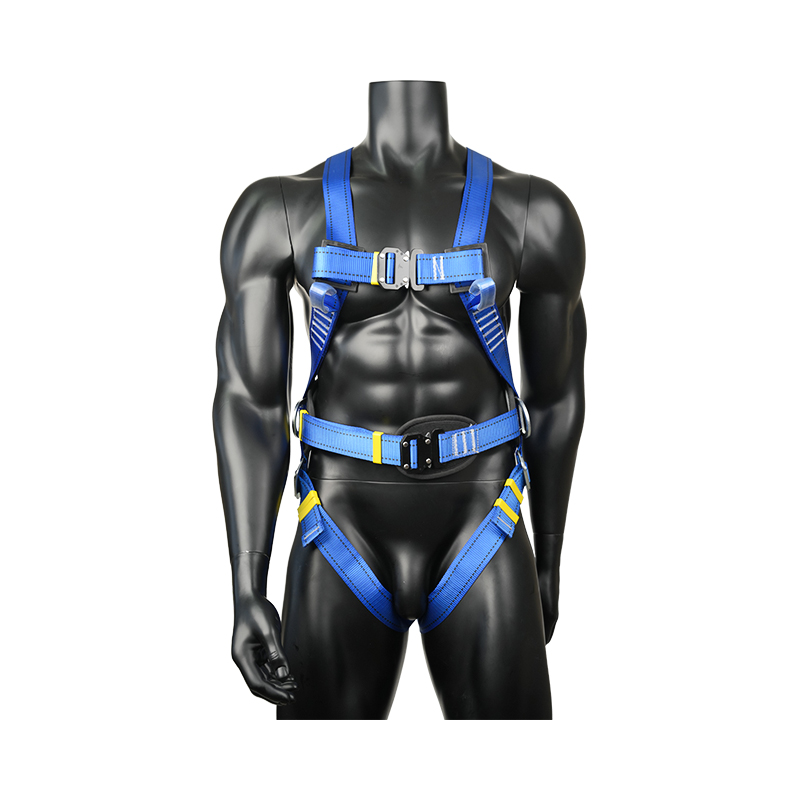
The harness should fit the worker and the application. For construction, maintenance, and elevated work platforms, a full-body harness with multiple D-rings and protective padding makes it easier to position lanyards and work comfortably through a shift. The universal full-body fall protection safety harness with six D-rings and quick-release buckles is designed for workers up to 310 lb and gives the dorsal, chest, and side connection points needed for fall arrest and work positioning.
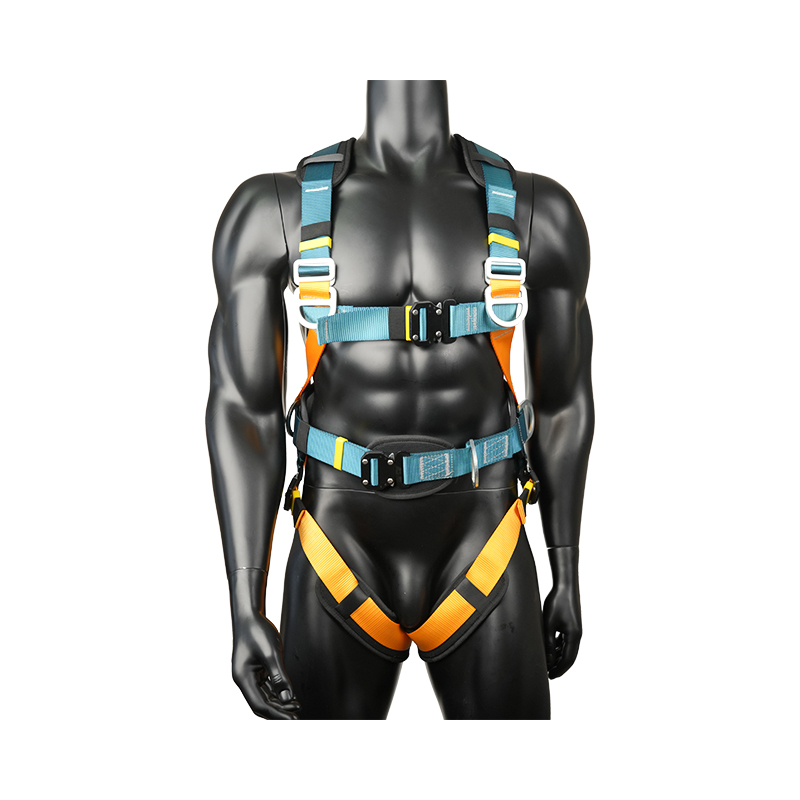 KA01 Universal Full Body Fall Protection Safety Harness With 6 D-Ring, 4 Quick-KA Protective Products is China Suppliers of KA01 Universal Full Body Fall Protection Safety Harness With 6 D-Ring, 4 Quick-Released Buc...View Product →
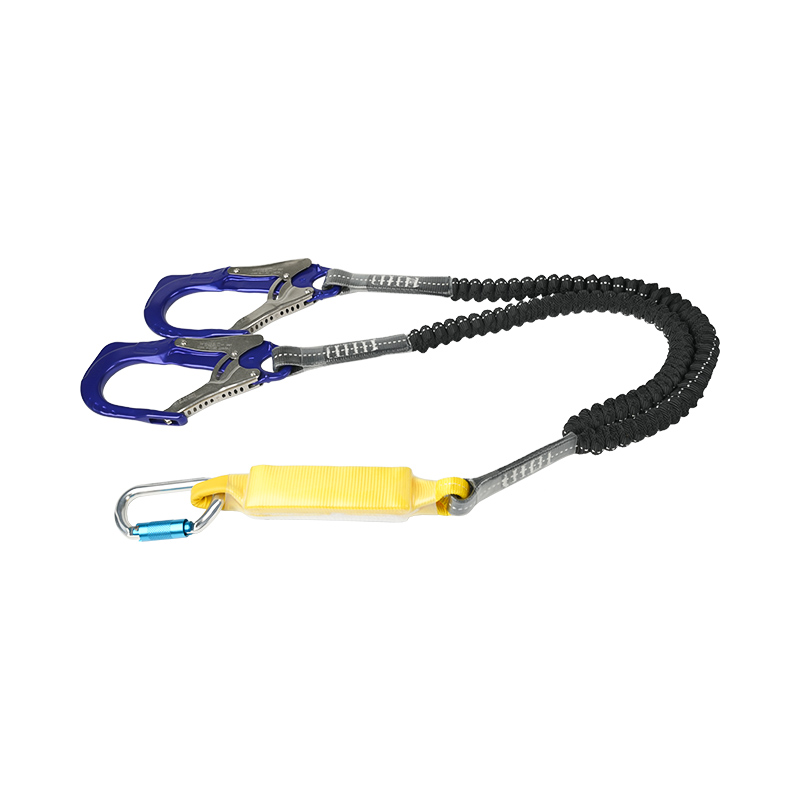
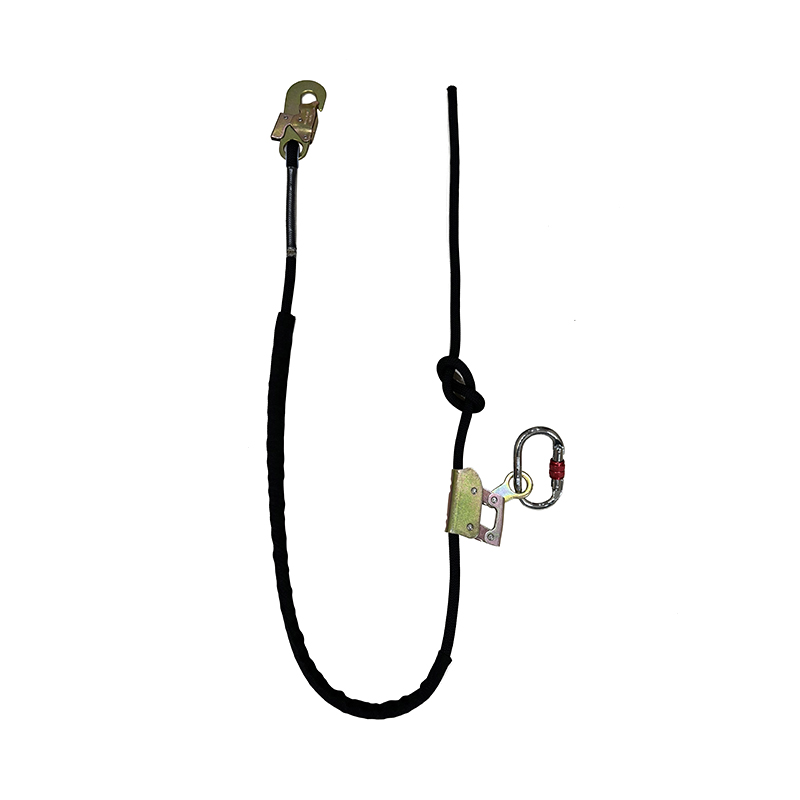
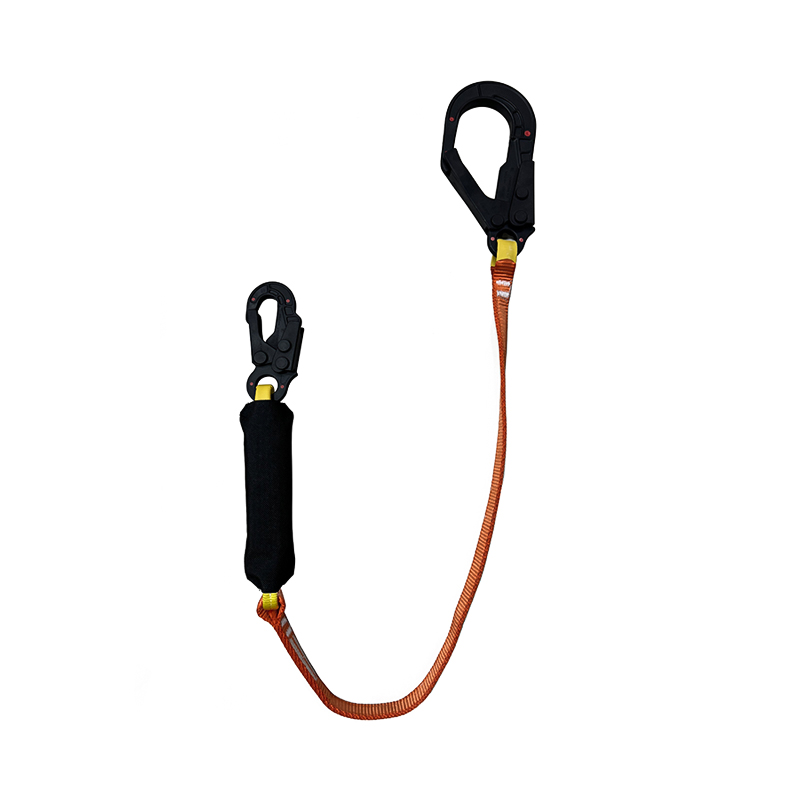
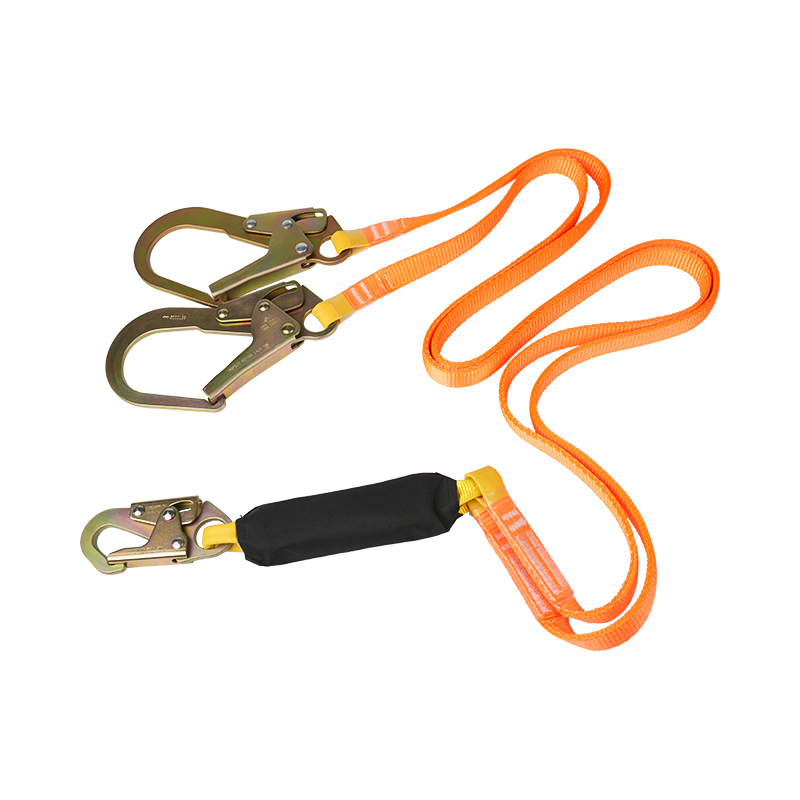
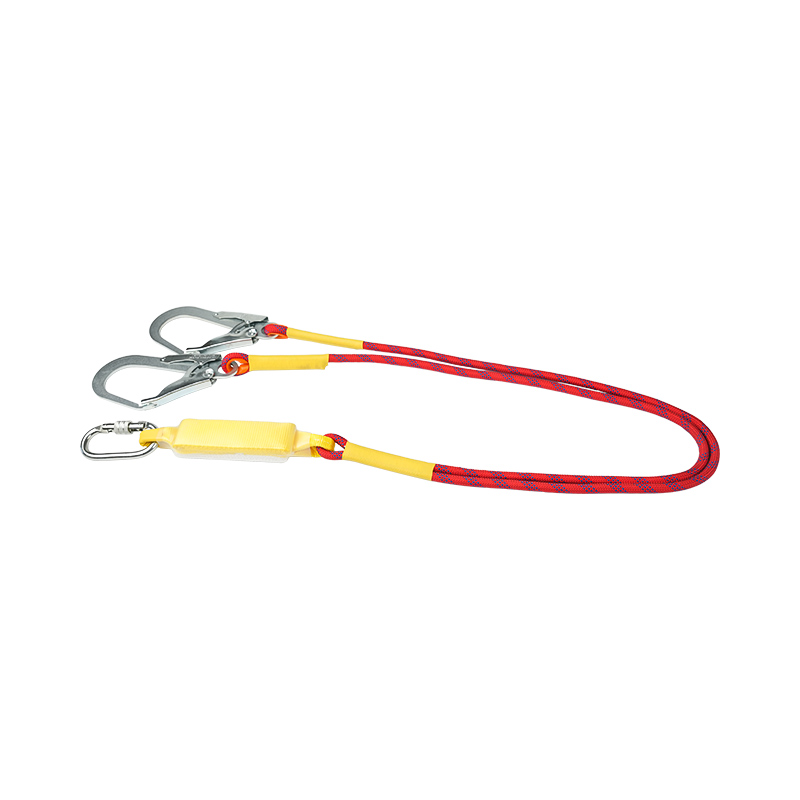
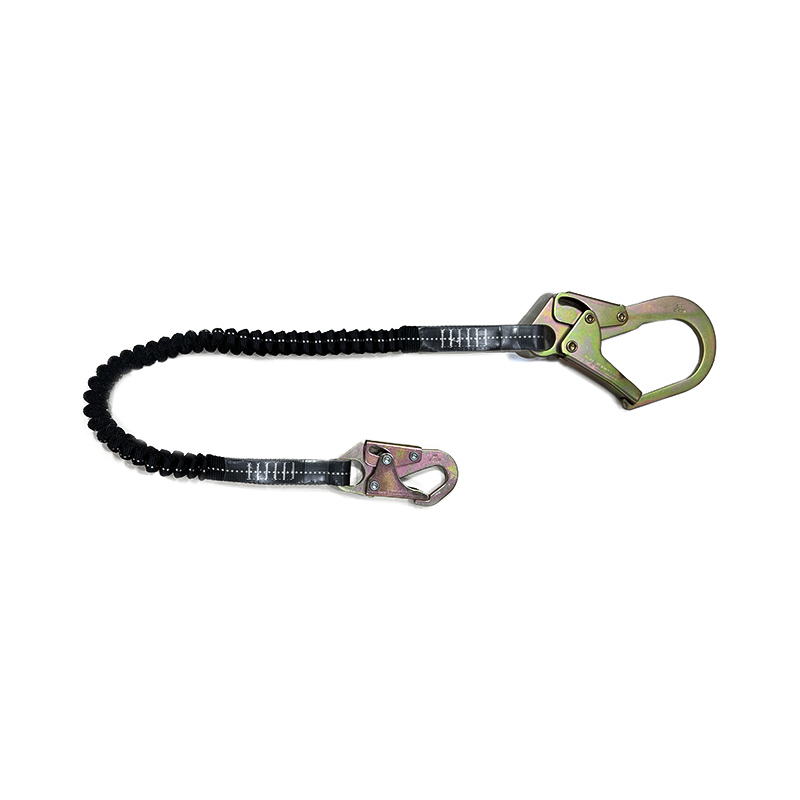
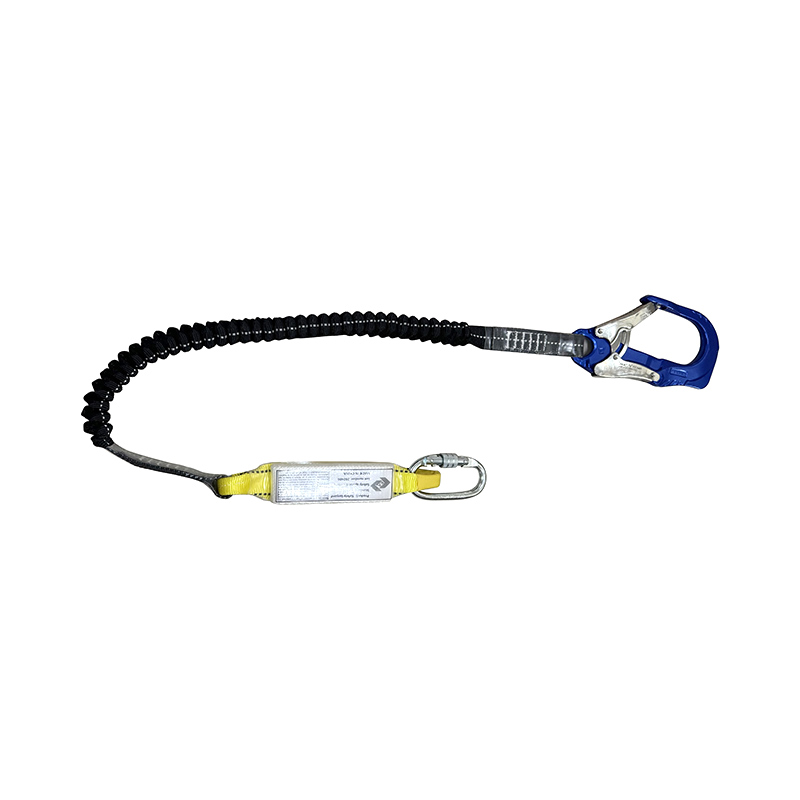
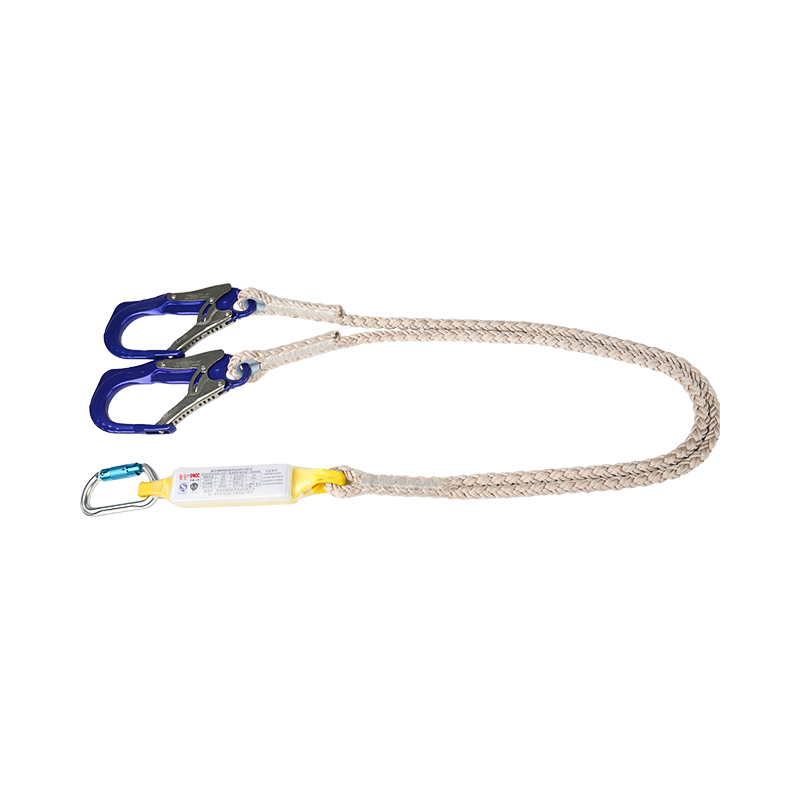
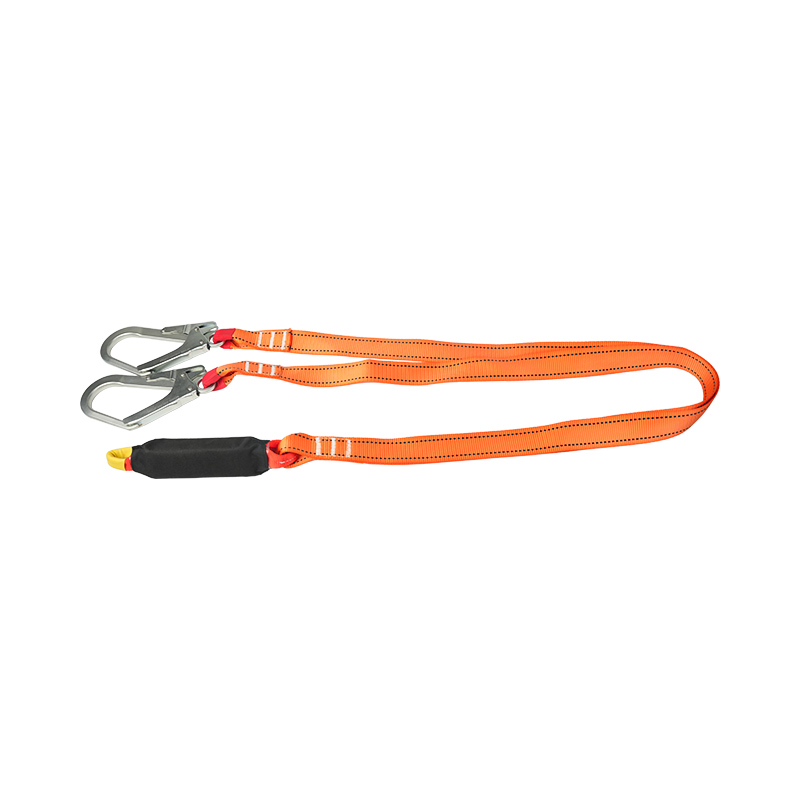
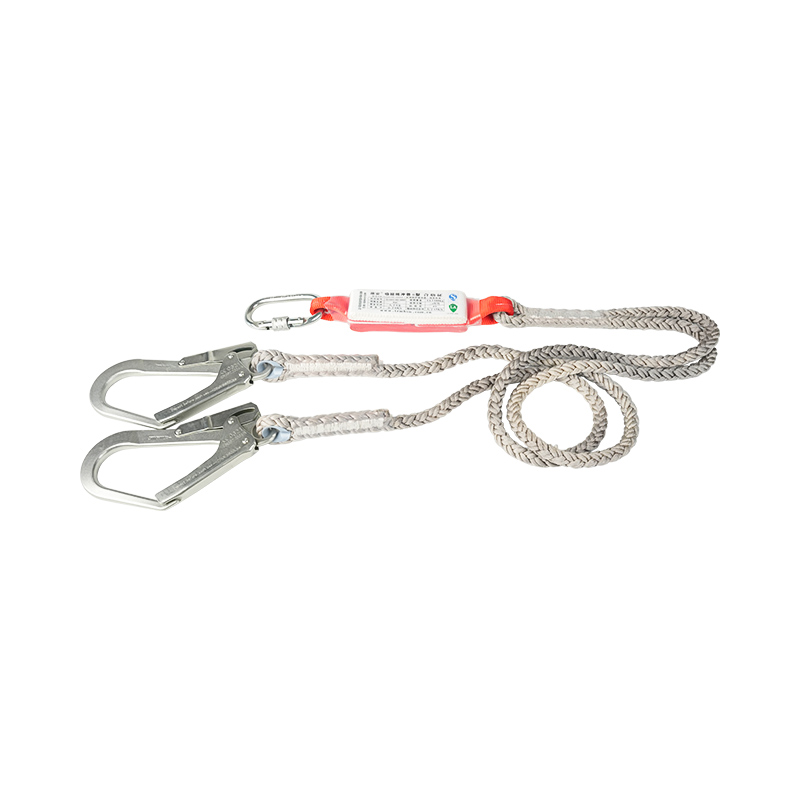
Workers who move across a wide area need a twin lanyard so one leg can be moved without cutting the fall protection connection. The double safety lanyard with polyamide rope, scaffold hooks, and shock absorber allows continuous tie-off while the worker repositions the other leg. For a single-anchor task with a limited working area, a single fall-arrest lanyard with a 44 mm polyester webbing and one scaffold hook is a simpler, lighter choice.
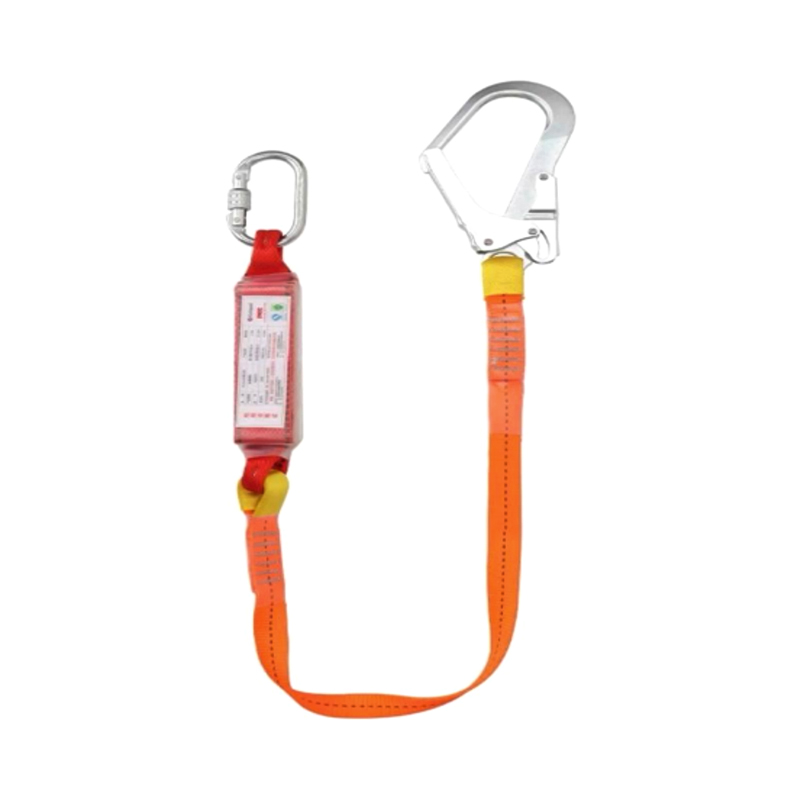 KA-LS06 Fall Arrest Shock Absorber Single Lanyard With Polyester 44mm Webbing,1 KA Protective Products is China Suppliers of KA-LS06 Fall Arrest Shock Absorber Single Lanyard With Polyester 44mm Webbing,1 Scafford Hoo...View Product →
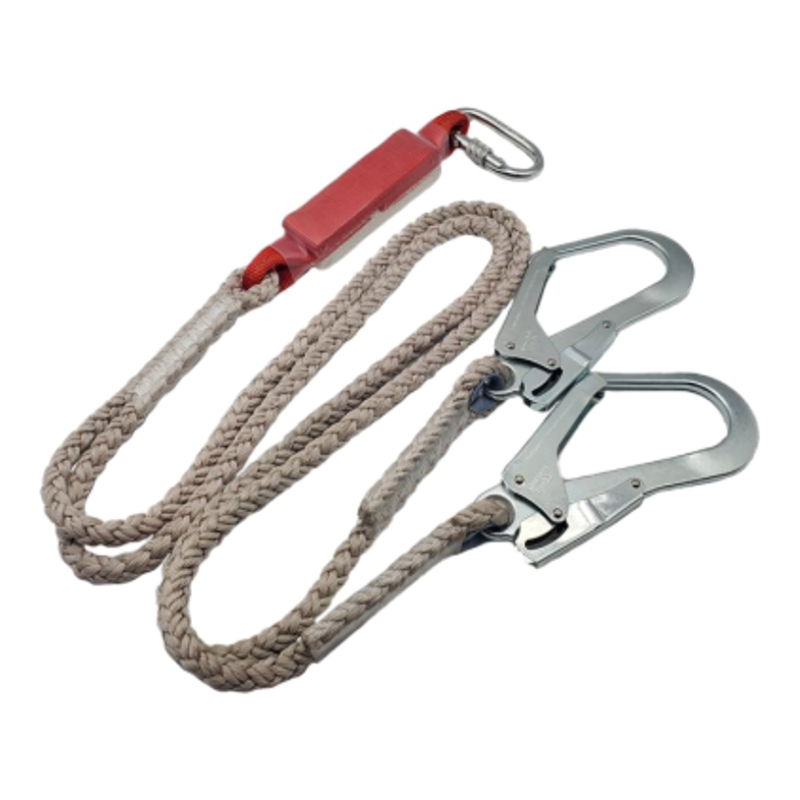 KA-L02 Fall Arrest Shock Absorber Twin Lanyard With Polyamide Rope, 2 Scafford HKA Protective Products is China Suppliers of KA-L02 Fall Arrest Shock Absorber Twin Lanyard With Polyamide Rope, 2 Scafford Hooks, 1 Car...View Product →
Before purchasing a lanyard, compare its maximum arrest force with the rated capacity of the anchor and the available fall clearance. Reviewing a roof safety harness system anchor, harness, and lanyard selection guide can help you map out the clearance requirements for a typical roof or steel structure job.
When you buy harnesses, lanyards, or rope-based connectors, the packaging and labels should state the relevant standard and rating. For anchor-related hardware, look for a clear label that indicates the rated load, the standard it was tested to, and the intended substrate. For custom or branded products, request documentation that confirms the testing procedure.
A manufacturer with experience in export markets is usually better positioned to provide this documentation. If you are sourcing from overseas, confirm that the test report, certificate of conformity, and batch traceability are part of the package. The anchor is only as reliable as the information behind it.
Anchor point strength is a safety-critical requirement, not a formality. The 5,000-pound rule gives you a conservative baseline, but systems designed by a qualified person with a safety factor of two are also legitimate when properly documented. In every case, the anchor must be inspected, the system must be matched to the task, and workers must know the limitations of the equipment.
Keep records of inspections and designs, replace components after a fall or visible damage, and consult a qualified person whenever the anchor location or structure changes. A strong anchor point, combined with a correctly fitted harness and an appropriate lanyard, is what makes a fall arrest system genuinely protective.

San Ye Road, Si Xiang Sub-district, Hai Ling District, Tai Zhou City, Jiang Su Province, China

+86 151-5262-8620
Copyright @ Taizhou KA Protection Products Co., Ltd. All Rights Reserved



 English
 Español
 عربى
عربى
