Content
Picture a worker on a standing-seam metal roof. He clips his lanyard to a pigtail anchor near the ridge, then takes two steps backward to fix a flashing joint. When the sheet edge bends, he slips and falls. The anchor holds, but because the anchor point is only 1.5 m above his dorsal ring and he uses a 1.8 m lanyard without a shock absorber, his feet hit the roof surface before the system can arrest him. This is rarely a case of a defective anchor. It is a case of treating the anchor as an accessory instead of as the geometric origin of the fall.
Roof anchors for fall protection are structural connection points that transfer the force of a fall into the building frame. Every other component, from the harness to the lanyard, is only as useful as the anchor's load capacity, placement, and orientation. This guide explains the anchor types you need for different roof structures, the standards that prove a product can hold, and how to make sure the anchor works with your existing harness and lanyard system.
An anchor is not a loop of metal that happens to be bolted to a roof. It is a deliberately engineered load path. The worker's body weight, the lanyard, the connector, and the anchor itself form one continuous chain. The weakest link will fail. In practice, the anchor fails in one of three ways: the substrate pulls out, the anchor rotates under load, or the worker free-falls past the anchor due to poor placement.
Regulatory agencies have set clear minimums. Under OSHA 29 CFR 1926.502(d), anchorages used in personal fall arrest systems must support 5,000 pounds (22.2 kN) per worker, or be designed, installed, and used with a safety factor of at least two under the supervision of a qualified person. ANSI/ASSP Z359.1 follows a similar logic, and European standard EN 795 defines load and deflection requirements across multiple anchor classes. A roof anchor that does not meet one of these benchmarks is not suitable for fall protection.
But even a certified anchor fails when it is placed below the worker's dorsal ring, or when the connecting subsystem is too long for the available clearance. That is why the anchor selection must happen together with a review of the six types of fall-protection systems under OSHA. You cannot choose an anchor in isolation.
Roof anchors fall into two broad categories: temporary and permanent. Temporary anchors are removed after the work is done. Permanent anchors stay embedded in the structure for future maintenance access. Some designs cover both categories, but you should select based on how often the roof will be accessed and what the substrate is.
Temporary anchors are ideal for short-term work on residential or commercial roofs. A ridge anchor is strapped over the ridge and rated to fit a rafter width. A pigtail anchor is inserted into the seam of a standing-seam metal roof without drilling. A counterweight or ballast anchor is placed on flat roofs and held in place by weight. Temporary anchors are fast to position, but they rely heavily on the installer checking the fit and the torque or strap condition every day.
Permanent anchors are used on buildings that require repeated access, such as HVAC service roofs, chimney stacks, or solar-panel maintenance. They are bolted or screwed into concrete, structural steel, or timber, and they remain in place for years. These anchors must be corrosion-resistant, clearly labeled, and designed to work with the actual structural depth of the roof deck. A permanent anchor is often the safer choice when there is no safe position for a temporary anchor.
| Anchor type | Typical roof | Installation | Key selection concern |
|---|---|---|---|
| Temporary ridge anchor | Sloped shingle or metal roof | Straps over the ridge | Rafter spacing and ridge depth |
| Pigtail anchor | Standing-seam metal roof | Folds into the seam | Seam width and sheet gauge |
| Ballast or counterweight anchor | Flat low-slope roof | Placed on the membrane | Weight and membrane protection |
| Permanent eyebolt anchor | Concrete or steel deck | Drilled or welded | Base material strength and corrosion |
When you buy a roof anchor, the rating printed on the label is only as trustworthy as the test that produced it. In North America, the most common reference is ANSI/ASSP Z359.1 and the OSHA anchor strength requirement. In Europe, EN 795 is the standard for anchor devices, with subclasses A1, A2, B, C, and D. In Canada, CSA Z259.15 covers anchor systems. Each standard specifies a static or dynamic test, a test weight, and a maximum allowable displacement. A product that passes one standard does not automatically pass another.
| Standard | Anchor requirement | Geographic scope |
|---|---|---|
| OSHA 29 CFR 1926.502(d) | 5,000 lb per worker or safety factor of 2 | United States |
| ANSI/ASSP Z359.1 | 5,000 lb ultimate strength; limits forces on the worker | United States |
| EN 795 | Test loads vary by class A1, A2, B, C, D | Europe and many international markets |
| CSA Z259.15 | Complete anchor systems for fall protection | Canada |
Before specifying an anchor, ask for the test report. The report should state the load direction, the test fixture, and the anchor's pre- and post-test condition. If you are sourcing a full PPE program, use the same scrutiny for the harness and lanyard. For example, a harness that meets EN361 is a different product from one that only meets a general safety-belt spec. The roof safety harness system anchor selection guide explains how these components fit together and what certification marks you should look for.
There is no universal roof anchor. The correct choice depends on the material of the roof deck and the structure underneath. On a standing-seam metal roof, a pigtail anchor that hooks into the seam avoids drilling holes and preserves the weather barrier, but it only works if the seam is continuous and the sheet gauge is thick enough. On a corrugated metal roof, a through-bolted anchor with a backing plate distributes the load across the stiffener ribs. On a concrete roof, expansion anchors or epoxy dowels must be installed at the correct edge distance to avoid pull-out. On a timber roof, a ridge anchor should be screwed into the rafter, not just into the sheathing.
The direction of the fall load also matters. Most anchor standards test in a single downward direction. When a worker moves laterally, the anchor sees a sideways pull. If the anchor is not rated for that direction, the angle can amplify the force on the anchor and on the worker. Always place the anchor perpendicular to the work line, or use a system that rotates to stay aligned with the load.
The anchor point is useless if the rest of the system is incompatible. The harness must distribute the arrest force over the worker's body, the lanyard must limit free fall, and the connectors must fit both the harness ring and the anchor. A rigid anchor placed above the worker gives the shortest free fall. A low anchor increases fall distance and requires a shorter lanyard or a shock absorber.
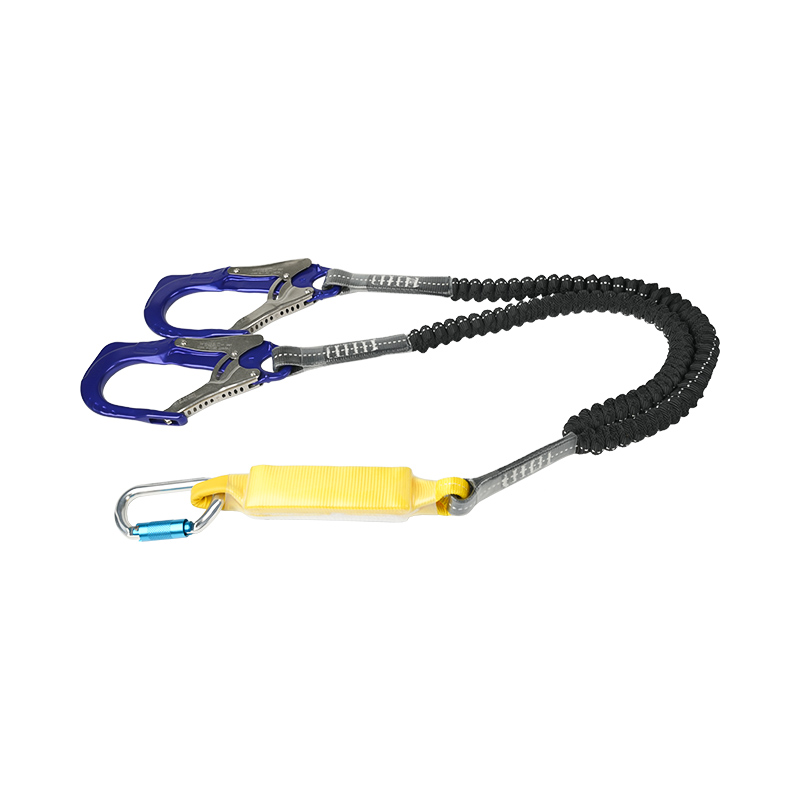
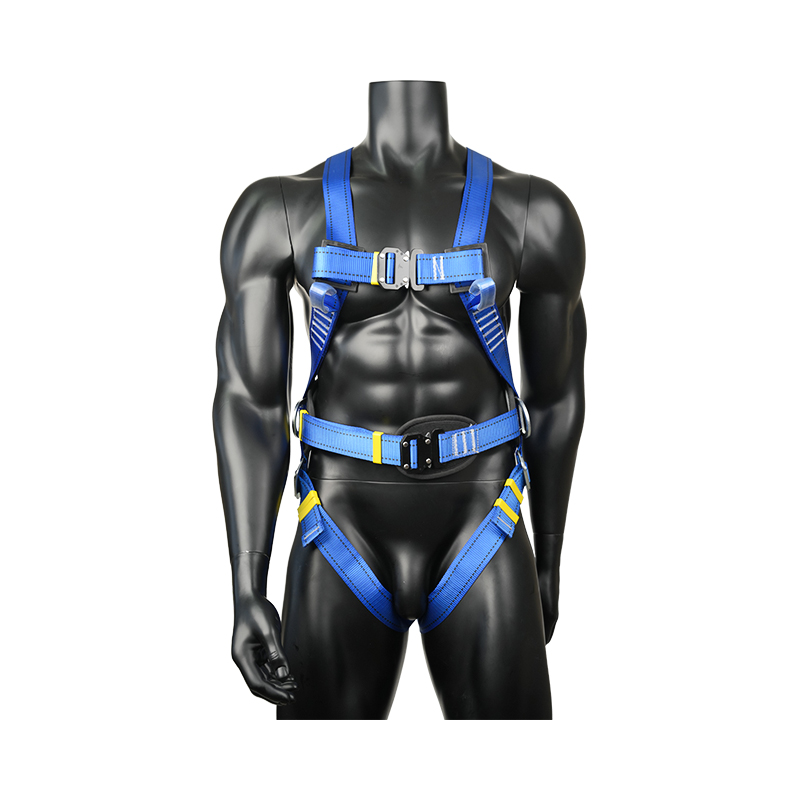
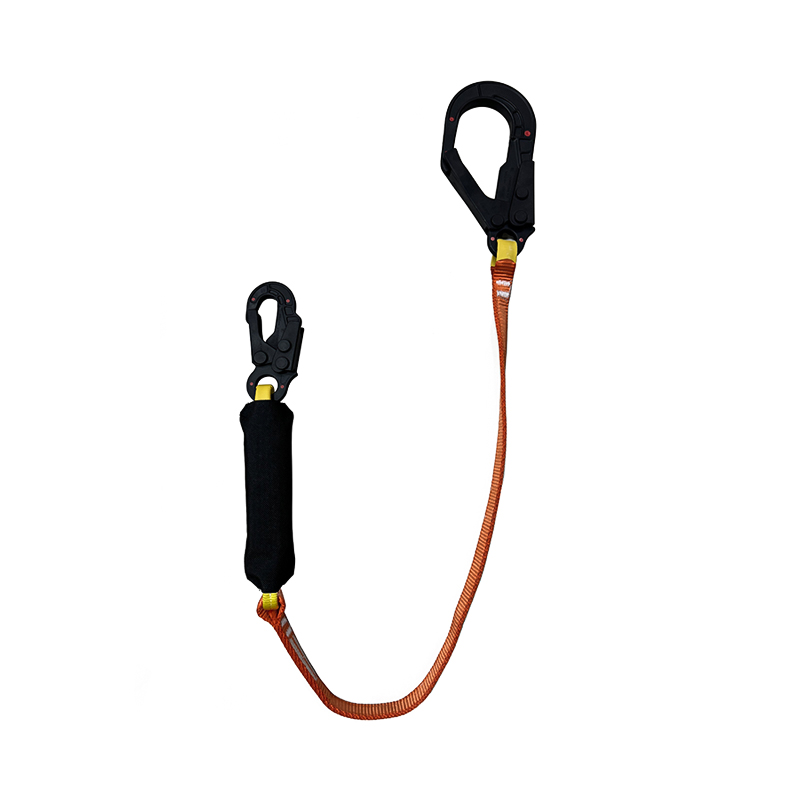
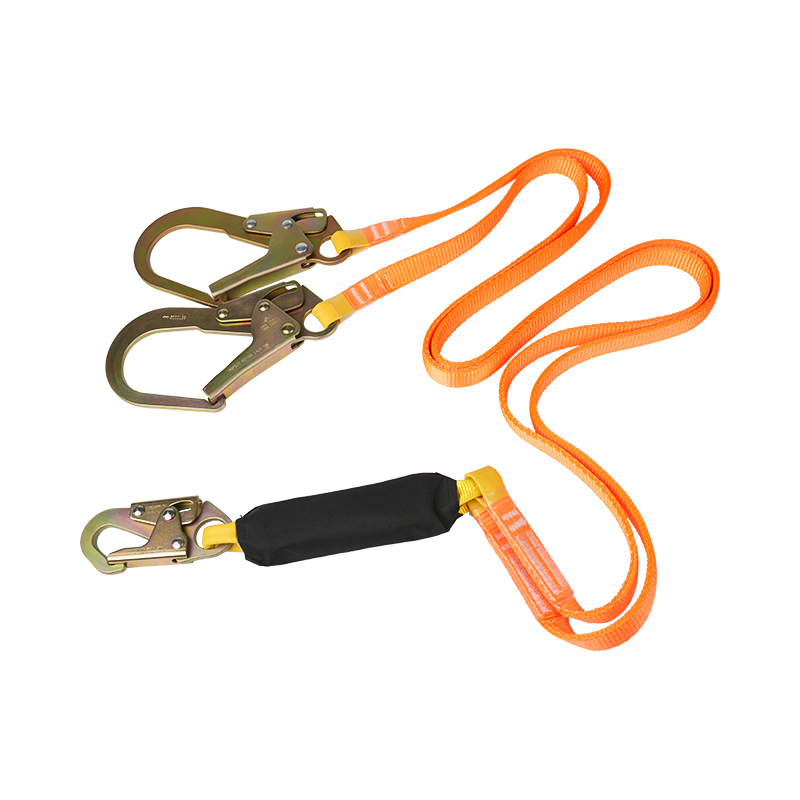
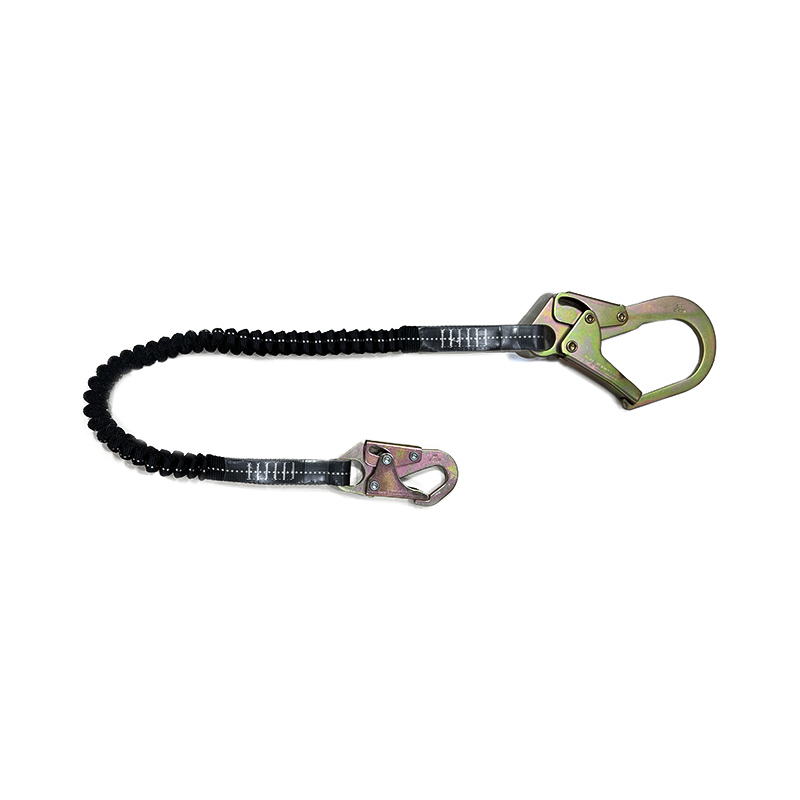
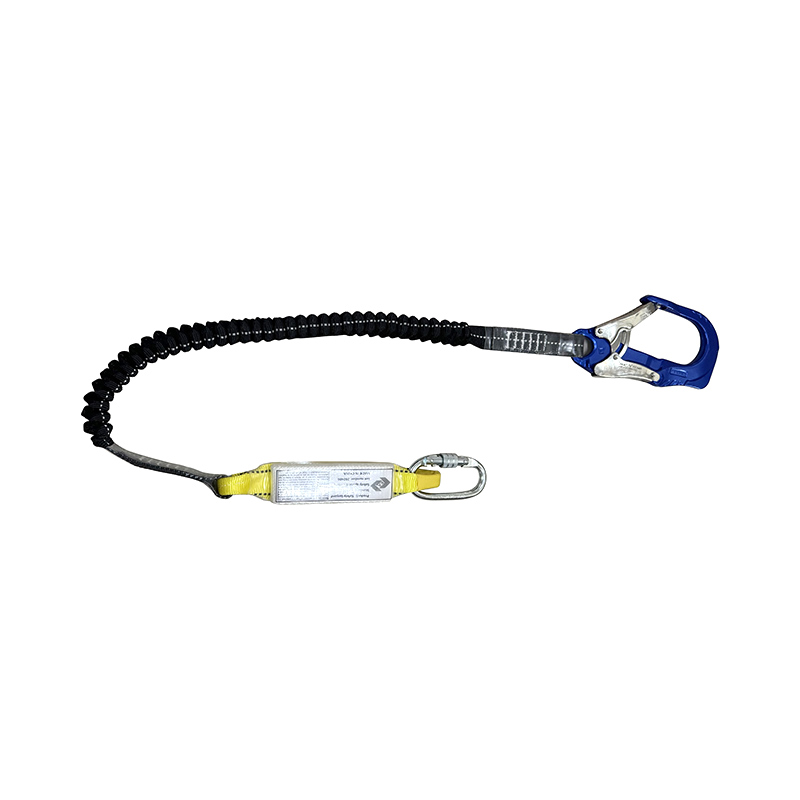
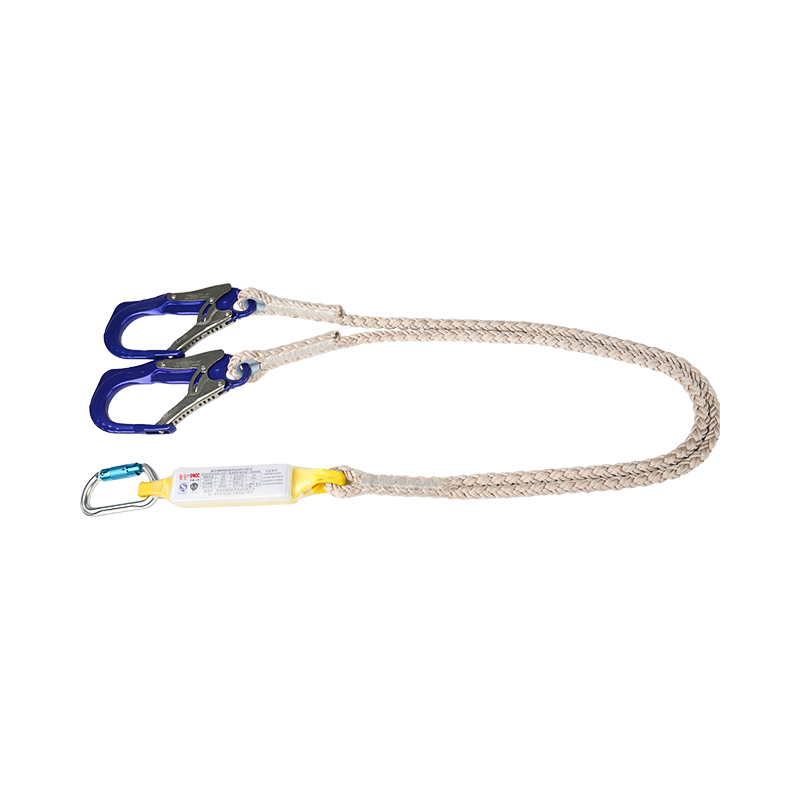
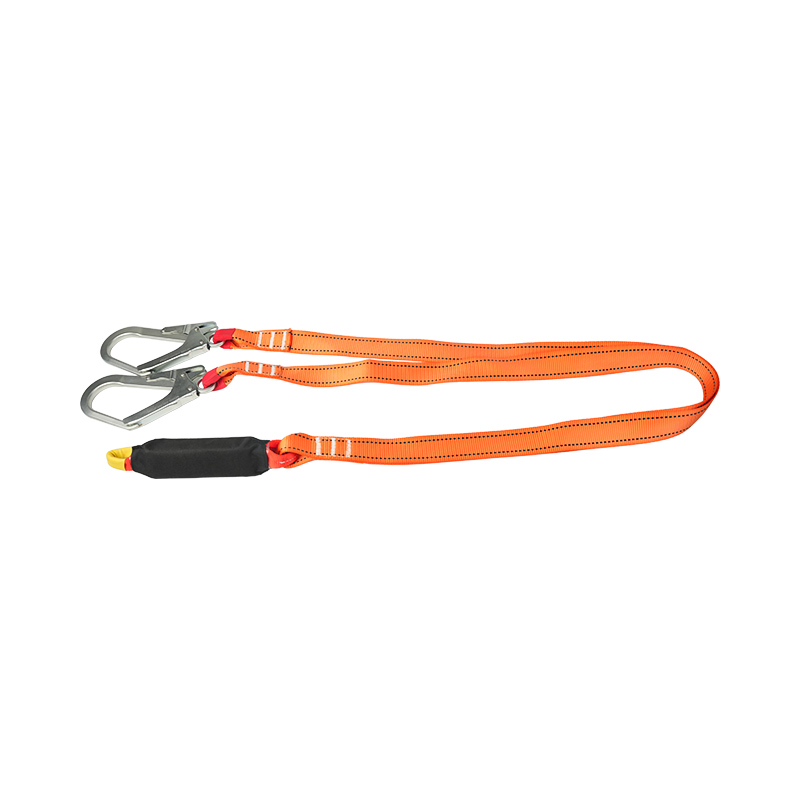
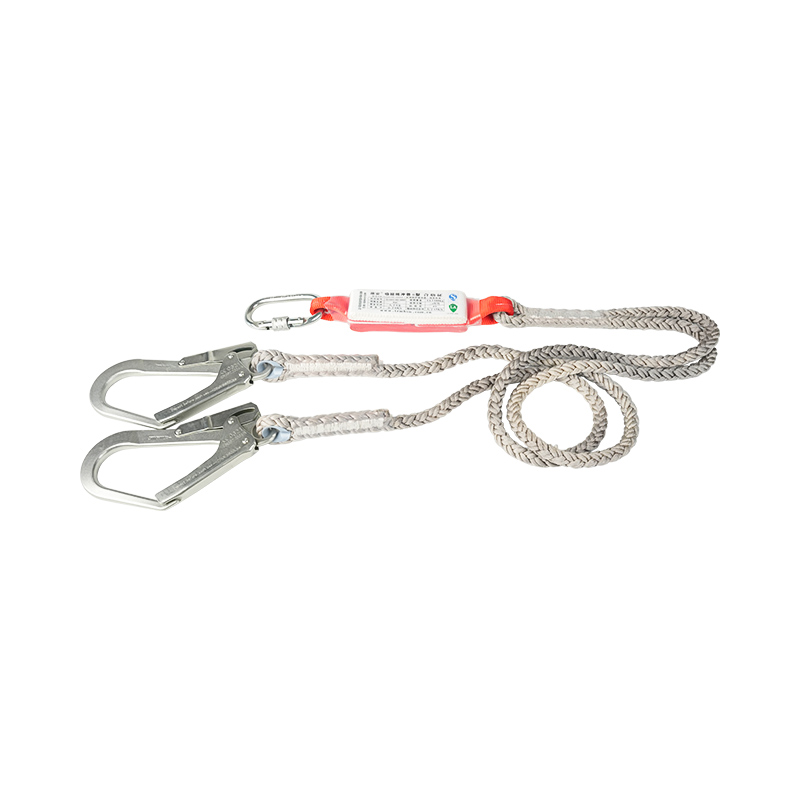
For roof work, a full-body harness is required in every standard discussed above. A dedicated construction roof safety harness with multiple D-rings and waist padding makes it practical to connect to an overhead ridge anchor while moving along the roof edge. When the anchor is behind the worker, a twin lanyard with shock absorber lets you stay connected while clipping and unclipping around the anchor, and the energy absorber keeps the arrest force within the harness rating.
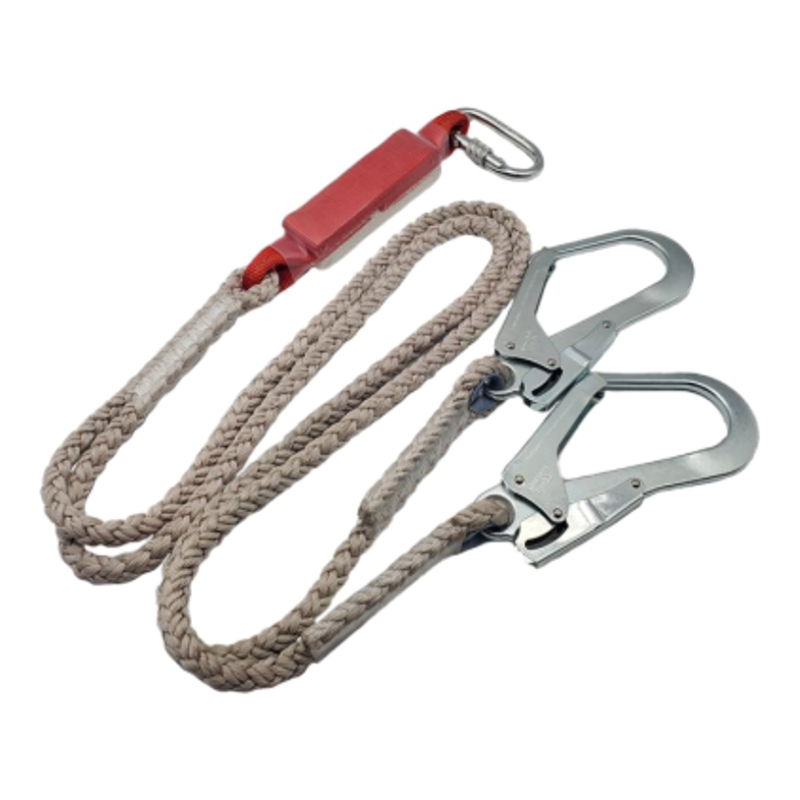 KA-L02 Fall Arrest Shock Absorber Twin Lanyard With Polyamide Rope, 2 Scafford HKA Protective Products is China Suppliers of KA-L02 Fall Arrest Shock Absorber Twin Lanyard With Polyamide Rope, 2 Scafford Hooks, 1 Car...View Product →
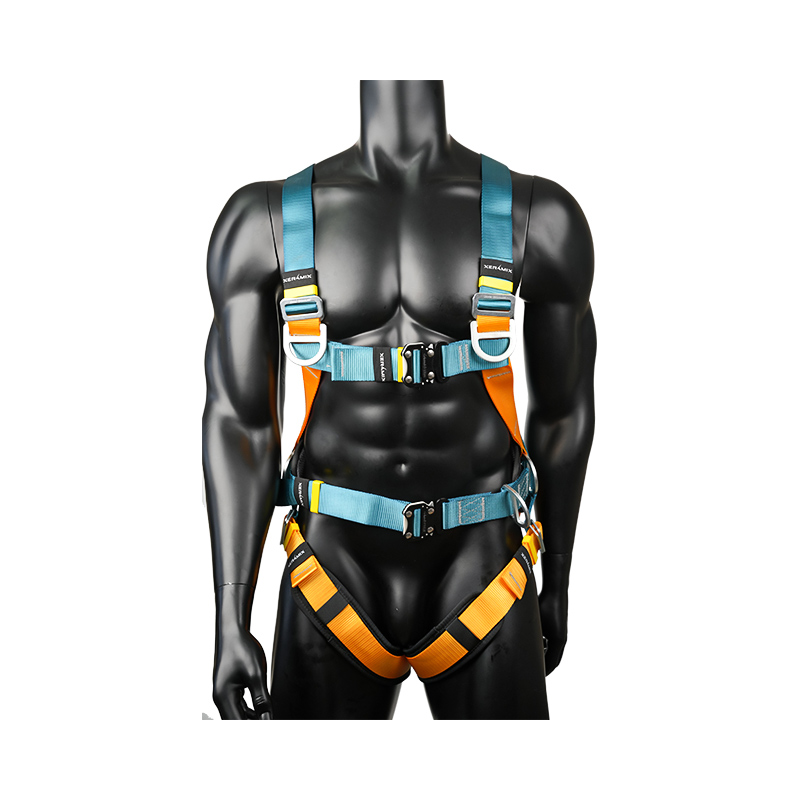 KA02 6 D rings , 2 quick-release buckle, big waist pad full body construction rKA Protective Products is China Suppliers of KA02 6 D rings , 2 quick-release buckle, big waist pad full body construction roof safety h...View Product →
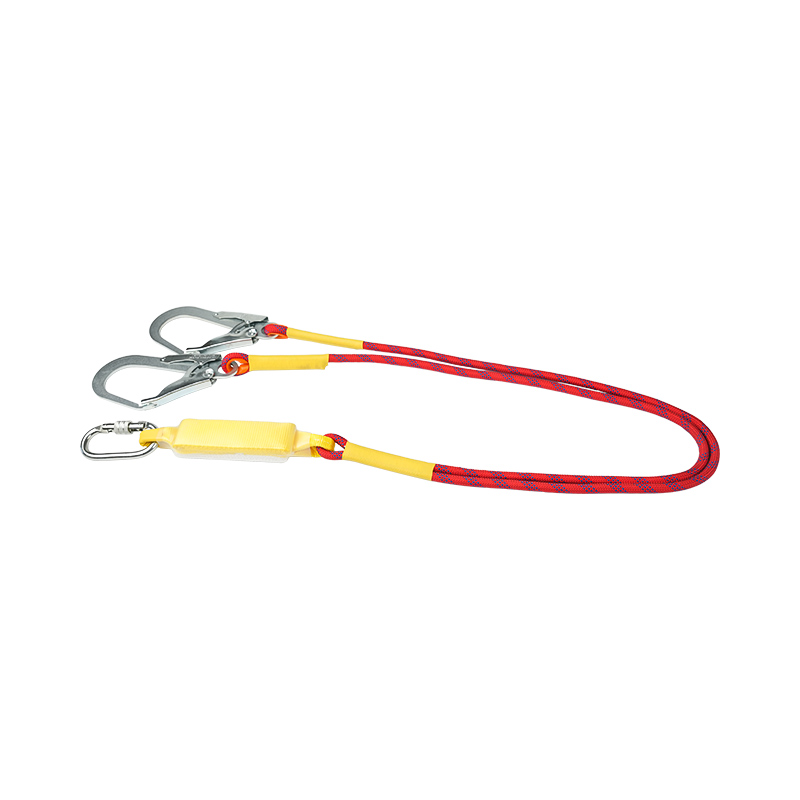
For tasks that require both hands free, such as installing flashing or tightening roof bolts, a nylon positioning lifeline can be used as a short anchor-connector between the worker's side D-rings and a suitable anchor point. Positioning lines are not fall-arrest devices; they are work-positioning devices. They should be paired with a fall-arrest system if there is any risk of falling from the position.
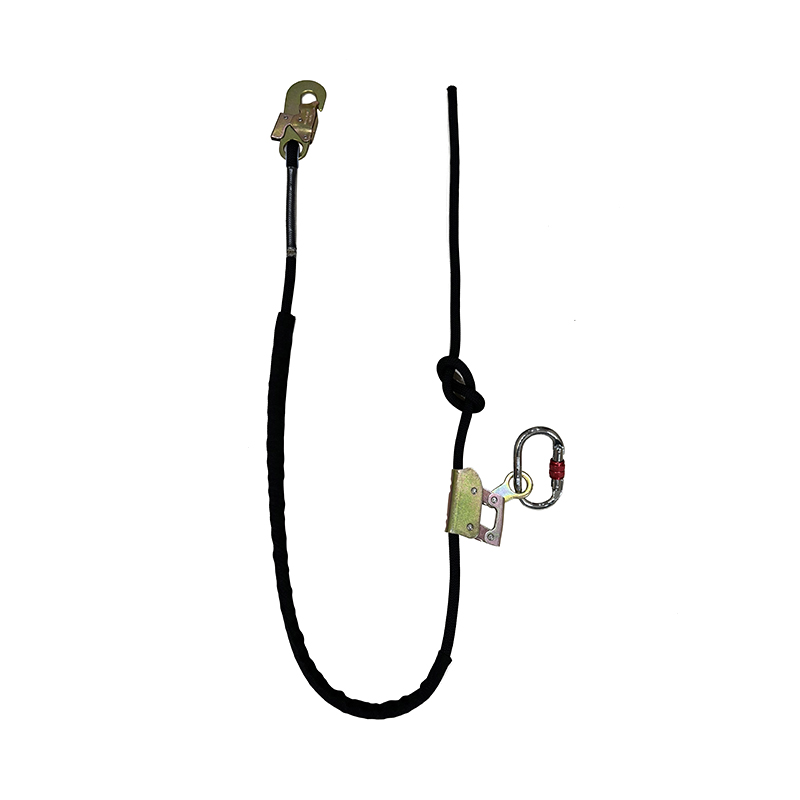 Position Lifeline With Nylon Rope Suppliers, Factory - Taizhou KA Protective ProKA Protective Products is China Suppliers of Position Lifeline With Nylon Rope , Factory Wholesale Position Lifeline With Nylon Rope,The ...View Product →
If you are building a system from scratch, pay close attention to lanyard length versus the distance from the anchor to the working surface. The lanyard length and fall travel planning guide provides the clearance math you need before choosing an anchor location.
The best anchor standard in the world does not protect a worker if the anchor is installed wrong. Installers should follow the manufacturer's drawings, verify the substrate thickness, and use a torque wrench for all threaded fasteners. The anchor must be checked after installation with a documented pull test when required by local regulations or by the anchor manufacturer.
Before each use, the worker should inspect the anchor for deformation, corrosion, loose bolts, or damage from the previous job. If an anchor is ever subjected to a fall load, it must be taken out of service and inspected by a qualified person. This rule applies to the harness and lanyard as well.
Common mistakes we see on roofs include:
Regular inspection records, clear labeling, and routine maintenance of the anchor devices themselves prevent most of these failures.
If you are buying for a contractor, distributor, or an OEM program, focus on three things: traceability, compatibility, and documentation. Ask the supplier for the certificate of conformity for each anchor model, and check that the rated load is printed on the anchor. Ask how the anchor behaves under dynamic loading: does the product page state the maximum allowable distance of movement? Then compare the anchor's designed use with the worker's typical movement path on the roof.
Compatibility is not only about the anchor. The harness and lanyard must fit the same connector family. A snap hook that does not fully close on the anchor D-ring is a frequent field failure. If your supplier can provide the harness, lanyard, and anchor as a coordinated system, the risk of mismatched components is much lower. As a manufacturer of safety harnesses, lanyards, and positioning lines, we routinely help buyers combine their chosen anchors with PPE that meets EN 361, ANSI, or CE requirements. The anchor itself should always come from a certified source, but the rest of the system can be built to your specification and branding.
When you plan a roof-anchor purchase, collect the roof drawings, the worker fall clearance, and the required standard or local code. These three pieces of information will let the supplier recommend a product that is neither overrated nor dangerously undersized.


San Ye Road, Si Xiang Sub-district, Hai Ling District, Tai Zhou City, Jiang Su Province, China

+86 151-5262-8620
Copyright @ Taizhou KA Protection Products Co., Ltd. All Rights Reserved



 English
 Español
 عربى
عربى
