Content
Anyone who has spent a morning rigging on a roof deck knows the difference between an anchor that holds and an anchor you merely hope will hold. A fall restraint anchor point sits firmly in the first category. It belongs to a system designed to keep a worker from ever reaching an unprotected edge, rather than to catch them after they leave it. Our team at Taizhou KA Protective Products has been making harnesses, lanyards and ropes since 1986, and we have supplied fall protection programmes to customers across the United States, Europe, Russia and Asia. This guide pulls together what we have learned on the factory floor and on site: the rules, the hardware and the practical details that keep people safe.
A fall restraint anchor point is the fixed structural attachment that a restraint system connects to. Anchor, line and harness work together to limit how far a worker can travel, so the edge, the opening or the fragile roof surface stays permanently out of reach.
Three terms get used interchangeably on site, and it is worth keeping them apart:
Because a restraint system never has to arrest a fall, the loads it imposes are usually modest. That is the good news. The less comfortable truth is that a badly placed or unsoundly fixed restraint anchor inspires exactly the same false confidence as an arrest anchor that was never rated — right up to the moment somebody leans a little too far.
Restraint and arrest both use harnesses, lanyards and anchors, which is why the two are so often confused. The difference lies in what the system is for.
Restraint prevents a fall. The worker is held back from the hazard by a fixed-length line, so no free fall occurs and no fall clearance calculation is needed. The design question is not how far someone would drop, but how far they can reach.
Arrest catches a fall that has already begun. The anchor has to absorb a dynamic load, clearance below the work surface becomes critical, and swing fall and pendulum effects must be managed. A personal fall arrest system therefore demands far more of the anchor than a restraint layout ever will.
Positioning sits between the two. A positioning line supports a worker at the task — on a pole, a tower or formwork — and is normally backed up by a separate arrest system.
One practical consequence follows. If the lanyard is short enough to keep the worker out of the fall zone, the system is restraint. If it is long enough to allow a fall, the system is arrest, and the anchor rules change with it.
The anchorage rule most safety professionals know by heart comes from OSHA. Under 29 CFR 1926.502(d)(15), an anchorage used for fall arrest must support at least 5,000 pounds (22.2 kN) per employee attached, or be designed, installed and used under the supervision of a qualified person as part of a complete personal fall arrest system maintaining a safety factor of at least two. It is worth reading a plain-language explanation of the 5,000-pound anchor rule before designing anything permanent.
OSHA does not publish a separate load figure for restraint anchorages, so most competent-person designs fall back on the same structural discipline: prove the anchor, document the calculation, and keep a margin in hand.
Two points are easy to overlook. First, an anchor must resist loads in every direction a lanyard could pull it, not only downwards. Second, a certified anchor carries a rating and a label, while a non-certified anchor such as a structural beam needs a qualified person to assess it in writing.
| Item | Typical requirement | Why it matters |
|---|---|---|
| Anchor strength, fall arrest | 5,000 lb (22.2 kN) per worker | The baseline OSHA anchorage figure |
| Alternative compliance path | Safety factor of at least 2 | Requires a qualified person's design |
| Preferred anchor height | At or above shoulder level | Reduces fall distance and swing |
| Restraint line length | Short enough to block edge access | Defines the system as restraint |
| Certified vs non-certified | Rated and labelled, or assessed | Determines who signs off the anchor |
| Inspection interval | Before each use, plus periodic review | Catches damage before it matters |
In the field, the restraint anchors we see most often fall into a handful of families:
Rope-based lifelines deserve a note of their own. A properly specified polyester safety rope, sized and inspected as part of an engineered system, can serve as a horizontal lifeline or a vertical restraint line for years of outdoor duty.
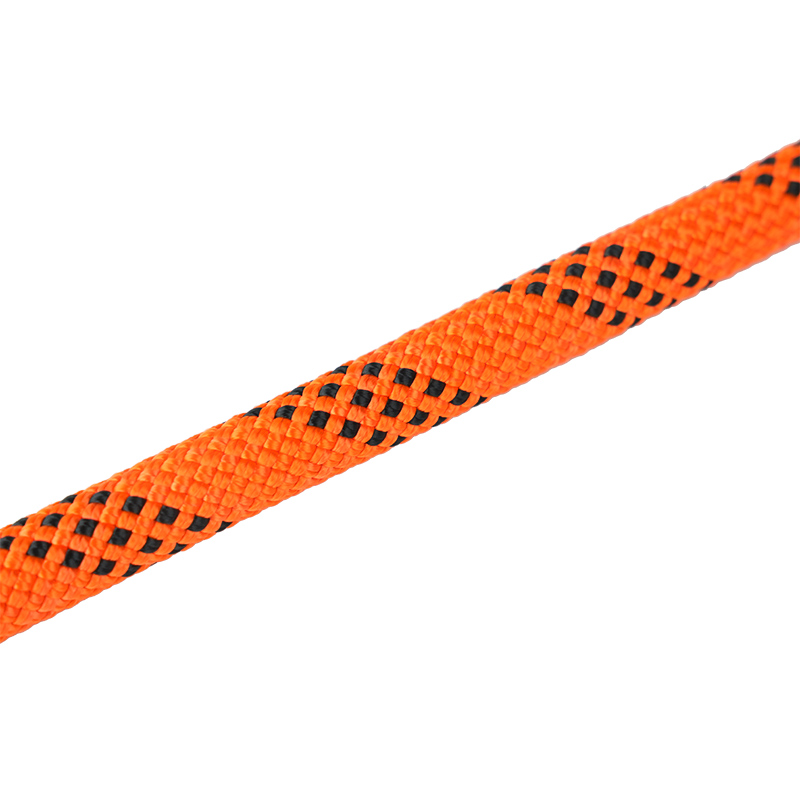 11mm UV & Weather Resistance Polyester Safety RopeThis safety rope is sound when working with heights plus it is a low stretch rope. Its diameter is 11 mm which provides you with a good grip. Various lengths and colou...View Product →
Location matters as much as strength. The widely used rule of thumb is to place the anchor at or above shoulder height, ideally above the D-ring on the harness. A higher anchor shortens the distance a worker would travel, reduces the loading on the system and limits pendulum swing.
For restraint work specifically, three geometric checks cover most situations:
Sharp edges, heat sources, weld sparks and chemical exposure belong in the same conversation. A perfectly rated anchor will not save a system whose connecting element has been cut through.
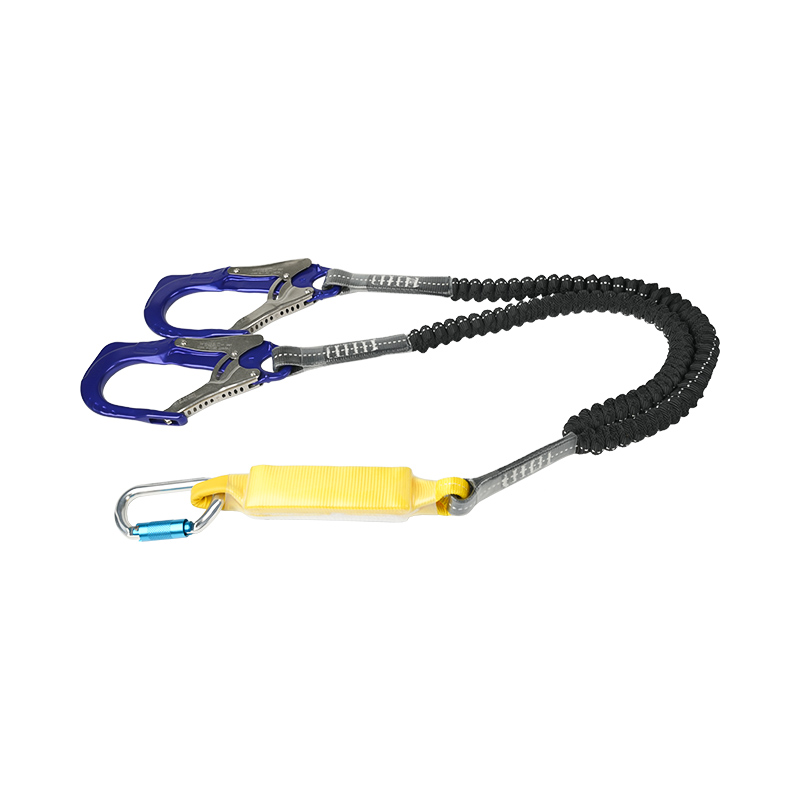
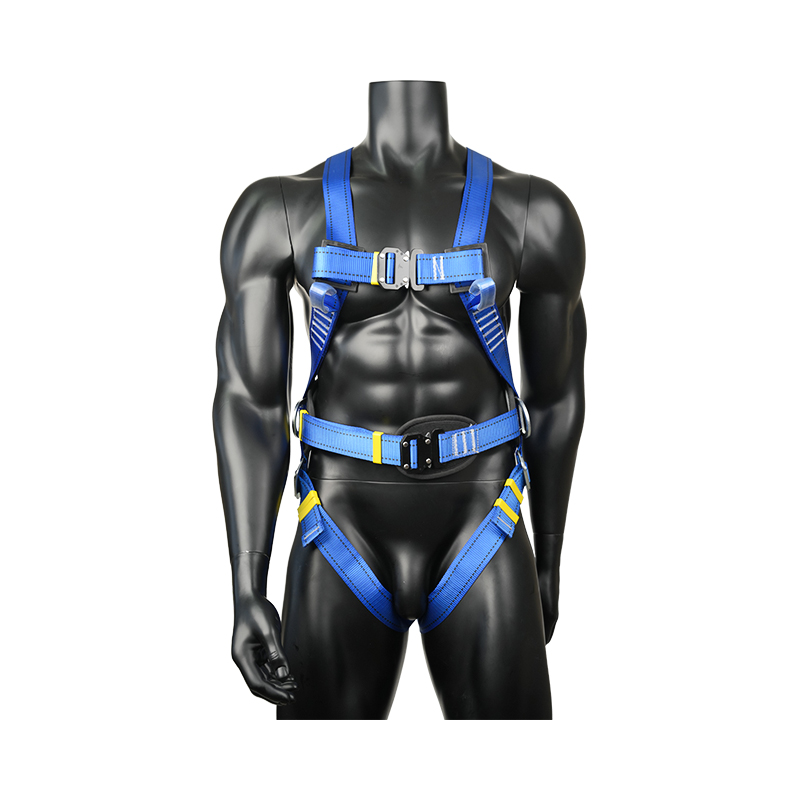
An anchor point is only one link in the chain. A complete restraint system needs a full body harness, a lanyard or restraint line of the correct length, and suitable connecting hardware — and every component should come from a supplier who can document the standards it meets.
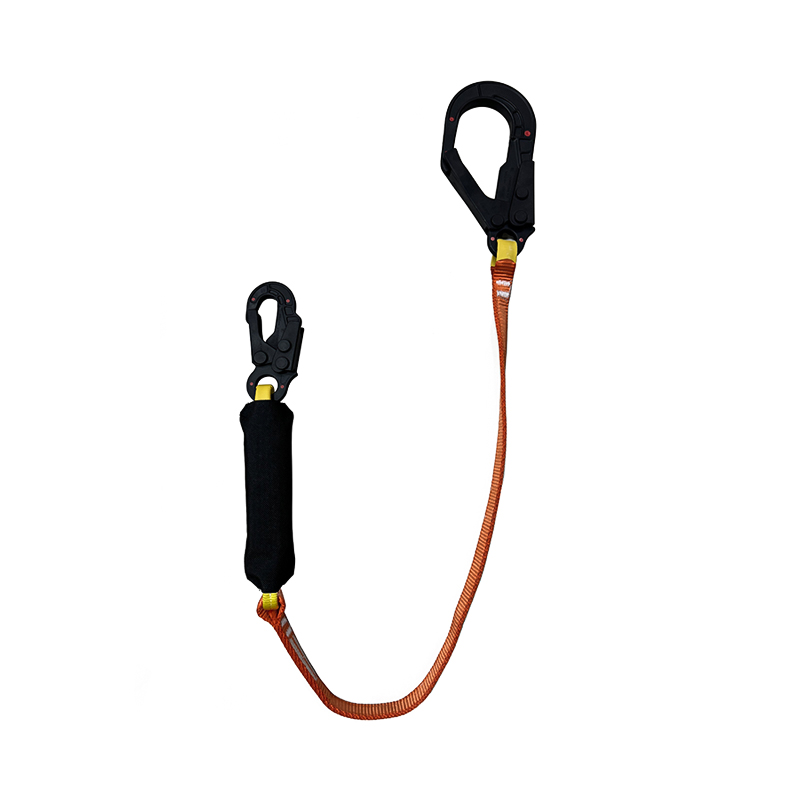
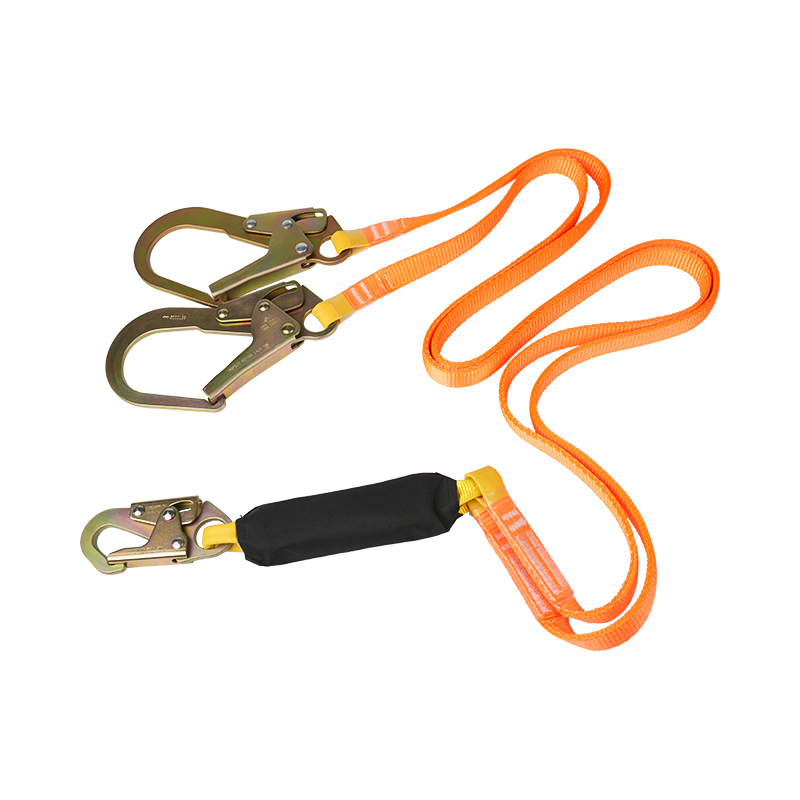
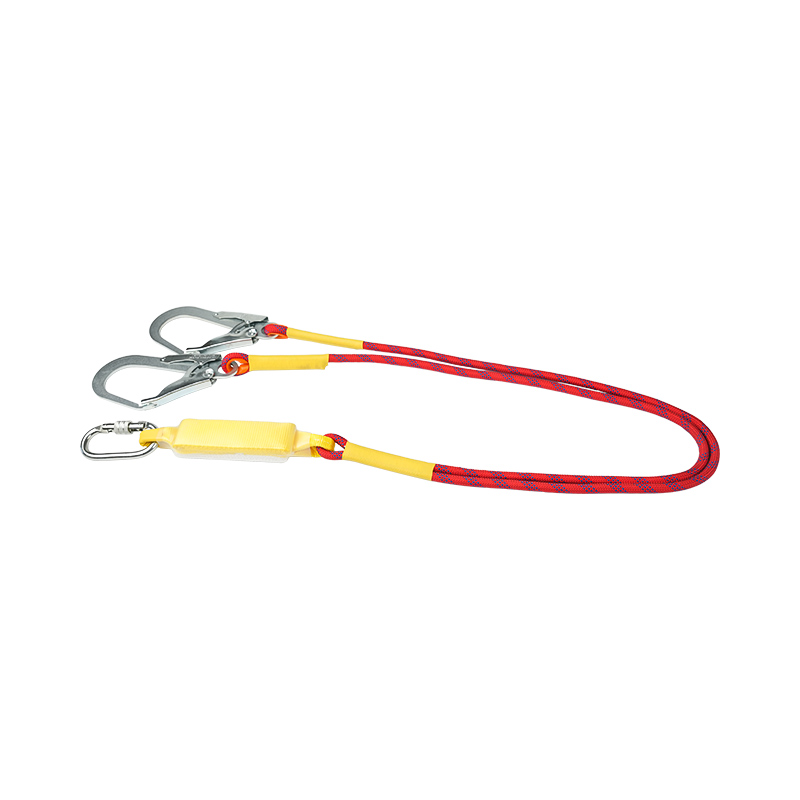
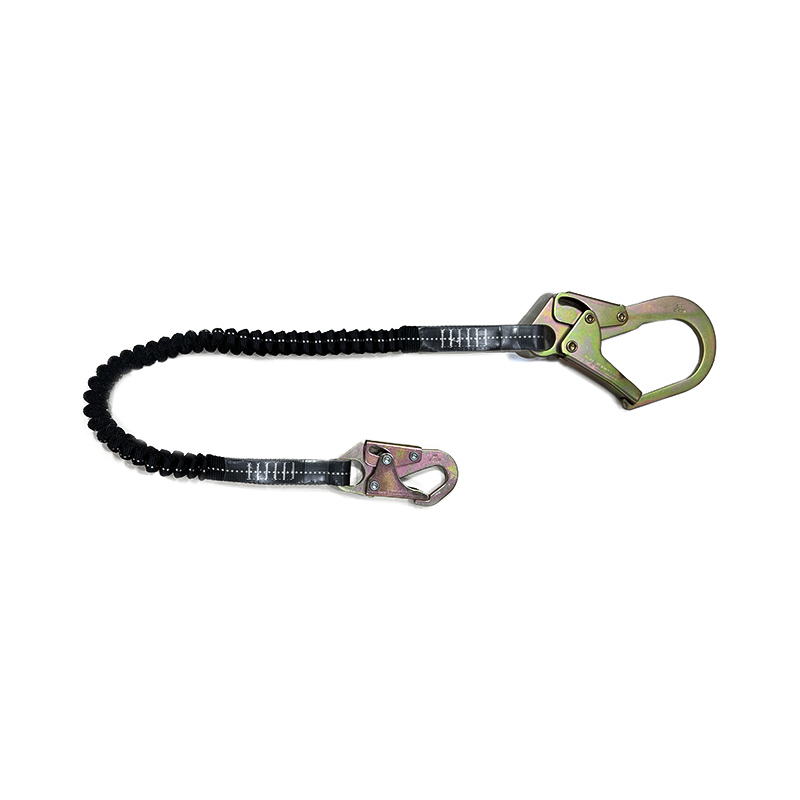
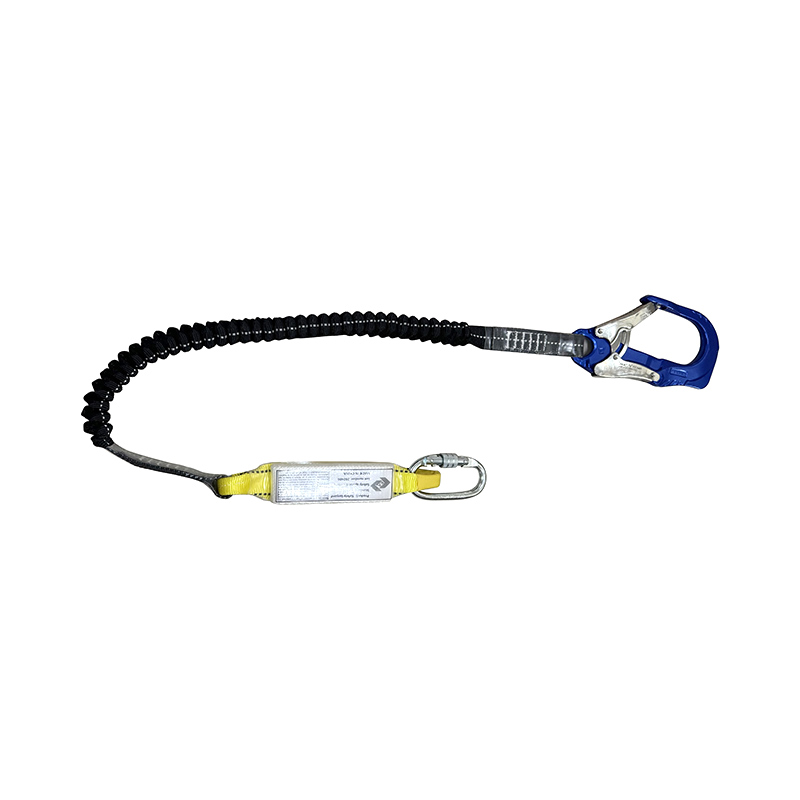
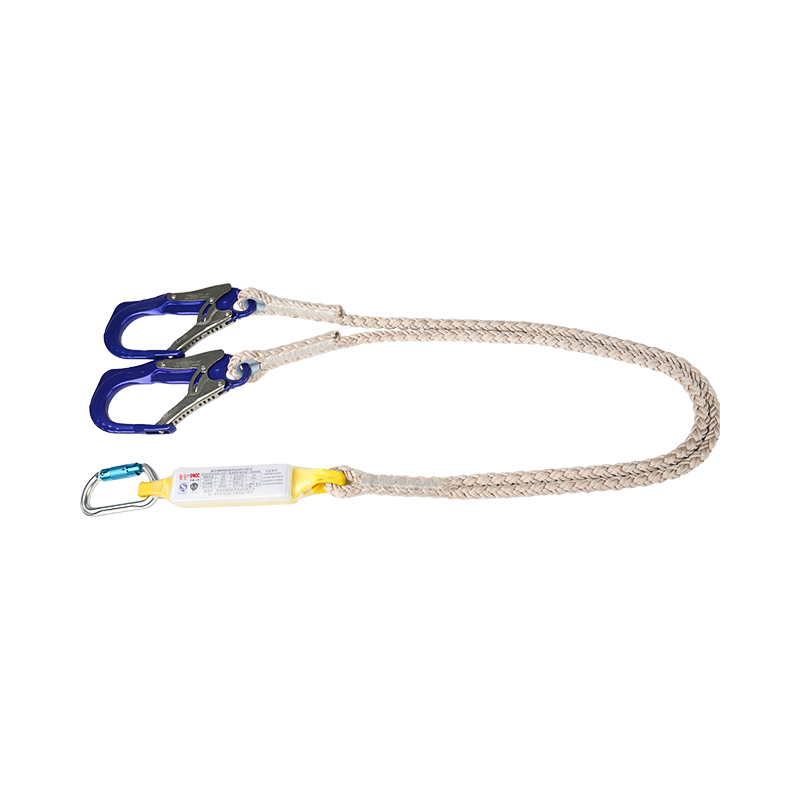
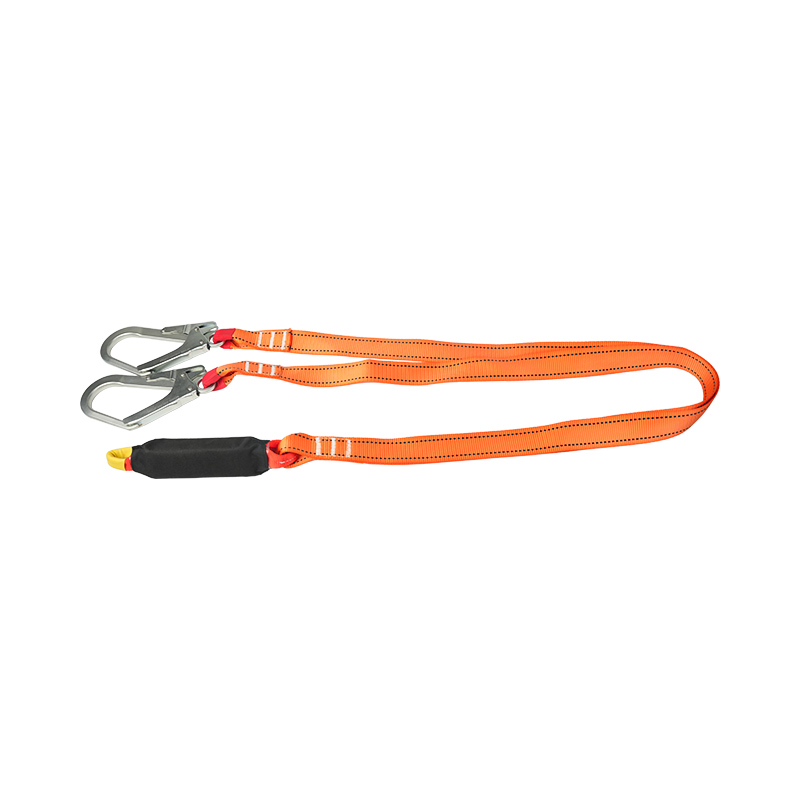
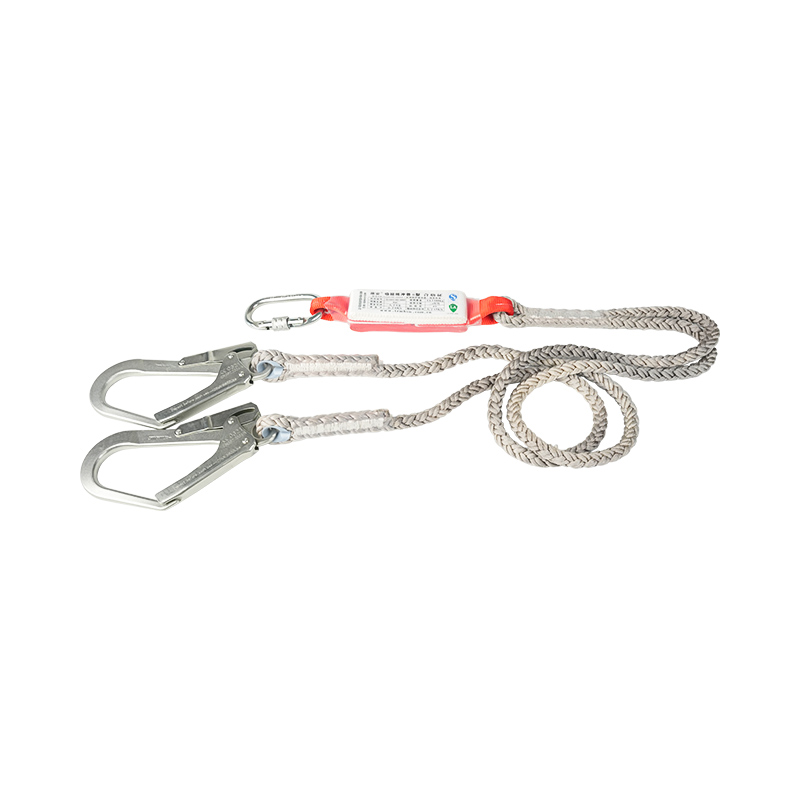
Typical configurations include a webbing restraint lanyard with a scaffold hook for general construction work, a rope restraint line where a longer span is required, and an adjustable positioning line for hands-free tasks such as steel erection or tower work.
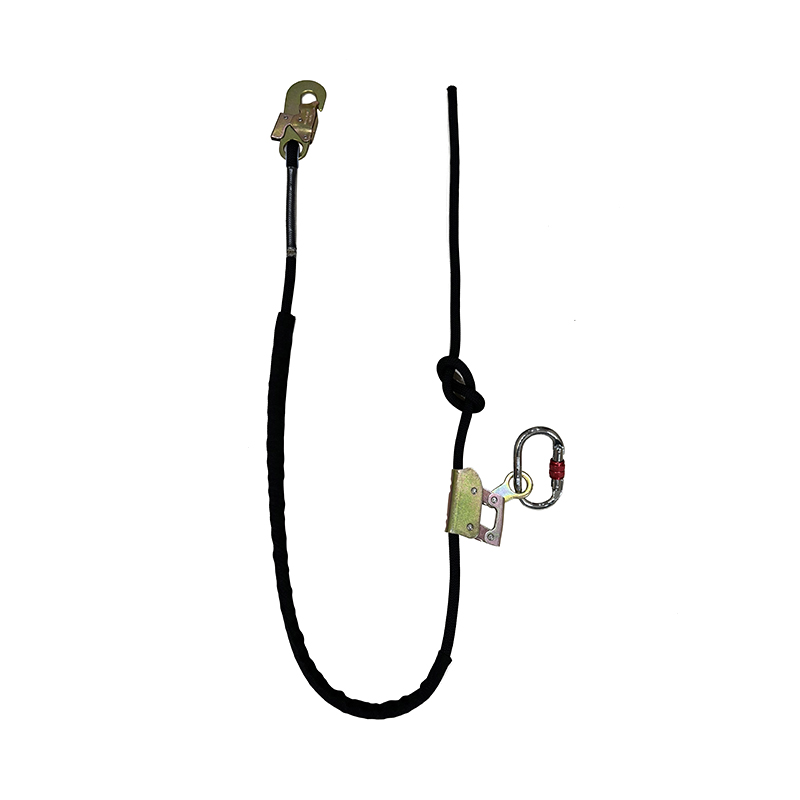 Position Lifeline With Nylon RopeThe positioning rope is used for positioning the angle of aerial work. Our positioning rope consists of a 12mm static rope, a rope grab, and two connecting hooks. The ...View Product →
 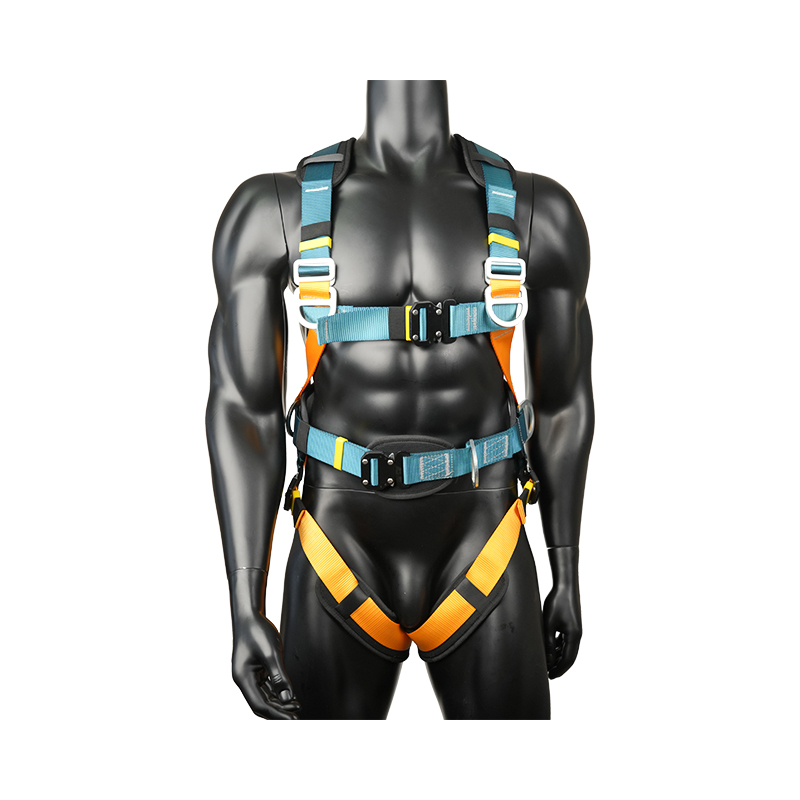 KA01 Universal Full Body Fall Protection Safety Harness With 6 D-Ring, 4 Quick-Released BuThis high-end 5-point fall protection harness is designed for comfort and durability. Equipped with large, highly breathable protective padding on the shoulders, waist...View Product →
Pair an adjustable positioning lifeline with a padded full body harness and the restraint zone becomes workable for a full shift rather than a compromise workers try to avoid.
Anchor hardware should be checked before every use and again by a competent person at a scheduled interval. Look for corrosion, cracks, deformation, weld damage, loose fasteners and worn or frayed webbing. Hardware with a deployed load indicator, stretched stitching or a bent hook goes straight out of service.
Records matter too. A dated inspection log turns a pile of hardware into a system you can defend during an audit, and it shows customers and insurers that the programme is real. Training should cover anchor selection, correct connection points, the difference between restraint and arrest, and the rescue plan for anyone who does end up suspended.
Restraint components are only as reliable as the factory behind them. Our workshops in Taizhou cover 5,600 square metres with more than fifty production machines and a full testing facility, and our harnesses, lanyards and ropes are built to EN361, CE and ANSI requirements for buyers in North America, Europe and Asia. Because we also run dedicated custom lines, imported specifications, colours, labels and packaging can all be matched to your market — an advantage for distributors and brands who need consistency across a catalogue.
If you would like to see the range before you specify, start with our safety harness, lanyard and rope catalogue and tell us which job site you are equipping.
A fall restraint anchor point is a simple idea with a demanding set of details behind it. Get the strength right, put the anchor above shoulder height, keep the working line short enough that the edge stays out of reach, and inspect the whole assembly the way your crew's lives depend on it — because they do. Do that, and restraint stops being paperwork and becomes what it was always meant to be: the reason nobody falls in the first place.


San Ye Road, Si Xiang Sub-district, Hai Ling District, Tai Zhou City, Jiang Su Province, China

+86 151-5262-8620
Copyright @ Taizhou KA Protection Products Co., Ltd. All Rights Reserved



 English
 Español
 عربى
عربى
