Content
When utility safety managers evaluate fall protection equipment, the price difference between a standard full-body harness and a dielectric model is often the first thing that gets flagged. It is a fair question to ask. Dielectric harnesses carry a noticeably higher unit cost, and when purchasing for an entire crew, that gap adds up fast. But framing this as a simple cost comparison misses the actual question safety professionals should be asking: what is the cost of deploying the wrong harness in an electrically energized environment?
This article breaks down what separates a dielectric harness from a conventional one, where the electrical hazards in utility work actually originate, what compliance frameworks require, and how to make a defensible purchasing decision for your team—one that accounts for both upfront investment and long-term risk exposure.
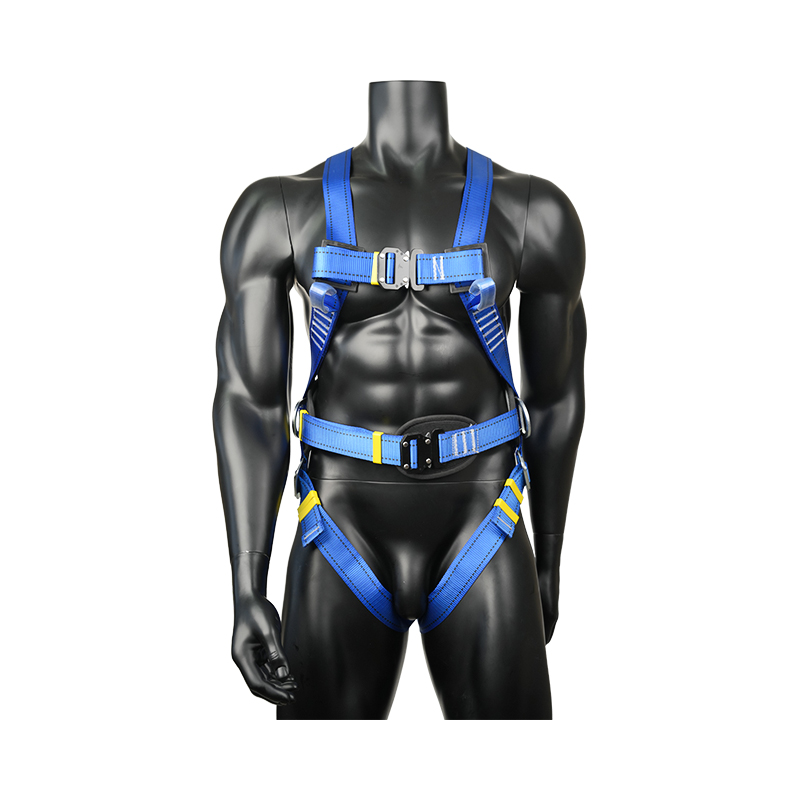
At a glance, a dielectric safety harness looks similar to a full-body safety harness of the standard variety. The structural difference, however, lies entirely in the hardware. Conventional harnesses use steel D-rings, steel buckles, and standard metal adjustment hardware—all of which are electrically conductive. If a worker wearing a standard harness makes contact with an energized conductor, the metal hardware can become part of an electrical circuit, dramatically increasing the risk of current passing through the body.
A dielectric harness eliminates this risk at the hardware level. The key distinguishing features include:
The result is a harness that performs identically to a standard model for fall arrest and positioning, while eliminating the harness itself as a potential conductor in an electrical incident. It does not protect against electrical shock from direct contact with energized components, but it ensures the harness does not make a dangerous situation worse.
To understand why dielectric equipment matters, it helps to visualize the specific scenarios where a standard harness becomes a liability. Utility workers routinely encounter three categories of electrical exposure at height that a conventional harness cannot safely address.
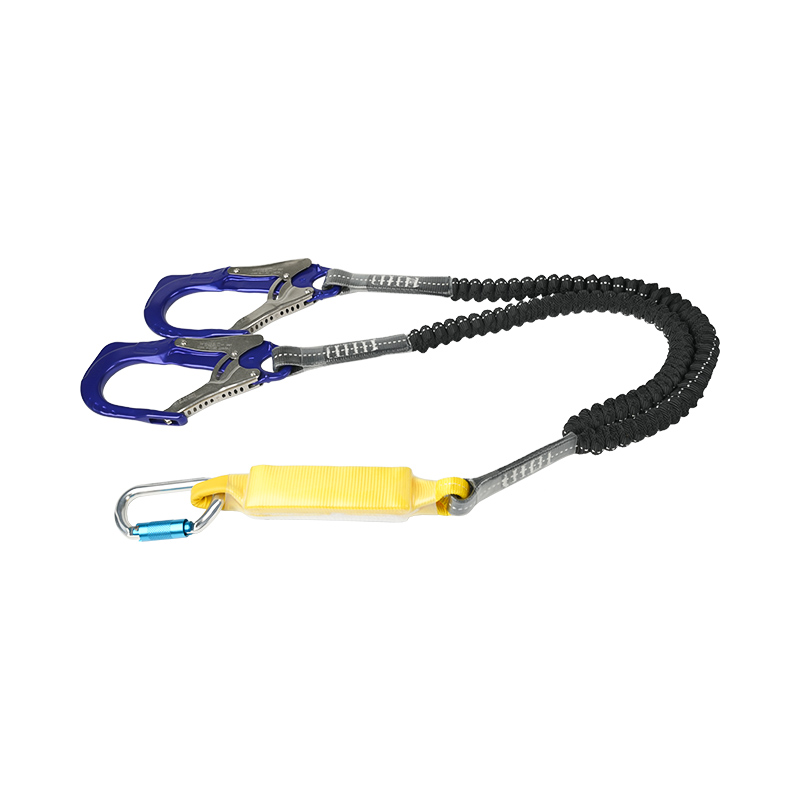
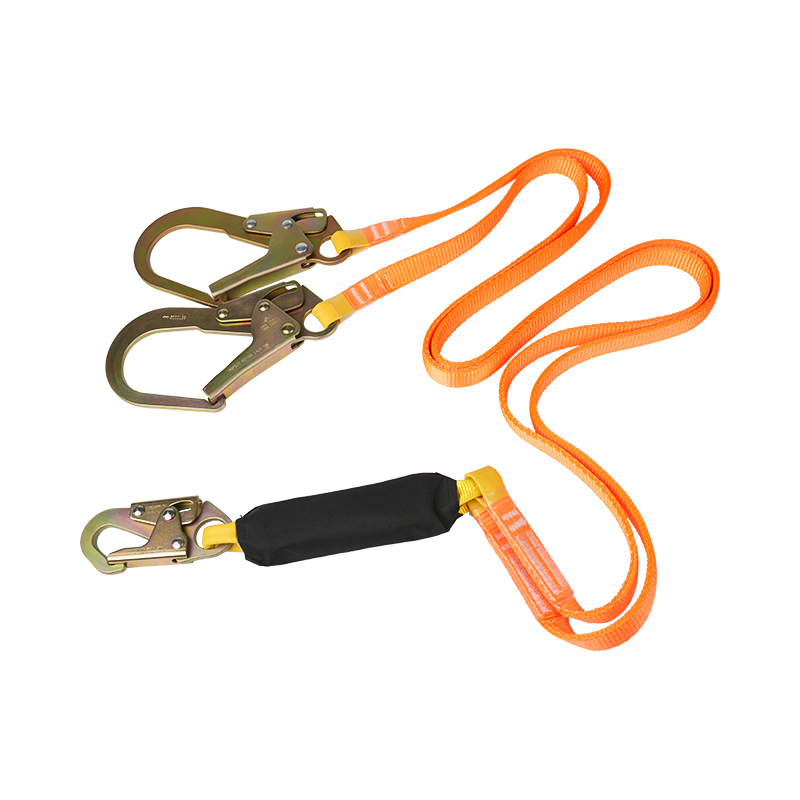
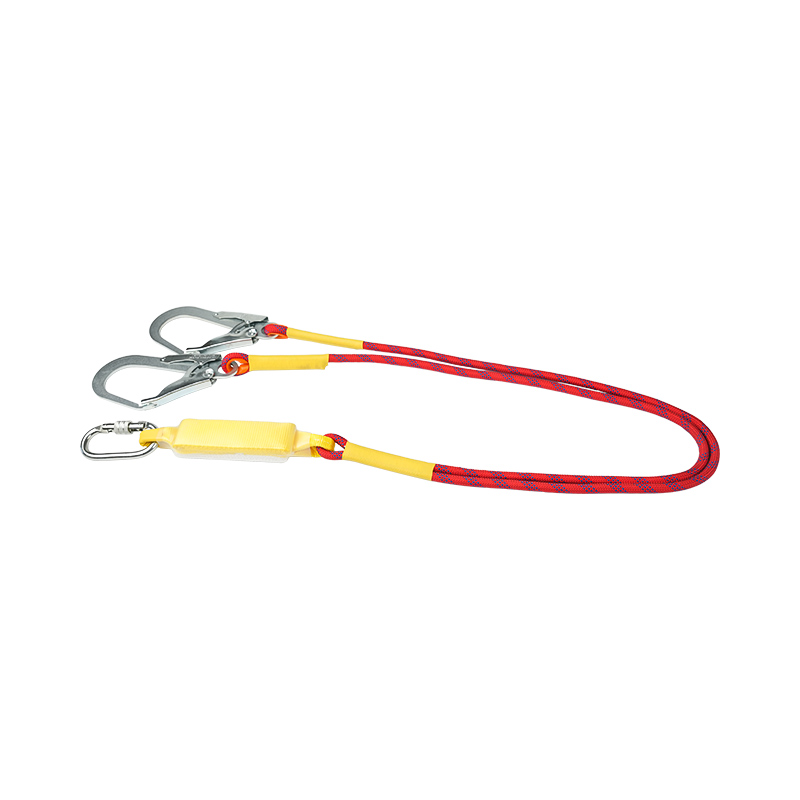
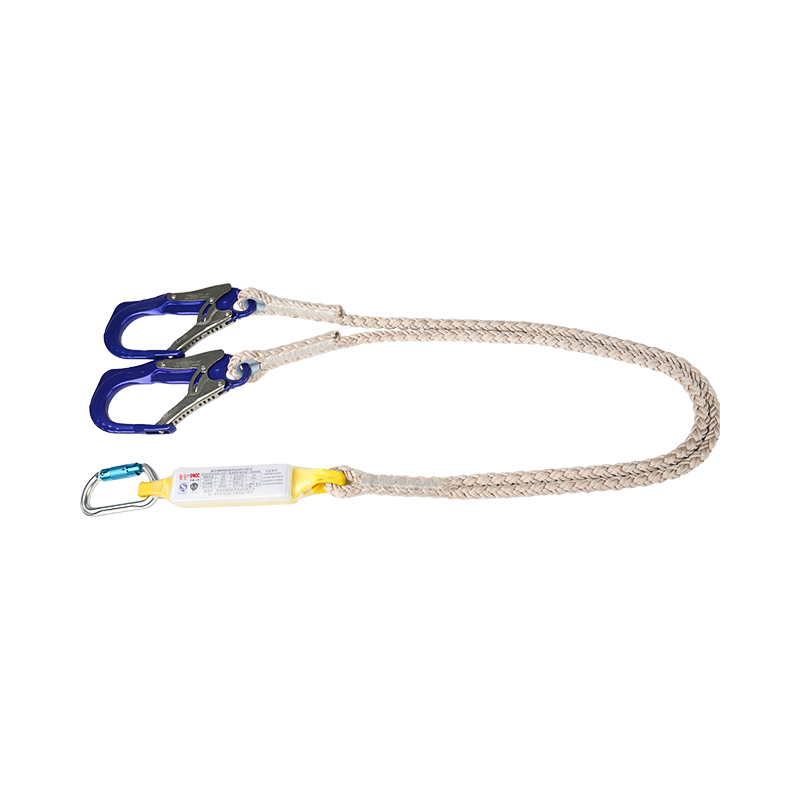
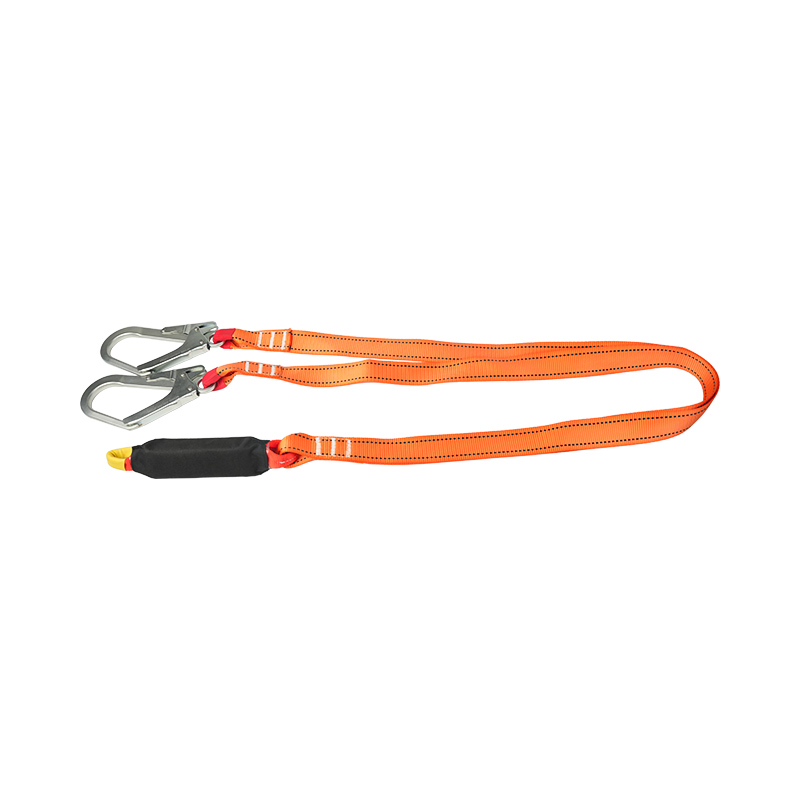
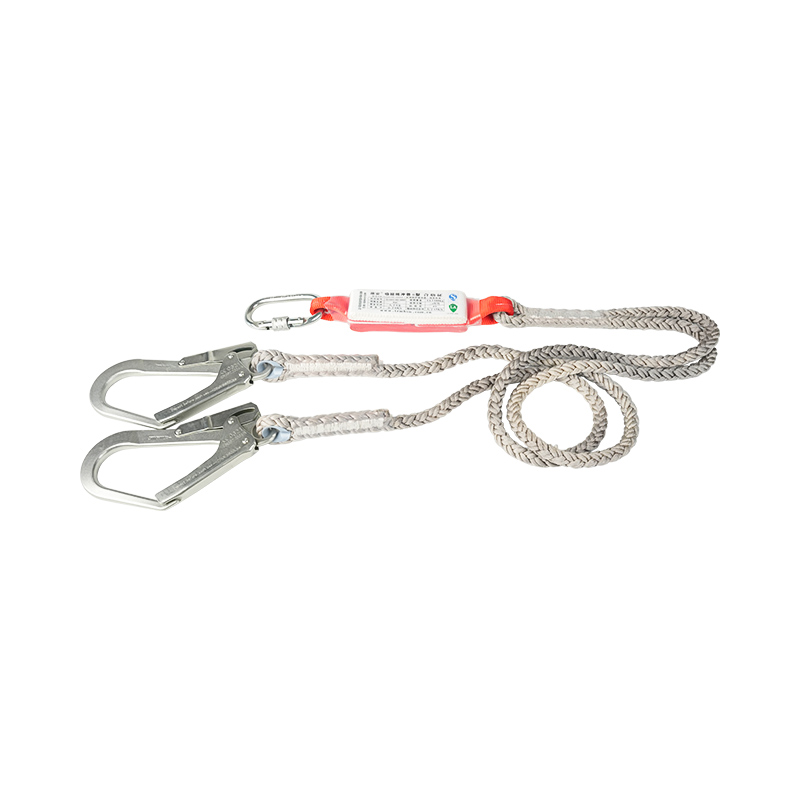
Linemen climbing distribution or transmission poles are often within the minimum approach distance of energized conductors. In these situations, any conductive hardware on their person—including steel harness D-rings—can attract flashover under the right conditions. Pair this with a standard steel-hooked dielectric safety lanyard and the entire fall protection system becomes a conductive chain between the worker and the energized infrastructure.
Workers accessing substation equipment, transformer bays, or switchgear vaults are operating in environments where energized components may be within arm's reach in any direction. The confined geometry of these spaces makes accidental contact more likely, and the voltage levels involved—often in the tens of thousands of volts—mean that even momentary contact with a conductive harness component carries lethal potential.
Arc flash is a sudden, explosive release of electrical energy caused by a fault in an energized system. The thermal energy released in an arc flash event can ignite standard polyester webbing and melt conventional hardware in milliseconds. Workers in arc flash boundaries are required under NFPA 70E to wear arc-rated PPE across all exposed skin and clothing layers—a requirement that extends logically to fall protection equipment made of combustible or conductive materials.
In each of these scenarios, a standard harness does not merely fail to protect—it actively introduces an additional failure mode that a dielectric system eliminates.
A quality standard full-body harness for utility work typically ranges from $80 to $200 per unit at volume. A comparable dielectric model with insulated hardware and certified non-conductive components generally runs $150 to $350, depending on configuration and certifications. For a crew of 20 linemen, that difference translates to a budget delta of roughly $1,400 to $3,000.
That number deserves context. Consider the direct and indirect costs associated with a single electrical injury incident on a utility job site:
| Cost Category | Estimated Range |
|---|---|
| OSHA penalty (willful violation) | Up to $161,323 per violation |
| Workers' compensation (serious injury) | $50,000 – $500,000+ |
| Medical treatment and rehabilitation | $30,000 – $200,000+ |
| Lost productivity and replacement staffing | $20,000 – $100,000 |
| Investigation, legal, and administrative costs | $15,000 – $80,000 |
| Reputational impact and contract risk | Difficult to quantify; often significant |
Against a potential exposure of $100,000 to well over $1 million per incident, the $1,400 to $3,000 upfront premium for dielectric harnesses across an entire crew represents a negligible insurance cost. The payback period on dielectric equipment is measured not in years, but in the prevention of a single serious incident.
Regulatory requirements for electrical utility fall protection are spread across several overlapping frameworks. Understanding which standards apply to your specific operations is essential for both compliance and procurement decisions.
This standard governs the majority of utility line work and explicitly addresses fall protection requirements for workers exposed to both fall and electrical hazards simultaneously. It requires that personal protective equipment used near energized parts be appropriate for the electrical exposure—which OSHA has consistently interpreted to include non-conductive fall protection hardware where feasible.
This standard covers full-body harnesses, body belts, and lanyards used in electrical utility environments. Many dielectric harness products are certified to ASTM F887, which specifies dielectric performance requirements for equipment used in proximity to electrical hazards. Compliance with this standard is not optional for utilities whose workers are ASTM F887 scope-applicable.
NFPA 70E establishes arc flash protection boundaries and mandates arc-rated PPE within those boundaries. While NFPA 70E does not independently mandate dielectric harnesses, it creates the hazard boundary context within which OSHA 1910.269 and ASTM F887 requirements are triggered. Workers within the arc flash protection boundary need equipment—including their harness—that does not present an ignition or conduction hazard.
For utilities operating internationally or supplying equipment to global projects, EN 361:2002 certification covers full-body harnesses for fall arrest, and products paired with EN 358:2018 (work positioning) provide a complete European certification baseline. Many quality dielectric harnesses carry both CE and ANSI/ASSP Z359.11 certifications, providing compliance coverage across multiple regulatory jurisdictions.
One of the most common points of confusion in utility PPE procurement is the distinction between a dielectric harness and an arc flash-rated harness. These terms are sometimes used interchangeably by vendors, but they address different hazards and should be selected accordingly.
A dielectric harness is engineered to prevent the harness hardware from becoming an electrical conductor. Its primary protection mechanism is electrical insulation of metal components. It does not inherently protect against the thermal energy of an arc flash event—the intense heat, UV radiation, and pressure wave that occur when a fault causes explosive electrical discharge.
An arc flash-rated harness is manufactured from flame-resistant and arc-rated materials—most commonly Kevlar®, Nomex®, or treated aramid blends—capable of withstanding the thermal exposure of an arc flash event without igniting or melting. These harnesses prevent the fall protection equipment itself from becoming a source of burns or fire in the event of an arc flash.
For the highest-risk utility environments—workers inside arc flash protection boundaries of energized switchgear, for example—the ideal solution is a harness that is both dielectric and arc flash-rated. These models combine insulated hardware with arc-rated webbing, addressing both the conduction hazard and the thermal hazard simultaneously. For workers whose electrical exposure is primarily proximity to energized lines without arc flash boundary entry, a dielectric harness without the arc flash rating may be sufficient—and more cost-effective.
Selecting the right dielectric harness requires matching product specifications to the actual hazard profile of your crew's work environments. The following criteria should drive your evaluation:
It is also worth reviewing how your harness selection interacts with other components in your fall protection system. For a breakdown of structural differences between harness configurations, see our guide on 3-point vs. 5-point fall protection harnesses. Once you have selected the right harness, ensure your team is trained on proper donning and connection procedures—our step-by-step guide on how to use a safety harness and lanyard provides a practical reference.
The answer to whether a dielectric safety harness is worth the extra cost is straightforward when viewed through the correct lens. The question is not whether you can afford dielectric equipment—it is whether you can afford the alternative. For any utility crew working in proximity to energized infrastructure, a dielectric harness is not a premium upgrade. It is the minimum appropriate equipment for the hazard environment your workers enter every day.

San Ye Road, Si Xiang Sub-district, Hai Ling District, Tai Zhou City, Jiang Su Province, China

+86 151-5262-8620
Copyright @ Taizhou KA Protection Products Co., Ltd. All Rights Reserved



 English
 Español
 عربى
عربى
